A trade in car means handing your vehicle to a dealer so its appraised value is applied toward a purchase or loan payoff. This article explains how dealers appraise trade-ins, why vehicle history and title status matter, practical steps to prepare, and how to compare valuation channels to set realistic expectations.
A rav4 used for sale can be a sensible pick for many research-oriented buyers because reliability aggregators rate the model above average and safety ratings are generally strong. This guide explains how to vet listings, what model years tend to be better, and a step-by-step checklist to reduce risk before you buy.
This guide explains how to estimate the cost of buying an R34 Skyline, with attention to import rules, condition-driven price tiers and landed cost. It shows which factors move value, how to verify history and paperwork, and offers a checklist you can follow when you search for a nissan skyline r34 for sale.
This guide helps buyers set realistic expectations for tacoma trucks for sale by explaining the main price drivers and a repeatable method to build conservative, typical, and ambitious offer ranges. It shows how the 2024 redesign, valuation guides, and vehicle history reports interact to change asking prices and reduce purchase risk.
Trading in a car means giving your vehicle to a dealership so its appraised value becomes credit toward another purchase or toward an outstanding loan. This process involves an inspection, title verification, and paperwork that confirm ownership and finalize how the credit is applied.
For research-focused buyers, preparing records and checking valuation channels can reduce surprises and help set realistic expectations. Use verified vehicle history reports and multiple valuation inputs to form a market view before you visit the dealer.
A trade in car is an appraisal-based credit a dealer applies toward a purchase or loan payoff.
Vehicle history reports and clear title status commonly influence trade-in offers.
Compare online estimates, dealer appraisals, and instant offers as market benchmarks, not guarantees.
What 'trade in car' means: definition and context
Basic definition and when it happens (trade in car)
When you trade in a car you transfer ownership to a dealership and the dealer gives you an appraisal figure that is applied toward your new purchase or to pay off an existing loan.
That appraisal follows an inspection and paperwork, and the dealer will check title and ownership before finalizing the credit applied to the transaction, including any adjustment for a loan payoff where applicable Federal Trade Commission guidance.
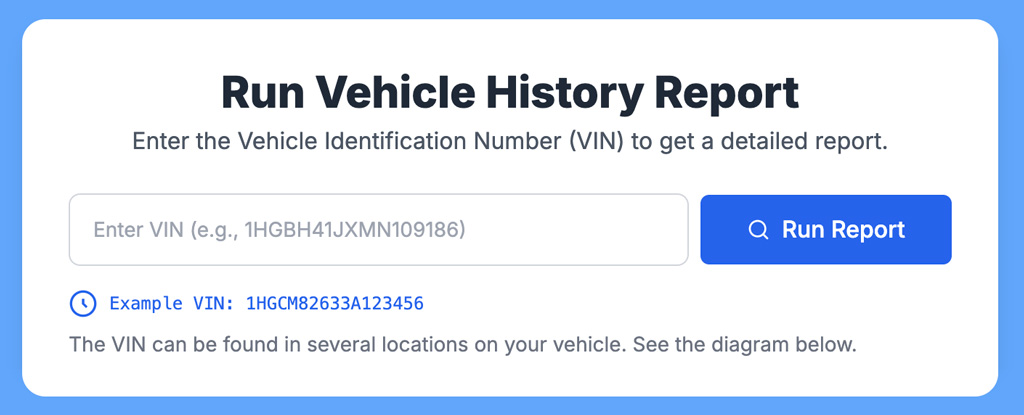
Run Vehicle History Report to check your car before trade-in
Run a vehicle history check before you visit the dealer to surface known issues that may affect offers.
The dealer appraisal is a formal offer based on the vehicle's condition, mileage, title status, and local market comparables; the dealer documents this on the sale paperwork and handles any required title transfer or payoff steps Edmunds trade-in guide.
If your car still has a loan, the dealer will obtain the payoff amount and subtract it from the agreed trade-in figure or roll the balance into the new financing depending on the deal structure, which is shown on the final sales contract Federal Trade Commission guidance.
How trade-in value is applied in a purchase
In most dealer transactions the trade-in value is treated as a credit in the overall sale and can either reduce the cash due at signing, reduce the amount you need to finance for a new vehicle, or offset an outstanding loan payoff Edmunds trade-in guide.
Because dealerships may present numbers in combined ways, ask to see a line-item contract that shows the trade-in credit, the sale price of the vehicle you are buying, and how any equity is handled so you can compare the separate pieces of the deal Federal Trade Commission guidance.
How dealers calculate trade-in value
Core inputs dealers use
Dealers typically weigh several concrete inputs when determining a trade-in offer, including any remaining payoff balance, the vehicle's physical condition, mileage, title or branding, and local wholesale comparables that reflect what a dealer could realistically sell the car for in the current market Edmunds trade-in guide.
Condition assessments look at both mechanical soundness and visible wear, so simple cosmetic issues can influence the offer as much as maintenance gaps; dealers convert the appraisal into a wholesale-facing number that accounts for reconditioning costs and potential resale price Kelley Blue Book trade-in methodology.
Local demand and wholesale prices matter: a model that is in demand in your region can fetch a higher trade-in price than the same car in another market, and dealers will use local wholesale comparables to set what they can pay while protecting margin Kelley Blue Book trade-in methodology.
Published valuation services provide benchmarks but do not replace a dealer's local view; treat each published figure as one input among several when forming your expectation for an offer Kelley Blue Book trade-in methodology.
How published guides fit in
Online and published guides show trade-in ranges and help you form a market view, but they do not guarantee an in-person appraisal; use their ranges to test dealer offers and to ask informed questions about any gap between estimates and the dealer number Kelley Blue Book trade-in methodology.
When you see a difference between online estimates and an in-person offer, consider condition, local demand, and inspection findings as likely reasons for the gap rather than assuming an error in the tools Edmunds trade-in guide.
Why vehicle history reports and title status matter when you trade in a car
What vehicle history reports typically show
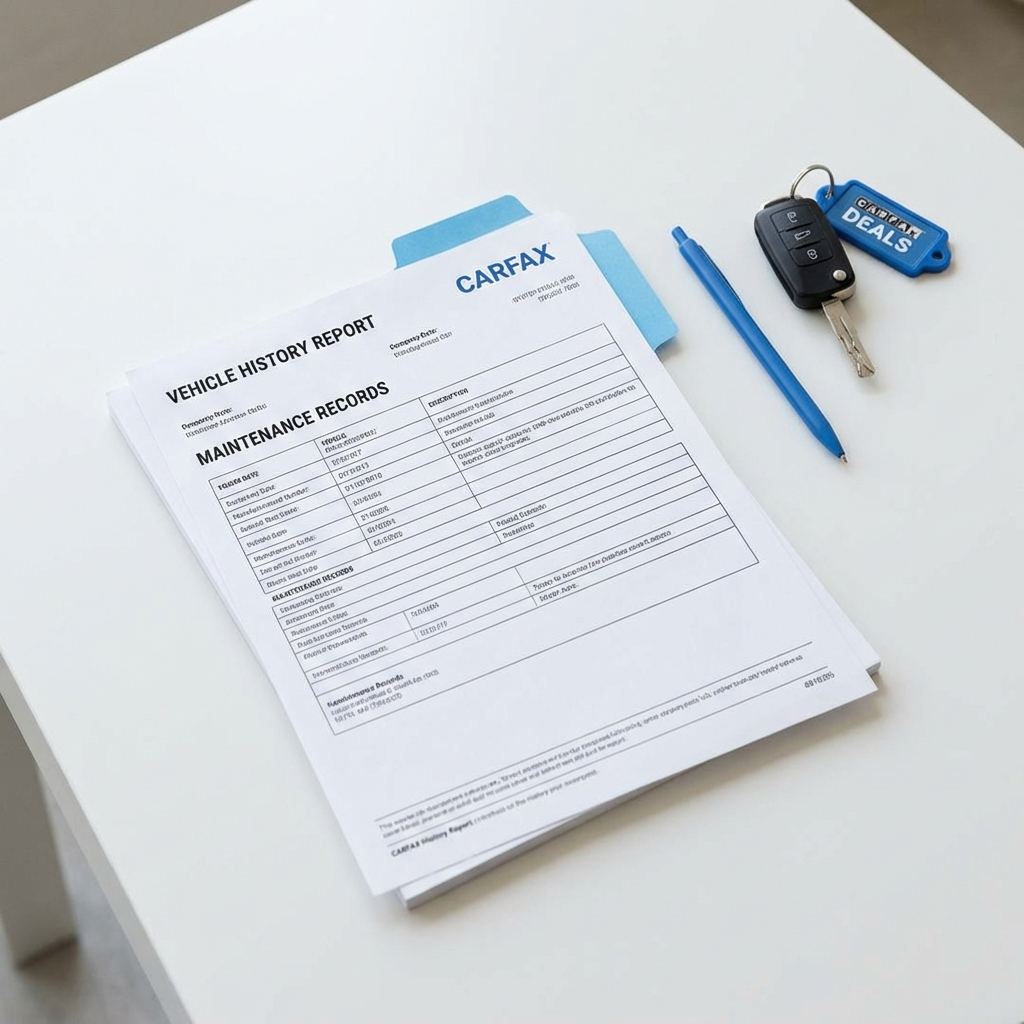
A vehicle history report can reveal reported accidents, ownership history, service records, and odometer records, and these items commonly affect the appraisal because they change a buyer's expected reconditioning cost or resale risk CARFAX trade-in value guide.
Reports that document consistent maintenance and no reported damage tend to reduce friction during appraisal, while entries indicating severe incidents or odometer concerns will often lower offers or prompt extra paperwork Federal Trade Commission guidance.
A trade-in means you transfer your vehicle to a dealer and receive an appraisal credit that the dealer applies toward a purchase or payoff; the final offer depends on condition, title status, mileage, payoff balance, and local market comparables.
What should I look for in a vehicle history report before trading in my car?
Look for ownership history, reported accidents, service entries, and any title brands that indicate salvage or lemon history; knowing these details ahead of time helps you ask targeted questions and anticipate inspection findings at the dealer CARFAX trade-in value guide.
Title issues that reduce offers
Title problems such as liens not released, salvage branding, or inconsistent ownership records can reduce the amount a dealer will offer or in some cases prevent a clean trade-in until the title is cleared, so verifying clear title status before the visit is important CARFAX trade-in value guide.
If the title shows unresolved liens, bring lender payoff documentation and confirm with your lender that the title will transfer once payoff is processed to avoid surprises at closing Federal Trade Commission guidance.
Prepare your car to reduce friction and may raise offers
Practical pre-visit steps
Collect maintenance and service records, confirm the exact loan payoff with your lender if applicable, and prepare the title or lender details to present at appraisal; having these ready shortens the appraisal process and tends to reduce documentation back-and-forth NADA Guides pricing page.
Simple efforts such as a deep clean and fixing minor safety or appearance items where cost-effective usually improve first impressions and can influence small increases in the offer because dealers factor reconditioning costs into their calculations NADA Guides pricing page.
Repairs and documentation that commonly help
Bring printed maintenance records, recent service invoices, and any receipts for parts or repairs; documentation that shows regular service tends to support a stronger appraisal narrative than an unverified maintenance claim NADA Guides pricing page.
Prioritize fixes that affect safety or drivability, and weigh the cost of cosmetic repairs against the likely increase in offer; small investments can be worthwhile for common issues but are not always cost-effective for major repairs Consumer Reports trade-in steps.
How much to invest in fixes
Decide which repairs to make by comparing the repair cost to the likely change in trade-in offer and to alternatives such as selling privately; minor items like windshield chips, bulbs, or simple service items often return more than their cost in buyer confidence NADA Guides pricing page.
For larger mechanical work, get a professional estimate and compare that projected uplift to the likely private sale price versus dealer trade-in value before committing to major repairs Consumer Reports trade-in steps.
Compare valuation channels before you trade in a car
Online estimators versus dealer appraisals
Use multiple valuation channels to form a market view: online estimators provide ranges, dealer appraisals reflect a wholesale-facing price, and instant-offer services give a conditional benchmark based on limited inputs Kelley Blue Book trade-in methodology.
Each source has different assumptions about condition and reconditioning, so compare notes across channels rather than treating any single estimate as definitive Edmunds trade-in guide.
Instant-offer services and how to use them
Instant-offer services can be a helpful reference point but they are typically conditional on inspection and may change after an in-person check; use these offers as one benchmark among others rather than a guaranteed final price Edmunds trade-in guide.
Run CarFax Report, use CarFax Deals as a verification layer to surface risk signals and pricing context before you visit a dealer.
When instant offers differ materially from dealer appraisals, ask dealers to explain the inspection findings and adjust your expectations based on verified condition and title evidence rather than the highest online figure Kelley Blue Book trade-in methodology.
Treat estimates as benchmarks, not guarantees
Online and instant estimates are inputs to a market picture; they are not binding offers and often assume a typical condition that may not match your vehicle and local market Kelley Blue Book trade-in methodology.
Use differences between channels to ask targeted questions at appraisal, and keep vehicle history and title documentation handy to contest or support adjustments to an offer CARFAX trade-in value guide.
How loan payoff and equity affect your trade-in outcome
Positive equity, negative equity, and how dealers apply them
If your car's agreed trade-in value exceeds the loan payoff you have positive equity and that credit can reduce the amount financed for your next car; if payoff is higher than the trade-in value you have negative equity and must either pay the difference or roll it into new financing Edmunds trade-in guide.
Because the dealer handles payoff as part of the closing process, confirm in advance how they will show positive or negative equity on the contract and whether any rolled-in negative equity will change monthly payments or loan terms Federal Trade Commission guidance.
How payoff handling appears on final paperwork
The final contract should list the trade-in credit, the payoff amount paid to your lender, and any remaining balance treated as negative equity; review these line items carefully and request clarification of any ambiguous entries Federal Trade Commission guidance.
Ask for a written payoff quote from your lender before the dealer appointment and bring a recent statement to reduce the chance of surprises caused by timing differences in payoff processing NADA Guides pricing page.
Negotiation tips: treat the trade-in and purchase separately when possible
Why separating the two can help you compare true costs
Separating the trade-in appraisal from the purchase price makes it easier to see the real numbers and to compare dealer trade-in offers against independent valuations or private sale expectations Federal Trade Commission guidance.
When dealers bundle figures, it can be harder to detect markups or to tell whether the trade-in credit actually improved your net cost; ask for itemized pricing to compare the pieces clearly Edmunds trade-in guide.
Benchmarks to use when comparing trade-in offers
Use as a quick pre-visit checklist
Use the checklist to gather the benchmarks you need and review them before signing any paperwork to ensure the trade-in and purchase numbers align with your expectations Kelley Blue Book trade-in methodology.
Questions to ask the dealer about how they apply the trade-in
Ask the dealer to show the trade-in credit separately, explain any inspection contingencies, and state whether any offer is conditional on further repairs or reconditioning; written clarity reduces post-sale disputes Federal Trade Commission guidance.
Request that the dealer outline how they will apply any positive or negative equity and, if possible, get that treatment in writing to avoid surprises when finalizing funds and title transfer Edmunds trade-in guide.
Common mistakes and hidden costs when you trade in a car
Mistakes that reduce your offer
Common errors include not confirming the payoff amount, arriving without maintenance records, or hiding title issues; these mistakes commonly reduce offers or delay the transaction NADA Guides pricing page.
Another mistake is relying solely on one online estimate without checking local market context and the vehicle history, which can leave you surprised by inspection-based adjustments CARFAX trade-in value guide.
Hidden fees and taxes to expect
Dealers may add administrative fees, and sales taxes can be affected by state rules for trade-in credits; confirm how taxes are calculated in your state and ask the dealer to show the tax computation on the contract Federal Trade Commission guidance.
Ask for explanations of any dealer-added charges and compare the final out-the-door figure against your own calculations that include trade-in credit and applicable taxes NADA Guides pricing page.
How to avoid common pitfalls
Bring documentation, run a vehicle history report, confirm payoff, and get written line-item pricing from the dealer to avoid disputes and to catch hidden adjustments before signing CARFAX trade-in value guide.
Comparing multiple valuation channels and asking clear questions reduces the chance you leave money on the table or accept terms that do not reflect the car's verified condition Kelley Blue Book trade-in methodology.
A short trade-in checklist to bring to the dealer
Documents to bring
Bring the title if you own the car outright, or current lender payoff information if not, plus registration, photo ID, and printed maintenance records to support the appraisal NADA Guides pricing page.
Also bring a recent loan statement when applicable so the dealer can confirm payoff amounts and reduce timing issues with the lender NADA Guides pricing page.
Vehicle condition quick checks
Do a quick interior and exterior clean, check tires and lights, note any mechanical concerns up front, and have service receipts ready to show the dealer at inspection Consumer Reports trade-in steps.
Document minor defects with photos so you can discuss them openly and avoid surprises during the dealer's inspection CARFAX trade-in value guide.
Questions to ask at appraisal
Ask how the dealer calculated the offer, whether the price is conditional on inspection, how they will treat any equity, and whether any fees will reduce the net credit you receive Edmunds trade-in guide.
Request the offer in writing and ask for a clear statement of inspection conditions so you know what could change between the verbal offer and the final paperwork Federal Trade Commission guidance.
Practical scenarios: sample outcomes when you trade in a car
Example 1: Positive equity trade-in
If your agreed trade-in value is above the loan payoff you have positive equity, which becomes a credit toward the new purchase and reduces the amount you need to finance, lowering the financed balance that appears on the sale contract Edmunds trade-in guide.
Example 2: Negative equity and roll-in options
If the payoff exceeds the trade-in value you have negative equity; options include paying the difference at closing, rolling the negative equity into the new loan, or selling privately to cover the shortfall, each with trade-offs for cost and convenience Federal Trade Commission guidance.
Example 3: Title or history issue affecting offer
If a vehicle history report shows a branded title or a reported accident the dealer may lower the offer to account for resale risk or require additional paperwork before accepting the trade-in, so surface these issues early and discuss them with the appraiser CARFAX trade-in value guide.
When selling privately may be better than a trade-in
Pros and cons of private sale versus trade-in
Private sale can yield a higher sale price in some cases but requires more time, marketing, and buyer screening; a trade-in offers convenience and faster closing, which some sellers prefer to avoid the longer private sale process Federal Trade Commission guidance.
Consider local demand and how retail prices compare to wholesale trade-in offers; for desirable models a private sale may outperform a dealer trade-in, while cars with title or repair issues may be simpler to move through a dealer Kelley Blue Book trade-in methodology.
Time, effort, and price trade-offs
Balance the time and effort of listing, meeting buyers, and handling payments against the dealer's convenience and ability to handle payoff and title transfer in the sale; choose the route that matches your priorities for speed and net proceeds Federal Trade Commission guidance.
If you prefer certainty and less paperwork, a dealer trade-in often simplifies steps, while private sale is better when maximizing net proceeds is the main goal Kelley Blue Book trade-in methodology.
Paperwork, taxes, and closing steps after you agree on a trade-in
Typical documents signed at closing
Expect to sign the sale contract that shows the trade-in credit, the new sale price, the payoff handling, and the title transfer paperwork that the dealer will initiate or complete depending on state rules Federal Trade Commission guidance.
Keep copies of all signed documents and any receipts showing payoff to your lender so you can confirm the title transfer and payment were completed after closing CARFAX trade-in value guide.
How taxes and fees are calculated
Sales tax treatment varies by state; some states apply tax to the net trade amount after credit while others calculate tax on the full price with the trade-in credited separately, so confirm local rules and ask the dealer to show the tax calculation Federal Trade Commission guidance.
Ask for an itemized final invoice so you can see taxes, title fees, and any dealer charges in one document and compare them with your pre-visit estimates NADA Guides pricing page.
Follow-up steps to confirm title transfer and payoff
After closing, verify with your lender that payoff was received and with your DMV that title transfer completed; keep records until you receive official confirmation of the title change and loan satisfaction Federal Trade Commission guidance.
If there are delays, follow up with the dealer and your lender promptly to resolve any hold-ups in title or payoff processing CARFAX trade-in value guide.
Summary: how to use trade-in value in your decision and next steps
Quick recap of the appraisal inputs
Trade-in value is an appraisal-based credit influenced by payoff, physical condition, mileage, title status, and local market comparables; treat published estimates as benchmarks rather than final offers Federal Trade Commission guidance.
Action plan for your next dealer visit
Gather maintenance records, run a vehicle history report, check multiple valuations, confirm payoff amounts, and request line-item pricing from the dealer to compare offers with clarity NADA Guides pricing page.
How to set a realistic expectation
Use multiple benchmarks, factor in local demand and inspection findings, and be prepared to negotiate the trade-in and purchase parts separately so you can see how each affects the overall deal Kelley Blue Book trade-in methodology.
You transfer ownership to the dealer and receive an appraisal credit that is applied toward a purchase or to satisfy an outstanding loan; the process includes inspection, title verification, and paperwork to record the sale.
Yes, a vehicle history report helps surface reported accidents, ownership history, and title issues that commonly affect the appraisal and the dealer's offer.
Often a private sale can yield a higher price, but it requires more time and effort; weigh potential extra proceeds against convenience and the dealer's help with payoff and title transfer.
Before you visit a dealer, gather maintenance records, run a verified vehicle history report, and compare valuation channels so you approach the appraisal with clear expectations. Ask for line-item pricing and written terms for how any equity is treated to reduce confusion at closing.
With preparation and a calm approach, you can use trade-in value as one tool in a broader buying plan, balancing convenience and potential net proceeds based on your priorities.


 Blog
Blog