Clear, practical guidance on identifying the most reliable Chevy for your needs—from family SUVs and work-ready Silverados to early electric Bolts. This guide explains why there is no single answer, how industry data and owner reports reveal trends, and the exact checks you should run (VIN recalls, CARFAX history, battery state-of-health, and pre-purchase inspections). Learn which Chevrolet models hold value, which model years to avoid, and how CARFAX Deals can help you find low-risk used Chevys with verified history and smart pricing labels.
A rav4 used for sale can be a sensible pick for many research-oriented buyers because reliability aggregators rate the model above average and safety ratings are generally strong. This guide explains how to vet listings, what model years tend to be better, and a step-by-step checklist to reduce risk before you buy.
This guide explains how to estimate the cost of buying an R34 Skyline, with attention to import rules, condition-driven price tiers and landed cost. It shows which factors move value, how to verify history and paperwork, and offers a checklist you can follow when you search for a nissan skyline r34 for sale.
This guide helps buyers set realistic expectations for tacoma trucks for sale by explaining the main price drivers and a repeatable method to build conservative, typical, and ambitious offer ranges. It shows how the 2024 redesign, valuation guides, and vehicle history reports interact to change asking prices and reduce purchase risk.
Which Chevrolet is the most reliable? That’s the question many used-car buyers ask—and the honest answer is that it depends on model, year and care. This guide breaks down the data, the common problem areas, and the exact checks you should run to find one of the most reliable Chevy models for your needs.
1. The Chevrolet Corvette can retain around 60% of its value in some resale studies, making it an outlier for retained value among Chevys.
2. Many early Chevrolet Bolt EVs were covered by battery recall campaigns—verify completion to reduce ownership risk.
3. CARFAX Deals surfaces verified vehicle histories and price-context labels to help buyers spot low-risk Chevys faster.
Why there is no single answer and how to read reliability like a pro
Most reliable Chevy models is a fair search term—and it points to a common buying problem: reliability isn’t a single, universal score you can apply across every Chevrolet. Instead, reliability lives in model families, specific engines and transmissions, and in the maintenance history of an individual car. A 2019 Chevy Silverado with a dealer-maintained service history can be far more dependable than a poorly cared-for 2018 example, and an early Bolt EV with completed recall work can be a practical electric commute car.
Think of reliability like a health check. Two people might both be 40 years old, but one has exercised, seen doctors regularly and had issues treated promptly. The other skipped care. The same principle applies to cars—especially among most reliable Chevy models where model year, use and repairs matter most.
How the industry measures reliability (and what those numbers mean for you)
Industry sources—owner surveys like J.D. Power, Consumer Reports, RepairPal and resale studies from Kelley Blue Book—give us patterns. They don’t name a single “most reliable Chevy,” but they do highlight winners and trouble spots. For example, the Corvette consistently ranks as a strong resale performer, while some early EVs and a few truck model years show higher repair frequency. When you’re weighing the most reliable Chevy models, use these indexes to narrow which model lines deserve deeper inspection.
Trends worth noting
• Full-size pickups show more variability because they’re used hard and have complex towing systems. • Early-generation EVs introduced new failure modes - battery and software - so check recall and battery-replacement histories. • Compact and mid-size crossovers often deliver steady, predictable ownership for families.
Electric Chevrolets: progress has been real but check batteries and recalls
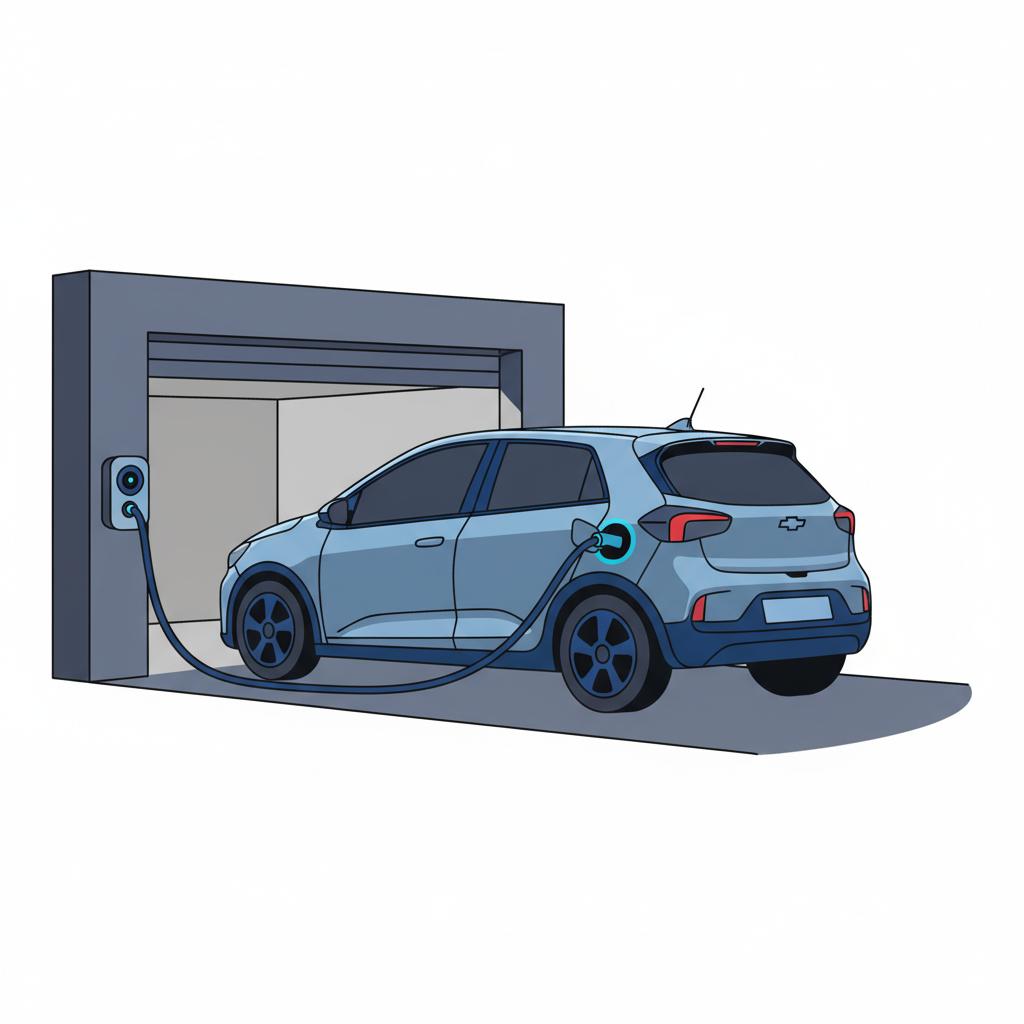
Electric models changed the reliability checklist. The Chevrolet Bolt EV and Bolt EUV delivered long-range value at an affordable price, but high-profile battery issues and subsequent recalls affected some owners. If you’re evaluating Bolts or other early EVs among the most reliable Chevy models, you must verify battery-related campaigns were completed and check current battery state-of-health ratings if available. See the CARFAX research on the 2021 Bolt EV and earlier model notes for context.
Remember: a battery warranty (often 8 years/100,000 miles) helps, but it doesn’t replace proof that recall work was done and that the battery retains useful range. Ask sellers for documentation showing recall completion or for the shop readout used to measure battery health. For additional background on earlier model reliability, see the 2019 Bolt EV research.
Full-size Silverados and pickups: why variability is expected
Trucks are work tools—and that shows up in reliability reporting. Because Silverados frequently tow and haul, components like transmissions, fuel systems and electronics face more stress. That increases the likelihood of owner-reported concerns in some model years. But that doesn’t mean you should avoid all Silverados. It means you should be particular about the VIN and year.
Inspect the specific VIN with NHTSA complaint data, CARFAX history and owner forums. A well-documented 2019–2020 Silverado with a long maintenance record can be a dependable truck; a 2021 example with unresolved recalls and no service history is higher risk. You can also decode a VIN using tools like a VIN decoder to confirm factory options and equipment that affect reliability.
Family-friendly SUVs: practical picks that often rank well
If family reliability is the goal, many buyers choose small and mid-size SUVs because they’re typically used more gently than full-size pickups and they avoid some high-cost failure modes. Models that have fewer electronic headaches and straightforward powertrains often appear among the most reliable Chevy models. These vehicles also tend to wear better inside—easy-to-use child-seat anchors, accessible HVAC controls and robust interior trim add to the sense of reliability.
What to check for in family SUVs
• LATCH and seat anchorage placement for child seats • Interior wear points like door handles and seat fabric • Third-row practicality (does your family really need it?) • Service history for routine items like brakes and tires
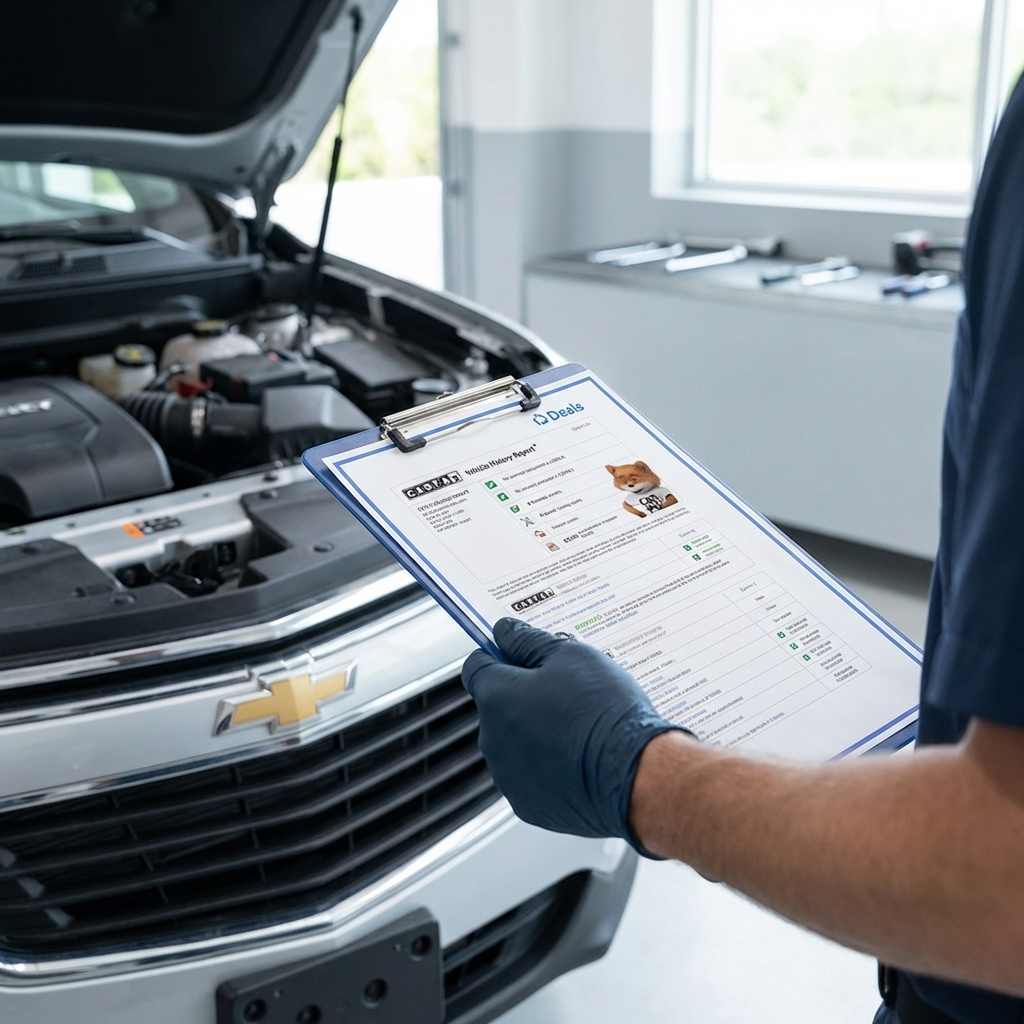
One simple step that reduces risk dramatically is to run a verified vehicle history before you commit. If you want to run a CARFAX report on a prospective Chevy, that single check often reveals whether recall work was completed and whether the vehicle has consistent service records—making it easier to spot the lower-risk examples among the most reliable Chevy models.
How recalls, warranty campaigns and completed repairs change the story
Recalls exist to fix problems—when the fixes are completed they should improve future reliability. The nuance is this: a recall only helps if the dealer or owner had the vehicle repaired. That’s why evidence of completed recall work in service records or CARFAX-style reports is essential. For used buyers, a documented recall completion should typically be a positive sign rather than a mark against a car.
Practical, step-by-step buying checklist
Follow these checks for any Chevy you consider:
1) Name the exact model and year. Research owner-survey trends and recall history for that specific model-year range. Don’t rely on brand-level generalities. You can read general guidance on how to evaluate model years on our how-to-use guide.
2) Run VIN checks. Use NHTSA’s recall search and a CARFAX-style report to confirm open recalls and documented service.
3) Verify maintenance history. Look for regular oil changes, transmission services and brake receipts. A continuous service history is a strong sign of low risk.
4) Get a pre-purchase inspection. A mechanic familiar with GM products can find problems a quick test drive will miss.
5) For EVs, request battery state-of-health testing. If the car is a Bolt, confirm any battery recall or replacement work was completed and ask for a recent battery health report. If possible, compare the listing to active used inventory like those on CARFAX used Bolt listings to see typical mileage and pricing.
6) Investigate usage. Check for heavy towing or commercial use—these uses shorten some components’ life.
Maintenance and ownership habits that extend life
Reliability is often a reflection of how a car was used and cared for. Small, consistent habits matter:
• Follow the manufacturer’s recommended service intervals (oil, filters, fluids). • Keep the cooling system and transmission fluid maintained, especially if towing. • For EVs, avoid prolonged full charges and frequent deep discharges when possible to preserve battery health. • Park in shade when you can and wash underbodies in snowy, salted regions.
These habits don’t provide a warranty, but they do reduce the probability you’ll face an unexpected repair. Over a decade of ownership, good maintenance often proves more meaningful than marginal differences in initial reliability scores.
The real cost of ownership: more than repair frequency
When comparing the most reliable Chevy models, remember that total cost of ownership includes depreciation, insurance, fuel or electricity, and repair risk. A vehicle that holds value well—like the Corvette in many resale studies—can offset higher repair costs by retaining more of its purchase price. Conversely, a model with few repairs but steep depreciation may cost more over five years.
That’s why reading resale and retained-value metrics is as important as repair-frequency tables. Look for models where maintenance costs and depreciation balance out to a low total cost of ownership for your use case.
Model-by-model notes (practical takeaways)
Chevrolet Corvette
The Corvette stands out for resale and enthusiast ownership. Kelley Blue Book and other resale measures show strong retained value - this makes it an interesting example among the most reliable Chevy models when measured by ownership cost. Corvettes can be expensive to repair for specialized parts, but their strong resale mitigates long-term cost for many owners.
Chevrolet Bolt EV / Bolt EUV
The Bolt offered affordable EV range early in the market. Battery recalls affected many examples, but manufacturers often remedied those issues and offered battery replacements under warranty programs or recall actions. If a Bolt has a documented recall completion and strong battery state-of-health, it can represent a cost-effective, reliable electric choice for daily driving.
Chevrolet Silverado (2018–2023)
Some Silverado model years in this range are solid; others show owner-reported clusters of problems. The safe approach is to inspect the VIN, check completed recall work, and have a truck-savvy mechanic review the vehicle. For work trucks, frame, suspension and transmission condition are the most important checks.
Chevrolet Equinox, Trailblazer and Blazer
These compact and mid-size crossovers tend to be sensible family choices. They generally avoid the complexity of large trucks and can be found with steady maintenance histories. Look for models with documented service and avoid first years after major redesigns until data shows problem rates have fallen.
What owners talk about—common real-world notes
Forums and owner comments often surface practical issues sooner than surveys. Things owners mention: climate-control quirks, small electrical gremlins, wear on interior trim, and occasional transmission hesitation in heavy-use trucks. Those signals are useful because they’re specific. When you read owner forums while researching the most reliable Chevy models, look for repeated themes tied to model and year - not one-off complaints.
Simple examples: two short ownership stories
A family bought a 2017 mid-size Chevy SUV with dealer-stamped service and completed recalls. They drove it for three years with routine maintenance and very few repairs. Another buyer purchased a 2020 Silverado without a pre-purchase inspection and later faced transmission hesitation; the truck’s missing service history suggested deferred care. The difference between these two experiences was attention to history and inspection - two of the most reliable steps any buyer can take.
Yes. In some cases a Corvette’s strong resale value and lower relative depreciation can offset higher routine or specialized repair costs, making its total cost of ownership competitive with—or even lower than—some family SUVs over a multi-year ownership period.
How CarFax Deals helps you find lower-risk Chevys
CarFax Deals is built to reduce guesswork. By surfacing listings with verified CARFAX Vehicle History Reports and clear pricing context - labels like Great Deal or Good Deal - CarFax Deals helps buyers focus on vehicles with documented histories and fewer surprises. For used buyers searching for the most reliable Chevy models, that verification often turns a risky gamble into a careful choice.
Negotiation and value: how history affects price
When a vehicle comes with dealer-stamped service, completed recall work and a clean history, you can negotiate from a position of confidence. Sellers know the value of verified maintenance and will price accordingly. Conversely, gaps in service or unresolved recalls are negotiation levers for buyers to request price reductions or require repairs before sale.
When to walk away: red flags to watch
Certain signs should make you cautious: evidence of major accident damage without complete frame repairs; mismatched odometer entries; open recalls that have not been addressed; and vehicles with inconsistent service patterns paired with high usage (heavy towing, commercial titles). These signals raise the chance that the car will become an expensive ownership project.
A buyer’s checklist recap (printable in your head)
1) Pick a model and year range. 2) Run VIN and CARFAX checks. 3) Confirm recall completion. 4) Verify maintenance history. 5) Get a trusted pre-purchase inspection. 6) For EVs, check battery state-of-health. 7) Walk away if the service story doesn’t add up.
Practical maintenance tips that extend life
Small actions keep a Chevy running longer: on-time oil changes, periodic brake and tire inspections, and transmission fluid changes where recommended. For EV owners, avoid extreme charge cycles and keep software updated. Simple preventive care saves more money than chasing rare brand-level reliability differences among the most reliable Chevy models.
Common buyer questions answered (short)
Is the Chevrolet Silverado reliable from 2018 to 2023? It depends - some years are solid; others have owner-reported clusters. VIN-specific checks and a pre-purchase inspection are essential.
Which Chevy is most reliable for families? Small and mid-size SUVs often balance space, lower repair frequency and user-friendly interiors. Focus on stable model years with good maintenance records.
Are Chevy EVs worth it used? Yes - if you verify battery health and confirmed recall work. A Bolt with completed recall work and good battery state-of-health can be a very reliable, low-cost daily driver.
Final buying philosophy
There’s no single universally “most reliable Chevy car.” But a model can be highly reliable for your needs if you match usage to the right model year and verify the car’s history. Use NHTSA and CARFAX checks, get a pre-purchase inspection, and prefer cars with clear maintenance records. When you do that, you turn the vague question of “which Chevy is most reliable” into a precise choice that fits your life.
Check a Chevy’s verified history before you buy
Ready to check a Chevy’s history? Run a verified vehicle report now to see recalls, service records and ownership history and make a confident choice: Run a CARFAX report
Buying a used Chevy is part research and part judgment. With the right checks—VIN lookups, CARFAX-verified history and a mechanic’s inspection—you can find a Chevrolet that serves your family or work needs reliably for years. Match the model to the job, verify the history, and maintain the vehicle consistently; those steps matter far more than brand-level promises when choosing among the most reliable Chevy models.
It depends on the specific model year and history. Some Silverados in that range have sturdy engines and long service lives, while others show patterns of owner-reported issues—especially when used for heavy towing. Always run VIN checks for recalls, verify documented maintenance, and get a pre-purchase inspection by a mechanic experienced with GM trucks.
Small and mid-size Chevrolet SUVs commonly offer the best mix of reliability, space and ownership cost for families. Look for model years with steady owner-survey scores and complete service records. Prioritize interior practicalities—LATCH access, durable trim, and usable cargo layouts—along with mechanical history.
Used Chevy EVs can be a good value if you confirm battery health and that any recall or warranty work (particularly for Bolt battery campaigns) was completed. Request a recent battery state-of-health readout or shop inspection and confirm remaining warranty coverage when possible.
There isn’t a single most reliable Chevy for everyone—pick the right model-year for your needs, verify its history, and you’ll likely end up with a dependable Chevrolet you can trust; happy driving!


 Blog
Blog