Searching for the best car under $10,000 can feel like a treasure hunt, but with practical criteria—reliable models, verified history reports, and a measured inspection process—you can find a dependable daily driver. This guide walks you through the most reliable makes and models you’ll commonly find in the sub-$10k market, how to weigh mileage versus maintenance history, a detailed pre-purchase inspection checklist, realistic repair cost expectations, negotiation tactics, and where a tool like CARFAX Deals can save time and reduce risk. Read on to learn how to find a solid car that fits your budget and keeps surprises to a minimum.
A rav4 used for sale can be a sensible pick for many research-oriented buyers because reliability aggregators rate the model above average and safety ratings are generally strong. This guide explains how to vet listings, what model years tend to be better, and a step-by-step checklist to reduce risk before you buy.
This guide explains how to estimate the cost of buying an R34 Skyline, with attention to import rules, condition-driven price tiers and landed cost. It shows which factors move value, how to verify history and paperwork, and offers a checklist you can follow when you search for a nissan skyline r34 for sale.
This guide helps buyers set realistic expectations for tacoma trucks for sale by explaining the main price drivers and a repeatable method to build conservative, typical, and ambitious offer ranges. It shows how the 2024 redesign, valuation guides, and vehicle history reports interact to change asking prices and reduce purchase risk.
Finding a dependable used car for under $10,000 in 2024–2025 feels like treasure hunting: the terrain changes by region, and the best finds come from patience, careful inspection, and verified information. This guide offers model suggestions, inspection checklists, realistic repair-cost expectations, and practical negotiation strategies to help you find a reliable car that fits your budget.
1. Toyota Corolla and Honda Civic models from 2008–2016 repeatedly appear as top picks for low ownership cost and reliability.
2. Typical immediate repair expectations for sub-$10k cars include $500–$1,200 for timing-belt work and $400–$800 for a fresh set of tires.
3. CARFAX Deals aggregates verified vehicle history reports and price-quality labels to help buyers quickly identify lower-risk cars—data-backed listings cut time searching by surfacing clear signals about title brands and service history.
What is the best car under $10,000?
Finding the best car under $10,000 is about smart trade-offs: you accept higher mileage for proven reliability, prioritize documented service history, and use verified data to reduce risk. In 2024-2025 the market is full of sensible compact sedans and hatchbacks - Toyota Corolla and Camry, Honda Civic and Accord, Mazda3, and well-kept Subaru Legacy and Outback models - that repeat as top picks because parts are affordable, repairs are well-understood, and many owners report long service lives.
The phrase best car under $10,000 appears here because it’s the single question every budget buyer asks. This guide expands on what you’ll commonly find, the trade-offs you should expect, how to inspect and negotiate smartly, and how to use data-driven marketplaces to your advantage.
Across U.S. markets, compact cars from roughly the 2008–2016 model years dominate listings under $10k. The best practical outcomes come when you pair one of those models with a clean vehicle history report and an independent pre-purchase inspection. That simple sequence - search, verify, inspect - dramatically raises your odds of leaving the dealer with a car that lasts.
If you want a practical head start, consider checking verified listings and history reports on CARFAX Deals vehicle reports to prioritize vehicles with clean records and fair pricing before you call sellers.
Below you’ll find clear, actionable guidance: model recommendations by priority, regional cautions, a step-by-step inspection checklist in plain language, realistic cost expectations, negotiation tactics, and examples that show why some cars become the best car under $10,000 for one buyer and not for another.
Often, yes. A high-mileage Corolla with consistent maintenance history commonly outlasts a lower-mileage car that has been neglected. Maintenance history typically predicts near-term reliability better than the odometer. Prioritize documented service records, recent timing-belt or timing-chain work, and a clean history report when choosing between high- and low-mileage options.
Why the “best car under $10,000” is a personal choice
The label "best" depends on what you value. A commuter focused on economy and low repair bills will pick differently than someone who needs all-wheel drive for snowy roads. Still, a few models keep surfacing because they combine durability with low parts cost, and that’s why the best car under $10,000 often comes from a short list of familiar makes.
Common models you’ll see
Expect to encounter:
Toyota Corolla and Camry: Known for conservative engineering and longevity. Corollas are inexpensive to maintain and often cost less to insure. Camrys are larger and comfortable for highway miles.
Honda Civic and Accord: Civics can feel sportier and are efficient; Accords are roomier and smooth on the highway. Both brands reward regular maintenance.
Mazda3: A more engaging drive and good longevity when rust isn’t a problem. Look for rust and catalytic converter issues in older cars.
Subaru Legacy and Outback: Valuable for drivers who need all-wheel drive, though some models in this price range carry high mileage and potential head gasket or oil consumption risks - verification is essential.
How the market behaves (and why timing and region matter)
Inventory shifts by city, season, and local demand. Urban areas can have many cars with short-trip wear, while rural regions sometimes list older trucks and SUVs used for heavy work. Coastal markets can have flood-damaged cars; northern, salt-prone states carry rust risk. A vehicle that’s a great deal in one city may be $1,000-$2,000 more nearby.
Because of these regional differences, expanding your search radius is often necessary to find the best car under $10,000 for your needs. Many shoppers travel one-to-three hours for the best options; sometimes a bit of driving saves you thousands over the life of the car.
Top selection criteria for the best car under $10,000
Use this short checklist to filter listings quickly:
1. Clean title and no branded salvage/flood. Don’t accept sellers who dodge questions about title brands.
2. Documented service history. Regular oil changes, timing belt or chain service, and brake service are high-value signals.
3. Single-owner or consistent maintenance ownership. Multiple owners aren’t an automatic deal breaker, but frequent ownership changes can indicate unresolved problems.
4. Reasonable mileage for age. Expect many cars to have 100k–150k miles in this price range. How they were maintained matters more than the odometer alone.
5. Price labels and market comparisons. Listings with comparative pricing (Great Deal/Good Deal) and verified history make your life easier; CARFAX Deals surfaces those markers so you can compare quickly.
Realistic maintenance and repair expectations
Buying under $10k usually trades purchase price for increased near-term maintenance risk. Common wear items and rough cost ranges to plan for:
Timing belt service: $500-$1,200 (varies by engine and region). If the interval is due soon, fold that into your offer.
Brake jobs: $150-$400 per axle.
Tires: $400-$800 for a set, depending on size and brand.
Suspension work: Struts, control arms, and bushings can total $800-$2,000 on some cars.
Minor electrical or sensor issues: Often $100-$400 each.
These are estimates but they’re useful for negotiation and budgeting. When you compare two cars, convert expected repairs into dollars and add them to the sticker price - this reveals the effective cost.
A worked example
Compare a 2012 sedan at $6,800 with 140k miles and a 2014 model at $9,200 with 90k miles. If the older car needs $1,200 in timing-belt work and $600 in brakes and tires, its immediate cost climbs to $8,600. That narrows the gap and can flip which car is the smarter buy.
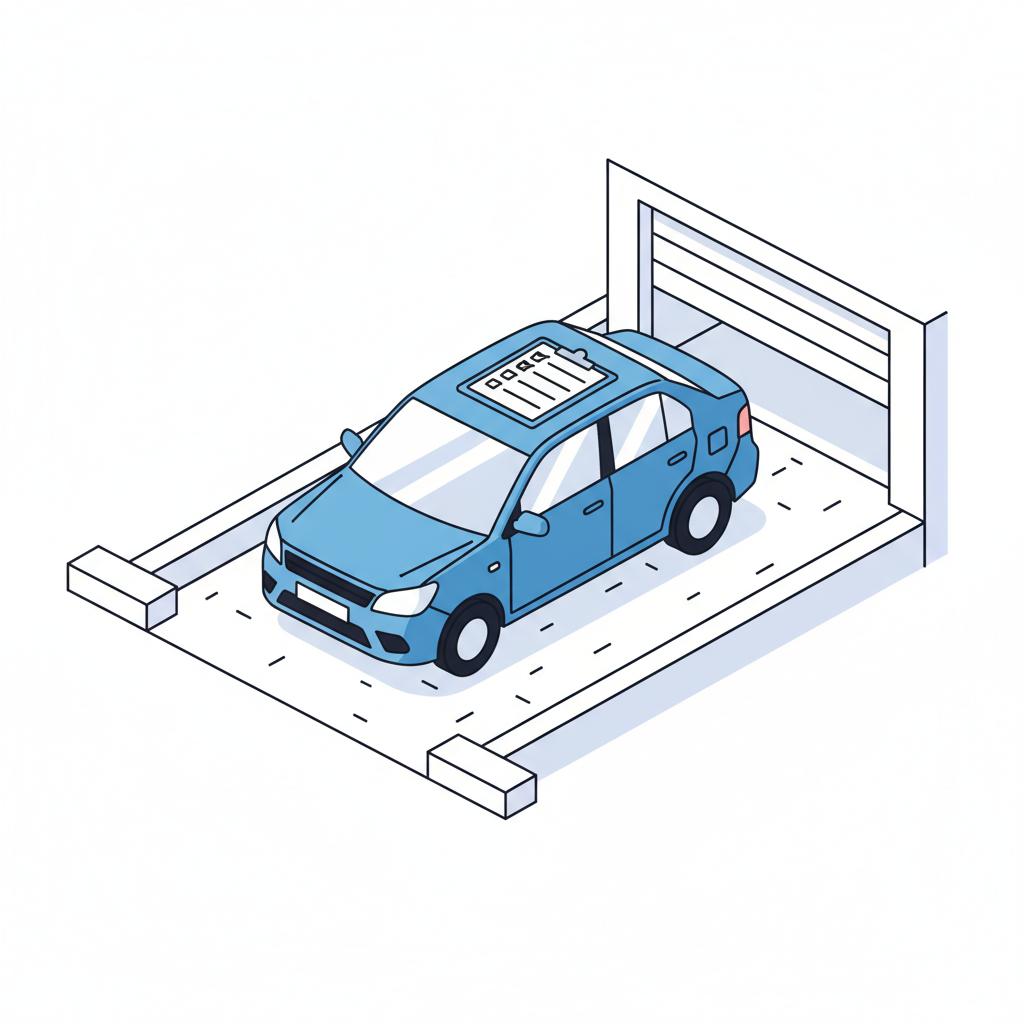
This checklist is what an independent mechanic will evaluate, translated into easy terms you can use when you visit the car:
Start & run: Cold-start the car. Any hard starts, loud knocks, or thick smoke are warnings.
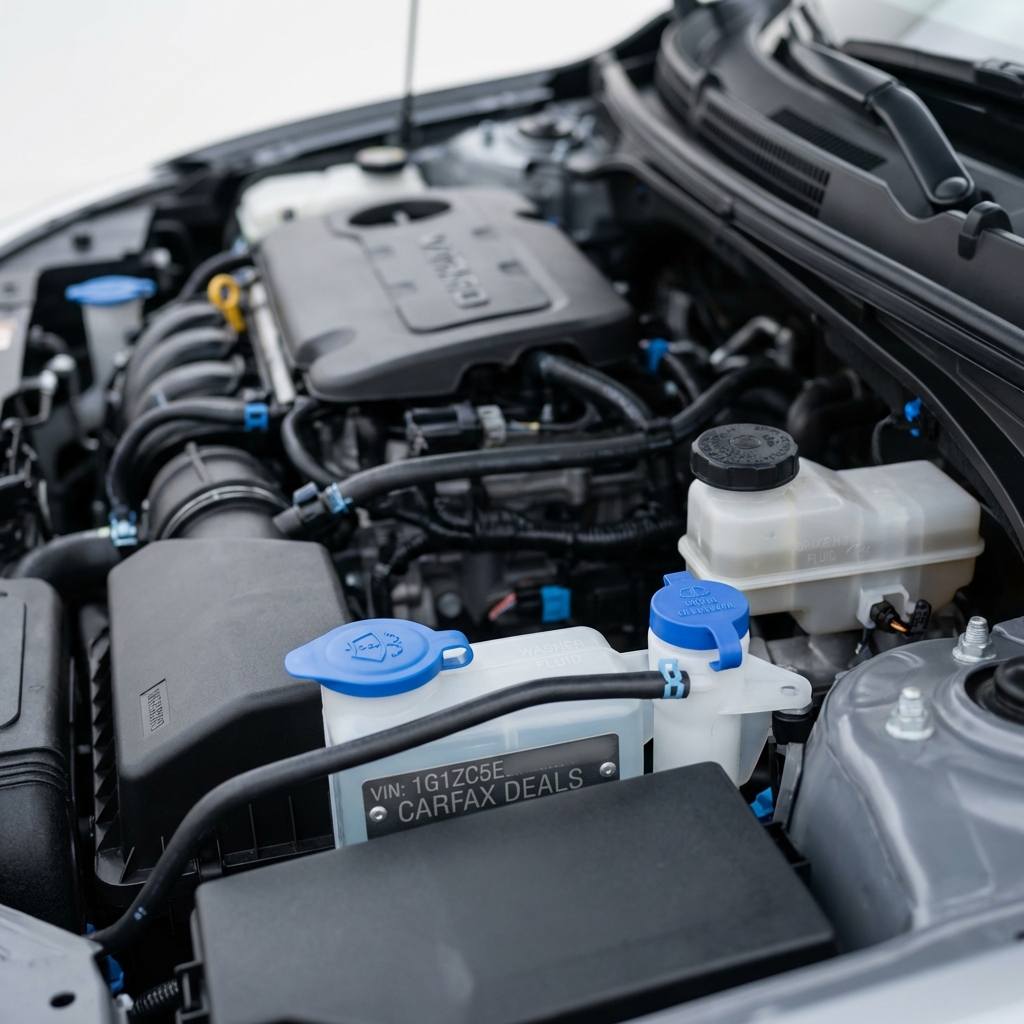
Fluids: Look (or ask the mechanic to look) for clean oil, correct coolant level, and no major leaks under the engine.
Under the hood: Check belts and hoses for cracks and obvious leaks. Corrosion on battery terminals is normal but check battery age.
Exterior & body: Look for mismatched paint, overspray, and panel gaps which can indicate past bodywork. Surface rust is common but deep rust under structural components is a deal breaker.
Undercarriage: Inspect exhaust condition, look for oil leaks, and check for signs of impact or frame repair. Severe rust on the frame or suspension mounts is a red flag.
Brakes & tires: Measure pad thickness (a mechanic can do this) and check tires for even wear. Uneven wear suggests alignment or suspension issues.
Suspension: Check for leaking shocks/struts and listen for clunks during a test drive over bumps.
Transmission & shifting: Automatic shifts should be smooth and timely; manuals should have a healthy clutch with consistent engagement.
Electronics & climate: Test HVAC, windows, locks, and infotainment; electrical gremlins multiply and can be costly.
Title & VIN: Verify VIN on the car matches the title, and run a history report to check for branded titles or odometer problems.
Using a vehicle history report to reduce risk
Vehicle history reports aren’t perfect, but they’re powerful filters. They show title brands (salvage, rebuilt), reported accidents, recorded service events, and sometimes flood or lemon history. A clean report doesn’t guarantee a perfect car, but it lowers the odds of hidden catastrophes - exactly why many shoppers choose CARFAX Deals VIN reports as their first research stop.
Negotiation tactics (facts beat emotion)
Negotiation is most effective when you bring evidence. If the history report shows a prior accident or the mechanic flagged a timing belt due soon, present the repair estimate and make an informed counter-offer. Calm, factual conversation wins more often than confrontation.
Sample negotiation script:
"I like the car and I can see it's been mostly well-kept, but the VIN check shows a minor accident and the mechanic noted the timing belt is due. That work is about $1,200, so would you be willing to lower the price by $1,200 or include that service before sale?"
If the seller won’t adjust and the repairs are significant - walk away. There are always other options, and impatience is one of the few things that makes buyers pay too much.
How to weigh mileage versus maintenance
Mileage matters, but maintenance history often matters more. A well-documented Toyota with 160k miles is often a better bet than a neglected car with 80k miles. Look for printed invoices, timing-belt receipts, and other records that show consistent upkeep.
Use simple arithmetic to compare options: add likely near-term repairs to each car’s price and compare the totals. Include license, tax, and any one-way transport costs if you find the car outside your region.
Where to search: marketplaces and private sellers
Private sellers can offer lower sticker prices but sometimes come with less documentation. Dealers may charge more but sometimes provide basic reconditioning and short warranties. Marketplaces that attach verified history reports and pricing context, like CARFAX Deals, are especially helpful for research-first buyers because they surface important risk signals and price labels so you don’t waste time on poor candidates.
Model-by-model notes: who wins the title of best car under $10,000 for common needs
Here are practical recommendations based on typical buyer priorities. Each mini-section explains why a model might be the best car under $10,000 for a specific need.
Best for lowest ownership cost: Toyota Corolla
The Corolla’s conservative engineering and huge parts availability make it an easy pick. It is often the cheapest to maintain long-term and has predictable repair patterns. If you value reliability and low cost per mile, a well-maintained Corolla is frequently the best car under $10,000.
Best for highway comfort: Toyota Camry or Honda Accord
For people who drive long distances, the Camry or Accord often feels more grown-up and comfortable. They can be slightly more expensive up front but typically reward highway miles with a calm ride and efficient engines.
Best for a fun-to-drive cheap option: Mazda3
Mazda3s can feel sportier and reward drivers who enjoy handling. If you don’t face a lot of rust risk and find a well-kept example, the Mazda3 can be the best car under $10,000 for enjoyment without outsized maintenance costs.
Best for winter/all-wheel-drive needs: Subaru Legacy or Outback
Subarus offer standard all-wheel drive in many trims, which is hard to beat for snow and slippery roads. However, because many Subarus in the sub-$10k market have high miles, you must verify head-gasket history and oil consumption carefully.
Red flags that should make you walk away
Some signals are clear deal-breakers: branded salvage or flood titles, frame/structural damage, odometer tampering, or refusal to allow a pre-purchase inspection. Moderate cosmetic issues and some wear items are expected, but anything that suggests the car has been hiddenly rebuilt or repeatedly repaired after serious incidents - walk away.
Ownership costs beyond purchase price
Remember taxes, registration, recurring insurance, and any small repairs in the first few months. Older cars generally cost less in insurance but may need immediate service that adds to your outlay. If you finance, keep the loan small and monthly payments conservative to leave room for surprise repairs.
Extended warranties vs. repair fund
Extended warranties for cheaper used cars often have strict exclusions and may not cover common wear items. For many buyers in the under-$10k market, building a repair fund of $1,000-$2,000 is the wiser choice - money you control and spend as needed.
Real buyer stories and what they teach
A friend bought a 2011 Corolla with 135k miles for $6,400; they had full records and a clean history report. They spent $800 on tires and a water pump early on and then enjoyed several trouble-free years. Another acquaintance bought a 2013 Mazda3 for $7,500 and later replaced a catalytic converter and managed rust issues - fun to drive, but more expensive to own.
These examples show why documentation and inspection matter more than brand alone. When someone asks what is the best car under $10,000 for them, the best answer is: the one with clear records, a clean report, and a good inspection.
Practical buying timeline (what to do, day-by-day)
Day 0-3: Set search alerts on at least two marketplaces. Include CARFAX Deals to surface cars with verified histories.
Day 4-10: Shortlist three to five cars, run VINs through history reports, and compare service records.
Day 11-14: Schedule pre-purchase inspections for your top two candidates and get written estimates for any needed work.
Day 15: Negotiate. Use the inspection and report evidence to adjust price. If the seller won’t move and the needed repairs are real, walk away.
Day 16-30: Complete the purchase, handle title and registration properly, and immediately address safety items like tires and brakes if needed.
Checklist at the moment of sale
Before handing over money, confirm the VIN on the car matches the title, that the seller provides a signed bill of sale, and that all promised repairs or disclosures are in writing. Never buy sight unseen without thorough verification.
Small but powerful negotiating levers
Use these if the seller seems open to discussion:
Repair estimates: Bring printed estimates from a local shop or the inspector.
Comparable prices: Show similar listings from your market filters.
History report issues: If the report shows a minor accident, ask for a price reduction proportional to repair concerns rather than an emotional discount.
Why data-driven marketplaces matter
Marketplaces that attach verified history reports and market-pricing signals reduce time waste and raise buyer confidence. CARFAX Deals, for example, highlights price labels and verified histories, helping you prioritize low-risk, fairly priced cars. When choosing the best car under $10,000, starting with a data-backed filter reduces wasted viewings and surprises.
Common buyer questions answered
Is buying from a dealer safer? Dealers may offer short warranties and are more likely to have performed basic inspections; private sellers are often cheaper. Either way, insist on a report and a pre-purchase inspection.
If a car has one listed accident, should I avoid it? Not necessarily. Properly repaired, non-structural accidents don’t always affect future reliability. Ask for repair invoices and have a mechanic inspect the repair quality.
Final decision steps
Make a short list of candidates. Compare their service histories, inspection reports, and total wallet impact after expected repairs. The car that becomes the best car under $10,000 for you will be the one that meets your priorities with the fewest immediate costs and a clear, documented past.
Ready to find reliable used cars with verified histories?
Ready to narrow your search? Start with verified history reports and price signals to find trustworthy cars that match your needs—check verified listings and run reports here: Get a CARFAX Deals vehicle report.
Right after buying, prioritize these items if they’re due: full oil and filter change, brake inspection, tire check and rotation, and a coolant system review. Schedule timing-belt service if it’s approaching the recommended interval. A modest immediate investment can extend reliability and reduce surprises.
Making peace with imperfect choices
Every car under $10k will have trade-offs. The trick is to minimize surprise repairs by choosing a car with clear records, verified history, and a passing pre-purchase inspection. That combination often yields years of worry-free use even from a high-mileage example.
Quick reference: when to walk away
Walk away if you encounter: branded salvage/flood titles, structural damage, odometer inconsistencies, or if the seller refuses an independent inspection. These signals point to unacceptable risk for most buyers.
Glossary of key terms
Branded title: A title marked as salvage, rebuilt, or flood; usually indicates significant prior damage.
Timing belt vs. timing chain: Belts usually require scheduled replacement; chains often last longer but can still cause costly repairs if neglected.
VIN: Vehicle Identification Number - used to run history reports and verify a car’s legal identity.
Parting advice
Buying a reliable used car for under $10,000 is perfectly reasonable if you prioritize documentation and use the right tools. With a verified history report, a clear inspection, and a readiness to walk away from suspicious listings, you can buy a car that serves you for years without constant repair headaches.
Resources
Set search alerts, run VINs through trusted history report services, and keep a local mechanic’s number handy. Those three habits alone will keep you out of most trouble when you search for the best car under $10,000.
Good luck on your hunt—make a list, check the history, get it inspected, and drive safe.
Compact sedans and hatchbacks from Toyota (Corolla, Camry), Honda (Civic, Accord), Mazda3, and certain Subaru Legacy/Outback models are most common. Their large production runs, affordable parts, and predictable repair patterns make them frequent top choices in the sub-$10k market.
Plan for common wear items: tires ($400–$800), brake jobs ($150–$400 per axle), and potential timing belt service ($500–$1,200) depending on the car. Setting aside $1,000–$2,000 as a repair fund is often wiser than buying a restrictive extended warranty.
CARFAX Deals pairs verified vehicle history reports with market-priced labels (Great Deal/Good Deal) so you can quickly prioritize low-risk, fairly priced listings. The platform reduces guesswork by surfacing title brands, accident history, service records, and pricing context—helping you find reliable options faster.
When you combine verified history, a clean inspection, and sensible budgeting, the best car under $10,000 is the one with clear records and manageable near-term maintenance—happy hunting and drive safe!


 Blog
Blog