What is the best most reliable used car to buy? — 2026 practical guide
This practical, data-driven guide walks you step-by-step through choosing the best most reliable used cars for your needs. Learn the four measurable criteria—documented mechanical reliability, longevity, safety record, and transparency about past damage—plus VIN-level verification, pre-purchase inspections, and negotiation tactics. Whether you're shopping under $10,000 or considering a used EV, this guide explains how to compare models, read vehicle history reports, and use verified tools like CARFAX Deals to reduce risk and buy with confidence.
A rav4 used for sale can be a sensible pick for many research-oriented buyers because reliability aggregators rate the model above average and safety ratings are generally strong. This guide explains how to vet listings, what model years tend to be better, and a step-by-step checklist to reduce risk before you buy.
This guide explains how to estimate the cost of buying an R34 Skyline, with attention to import rules, condition-driven price tiers and landed cost. It shows which factors move value, how to verify history and paperwork, and offers a checklist you can follow when you search for a nissan skyline r34 for sale.
This guide helps buyers set realistic expectations for tacoma trucks for sale by explaining the main price drivers and a repeatable method to build conservative, typical, and ambitious offer ranges. It shows how the 2024 redesign, valuation guides, and vehicle history reports interact to change asking prices and reduce purchase risk.
Buying a used car should feel like choosing a companion, not rolling the dice. This guide shows a measured, data-first way to find the best most reliable used cars: prioritize documented reliability and longevity, confirm safety by model year, demand full VIN transparency, and finish with a professional inspection. Follow these steps and you’ll avoid the worst surprises.
1. Multiple independent studies (J.D. Power, RepairPal, Consumer Reports) consistently rank Toyota, Lexus, Honda and Mazda models among the most reliable used cars.
2. Cars that regularly reach 150,000–200,000 miles often reduce per-mile ownership cost, making a slightly higher purchase price worthwhile for long-lived models.
How to choose the best most reliable used cars: a clear, repeatable method
Buying a used car is easier when you focus on facts, not luck. Right away, think in terms of four measurable criteria: mechanical reliability, longevity, safety record, and transparency about past damage and service. If you combine those with VIN-level verification and a pre-purchase inspection, you remove most of the guesswork and dramatically increase your chances of picking one of the most reliable used cars available.
Start with the basics: the kind of car you need, your budget, and a realistic idea of annual mileage. The phrase most reliable used cars should guide the search but not replace careful, VIN-specific checks.
One smart way to verify histories and pricing context is to run a vehicle history report. For a quick, trusted check you can run a CARFAX Vehicle History Report — it pairs verified history with pricing context so you can see which listings truly deserve a closer look.
Throughout this guide I’ll use clear examples, practical tips, and the latest industry patterns so you can move from research to confident purchase without feeling overwhelmed.
The most protective single step is a VIN-level vehicle history report combined with a professional pre-purchase inspection. The VIN report reveals reported accidents, title status and service entries; the inspection uncovers issues not in public records—together they catch most hidden dealbreakers.
Why the phrase "most reliable used cars" matters (and how to use it)
The label most reliable used cars isn’t a stunt—it's a search filter you use to narrow options to models with fewer repair incidents and lower long-term costs. But reliability is a distribution: even a model known for durability has good and bad years. Therefore, after you find candidate models described as "most reliable used cars," check generation-specific data and the exact vehicle’s VIN history.
Four measurable criteria that pick winners
1. Documented mechanical reliability
When shopping for the most reliable used cars, rely on aggregated repair and owner-survey data. Sources such as J.D. Power, RepairPal and independent owner surveys show which models have fewer visits to the shop and lower average repair bills. Historically, brands like Toyota, Lexus, Honda, Acura and Mazda often score highly on dependability indices - which is why they appear frequently on lists of the most reliable used cars.
2. Longevity (how many miles the car typically lasts)
Longevity matters because a car that routinely reaches 150,000–200,000 miles spreads its purchase price over many more years and miles. Studies from organizations such as ISeeCars and resale patterns show that certain Toyota trucks, SUVs and some Honda sedans are among the most likely to surpass high-mileage thresholds. For broader brand-level context see the U.S. News analysis. When your shortlist is grounded in longevity data, you’re closer to buying one of the truly most reliable used cars.
3. Safety records
Even a mechanically sound car is a poor choice if its crashworthiness or recall history is weak. Consult IIHS and NHTSA ratings by model year. Prefer models that earned strong IIHS results and a clean NHTSA record for the years you’re considering. Safety ratings help identify the most reliable used cars not only in mechanical performance but in protecting occupants.
4. Transparency about past damage and service
A transparent vehicle history is non-negotiable. VIN-level vehicle history reports show reported accidents, title brands, ownership history, and service records. When paired with a physical inspection, that transparency separates the safest picks from risky bargains. Platforms that surface verified CARFAX Vehicle History Reports alongside pricing context and deal-quality signals make it easier to spot the best among the most reliable used cars. For details on VIN tools see the VIN decoder.
How to build a practical workflow
Here’s a step-by-step workflow you can follow to find one of the most reliable used cars for your needs:
Step 1 - Prioritize by reliability and longevity data
Create a shortlist of models that historically rank high on reliability and longevity for your category—compact car, midsize sedan, SUV or pickup. Use repair-data aggregators and owner surveys to build that list.
Step 2 - Narrow by model year safety and recall history
Next, check IIHS and NHTSA records for the specific model years. Eliminate combinations with poor crash-test results or clusters of significant recalls.
Step 3 - Check VIN-level reports
Once you have promising model-year combos, pull VIN-level reports to see the vehicle’s accident history, title status, and service records. This step is critical: the vehicle’s history often dictates whether it belongs on your short list of most reliable used cars. If you want the platform's VIN service, see the VIN report page at CARFAX Deals VIN report.
Step 4 - Pre-purchase inspection
Finally, schedule a professional pre-purchase inspection. A trained mechanic can spot issues that never appeared in public records: frame repairs, suspension wear, leaks, or pending maintenance that will cost you soon. An inspection combined with a clean VIN report is the gold standard for selecting one of the most reliable used cars.
What to look for in a VIN report
A robust VIN report answers: Was the car in an accident? Is the title clean? Any odometer discrepancies? Has it had regular service? For 2024–2026, VIN reports are more complete than before, but not perfect. Always pair the VIN report with an inspection and a careful walk-around.
EVs: why used electric cars need special checks
Used EVs are part of the market for buyers who want lower routine maintenance, but their reliability checklist differs. Battery health, warranty transferability, and manufacturer software support are key. If you’re looking among the most reliable used cars and considering an EV, insist on a detailed battery health report, confirmation of warranty transfer rules, and a charging history if possible.
Practical inspection tips you can do yourself
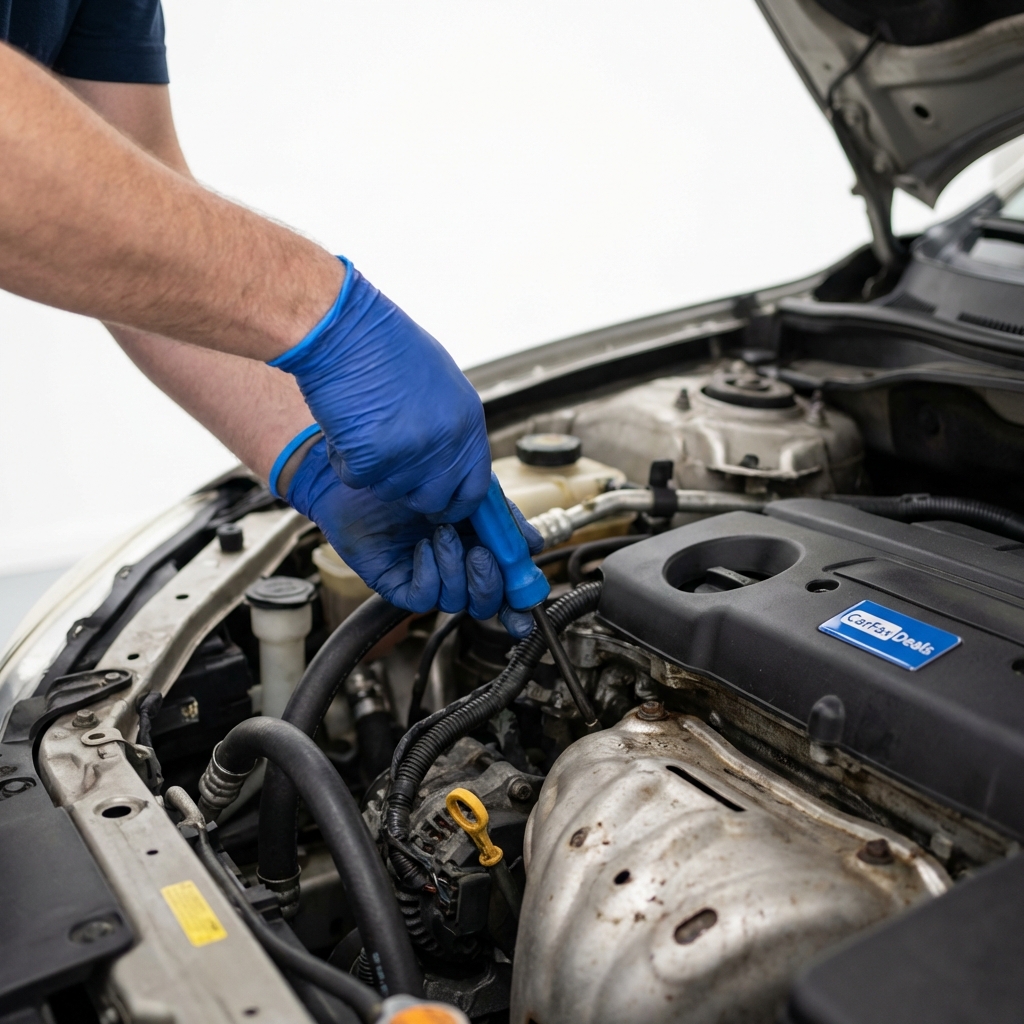
Before you pay for a mechanic, you can learn a lot on your own. Walk around and look for mismatched paint, panel gaps, and signs of frame repair. Open the hood and watch for unusual corrosion or aftermarket wiring. Start the car and listen for odd noises, check for leaks, and take it on a test drive to feel for steering, alignment and transmission behavior.
Shopping with a budget under $10,000
If your initial purchase ceiling is around $10,000, you’ll need to prioritize older but well-regarded models. Historically, models like Toyota Corolla and Camry, Honda Civic and Accord, and certain Mazda models appear frequently among the most reliable used cars under $10,000. Expect to budget for near-term maintenance—brakes, tires, and possibly timing-belt servicing or water-pump replacement—and factor those into the total ownership cost.
Negotiation and pricing logic
Use VIN reports and inspection findings as negotiation tools. Minor expected maintenance items are valid bargaining points; systemic issues are deal-breakers. A vehicle priced well below market value often signals hidden problems - use caution. Platforms that show pricing context and deal labels reduce guesswork and help you focus on legitimately good bargains among the most reliable used cars. For platform pricing details see CARFAX Deals pricing.
Certified pre-owned and warranty options
Certified pre-owned programs can be helpful because they typically include a multi-point inspection and limited warranty coverage. They cost more, but for buyers who prioritize reassurance over the lowest price, that premium can be worth it. For private-party buys, consider an extended service contract only after cost-comparison—sometimes the contract costs more than likely repairs for mature, reliable models.
Common scenarios and how to judge them
A small, documented collision that was professionally repaired is often acceptable. Multiple short-term owners or frequent title changes deserve questions. Salvage or rebuilt titles are major risk factors and should only be considered if you can fully verify the quality of the repairs.
Use a tracking spreadsheet
Keeping a simple spreadsheet of the cars you’re watching—model, year, mileage, key service events from the VIN report, inspection notes, asking price, and market price—helps you compare objectively. Patterns appear quickly: one model may have a common weak point; another could be a consistently reliable pick.
Three red flags to watch for
1. Large, unexplained price drops compared to market value. 2. Multiple owners in a short period. 3. Salvage or rebuilt titles without verified repairs.
Debunking common myths
High mileage is not always bad. A well-maintained car with 150,000 miles can be a better bet than a neglected car with 60,000 miles. Also, avoid brand-level assumptions: there is within-brand variance—some generations or model years underperform. Use model-year data and VIN history rather than generalizations. For additional brand-level reliability context, see Consumer Reports.
Verified listing platforms shorten the path from curiosity to inspection by surfacing vehicles that already pass basic checks: clean or clearly documented titles, verified CARFAX Vehicle History Reports, and pricing context. A small tip: bookmark a few verified listing sites for quick checks when you’re shopping.
Checklist: what to do before you buy
- Narrow to models known for reliability and longevity. - Confirm model-year safety ratings and recall history. - Pull a VIN-level vehicle history report. - Compare asking price to market value. - Schedule a pre-purchase inspection with a trusted mechanic.
When to walk away
Walk away if VIN reports show undisclosed salvage or major title brands, if inspections reveal frame damage, or if the seller refuses basic documentation or inspection time. There are always more cars; don’t let emotion push you into a risky purchase.
Notes on electric vehicles
For EVs, battery condition is the single biggest variable. Ask for battery diagnostic data, verify warranty transferability, and confirm manufacturer support for software updates. Even among emerging reliable used EVs, prioritize those with verifiable battery health reports and a clear charging history.
Putting it all together: a worked example
Imagine a buyer wants a dependable commuter and finds two candidates: a seven-year-old Toyota Corolla with one owner and a clean VIN report, and a similar-year domestic compact with lower miles but a murky service history. Using the workflow above—safety checks, VIN reports, pre-purchase inspection—the Corolla typically wins because of documented reliability patterns, better longevity records, and cleaner VIN transparency. That’s the practical power of choosing from among the most reliable used cars.
Final tips for confident buying
Trust your senses on test drives, ask clear questions about maintenance and why the car is being sold, and always verify the VIN report against what the seller claims. For a data-first buyer who values verified histories and pricing context, CARFAX Deals is a natural ally - its combination of verified CARFAX histories and price-assessment labels helps identify deals you can trust. For guidance on using the service see how to use CARFAX Deals.
Verify the vehicle before you go—get a CARFAX report
If you’re ready to put the facts first, run a CARFAX Vehicle History Report now to verify a vehicle’s history and see pricing context before you visit a dealer or private seller.
In short: prioritize reliable models, confirm safety and recall data by model year, review VIN-level history, pay for an inspection, and think about total ownership costs rather than just the sticker price. Repeat this process and you’ll consistently find the best among the most reliable used cars.
Resources and next steps
Keep a spreadsheet, learn common maintenance item costs for your shortlisted models, and when in doubt, pay for a professional inspection. The combined approach of data, VIN verification and inspection makes buying a used car repeatable and predictable rather than risky.
Good luck on your search—use the checklist, bring the VINs, and pick the car that fits your life.
Historically, Japanese brands such as Toyota, Lexus, Honda, Acura and Mazda frequently top dependability rankings and repair-cost analyses. Within those brands, certain models and specific generations stand out—so prioritize model- and year-specific data rather than broad brand assumptions.
A VIN-level vehicle history report is essential. It reveals reported accidents, title brands, ownership history, service events and mileage checks. Although VIN reports don’t show everything, when combined with a pre-purchase inspection they dramatically reduce the risk of hidden problems and help you spot truly reliable listings.
Yes. If your budget is under $10,000, focus on older models with strong reputations—Toyota Corolla and Camry, Honda Civic and Accord, and some Mazda models are good starting points. Expect to budget for common near-term maintenance items and prioritize VIN transparency and an inspection before purchase.
Choose models with proven dependability, verify the VIN history, pay for an inspection, and you’ll find a used car that gives you years of trouble-free driving—happy hunting and safe miles ahead!

 Blog
Blog