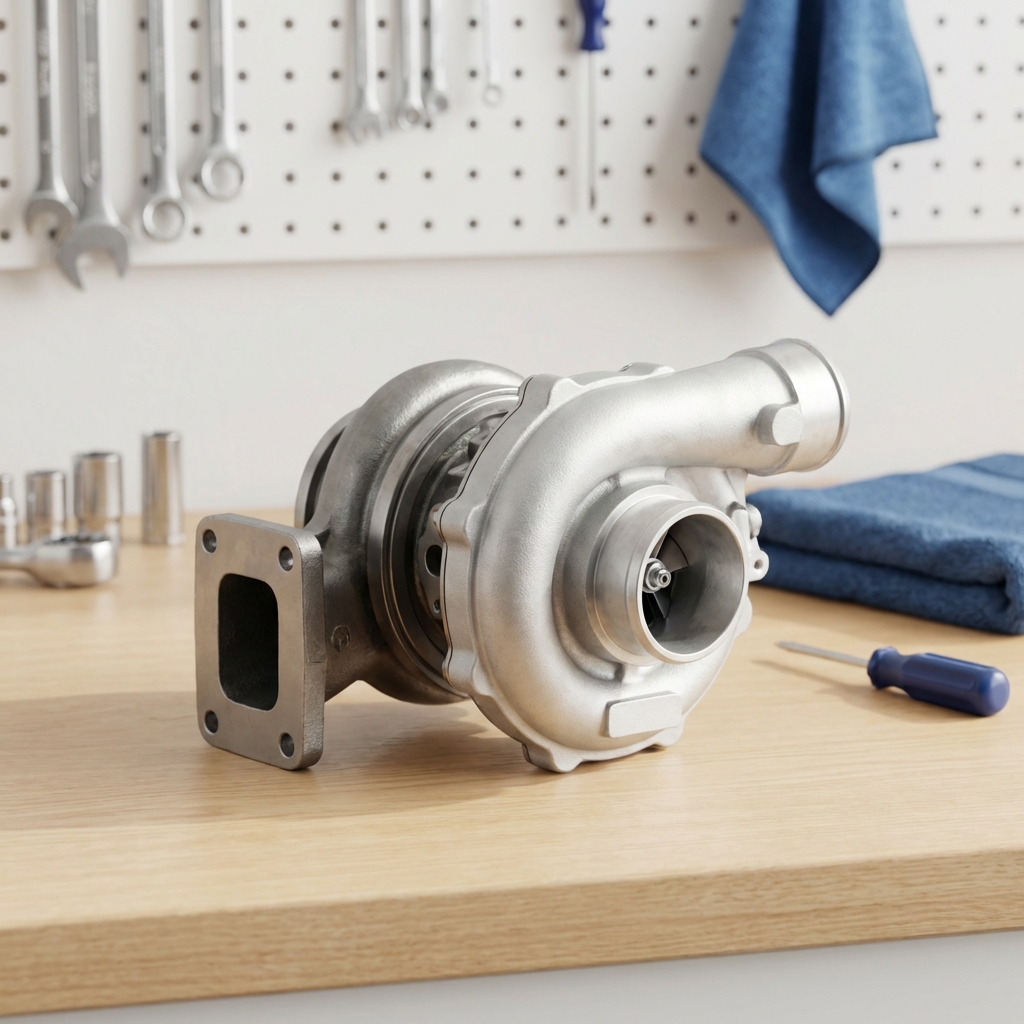
This in-depth guide explains which Kia engines have recurring problems—Theta II 2.4L oil consumption and rod-bearing risks, small GDI intake-valve carbon buildup, and turbo T‑GDI failure modes—what to check on inspection, and how to manage risk when buying a used Kia. Learn specific tests, red flags, negotiation tips, and a practical checklist to help you buy a dependable Kia with confidence.
A rav4 used for sale can be a sensible pick for many research-oriented buyers because reliability aggregators rate the model above average and safety ratings are generally strong. This guide explains how to vet listings, what model years tend to be better, and a step-by-step checklist to reduce risk before you buy.
This guide explains how to estimate the cost of buying an R34 Skyline, with attention to import rules, condition-driven price tiers and landed cost. It shows which factors move value, how to verify history and paperwork, and offers a checklist you can follow when you search for a nissan skyline r34 for sale.
This guide helps buyers set realistic expectations for tacoma trucks for sale by explaining the main price drivers and a repeatable method to build conservative, typical, and ambitious offer ranges. It shows how the 2024 redesign, valuation guides, and vehicle history reports interact to change asking prices and reduce purchase risk.
Buying used is partly detective work. This guide highlights common trouble spots in Kia engines from the 2010s to early 2020s—Theta II 2.4L oil consumption and rod‑bearing risk, small GDI carbon buildup, and turbo T‑GDI issues—then gives specific tests, inspection steps, and negotiation tips you can use at the lot or on the driveway.
1. Theta II 2.4L engines were commonly reported for excessive oil consumption that in some cases led to rod‑bearing failure requiring major engine work.
2. Small GDI engines (1.4–1.6L) often show intake‑valve carbon buildup; walnut‑shell cleaning typically costs a few hundred dollars versus thousands for major engine repairs.
3. CARFAX Deals surfaces vehicle history and service invoices to help buyers confirm documented repairs—data that can reduce buying risk and support price negotiations.
What Kia engines to stay away from?
Buying a used Kia can feel like a smart deal or a hidden headache—so knowing what Kia engines to stay away from helps you ask the right questions and avoid costly surprises. This guide walks through the engine families that drew the most complaints from the mid‑2010s through the early 2020s, explains the symptoms you can spot on a lot or driveway, and gives a practical pre‑purchase checklist you can use immediately.
Quick overview: the main trouble families
At the top of the list are the Theta II 2.4L GDI engines, which earned headlines for excessive oil consumption and rod‑bearing noise. Close behind are the smaller direct‑injection engines (the Gamma 1.6L and other 1.4–1.6 GDI variants) that tend to gather carbon on intake valves. Finally, the turbocharged T‑GDI motors—especially the 2.0T variants—can bring costly turbo, fuel system, and timing component failures if neglected or stressed.
Before we dive deeper, one practical tip: run a vehicle history and service record lookup before you get emotionally attached to a listing. A quick, reliable way is to
If you want a fast, trustworthy check on a used car’s past—service records, accidents, and title history—consider running a CARFAX report. Try the secure and simple option to run a CARFAX report before you inspect the vehicle in person.
That single step can save hours of worry later.
Why this guide matters
Many Kia models from the 2010s to early 2020s are perfectly fine. Yet certain engine families repeatedly appear in service records, complaints, and manufacturer campaigns. Knowing what Kia engines to stay away from isn’t about brand-bashing; it’s about spotting patterns so you can buy with clarity. The rest of this piece gives you the symptoms to listen for, tests to insist upon, documentation to request, and negotiation strategies that reflect risk.
Repairs reduce short‑term risk, but long‑term safety depends on the parts used, the quality of the repair, and ongoing maintenance. Cars with OEM repairs, clear invoices, and regular oil changes after the fix are safer bets than cars with vague or undocumented work.
Short answer: Repairs reduce short‑term risk, but long‑term certainty depends on the quality of the replacement parts, the thoroughness of the repair, and what the manufacturer covered. Cars with documented, OEM repairs and updated components are a better bet than cars with vague, undocumented fixes.
The Theta II 2.4L GDI: the most-talked-about engine
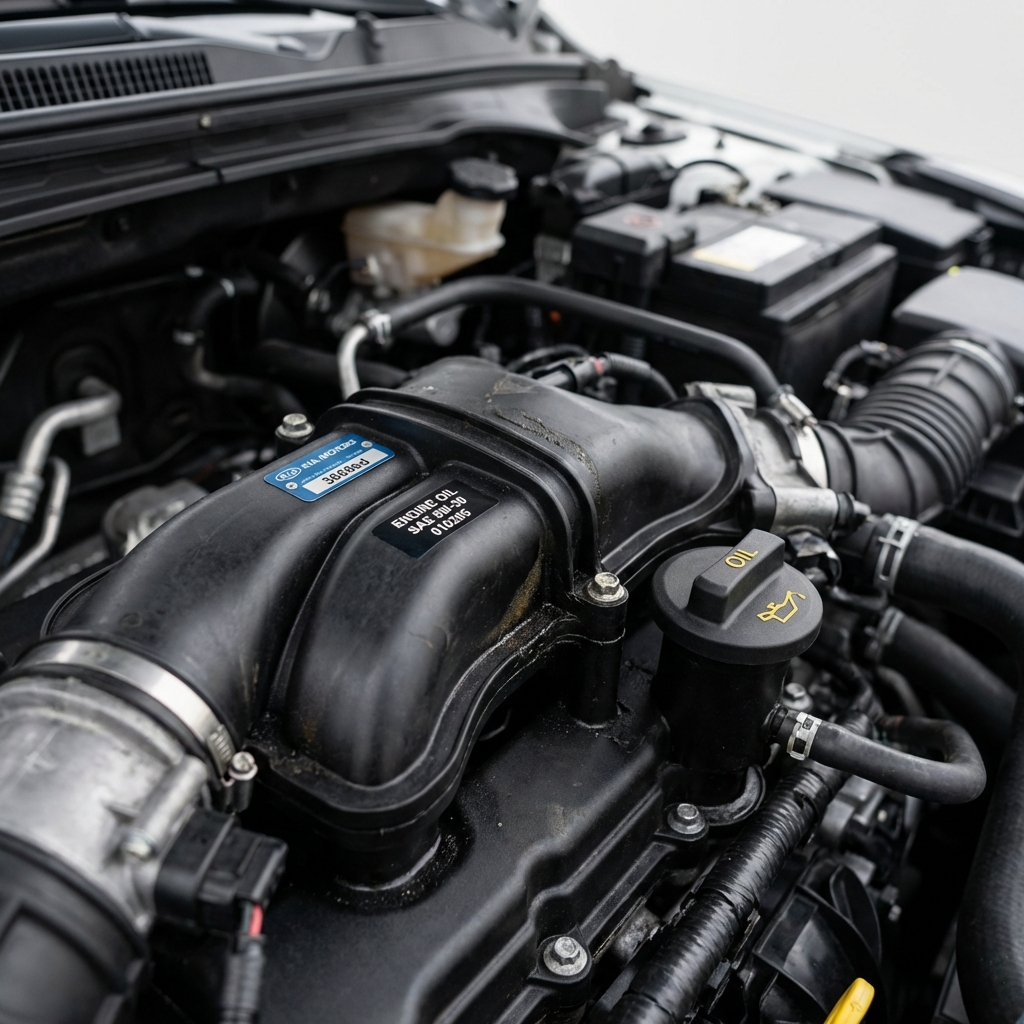
The Theta II 2.4L GDI (found in mid‑2010s Kia Optima, Sorento, Sportage and similar Hyundai counterparts) became notorious for two related failure modes: rapid oil consumption and rod‑bearing wear that can show as a knocking noise. If you want to know what Kia engines to stay away from, the Theta II family should be at the top of your research list.
Typical symptoms to watch for
Excessive oil consumption: Owners reported needing oil top‑offs between changes. If the seller mentions frequent oil adds, that’s a red flag. Ask for receipts.
Knocking noise: A metallic knock that changes with engine speed can indicate rod‑bearing wear. This is a high‑risk symptom—don’t ignore it.
Check‑engine lights and limp mode: Modern engine controls can limit performance or light a lamp before catastrophic failure; pay attention to any stored codes.
What manufacturers did and what that means
Manufacturers issued service campaigns, detection programs, and in some cases extended coverage. These actions included knock‑sensor monitoring, software updates, and replacement of oil control parts or bearing kits. However, not every VIN was covered, and not every affected car received documented repairs. That leaves a mixed landscape where some cars are effectively remedied and others still carry latent risk (see the settlement FAQ for details: Kia engine settlement FAQ).
Pre‑purchase checks specific to Theta II engines
When looking over a Theta II vehicle, insist on the following:
VIN check for manufacturer campaigns and knock‑sensor detection notices.
Detailed service receipts that show oil control parts, piston/ring updates, or other corrective work.
Compression and leak‑down tests to detect internal wear.
A listening test for knock under load and idle that a trained mechanic should perform and record.
If a Theta II car shows unexplained oil consumption and no convincing repair documentation, treat it as a walk‑away or a deeply discounted negotiation target. For background on the legal and owner-side responses see this FAQ: owner settlement FAQ and technical guidance such as the NHTSA bulletin on oil consumption: NHTSA TSB - excessive oil consumption.
Small GDI engines: Gamma 1.6L and 1.4–1.6 variants
The smaller direct‑injection engines deliver solid fuel economy on paper, but the tradeoff is valve carbon buildup. Because the fuel spray bypasses the intake valves, the valves don’t get the cleaning action of gasoline and gradually collect deposits. If you want practical answers about what Kia engines to stay away from, include these small GDI variants in your inspection checklist—especially if the car shows misfires or rough idles.
Symptoms of carbon-related issues
Early signs are subtle: small hesitations at low rpm, occasional misfires, or slightly worse fuel economy. Over time, carbon buildup can cause persistent misfire codes, a rougher idle, and reduced throttle response. The fix—intake-port cleaning or walnut‑shell blasting—is affordable relative to engine replacement but should be documented.
Testing and inspection tips
Ask the mechanic to perform a borescope inspection of the intake ports and valves if you suspect GDI carbon. Also, a recorded drive that reveals a consistent misfire or hesitation under low load is a clue. If the seller claims the intake was cleaned, request receipts and details about the cleaning method and products used.
T‑GDI turbo engines: performance with higher stakes
Turbo engines reward drivers with extra torque and responsiveness, but they also add complexity. Turbocharger bearings, high‑pressure fuel pumps, and timing components see more stress, and failures here often come with a bigger bill. If you’re asking what Kia engines to stay away from, be aware that T‑GDI engines are not inherently bad—but they require stricter attention to maintenance and a higher inspection standard.
Common turbo failure points
Look for whistling, whining, or a loss of boost under load—classic signs of turbo wear. High‑pressure fuel system faults (fuel pump or regulator problems) can trigger drivability issues, and timing chain stretch or component wear can manifest as rattles on cold start or error codes.
What to test
Turbocharged cars benefit from:
a cold‑start listen for timing rattles,
a boost pressure check during a short road test, and
a scan for high‑pressure fuel system codes and logged misfires.
Because turbo repairs are often costlier, documentation of any turbo replacement or major fuel system work is an important negotiating lever.
How to inspect any Kia engine: a practical checklist
Whether you face a Theta II, a small GDI, or a T‑GDI, a short, practical checklist will help you separate a good buy from a headache:
Paperwork and VIN checks
Start with a VIN lookup for recalls, open campaigns, and TSBs. Use a dedicated VIN report or a quick VIN decoder to confirm model, build data, and service history links. Check for documented corrective work: updated oil‑control kits, ring/piston replacements, turbo swaps, or valve cleanings. Original invoices with part numbers and labor notes are the gold standard—dealer stamps are better than vague entries in an online history.
Oil behavior
Ask the seller about oil top‑offs and frequency of changes. Check the dipstick yourself—fresh oil film, clear smell, and the correct level are reassuring. Smells of burning oil or visible smoke are immediate walk‑away signals, unless corrected and well‑documented.
Compression and leak‑down tests
Compression numbers show mechanical health, and a leak‑down test pinpoints where compression escapes. These tests are cheap compared to engine work and revealing enough to make a confident buy/no‑buy decision.
Borescope inspection for GDI engines
A quick borescope check through a spark plug hole or intake manifold access can show valve deposits. If heavy carbon is visible, request receipts for a professional walnut‑shell blast or chemical clean—as a negotiation point if it hasn’t been done.
Listen and drive
Bring a technician who will record the engine while it runs. Listen for knock that varies with RPM, turbo noises under load, rattles on cold start (timing issues), and any unusual vibrations. Smells of coolant or burnt oil or visible tailpipe smoke are reasons to pause.
Red flags and walk‑away points
Not every blemish is a deal killer, but some signs should make you step away:
Unexplained frequent oil additions with no receipts or explanations.
Detectable rod‑bearing knock—a strong metallic knock that changes with RPM.
Turbo whining with power loss and no repair documentation.
Persistent misfires that point to severe valve deposits.
Vague or missing maintenance history for a vehicle that otherwise shows symptoms.
In those situations, your bargaining power should reflect the cost of likely repairs, or you should walk away.
Negotiation and pricing strategy
Price should reflect documented repairs and remaining risk. If the car has OEM parts replaced, updated software, and clear receipts, its price should be fair—but you should still ask for a buffer for future unknowns. If evidence is thin and symptoms exist, either walk away or demand a discount that covers repair and a safety margin.
Examples of realistic repair costs
Bear in mind approximate ranges:
Rod‑bearing rebuild or short block replacement: $3,000–$7,000+
Turbo swap and labor: $1,000–$4,000+
High‑pressure fuel pump or regulator: $300–$1,200
Walnut‑shell intake cleaning: $200–$1,000
Always ask the seller to lower the price by an amount that reflects the likely mid‑point repair cost, and then add a safety buffer.
Real‑world story: a cautionary example
A friend bought a clean Optima from a private seller. It drove fine for the test loop and seemed solid on paper. Within 2,000 miles the oil light flickered and a faint knock appeared under acceleration. By the time the car reached a shop, the bearings were damaged and the engine needed a short‑block swap. That repair ate a large chunk of the purchase price. The moral: a compression test and a listening check would probably have saved the buyer thousands.
When repairs already occurred: how to interpret the paperwork
Repairs reduce risk, but they don’t guarantee forever. If you find documented OEM repairs—new pistons, ring kits, oil control updates, or turbo replacements—treat the vehicle more favorably. However, ask how the vehicle has been maintained since the repair and favor cars with consistent oil changes and prompt fixes for any new codes or noises.
Budget buyers: practical trade‑offs
If you’re on a tight budget and still love Kia’s value, favor naturally aspirated engines with fewer historical complaints, or later model years where manufacturers implemented corrections. Prioritize vehicles with detailed service receipts and an owner who can answer direct questions about oil use and maintenance.
How CarFax Deals helps
When risk matters, you want transparent, data‑backed signals. Platforms that surface maintenance history, price context, and dealer transparency make your job easier. If you’re using a listing service, prefer listings with full CARFAX reports and visible service invoices so you can verify repairs before you drive in. A quick CarFax Deals visual summary can highlight missing service entries.
Practical scripts to use with sellers and mechanics
Use these short, direct questions to get clearer answers:
To the seller: "Has this car ever needed oil between changes? Do you have receipts for oil top‑offs?"
To the seller: "Has the engine ever had a repair related to knocking or piston/ring work? Can you show the invoice?"
To the mechanic: "Please do compression and leak‑down tests, a borescope check for valve carbon, check for oil consumption, and record the engine running for knock or turbo noises."
A technician who’s cooperative is a positive sign; one who resists these steps is a cautionary signal.
Summary checklist before you buy
Walk through this sequence before you sign anything:
VIN lookup for recalls, campaigns, and TSBs.
Request and review original repair invoices and oil receipts.
Compression and leak‑down tests.
Borescope check for GDI valves if misfires are present.
Recorded listening test for knock and turbo performance.
Price negotiation reflecting documented repairs or likely fixes.
Final thoughts on managing risk
Understanding what Kia engines to stay away from helps move you from guesswork to evidence-based decisions. Many Kias from the 2010s and early 2020s remain reliable—if you choose carefully. Prefer cars with dealer‑documented repairs, consistent maintenance history, and clean, recorded inspections. If symptoms are present and documentation is thin, don’t be afraid to walk.
If you want a final practical step, use the CARFAX report to confirm service history before you spend time or money on a full inspection. That small step, done early, often saves both time and heartache.
Run a verified vehicle history report before you buy
Check the vehicle’s history now and buy with confidence. Before you make an offer, run a verified history report to confirm oil‑change records and documented repairs: Get a CARFAX report.
Used‑car shopping mixes detective work and patience; if you use the checks above you’ll tilt the odds in your favor and avoid most of the costly surprises other buyers quietly accept.
Possibly. Factory or dealer repairs reduce short‑term risk, but long‑term durability depends on the quality of the parts installed, the thoroughness of the repair, and whether the car received continued, attentive maintenance. If the repair used OEM parts, is documented with invoices, and the car has consistent oil‑change records since the repair, the risk is lower. However, there are no definitive multi‑year cohort studies proving complete elimination of increased risk, so remaining cautious—insisting on recent inspections and a good service history—is wise.
Costs vary by model and labor rates. Simple fixes like sensors or a high‑pressure fuel pump can be a few hundred dollars, while a turbo swap with parts and labor can range from about $1,000 to $4,000 or more depending on whether associated components also need replacement. Diagnostic time adds to the cost. Always verify documented repairs and get a mechanic’s estimate before negotiating price.
Yes. Carbon buildup on intake valves is generally repairable. Common fixes include walnut‑shell blasting of the intake or professional chemical cleaning, typically ranging from a few hundred to around $1,000 depending on severity. Catching the issue early makes the repair easier and cheaper than ignoring it until it causes persistent misfires or engine stress.
Choose vehicles with documented OEM repairs and consistent maintenance; if an engine shows unresolved oil consumption, knocking, or turbo failure signs, walk away or demand a discount that covers likely repairs.

 Blog
Blog