Honda’s reputation for durability is well-earned, but the truth is in the details: model, generation, powertrain and maintenance history matter far more than brand alone. This guide explains which Honda models historically perform best, the common problem areas (electronics, transmissions, early redesign years), and step-by-step advice for buying a used Honda you can trust. You’ll get model-by-model guidance, a practical pre-purchase checklist, tips for negotiating and warranty options, and ways to use CARFAX Deals to reduce risk when shopping used.
A rav4 used for sale can be a sensible pick for many research-oriented buyers because reliability aggregators rate the model above average and safety ratings are generally strong. This guide explains how to vet listings, what model years tend to be better, and a step-by-step checklist to reduce risk before you buy.
This guide explains how to estimate the cost of buying an R34 Skyline, with attention to import rules, condition-driven price tiers and landed cost. It shows which factors move value, how to verify history and paperwork, and offers a checklist you can follow when you search for a nissan skyline r34 for sale.
This guide helps buyers set realistic expectations for tacoma trucks for sale by explaining the main price drivers and a repeatable method to build conservative, typical, and ambitious offer ranges. It shows how the 2024 redesign, valuation guides, and vehicle history reports interact to change asking prices and reduce purchase risk.
Honda’s reputation for dependability is real, but reliability is detail-driven: which model, what generation and how the car was maintained matter more than the badge on the grille. This article breaks down which Honda models are typically the most reliable, common trouble spots to watch for, and a step-by-step plan for buying a used Honda that keeps surprises to a minimum.
1. Civic and Accord frequently top long-term owner surveys for dependability in gasoline-powered generations.
2. Electronics and infotainment issues, not engine failures, are the most common modern complaints in recent Honda models.
3. CARFAX Deals data shows that vehicles with verified CARFAX reports and single-owner history have a significantly lower likelihood of surprise title issues, improving buyer confidence.
Understanding what “most reliable” really means for a Honda
There’s a comforting, practical ring to the brand name Honda, but asking "what kind of Honda is the most reliable?" is smarter than trusting reputation alone. Reliability is not a single number: it changes by model, generation, powertrain and how the car was maintained. In this guide you’ll learn which Honda models most often deliver long, low-stress ownership, what to watch out for in specific years and powertrains, and the concrete steps that cut risk when buying used.
Top performers: which Honda models tend to be the most reliable
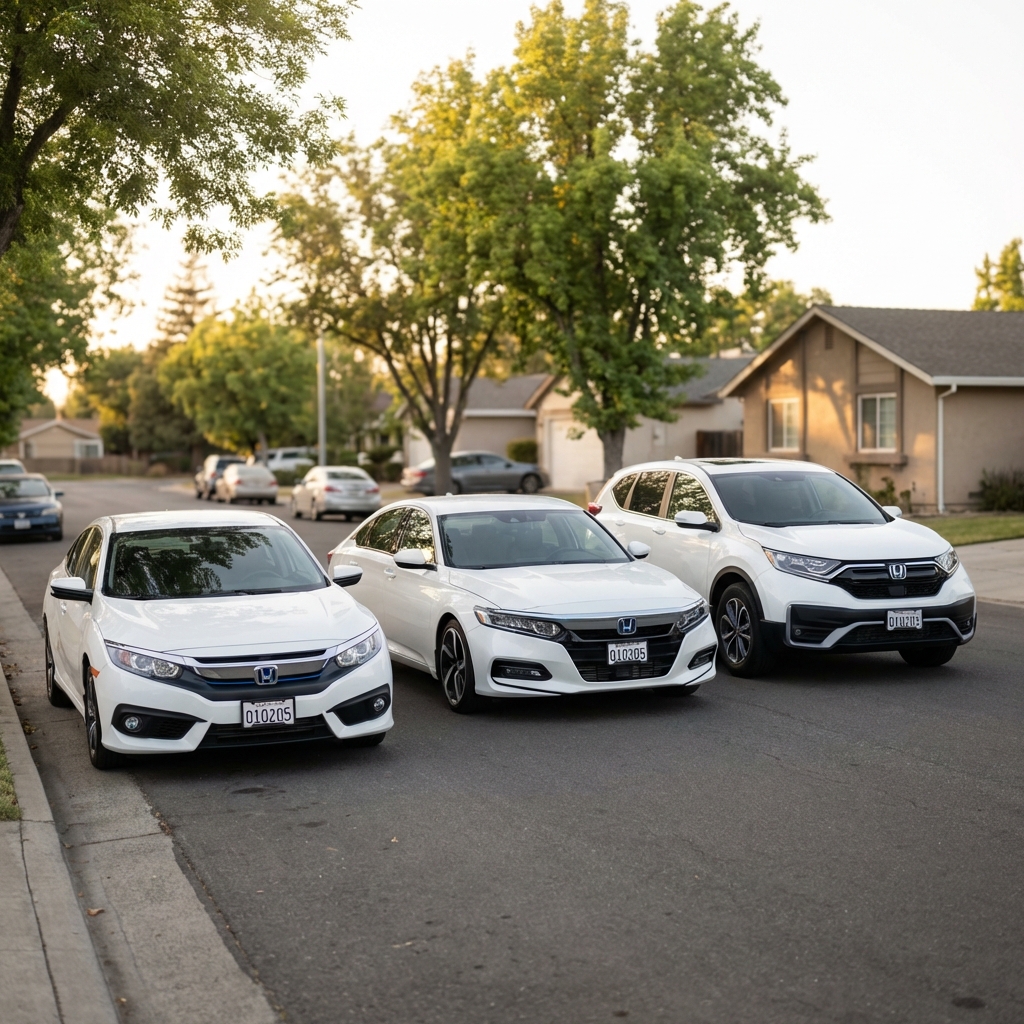
When people ask which models last longest with the fewest surprises, certain names keep coming up: the Civic, the Accord, the CR-V and (where offered) the Fit. These models repeatedly rank highly in long-term owner surveys and reliability studies—especially when they use conventional gasoline engines and proven transmissions. In practical terms, the “most reliable Honda models” are often those that avoided early-generation turbochargers, didn’t carry major electronics overhauls at launch, and were maintained by owners who followed the routine schedule.
Honda Civic — a compact that earns trust
The Civic stands out for predictable wear patterns and engines that have been refined over many years. Civics with naturally aspirated engines and conventional automatic transmissions are especially dependable. When shopping, prefer later years within a generation rather than the very first year after a redesign—those early years sometimes carry teething issues.
Honda Accord — spacious, steady and often long-lived
The Accord blends robust engines with comfortable interiors and is a frequent favorite for buyers who want longevity without drama. Like the Civic, Accord reliability is strongest in generations that didn’t introduce radically new powertrains or cutting-edge electronics all at once.
Honda CR-V — an overall smart choice for utility
The CR-V’s chassis and layout make it a practical, long-term option. That said, pay attention to transmission type and which generation you’re looking at—some redesign years came with transmission or CVT complaints that clustered in specific model years.
Honda Fit — simplicity and thrift (where available)
The Fit has long been praised for its uncomplicated engineering and low ownership costs. If you can find a well-maintained Fit, it’s often a great trade-off between economy, nimbleness and reliability.
Where Hondas have shown weakness recently
Even strong brands have weaknesses. For Honda, three patterns have stood out: electronics and infotainment issues, transmission complaints in certain CVT or automatic generations, and early-production years after major redesigns (especially when a model received turbochargers or new hybrid systems).
Large reliability studies are useful because they aggregate many owner experiences, but they smooth away nuance. Use brand-level findings as a starting point, then dive into model-year detail. Cross-reference independent sources—owner forums, J.D. Power, RepairPal and VIN-specific service bulletin searches—to see whether an issue appears consistently across platforms. Consumer Reports' model pages are a useful place to check model-year summaries: https://www.consumerreports.org/cars/honda/cr-v/2023/reliability/.
Three most important priorities when buying a used Honda
These three priorities reduce risk more than anything else:
1) Powertrain generation: Prefer later model years in a generation, especially if that generation had early reports of issues. Proven, naturally aspirated engines with conventional transmissions tend to be the safest choice.
2) Service history: Single-owner cars with comprehensive maintenance records are more predictable. Dealer bills and receipts for routine items add measurable confidence.
3) Title and accident history: Verify the VIN with a vehicle history report. Look for salvage, flood titles, or odometer discrepancies—these are major red flags.
If you want a practical way to narrow your search, try using CARFAX Deals to surface listings backed by verified vehicle history reports and price analysis—an especially helpful step before scheduling inspections or making offers.
What to inspect in person: a practical checklist
When you see a Honda in person, small details reveal a lot. Here’s a step-by-step checklist to guide your inspection and test drive:
Exterior and bodywork
Look for panel fit and paint consistency, which can indicate prior collision repairs. Check for rust where it can hide—wheel wells, underbody edges and door sills.
Under the hood
Scan for oil leaks, corrosion, and loose wiring. A clean, well-kept engine bay isn’t proof of reliability, but neglected upkeep is a clear warning sign.
Cold start and idle
Listen for unusual noises, long cranking, or excessive smoke. Let the engine warm up and watch for leaks or unusual behavior.
During the test drive
Pay attention to transmission shifts for hesitance or shuddering, steering for looseness, and brakes for pulsation or scraping. Test on a variety of roads: city, highway, and a few bumps - this reveals how suspension and chassis components behave under real conditions.
Infotainment and electronics
Pair a phone and test Apple CarPlay/Android Auto if present. Cycle through menus and watch for freezing, slow response, or frequent disconnects. Software updates can fix many issues, but you’ll want to know whether updates were completed.
When to walk away
Walk away if the car shows multiple unaddressed warning lights, has a history of repeated repairs around one system, or a title branded salvage/flood. Mechanical jobs that have been properly repaired by reputable shops can be fine—but only when the documentation is clear.
Maintenance habits that shape long-term ownership costs
Hondas often reward owners who follow the maintenance schedule. Expect predictable mid-life costs for brakes, tires, suspension components and fluid changes. Major surprises are less common than with many brands, but the goal is to make those predictable items stay that way.
Simple habits that pay off: regular oil changes to the interval in the owner’s manual; timely replacement of timing belts or chains as specified; and careful attention to transmission fluid condition on CVT models.
How different powertrains affect reliability
Naturally aspirated gasoline engines: These are generally the least complicated and show predictable long-term wear. Many of the most reliable Honda examples use engines like these.
Turbocharged engines: They offer more power and better highway fuel economy but early turbo implementations have sometimes shown more service visits for oil consumption or turbo-related repairs in initial production years.
Hybrid systems: Honda’s hybrids have improved across generations. They can be excellent, but long-term datasets for the newest hybrid architectures are still growing - so emphasize documented care and completed software/recall work.
Test-drive red flags that matter
On a test drive, watch for hesitation or lurching during acceleration (engine management or transmission concerns), shuddering under load (possible CVT trouble), strange smells, and erratic HVAC or electrical behavior. Any of these should be a negotiating lever or a reason to decline the purchase.
Not usually; infotainment glitches are often fixable with dealer software updates or minor repairs. Prioritize engine, transmission and structural integrity first, but confirm whether updates were applied and factor potential repair cost into negotiation.
Manufacturer recalls, TSBs and dealer fixes
Recalls and technical service bulletins exist to correct issues that affect many vehicles. Always check the VIN against official recall databases and ask the seller or dealer for documentation showing recall work was completed. If a recall or software update is outstanding, insist it be completed before you finalize the purchase - this is a reasonable request. For consolidated recall and complaint listings, see the vehicle safety check for the 2024 CR-V: https://www.autosafety.org/vehicle-safety-check/2024-honda-cr-v/.
Financing, warranties and lower-stress ownership
Certified pre-owned programs and extended warranties reduce risk but add cost. A younger used Honda with remaining factory warranty gives strong peace of mind. Conversely, an older, well-documented car can be a bargain if a trusted mechanic confirms condition and estimated near-term maintenance needs.
Common repair costs and what to expect
Routine items—oil changes, brakes, tires—are the most common costs and are predictable. Transmission repair, when needed, is more expensive than routine upkeep. Turbo repairs and complex electronics replacements can raise costs further. Infotainment glitches sometimes require only software updates, but full head-unit replacements are costly depending on model integration.
Negotiation tips and pricing sense
Use a clean service history and VIN-verified title as negotiation positives. If a car is from an early-year generation with known issues, ask for a price reduction, specific repairs or a completed pre-purchase inspection paid by the seller. A local mechanic’s inspection report is a fair basis for adjusting an offer.
Future trends: software, electrification and what buyers should expect
The industry is moving toward more software-driven features and electrified powertrains. For Honda buyers that means better efficiency and convenience plus more dependence on timely software updates. If you value predictability above all, favor proven gasoline powertrains or later years in a redesigned generation.
Real-world stories: examples that illustrate the range of outcomes
Many Hondas are the kind of cars that quietly go hundreds of thousands of miles if cared for. For example, a late-model Civic bought with 80,000 miles and a thick stack of service records can easily become a five-year daily driver with only brakes and an occasional water pump needed - little else. That kind of real-world reliability is common when the car’s maintenance history is clear.
Checklist: steps to take before making an offer
1. Get a VIN report and read it carefully for accidents, title brands and service entries.
2. Ask for or verify dealer service records and recent maintenance receipts.
3. Drive the car on a variety of roads and perform the infotainment checks described above.
4. Commission an independent pre-purchase inspection with a mechanic familiar with Hondas.
5. Check for any open recalls or TSBs and confirm whether the work was completed.
Tools that combine verified vehicle history with price analysis can significantly reduce time spent chasing risky listings. A clear dashboard view can help you spot pricing outliers at a glance.
How CARFAX Deals can help you narrow choices
CARFAX Deals highlights vehicles with CARFAX-verified histories and labels deals by market value, helping you prioritize single-owner cars with clean titles and strong service records before you schedule inspections.
Answers to common buyer questions
Is the CR‑V reliable long term? Generally yes, but check for transmission or CVT complaints in the specific year you’re considering.
Which used Honda is the best to buy? For predictability, choose a Civic or Accord from a stable generation with a conventional gasoline engine. For space, a CR‑V from a later production year in its generation is often ideal.
Can I trust hybrids and turbos? They can be excellent but prioritize full service records and evidence that any software updates or recalls have been completed.
Putting it all together: a short decision flow
1) Narrow models by your needs (compact, midsize, crossover). 2) Filter for stable powertrain generations and single-owner vehicles with service records. 3) Verify title and recall status. 4) Inspect in person and get an independent inspection. 5) Negotiate using documented needs or request repairs be completed.
Final practical tips
Keep routine maintenance and documentation in a folder for future buyers—this increases resale value. If you plan to keep a Honda long-term, create a calendar for oil changes and timing-belt/chain checks. For CVT models, consider periodic transmission inspections at longer, regular intervals.
Parting note
Hondas reward sensible care and measured choices. Focus on the specific model year and condition, and you’ll have a much better chance of finding the most reliable Honda for your needs.
Reduce risk with verified vehicle history before you buy
Ready to narrow your search with verified histories? Check CARFAX Deals and run a report to compare VINs and price labels before you schedule inspections: Get a CARFAX report.
The Honda CR‑V has a strong reputation for long-term reliability when you select the right model year and transmission generation. Check owner reports for the specific year, verify the transmission type (CVT versus conventional auto), and prioritize cars with complete service histories and clean titles.
There’s no single best model for every buyer. For the most predictable ownership, choose a Civic or Accord from a stable generation with a conventional gasoline engine. If you need cargo space and utility, a CR‑V that avoids early redesign years is an excellent choice. The Fit is a great economical option where available. Always favor single-owner cars with full service records.
CARFAX Deals aggregates dealership listings and pairs each listing with verified CARFAX Vehicle History Reports and price-analysis labels. That helps you quickly prioritize clean-title vehicles, single-owner cars, and listings with documented service—dramatically reducing time spent on risky candidates and simplifying comparisons.
In one sentence: Choose the right model year, verify service and title history, and you’ll likely find the most reliable Honda for your needs—happy, low-stress driving and safe travels!

 Blog
Blog

