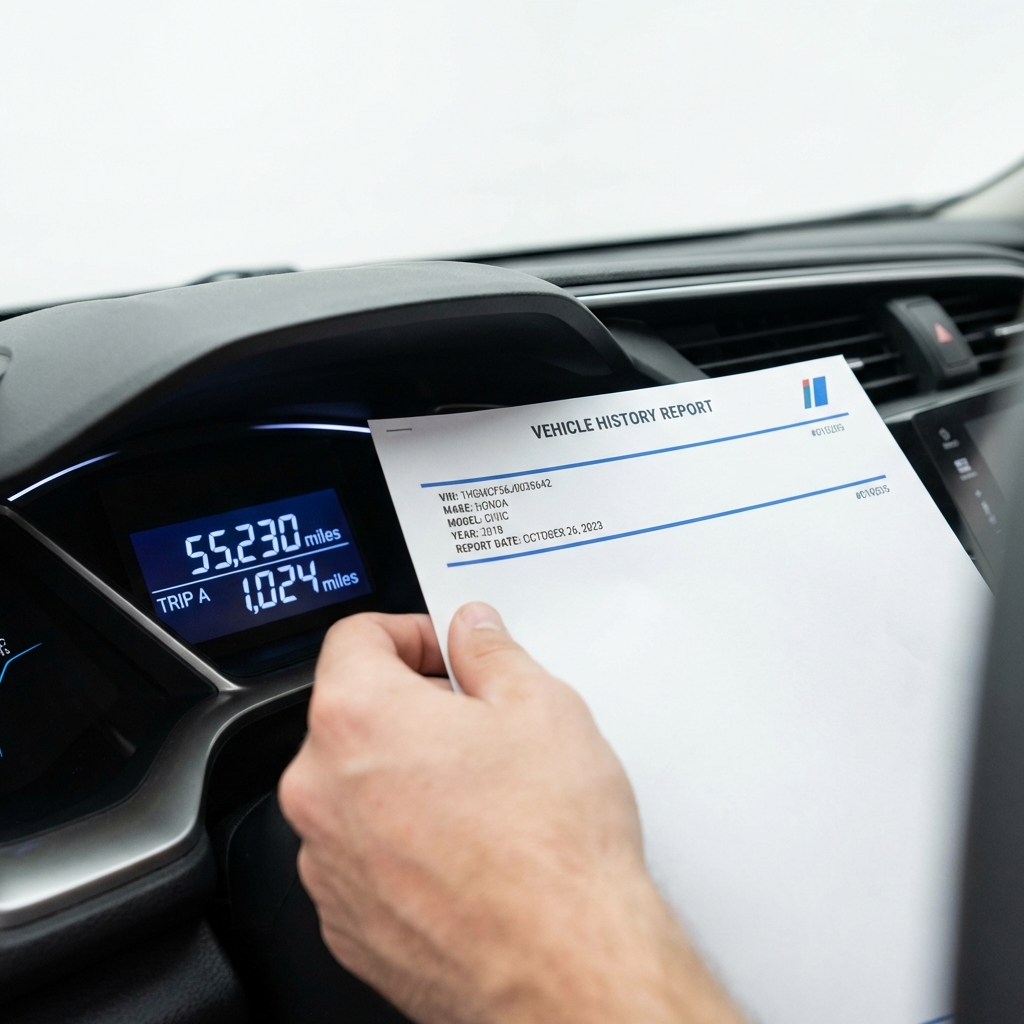
There is no single model year universally named the most reliable Honda Civic. Aggregated ratings and owner reports show reliability tends to cluster by generation, with later 10th-generation Civics (roughly 2016–2021) often scoring better in major aggregators. When looking at any honda civic used car for sale, prioritize VIN-based vehicle history reports, service records, and a pre-purchase inspection to evaluate individual risk.
A step-by-step workflow for estimating a truck's market value that centers on comparing consumer valuation tools, adjusting for mileage and condition, and checking wholesale market signals. The guide explains private-party, trade-in and dealer retail values and shows how a vehicle history report and pricing insights can change an asking price.
This guide helps research oriented buyers evaluate suv used cars for sale under $25,000 by combining safety ratings, reliability data, local pricing context, and vehicle history checks. It outlines a simple framework, a pre visit checklist, and a decision scoring worksheet so you can compare finalists before contacting a dealer. Use the steps here to narrow candidates and confirm risk signals with a vehicle history report and a pre purchase inspection.
When searching suv used cars for sale, prioritize model year, trim and powertrain before choosing a make or model. This guide explains how safety ratings, dependability studies and local pricing insights combine to produce a short list you can verify with a vehicle history report. It also provides a stepwise checklist you can use before contacting a dealer.
This guide helps research-oriented buyers evaluate which Honda Civic years tend to be more reliable and, more importantly, how to assess any honda civic used car for sale listing. It explains the evidence types behind reliability ratings and gives a practical, step-by-step checklist buyers can apply to each listing.
You will learn which generation-years commonly appear stronger in aggregator ratings, how complaint categories shift by generation, and concrete checks to run before making a purchase decision. The goal is to reduce uncertainty so you can compare listings with consistent criteria.
No single Civic year is universally accepted as the most reliable; reliability clusters by generation.
Later 10th-generation Civics (about 2016-2021) frequently score better in major aggregator ratings.
Prioritize VIN-based vehicle history reports, service records and a pre-purchase inspection for any promising listing.
Quick answer and what this guide covers (for shoppers looking at honda civic used car for sale)
Short answer: no single universally best year
Short answer: there is no single model year that all major reliability aggregators and owner-complaint databases name the most reliable Honda Civic; instead, reliability signals cluster by generation and by later-year fixes within a generation, and multiple aggregators place late 10th-generation Civics among the more reliable recent models Consumer Reports Civic page
Prioritize later 10th-generation Civics (roughly 2016-2021) as a starting point, but always verify VIN-level history, service records, recall status and get a pre-purchase inspection before deciding.
What readers will learn and how to use this guide
This guide explains how reliability is measured, which generation-years tend to perform better in aggregator ratings, and a practical checklist you can use when evaluating any honda civic used car for sale listing. It focuses on actions buyers can take, such as running a vehicle history report, checking recalls and owner complaints, and prioritizing service history evidence.
Readers will also see short scenarios that apply the checklist to real listing types, with clear next steps for each case.
How reliability is measured and why generation-level patterns matter
Types of evidence: survey scores, owner complaints, and recall records
Different data sources answer different questions: survey-based dependability studies measure owner-reported problems over time, owner-complaint aggregators collect specific failure reports, and recall databases record manufacturer-acknowledged defects and remedies. For example, the J.D. Power dependability study tracks owner-reported breakdowns to produce comparative dependability scores J.D. Power dependability study
Owner-complaint sites and the NHTSA recall search capture discrete reports and formal actions, which helps buyers spot recurring symptoms for specific model years and trims NHTSA recall search
Why generation and mid-cycle fixes change rankings
Many reliability differences show up at the generation level because engineering changes, new powertrains, or updated transmission calibrations often arrive as part of a redesign or mid-cycle refresh; later years in a generation sometimes benefit from fixes that reduce earlier problems, which is why generation-level patterns matter.
Consumer Reports and RepairPal combine owner surveys with test results and repair data to give aggregate reliability signals that often favor later iterations within a generation RepairPal Honda Civic reliability page
Which Civic model years tend to be most reliable for honda civic used car for sale shoppers
Aggregation consensus: late 10th-generation overview
Across several major aggregators, later 10th-generation Civics (approximately 2016-2021) frequently appear in higher reliability and owner-satisfaction rankings compared with many older generations, making them common recommendations for shoppers looking for a honda civic used car for sale Consumer Reports Civic page
Check the vehicle history before you inspect
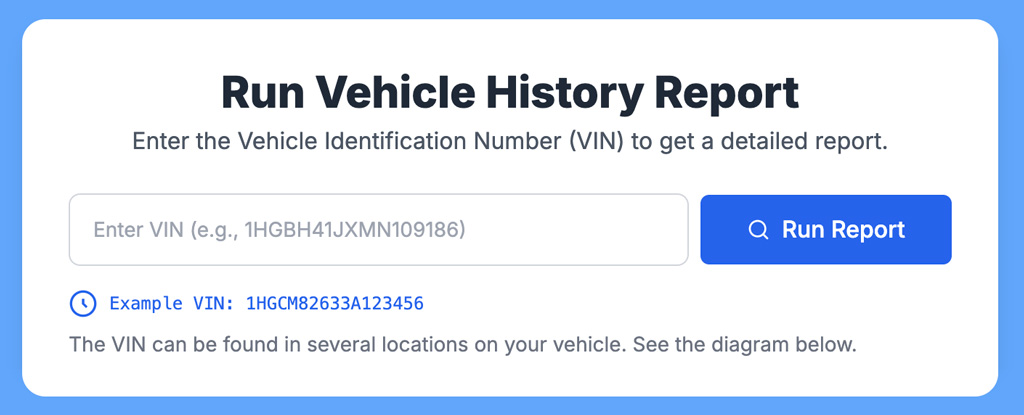
Consider running a vehicle history report on any promising listing to check title status and service records before deeper inspection.
These later 10th-generation model years tend to report fewer severe mechanical failures in aggregated owner surveys and repair databases, though the specific metric - breakdowns versus long-term ownership cost - can change how favorable the result looks RepairPal Honda Civic reliability page
Where older and newer generations diverge
Older-generation Civics can still be good buys when they have low mileage and a documented service history, but their complaint profiles differ from newer Civics; for many buyers, the condition of the specific vehicle matters more than the model year alone.
J.D. Power and industry resale notes also indicate that newer-generation Civics tend to retain value better and show stronger dependability metrics on average, but these signals should be combined with a VIN-level check before deciding J.D. Power dependability study
Common problems by generation and how they change what to look for
Powertrain and transmission complaints
Across sources, powertrain complaints are a recurring category; some generations and specific trims report more engine or transmission issues than others, so confirm the exact powertrain when comparing listings.
Owner-complaint aggregators highlight that transmission and engine problems are common complaint areas and that prevalence shifts by generation, which is why you should check model-year complaint pages for symptoms tied to the candidate vehicle CarComplaints Civic page
Electrical and infotainment issues
Electrical and infotainment failures appear frequently in owner reports for certain years; these can be less severe mechanically but costly to diagnose and repair, so inspect infotainment behavior during test drives and ask for service notes documenting recurring fixes.
Repair databases and aggregated ratings note that electrical complaints are a prominent category and often surface differently across generations, so match symptoms you find in a listing to owner reports for that year RepairPal Honda Civic reliability page
Accessory systems and region-specific issues
Accessory items and climate-related issues, such as corrosion in salty regions, can change expected maintenance needs; these geographic factors may make an older, well-serviced Civic a better buy than a newer car with incomplete service records.
When a listing lacks clear service history, check owner complaint pages and NHTSA recall records to see whether common accessory or regional issues have been reported for that year NHTSA recall search
A practical decision framework to evaluate any honda civic used car for sale listing
Step 1: Confirm model year, trim, and powertrain
Start by verifying the VIN, exact model year, trim, and powertrain listed in the ad; small differences in trim or turbocharged versus naturally aspirated engines can change the reliability picture and complaint patterns.
Step 2: Use vehicle history reports, pricing labels and service records
Prioritize single-owner, well maintained cars with documented service history, and treat favorable price analysis labels as a reason to inspect further rather than as proof of low risk.
Also check NHTSA recall status for the specific model year and trim you are considering to confirm whether there are open recalls that need addressing NHTSA recall search
How to check recalls, complaints and service history for a specific year or trim
Searching NHTSA by make, model and year
Use NHTSA's recall search, entering make, model and year to list recalls and investigations that apply to that exact year; recall counts and investigation statuses can differ greatly between adjacent years, so search the exact model year and trim.
When reviewing recalls, note whether remedy campaigns were completed and whether open recalls remain on title records, and use the NHTSA page to confirm current recall status for the candidate vehicle NHTSA recall search
Using owner-complaint aggregators and VIN reports
Check owner-complaint aggregators by model year to see common failure descriptions and frequency, and cross-check those symptoms with service history entries reported in a VIN-based report.
Owner complaint pages often provide example symptoms and typical repair notes that help you match what a seller reports to known problem patterns for that year CarComplaints Civic page
Typical buyer mistakes and how to avoid them when shopping for a honda civic used car for sale
Relying on model year alone
A frequent mistake is using model year as the only indicator of reliability; mileage, maintenance history and trim-specific issues can change risk materially and should be part of every evaluation.
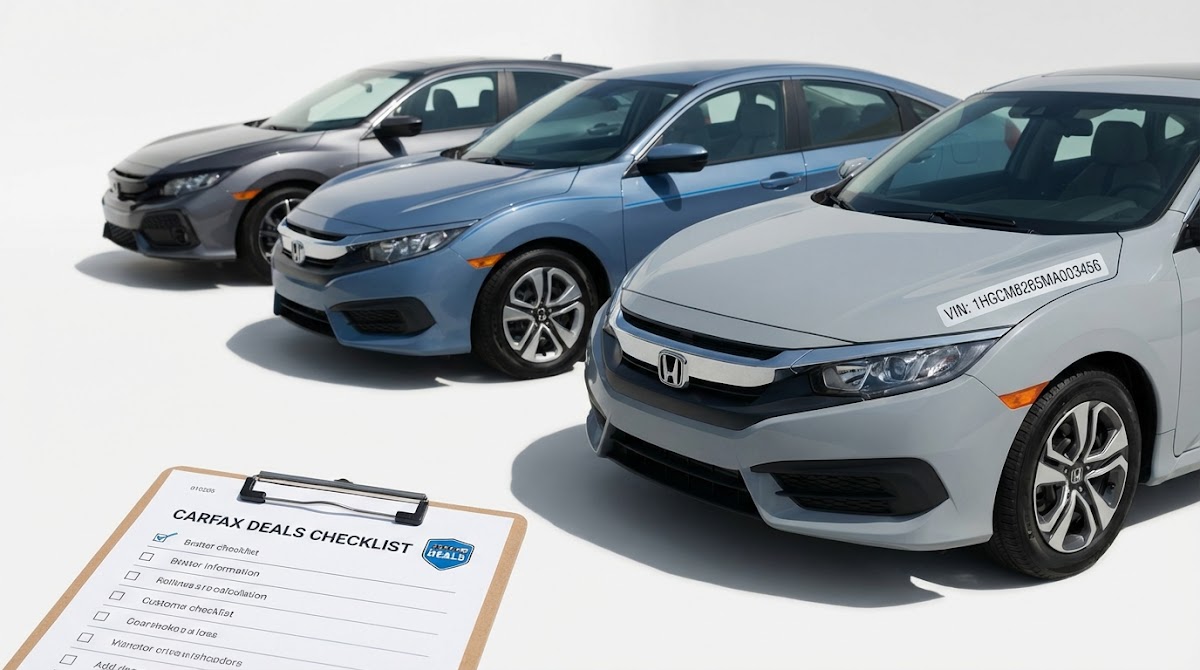
quick VIN and records verification
Use before scheduling an inspection
Ignoring service and ownership history
Skipping a VIN history check or not asking for service records often leaves buyers exposed to recurring repairs that show up in owner complaints but not in the ad; prioritize listings with documented service and single-owner indicators when possible Edmunds used Honda Civic buying guide
Also be cautious with turbocharged trims if owner reports for the year show higher powertrain or accessory complaints; ask the seller for work orders that specifically mention turbo maintenance or timing-chain concerns when applicable.
Three practical scenarios: applying the framework to real listings
Scenario A: late 10th-generation, low miles, single owner
Example: you find a 2018 Civic with one owner, low miles, and a full service log. Next steps: run a VIN-based vehicle history report, confirm there are no open recalls for that year, and schedule a pre-purchase inspection focused on powertrain and electrical checks Edmunds used Honda Civic buying guide
If the VIN report confirms consistent maintenance and the inspection shows no major issues, this scenario often warrants serious consideration given aggregator signals favoring late 10th-generation models.
Scenario B: early generation with complete service history
Example: an older Civic with a full, dated service history can be a good value if the records show consistent oil changes, transmission service where applicable, and no title issues. Next steps: verify mileage with the VIN report, check owner-complaint pages for year-specific symptoms, and get a focused inspection on likely wear items.
Older cars can be lower risk when service is documented and no serious complaint patterns exist for that year and trim.
Scenario C: turbocharged trim with mixed complaint history
Example: a turbocharged Civic trim shows some owner-reported complaints for a particular model year. Next steps: request detailed service invoices for turbo-related repairs, run a VIN report to see recurrence, check owner complaint pages and NHTSA records for that year, and ask the inspector to test boost behavior and listen for unusual noises.
Turbocharged trims often need closer inspection because powertrain-specific issues and accessory wear can change ownership cost expectations.
Conclusion: how to use model-year signals when scanning honda civic used car for sale listings
Bottom line for shoppers
The bottom line: later 10th-generation Civics often score better in aggregator ratings, but there is no single year universally named the most reliable; treat generation signals as a starting filter and apply VIN-level checks to each listing before deciding Consumer Reports Civic page
Next steps and sources to bookmark
Before contacting a dealer or seller, run a vehicle history report, search NHTSA for recalls by exact year and trim, consult owner-complaint pages for symptom patterns, and arrange a pre-purchase inspection for any listing that otherwise looks promising.
Use pricing insights and price analysis labels to prioritize which listings to inspect first, but rely on documented service history and VIN-based records to make the final call.
No. Major aggregators do not name a single model year as the most reliable; reliability tends to cluster by generation and by later-year fixes within a generation.
Aggregated ratings often favor later 10th-generation Civics (roughly 2016-2021), but you should verify service history, trim and VIN-specific records before buying.
Confirm the VIN, run a vehicle history report, check NHTSA recall status for the exact year and trim, review service records, and schedule a pre-purchase inspection.
Use generation-level reliability signals to narrow listings, then confirm risk with VIN-level evidence and an inspection. Treat pricing insights as prioritization signals and documented service history as the key behavioral evidence for a reliable used Civic.
If a listing looks promising after these checks, schedule a pre-purchase inspection and request any service invoices that mention recurring or major repairs before completing a purchase.

 Blog
Blog