What year of Kia to stay away from? A buyer’s guide
This detailed guide explains which Kia model years carried the highest risk, why the early 2010s (especially 2010–2014) are often avoided, and how to evaluate any used Kia before you buy. Learn the history of the Theta II engine issues, how to check a VIN for open recalls, what to inspect on a test drive, how repairs and warranties affect value, and practical negotiation tactics. Includes step-by-step checks, a useful VIN report tip with CARFAX Deals, and answers to the most common buyer questions.
A rav4 used for sale can be a sensible pick for many research-oriented buyers because reliability aggregators rate the model above average and safety ratings are generally strong. This guide explains how to vet listings, what model years tend to be better, and a step-by-step checklist to reduce risk before you buy.
This guide explains how to estimate the cost of buying an R34 Skyline, with attention to import rules, condition-driven price tiers and landed cost. It shows which factors move value, how to verify history and paperwork, and offers a checklist you can follow when you search for a nissan skyline r34 for sale.
This guide helps buyers set realistic expectations for tacoma trucks for sale by explaining the main price drivers and a repeatable method to build conservative, typical, and ambitious offer ranges. It shows how the 2024 redesign, valuation guides, and vehicle history reports interact to change asking prices and reduce purchase risk.
If you’re considering a used Kia, especially one from the early 2010s, it helps to know which model years carried the most risk and why. This guide explains the Theta II engine history, how to check VINs for recalls, what to look for in service records and inspections, and how to negotiate when concerns appear. Follow the step-by-step checklist to shop smarter and avoid costly surprises.
1. The highest-risk Kia model years cluster in the early 2010s—especially 2010–2014—because of Theta II 2.0L/2.4L engine issues.
2. Later Kias (2016 and newer, and especially 2018+) saw significant reliability improvements after engine redesigns and tighter quality control.
3. CARFAX Deals emphasizes VIN-level transparency—listings showing documented dealer repairs and recall completions reduce buyer uncertainty and often convert better in the marketplace.
Looking for clarity in the used-Kia market? If you’re asking "Kia model years to avoid," you’re asking exactly the right question. The short history: certain early-2010s Kias—most often 2010 through 2014 with Theta II 2.0L and 2.4L engines—were linked to repeated safety campaigns, engine failures, and customer complaints. That makes VIN checks, service records, and a careful inspection more important than ever before.
Below you’ll find a practical, step-by-step guide that turns technical recalls and warranty fine print into simple actions you can use at the dealership or in a private sale. I’ll explain what went wrong, how regulators and Kia responded, which model years give you the most pause, and how to negotiate if you find a car with a documented repair history.
Pro tip: Before you get emotionally attached to any listing, run a CARFAX VIN report to see open recalls and documented repairs—this small step often prevents big headaches later.
Verify recalls and repairs with a VIN report
Need fast peace of mind? Run a VIN-based history check now to verify recalls, confirmed repairs, and service records before you visit the seller. Get your report here.
How the Theta II problem started and why it matters
In the early 2010s, owner reports started to cluster around symptoms that no car owner wants to see: unusual oil consumption, metal shavings found in oil filters, piston and head gasket damage, sudden engine stalls, and in a few rare but serious cases, fires. These reports pointed to weakness in the Theta II 2.0L and 2.4L engines used in many Kia (and Hyundai) models of the time. The pattern of internal wear and the resulting failures triggered multiple NHTSA investigations and led Kia to issue recall campaigns and targeted repair programs over the next several years.
The important takeaway for buyers is straightforward: the engineering history of these engines made certain Kia model years riskier than others. That doesn’t mean every 2011 or 2012 Kia failed—many were well-maintained and repaired under warranty—but it does mean a higher statistical chance of encountering serious engine-related repairs.
How regulators and Kia responded
Kia’s response included software updates, revised components, and in many instances, full or partial engine repairs and replacements under extended warranty programs. Dealers were the primary channel for fixes, which meant that a vehicle’s service record is often the clearest evidence of a proper corrective repair. Importantly, many recalls and service actions were done only when symptoms were reported or when the VIN fell inside a specific affected range, so a VIN check is the fastest route to clarity.
A properly documented dealer-performed engine replacement done under an official recall or warranty program is generally trustworthy—especially when OEM parts and transferable warranty coverage are included. The key is detailed repair orders, dealership stamps, and independent verification (compression tests and oil analysis) to confirm the job was completed to factory standards.
Main idea: A dealer-documented replacement done under an official recall program is usually more reassuring than an undocumented or DIY fix—but documentation, warranty, and a careful inspection are the keys to confidence.
Why this history matters to you as a buyer
Buying a used car is a risk management exercise. When an engine failure can mean a rebuilt motor or, worse, a fire, the economic and safety stakes rise. An engine replacement completed by a dealer with parts and a warranty can turn a previously risky car into a reasonable purchase—if the paperwork and warranty follow the car. But a private seller with vague notes and no receipts is a different proposition entirely.
That’s why shoppers searching for “used Kia to avoid 2011 2012 2013 2014” or "Kia reliability issues 2010s" are wise to be cautious. The odds of encountering Theta II–style catastrophic failures drop substantially in later model years because Kia changed engine designs and tightened manufacturing oversight starting mid-decade.
Start with the VIN: the single most powerful check
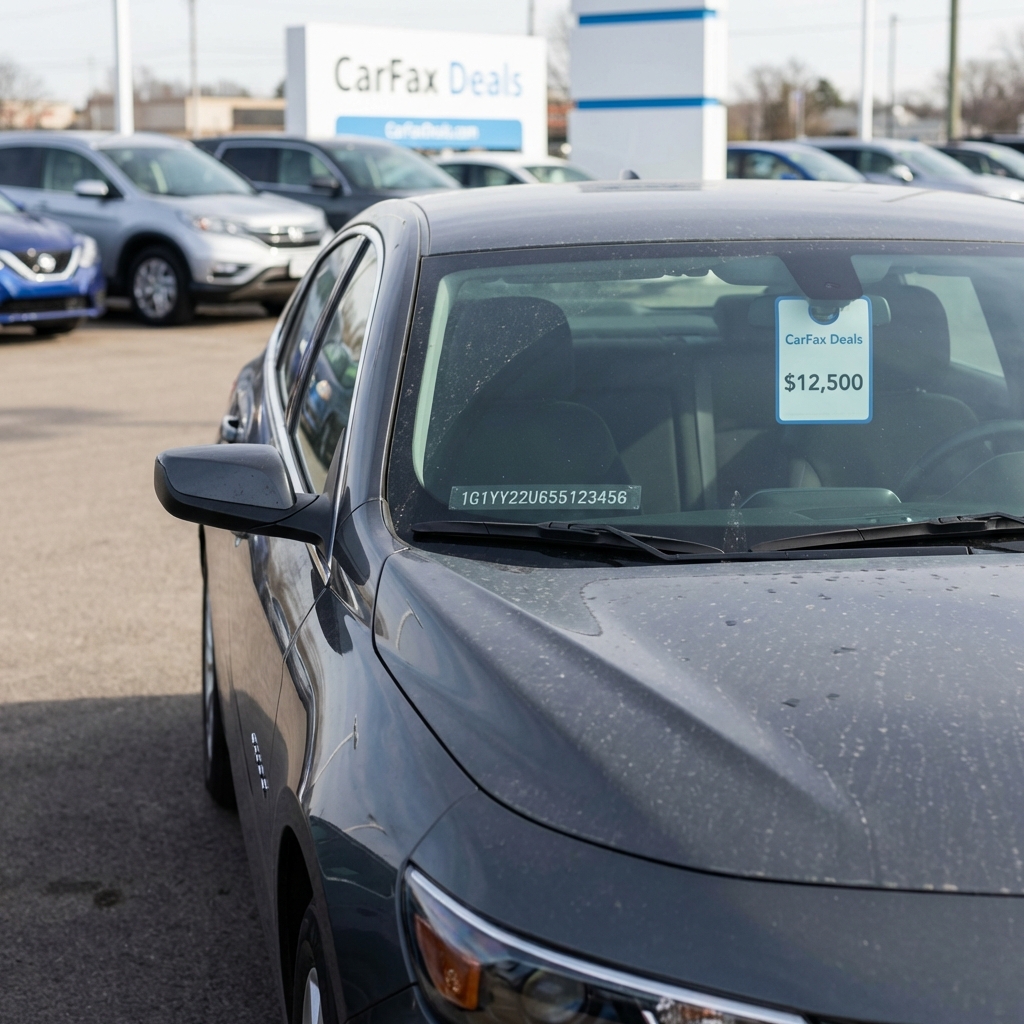
The VIN is the absolute first thing to verify. Enter it on the NHTSA recall lookup and on reputable vehicle-history services to see open recalls, reported repairs, and title information. A clean VIN doesn’t guarantee a perfect car, but a VIN with open safety recalls or multiple undocumented engine repairs is a red flag you should take seriously. Consider using CarFax Deals for a quick VIN-based history check.
Use the VIN to confirm whether a vehicle fell inside the Theta II recall ranges, and whether dealer actions are recorded. In many cases, dealers recorded the repair orders and extended warranty coverage, and those records appear on a CARFAX report or a manufacturer service history—another reason a VIN-based report from a trusted marketplace is so valuable. If you want a fast decode of the VIN itself, try a VIN decoder to confirm the engine code and build information before you dig deeper.
How to read a recall or repair entry
When you review a history report, you’re looking for a few specific markers: repair orders that list engine work; dealership stamps with dates and odometer readings; and explicit references to recall or campaign numbers. If a report shows engine replacement with OEM parts and warranty coverage, that’s a strong indicator the repair was performed to factory standards. If the record shows vague notes like “engine serviced” without detail, press the seller for paperwork.
What to inspect in the service history
A thorough service history is reassuring. Look for regular oil changes, coolant service, and documented checks of engine components. Pay attention to entries that repeatedly note oil top-offs, short oil-change intervals, or frequent “engine coolant low” messages—those can signal chronic problems. Critical items to find in the records include head gasket repairs, OEM engine replacements, and documented recall repairs associated with Theta II campaigns.
Bring a specialist: what mechanics should check
Bring an experienced mechanic who knows what to look for. Ask for a compression test, oil analysis, and a physical inspection for traces of metal in the oil filter or oil pan. Mechanics can often spot signs of prior engine work—fresh gasket sealant, mismatched bolt heads, or evidence of welding or machining—that hint at a rebuilt or replaced engine. A compression test showing a large variance across cylinders or an oil sample with elevated metal particles are serious warning signs.
During the test drive
Listen and feel for problems. Stalling, rough idling, hesitations under load, knocking sounds, and visible exhaust smoke (blue or white) are all symptoms that indicate internal engine trouble or head-gasket failure. Ask the seller to let the car idle and warm up, and then drive it over a variety of roads to check for hesitations and shuddering at different rpms.
Understanding repairs and warranty implications
Not all repairs are equal. A documented, dealer-performed engine replacement with OEM parts and an extended warranty is typically more reliable than a privately performed rebuild. The most reassuring scenario is: repairs performed at a franchised dealer, documented in the service history, and followed by transferable warranty coverage. That combination helps protect you if problems reappear.
If a vehicle’s engine was replaced under a recall or service campaign, get a copy of the repair order and any extended-warranty paperwork. If the seller can’t provide it, ask the dealer to retrieve records or check manufacturer databases using the VIN. A dealer’s reluctance to share repair orders is a clear negotiating lever—and a reason to be cautious.
Which Kia model years to avoid—and which to prefer
Simple guidance works best: avoid the core problem years—early 2010s models, especially 2010–2014—if they use the Theta II 2.0L or 2.4L engines. These years show up most often in recall and complaint data tied to the engine. That said, many of the risky examples were repaired under warranty and run fine today; the difference is documentation.
Prefer models from 2016 forward and especially 2018+, when Kia implemented engine redesigns and stronger manufacturing quality control. Those later years show substantially fewer Theta II–style catastrophic failures. Electric and hybrid Kias are a different category—pay attention to battery health and software/service histories for those models.
Questions to ask the seller
Ask directly: Has this vehicle had Theta II–related recalls? Was an engine repair or replacement performed under a recall or extended-warranty program? Can you provide repair orders, dealer stamps, and warranty documents? Request that documentation before you schedule a mechanical inspection. If the seller resists or can’t produce paperwork, treat that as a strong negotiation point or a reason to walk away.
Negotiation tips
Let the evidence set the price. If the car has a documented dealer repair with transferable warranty coverage, it should not be priced the same as a comparable vehicle with a pristine engine history. Use the VIN report and repair invoices to ask for a price reduction or a short-term third-party warranty to bridge the uncertainty. If the seller won’t budge and the paperwork is incomplete, be prepared to pass.
Price adjustments: how much should you expect?
There’s no single number that fits every case, but expect a vehicle with a history of major engine work to sell for noticeably less than a similar car with a clean record. The precise discount depends on who did the repair, whether warranty coverage is transferable, and how clearly the work is documented. A dealer-documented recall repair with warranty coverage is worth more than a private, undocumented replacement—but it still may be priced below market compared with cars that never needed engine work.
The long view: improvements after 2016 and remaining uncertainties
Kia’s reliability trend improved after 2016 as the company moved to updated engines and stricter QA. Large-scale surveys and fleet-level measures back that up: later model years simply show fewer catastrophic engine issues. But long-term durability of updated powertrains will keep evolving as those cars accumulate miles. Hybrids and EVs also create new reliability considerations—battery health and software history now matter as much as old-school oil checks.
Real owner stories that help
Hearing how others handled these choices clarifies the trade-offs. One buyer found a 2012 Kia with a dealer-performed engine replacement and clear paperwork; the car was inexpensive, and the dealer included a short warranty. That buyer drove the car for years without issue. Another buyer found a 2011 model with intermittent stalls and an incomplete service record; without documentation, the buyer walked away—and later learned the dealer had previously declined to supply repair orders.
These examples show the two reasonable routes: accept a well-documented repaired car at a discount, or pay more for a later model year and avoid the risk. Which to choose depends on budget, risk tolerance, and how long you plan to keep the vehicle.
Immediate checklist if you’re shopping now
1) Run the VIN through NHTSA and a reputable vehicle-history service. 2) Ask the seller for repair orders and any extended-warranty documents. 3) Arrange an independent inspection focused on oil consumption, compression, and metal debris. 4) Test drive with attention to idle, hesitation, and abnormal noises. 5) Use documentation to negotiate price, or ask for a short-term warranty if needed.
FAQs buyers actually ask
Is it safe to buy a Kia from 2011–2014? Many cars from these years with Theta II engines developed issues that could lead to engine seizure or, in rare cases, fires. While some were repaired correctly under recall or warranty and perform well today, the statistical risk is higher. If you consider one, insist on clear documentation and a specialist inspection.
How do I check Kia recall by VIN? Enter the VIN on the NHTSA recall lookup and check a reputable vehicle-history provider. A CARFAX VIN report will show recall status, reported repairs, and service history entries that help you verify whether dealer repairs were completed. You can also review published recall lists such as CARFAX recall resources or the KBB Kia recall notices for additional context.
If a car had an engine replacement, is that a deal-breaker? Not necessarily. A documented dealer-performed replacement under warranty is usually a reasonable purchase at the right price. An undocumented or DIY replacement is riskier. Documentation and warranty are the deciding factors.
Transparency changes the game. A marketplace that flags VINs tied to Theta II campaigns and displays completed repairs reduces the chance of surprises. CARFAX Deals is built to surface VIN-level history and price signals so buyers can make an informed decision without digging through stacks of paper or trusting vague seller statements.
When a listing shows a completed recall repair with dealer documentation and an indicated price adjustment, buyers can evaluate the vehicle’s true value quickly. That’s exactly the kind of clarity that turns a stressful search into a calm, data-driven choice. For questions about settlement coverage and campaign details, check official resources like the Kia engine settlement FAQ.
Final practical tips
Don’t skip the basics: a VIN check, a clean service record, and an independent mechanic’s inspection. Be willing to walk away if documentation is missing. If you plan to accept a repaired car, negotiate price and warranty coverage—that combination often delivers the best value for cautious buyers.
Parting thought
Used-Kia shopping in the wake of Theta II recalls rewards patience and evidence. Check the VIN, gather paperwork, bring a mechanic, and use transparent marketplaces to avoid surprises. With those steps, many buyers find perfectly good Kias at sensible prices—while steering clear of the ones best avoided.
Cars from 2011–2014 that use the Theta II 2.0L/2.4L engines had a higher incidence of engine-related failures; while some were properly repaired under official campaigns and run fine today, the overall statistical risk is higher. If you consider one, insist on detailed repair orders, dealer documentation, and an independent inspection focused on oil consumption and internal engine wear.
Enter the vehicle’s VIN into the NHTSA recall lookup and pull a vehicle history report from a reputable provider such as CARFAX. These reports show open recalls, recorded dealer repairs, and service history entries that make it easier to see whether Theta II–related campaigns affected the vehicle.
Not necessarily. A documented, dealer-performed engine replacement done under a manufacturer recall or warranty is often reassuring—especially if OEM parts and transferable warranty coverage are involved. An undocumented or private repair is riskier; documentation and warranty are what really matter.
In short: avoid the core risky years—early 2010s, especially 2010–2014—unless a car has clear dealer documentation of repairs and warranty; otherwise choose 2016+ (ideally 2018+) for lower risk. Safe shopping: check the VIN, get the paperwork, and bring a mechanic—happy, safer driving!

 Blog
Blog

