Clear, practical guidance on which Subaru model years (2010–2019) carry higher risk and why. This guide explains the most common trouble spots—EJ head gasket failures, FB-series oil consumption, and Lineartronic CVT complaints—lists specific model years to watch, gives a step-by-step pre-purchase inspection checklist, negotiation tactics, and when to walk away. Includes a tactful tip on using a verified vehicle history check to reduce risk and a link to run a report before you buy.
This guide explains which tacoma trucks for sale show the strongest reliability and safety signals to watch out for, and why mid-2010s and many pre-2016 Tacomas appear most often in complaint and recall records. The article shows how to use vehicle history reports, recall checks, and a focused inspection to reduce risk when evaluating a used Tacoma.
This article helps buyers searching tacoma trucks for sale understand which Tacoma engine tends to be most reliable. It summarizes reliability ratings, owner-complaint clusters, and maintenance-cost differences between the 2.7L I4 and the 3.5L V6, and gives actionable checks to reduce engine-related risk.
Audi reliability varies significantly by model, model year and powertrain, so the most reliable Audi for one buyer is not the same for another. This guide shows research-oriented used car buyers how to compare models using industry dependability studies, owner-reported trends, and per-VIN vehicle history reports. It focuses on checklists, inspection priorities and scenario-based recommendations to reduce risk when shopping a used Audi.
If you’re shopping used Subarus from around 2010–2019, knowing which model years and powertrains have recurring complaints saves time and money. This guide explains the common problem clusters—EJ head gaskets, FB oil consumption, Lineartronic CVTs—shows specific years to scrutinize, gives a hands‑on pre‑purchase checklist, and offers negotiation language and repair‑cost ranges so you can buy with confidence.
1. EJ 2.5L head gasket repairs typically cost between $1,500 and $3,500—enough to change whether a used buy is a bargain.
2. Lineartronic CVT repairs or replacements often range from $2,500 to $6,000—ask for documented service history before you buy.
3. CARFAX Deals shows verified vehicle history and pricing context, helping buyers spot documented repairs and avoid surprising repair costs.
What year of Subaru to stay away from?
Short answer up front: If you’re asking "what year of Subaru to stay away from?" pay especially close attention to late‑2000s to early‑2010s EJ‑equipped Outbacks, Legacys and Imprezas (head gasket risk), mid‑2010s models with Lineartronic CVTs (notably certain 2014–2015 Foresters), and some early‑model Ascent 2019 units. But don’t panic - many cars from these years are fine when properly maintained. The trick is targeted inspection and verification.
Subarus are loved for their all‑wheel drive, utility and longevity. Yet like any brand, certain engines and transmissions in certain years attracted repeat complaints. This guide walks you through the specific model‑year patterns, what to look for when inspecting a used Subaru, how to use repair-cost estimates to negotiate, and when to walk away. A clear listing image can sometimes help spot obvious exterior issues.
Protect your purchase with a verified vehicle history report
Ready to dig into the vehicle history before you step onto a lot? Get a verified report to see service records, open recalls and documented repairs and make an informed offer: run a CARFAX report.
Patterns emerge from aggregated owner complaints, service bulletins and recall databases. They don’t mean every car from a given year is bad, but they do point to the combinations of engine and transmission that historically showed higher failure rates. Three headline problems repeat most often:
EJ‑series 2.5L head gasket failures - common on many Outback, Legacy and Impreza models from the late 2000s into the early 2010s.
FB‑series oil consumption - certain FB variants (early‑to‑mid 2010s) sometimes burned oil at noticeable rates.
Lineartronic CVT complaints - throughout the mid‑2010s many Subaru models reported shuddering, slipping or other drivability issues tied to the CVT.
These are the areas you should inspect with that extra level of care. A healthy service history, documented repairs, and a clean VIN report shift the risk profile dramatically.
Tip: Before you spend time on a test drive or negotiation, use a trusted history check. CARFAX Deals helps buyers find listings with verified reports and clear pricing context, so you know whether a car has documented repairs or open campaigns: run a CARFAX report.
Head gaskets and the EJ engines - what to watch for
The older EJ‑series 2.5‑liter flat‑four engines developed a reputation for head gasket leaks. If you encounter Outbacks, Legacys or Imprezas from roughly 2006–2013, inspect them carefully. How to spot trouble?
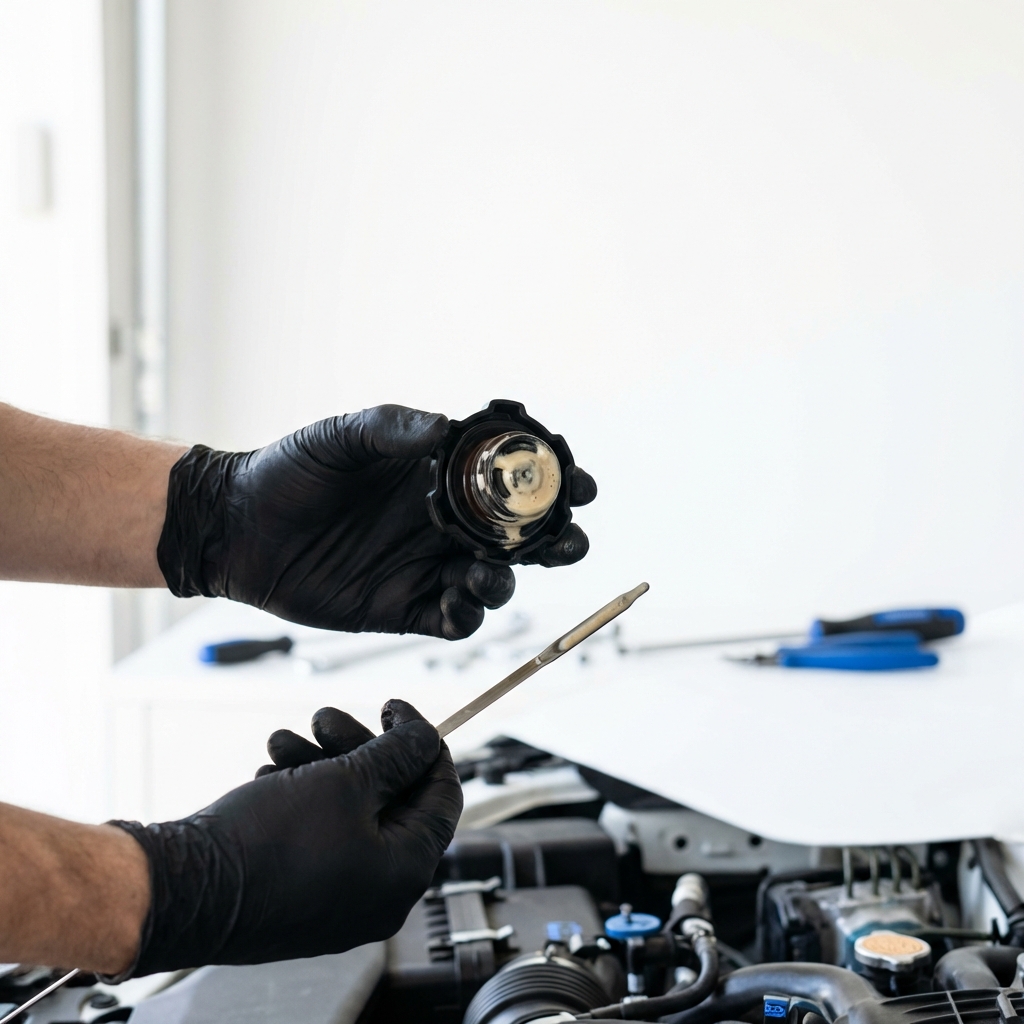
Visual clues: creamy residue under the oil cap or on the dipstick; white smoke at cold start; unexplained coolant loss; oil with a milky appearance.
Driving clues: intermittent overheating, rough idle after a cold start, or a persistent sweet smell from the exhaust.
Mechanical checks: compression or leak‑down tests will point to gasket failure or cylinder damage.
Repair costs for head gasket jobs usually range from about $1,500 to $3,500 in the U.S.- often on the high side because the job requires removing cylinder heads and machining surfaces. If a car already has a high‑quality documented head gasket repair, that can be a net positive; the major risk is behind it. But ask for receipts and confirm that related components - thermostat, hoses, timing components - were addressed.
Oil consumption and FB engines - when it becomes a deal breaker
Subaru moved to FB‑series engines beginning around 2011. Many are reliable, but some variants developed measurable oil consumption. How bad is too bad?
Mechanics commonly consider more than a quart of oil every 1,000 miles as excessive.
Signs include blue smoke under acceleration, oily tailpipes, oil‑level warnings, and frequent top‑offs recorded by the owner.
Excessive oil consumption typically points to more gradual wear - rings, valve guides or other internal issues. It's often a long‑term maintenance cost rather than a one‑time catastrophic failure, but it can accelerate other wear and, if ignored, lead to costly repairs. Ask the seller how many miles they go between oil top‑ups and whether there’s paperwork showing any attempts to address the problem.
Which specific model years to watch
This is the part readers often want: a year‑by‑year scan that flags the riskiest ranges. Remember: flagged years aren’t a blanket condemnation - they’re prompts to dig deeper.
2008–2013 (Outback, Legacy, Impreza) - EJ head gasket watch
These years are most often associated with the EJ 2.5 engine head gasket complaints. Outbacks and Legacys used heavily in cold climates and for short‑trip driving tended to show the problem sooner. If you’re considering a vehicle from this window, insist on a compression/leak‑down test and clear service records.
Many models switched to FB engines across this timeframe. A subset of FB engines - especially those with certain manufacturing runs or driven under certain conditions - showed higher oil use. Look for frequent oil top‑ups, blue smoke, and any TSB or warranty service that addresses oil consumption.
2014–2015 Forester - elevated complaint counts
Aggregated complaints show a cluster around 2014–2015 Foresters for both engine and transmission oddities. If a Forester in this range exhibits hesitation, shuddering or other drivability issues, consider it a red flag until proven otherwise with service records.
Lineartronic CVTs appear across Subaru’s model range. Mid‑2010s examples drew the most attention for shuddering, slipping and occasional failures. These symptoms can be subtle early on - hesitation during low‑speed acceleration, a jerking sensation, or inconsistent throttle response. For more context on CVT failures and design issues see this explainer video: Subaru's $3000 Mistake - design issue.
2019 Ascent - early‑model teething issues
The large three‑row Ascent launched with some early complaints in 2019 as both owners and technicians found first‑generation issues. If you’re looking at a 2019 Ascent, check for dealer‑documented fixes and any extended coverage that may have been applied.
WRX and performance models - watch turbo and clutch components
Performance‑oriented models like the WRX can be more variable because many owners tune or modify them. Mid‑2010s WRXs saw occasional turbocharger, clutch or transmission stress issues - often tied to aftermarket modifications or aggressive driving. If buying a WRX, ask for dyno and modification records and an inspection focused on the forced‑induction system and clutch wear. Owners often discuss common turbo and head gasket experiences in forums such as this owner thread: owner discussions on head gasket issues.
Pre‑purchase checklist - step‑by‑step
Here’s a short, systematic sequence to follow for any Subaru you test:
Start with the VIN:Run a history report for recalls, incidents, service history and title branding.
Visual inspection: Oil cap/dipstick check for milky residue, coolant level and discoloration, visible exhaust smoke on cold start, oil drips or puddles under the car.
Service records: Ask for any receipts, oil change stamps and major service invoices - head gasket work, timing belts, CVT service, turbo work.
Compression/leak‑down test: Vital for EJ engines; a mechanic familiar with Subarus should run this.
Test drive: Cold start and warm‑up; listen for rattles, look for smoke, evaluate low‑speed acceleration for CVT shudder, and test higher speeds for smoothness.
Mechanic inspection: If you’re serious, have an independent shop experienced with Subarus inspect the car.
These steps are straightforward but powerful. They convert guesswork into information you can use at the negotiating table.
A milky, cream‑colored residue on the oil cap or dipstick (or oil with a mayonnaise‑like texture) is the simplest and most reliable early indicator that coolant and oil are mixing—follow up with a compression or leak‑down test.
A milky, cream‑colored residue on the oil cap or dipstick (or oil with a mayonnaise‑like texture) is one of the simplest and most reliable early indicators that coolant and oil are mixing - get a compression test before you proceed.
How to interpret inspection results and test‑drive symptoms
Not every odd noise or quirk signals an expensive repair. Here’s how to prioritize findings:
Immediate walk‑away signs: Significant coolant contamination in the oil, compression test failure with major cylinder loss, or a CVT that consistently shudders and hasn’t been serviced.
Negotiation points: Cars burning oil moderately, minor leaks, or a recorded history of prior repairs without documentation - these give you leverage to lower the price or request fixes.
Fixable, acceptable risks: Cosmetic issues, small leaks that are inexpensive to fix, or an old but well‑documented head gasket repair.
Repair costs and bargaining arithmetic
Knowledge of typical repair ranges gives you power. Common U.S. repair estimates:
Head gasket job: roughly $1,500–$3,500 (depends on extent and labor rates).
CVT repairs or replacement: commonly $2,500–$6,000 for major work.
Tune or turbo repairs (WRX): several thousand dollars if the turbo or clutch needs replacement.
Use these numbers as realistic backstops in negotiation. If a seller won’t accept a reasonable discount to account for an identified problem, walking away is often the wisest financial move.
Sample negotiation language
Try a calm, factual approach:
"I like the car, but the compression test shows X PSI on cylinder 2 - repair estimates I’ve checked are around $2,400. I’m willing to offer $Y if you can’t perform the repair before sale."
"There’s evidence of repeated oil top‑ups at a high rate. That’s a long‑term cost I need to factor in - are you willing to adjust the price to reflect that?"
When a documented repair is a positive thing
A properly documented head gasket replacement with invoices and a clear parts list is often a net positive: the most catastrophic problem has been handled. Similarly, a documented CVT software update or clutch replacement under warranty is preferable to an undocumented but unresolved symptom. The key is documentation and quality: who did the work, what parts were used, and were related systems addressed?
Why maintenance history beats sticker price
Two cars of the same year can be worlds apart. A car with regular oil changes, careful climate use and proactive attention to service intervals will likely outlive a similarly aged car with patchy maintenance. Prioritize records - oil change stamps, invoices and any dealership service history. If the seller can’t produce records, treat that as room to bargain or a reason to be cautious.
How to check for service campaigns and TSBs
Use the VIN to search manufacturer recall and service campaign pages and independent TSB databases. Some issues were addressed via extended warranties or goodwill repairs. If a car shows a TSB was issued for a specific symptom, ask whether the recommended fix was implemented and get documentation. For guidance on how to use VIN tools and reading service campaigns see this help page: how to use VIN tools.
Best Subaru years to buy (if you want lower risk)
While this guide focuses on years with elevated complaints, many later model years benefited from improved software, updated hardware and refined service guidance. Generally, many buyers find lower risk in later mainstream model years - roughly 2016–2019 - when Subaru incorporated many incremental fixes. Still, diligence matters; a 2018 model with poor maintenance can be worse than a well‑kept 2012.
DIY and quick checks you can do yourself
Oil cap/dipstick check: Look for milky residue.
Cold start observation: Look for visible white smoke; listen for long cranking times.
Short test drive pattern: Five minutes city driving, then highway run - pay attention to low‑speed shudder and high‑speed smoothness.
Ask about oil change frequency: More frequent oil changes and using synthetic oil are signs of a conscientious owner.
Case studies and real outcomes
First scenario: a low‑mileage 2012 Outback with neat records. The owner ignored minor coolant top‑offs; a year later the head gasket failed and the repair cost ran to ~$2,600. The car remained loved and useful, but total cost exceeded the initial price differential to a later model with cleaner history.
Second scenario: a 2015 Forester that showed CVT shudder. The dealer reprogrammed the transmission software and replaced a clutch pack under extended warranty; afterwards the car ran smoothly. Here, documentation and dealer coverage saved a buyer from a major out‑of‑pocket repair. For a visual walkthrough of common issues to watch for when buying a used Subaru see this video: Problems to look out for when buying a used Subaru.
Who should inspect the car?
Preferably, hire a mechanic who knows Subaru flat‑four engines and Lineartronic CVTs. Independent shops with Subaru experience will spot signs a generalist might miss. A compression or leak‑down test and a documented inspection report are cheap insurance compared to major repairs.
Red flags that should make you walk away
Seller refuses a professional inspection or will not provide the VIN.
Evidence of coolant in the oil with no receipts for a thorough repair.
CVT that shudders reproducibly and no documentation of service or TSB fixes.
Large unexplained odometer jumps or title branding in the VIN report.
How to use a VIN report wisely
Vehicle history reports are not perfect, but they aggregate accident history, title events and recorded service. Use them as an objective base to question anything the seller states. If a vehicle has documented repairs, cross‑check dates and mileage to service receipts and independent inspection notes.
Final buying checklist
Before you make an offer, confirm:
VIN history checked and reviewed.
Compression/leak‑down test results (if EJ era).
Service records present and consistent.
CVT service history matches manufacturer recommendations.
Test drive performed cold and warm with no reproducible severe defects.
Wrap‑up: balancing risk and reward
No single model year defines the entire Subaru lineup. Asking "what year of Subaru to stay away from?" is a smart first step. The answer is nuanced: look for EJ‑engine cars from the late 2000s to early 2010s, mid‑2010s CVT‑equipped models (especially some Foresters), and early Ascent units. Use inspection, VIN checks and a mechanic’s report to turn those flags into actionable decisions - sometimes that means a walk‑away, sometimes it means a fair discount and a confident purchase. With prudence, many Subarus from 2010–2019 can be excellent buys.
Helpful last note: Keep receipts and records in hand - if you buy, keep the documentation you wished you had when you were shopping.
Head gasket problems are most commonly reported on EJ‑series 2.5L engines, which show up in many Outback, Legacy and Impreza models from roughly 2006 through the early 2010s. Look especially at late‑2000s to around 2013 for elevated reports. If the vehicle has a documented, high‑quality head gasket repair with receipts, that can be a neutral or even positive sign.
Sometimes yes: Subaru issued software updates and TSBs that resolved some Lineartronic CVT drivability complaints. Dealers also applied extended warranties in many cases. However, some units need mechanical repair or replacement. Always ask for service records showing the update or repair, and have a trusted mechanic test drive the vehicle to verify the symptom is gone.
Mechanics commonly treat more than a quart of oil every 1,000 miles as excessive and worthy of further investigation. Persistent oil top‑ups at that rate accelerate engine wear and can lead to other problems; use the frequency as leverage in negotiation or as a reason to walk away if the owner can’t show corrective action.
Most of the risk centers on late‑2000s to early‑2010s EJ‑engine cars and several mid‑2010s CVT‑equipped models; do the checks, run the VIN report, and buy the Subaru that comes with solid documentation—happy driving and don't forget to check the oil!


 Blog
Blog