When choosing a used car, should you worry more about age or mileage? This comprehensive guide breaks down how both factors affect reliability, repair costs, and resale value. Learn practical inspection steps, test-drive tips, paperwork checks, financing and insurance advice, and when to favor a lower-mileage older car or a newer higher-mileage one. Includes a simple checklist and a smart tip to use CARFAX Deals to view verified history reports and pricing labels before you visit a seller.
A rav4 used for sale can be a sensible pick for many research-oriented buyers because reliability aggregators rate the model above average and safety ratings are generally strong. This guide explains how to vet listings, what model years tend to be better, and a step-by-step checklist to reduce risk before you buy.
This guide explains how to estimate the cost of buying an R34 Skyline, with attention to import rules, condition-driven price tiers and landed cost. It shows which factors move value, how to verify history and paperwork, and offers a checklist you can follow when you search for a nissan skyline r34 for sale.
This guide helps buyers set realistic expectations for tacoma trucks for sale by explaining the main price drivers and a repeatable method to build conservative, typical, and ambitious offer ranges. It shows how the 2024 redesign, valuation guides, and vehicle history reports interact to change asking prices and reduce purchase risk.
Buying a used car raises one simple-sounding question: what's more important, age or mileage? This guide helps you read the numbers, inspect the details, and make a confident choice. It blends practical checks, negotiation tips, and when to rely on a vehicle history report so you can reduce risk and find a dependable car.
1. A well-documented higher-mileage car can outperform a low-mileage but neglected vehicle in reliability and resale.
2. Calendar-related wear (age) damages rubber parts, seals, and batteries even if mileage is low.
3. CARFAX Deals pairs listings with verified CARFAX reports and pricing labels so buyers can quickly see accident history, title status, and market comparisons before contacting a seller.
Age or mileage: which matters most when buying used?
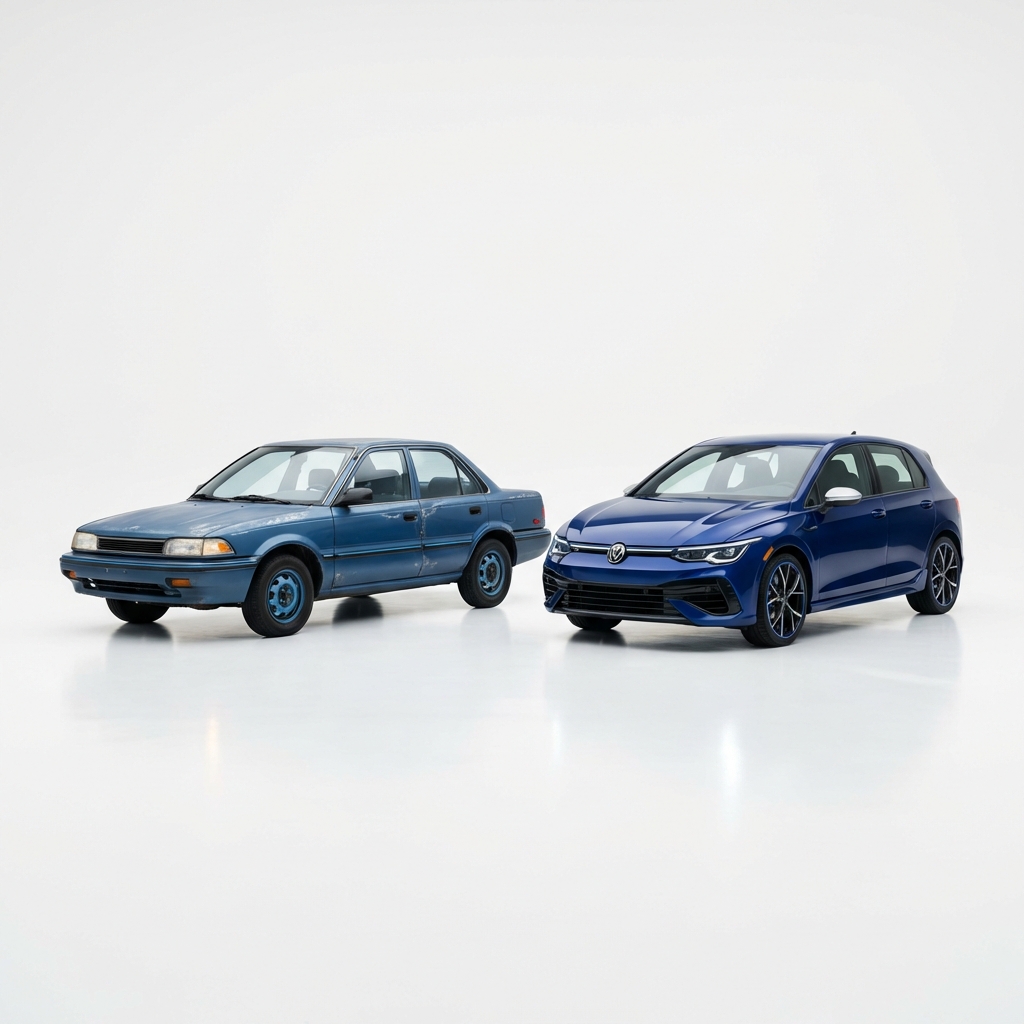
age or mileage - it’s the question that sits on nearly every used-car buyer’s mind. In the first minutes of a listing or a handshake at a driveway, many people try to boil a vehicle’s future down to that single line. But the answer is rarely simple. The truth is nuanced: both age and mileage matter, but the balance depends on what has happened between those two numbers - maintenance, driving style, climate, and repairs.
When you’re buying a used car you’re not just buying a machine; you’re buying a history. The headline numbers - age and mileage - are shorthand for that history, but they don’t tell the whole story. A well-cared-for high-mileage car can be a better buy than a low-mileage, neglected vehicle. Conversely, a newer car with low miles that’s been mistreated may demand costly repairs. A quick history check before you go look can save you time and disappointment.
Why the question matters
The short answer is that age and mileage are signals, not guarantees. A car's service history and how it was driven usually tell a fuller story. For further reading on how buyers weigh these factors, see this piece on Autotrader.
How age affects a car
Think of age like the calendar stamps in a diary. Even if a car sits lightly driven, time affects rubber, fluids, seals, and electronics. Rubber hoses and belts dry out, brake calipers can seize with long downtime, and older wiring and sensors can become brittle. Corrosion creeps in where water and salt meet metal. Electronic components age too - software updates stop coming, replacement modules become rarer, and connector corrosion can create intermittent faults. For cars stored in harsh climates, age can be a bigger threat than miles.
How mileage affects a car
Miles measure use. High mileage typically means wear on the engine, transmission, suspension, brakes, and tires. Components like wheel bearings, CV joints, and clutch systems have service lives measured in miles; their replacement costs are predictable. A car that’s logged steady highway miles tends to show different wear than one that’s piled up many short, stop-and-go trips - the latter often stresses brakes, starters, and transmissions more.
When age matters more than mileage
There are clear moments when age or mileage leans toward age being the dominant factor:
- Long storage or infrequent use: A car that spent long periods parked can suffer from seized brakes, flat spots on tires, or degraded fluids.
- Weather and climate exposure: Vehicles from salty coastal regions or very humid climates often rust faster, making age a bigger risk.
- Parts that degrade with time: Rubber seals, hoses, and gaskets decay with years, not miles. The battery, too, ages out on a calendar schedule.
When mileage matters more than age
On the other hand, mileage matters most when the wear-and-tear items are done by distance traveled:
- High driveline wear: Engines and transmissions that have logged many highway miles experience real cumulative wear that increases the risk of failure.
- Service intervals tied to mileage: Timing belts, clutch disks, and some suspension components are replaced based on miles driven; a high-mile car near those thresholds is a higher risk. See a practical take from Kalispell Ford.
In short: neither number is a definitive yes-or-no. They’re two sides of the same coin - and the details inside the coin matter.
Real checks to make age vs mileage a clear choice
Instead of picking a side, use a sequence of checks that makes the story behind age and mileage visible. This sequence helps you decide which number should carry more weight for the car you’re looking at.
1) Read the history
Start with a vehicle history report. A verified report shows accidents, title problems, previous registration locations, and service records in a single place. A clean report doesn’t guarantee perfection, but it reduces surprises and lets you compare cars on equal footing. For a fast, history-informed search, consider starting with a reliable provider such as
the CARFAX Deals vehicle history report, which pairs listings with verified CARFAX Vehicle History Reports and pricing labels so you can see accidents, title information, and fair market comparisons before you call the seller.
2) Ask simple seller questions
Direct, basic questions often reveal the most. How long have they owned the car? Why are they selling? Has it been in an accident? Has it ever needed major work? Listen to hesitation or inconsistent answers - they may hint at hidden history. Remember that a patient, transparent seller is usually easier to trust than someone who dodges specifics.
Start with verified history—run a report
Ready to check a VIN? Run a report now on CARFAX Deals to see history and pricing signals: Run a CARFAX Deals report.
Maintenance records show care. Look for consistent oil changes, brake servicing, and any timing-belt replacements. Verify that the VIN on the title matches the car - you can decode and cross-check details with a VIN report. A salvage title or salvage-branding requires caution; a rebuilt car can be fine, but repairs must have been done professionally and documented.
4) Do a fault-finding walk-around
That walk-around is where intuition meets facts. Look for mismatched paint, uneven panel gaps, and signs of rust. Examine tire wear patterns; uneven wear can mean alignment or suspension problems. Open the hood - check for oil leaks, cloudy coolant, or corroded battery terminals. Sniff spots (a sweet smell can be coolant, a fuel smell could mean leaks). These sensory checks reveal whether age or mileage has been the more damaging influence.
5) Take an honest test drive
Don’t just circle the block. Drive the car the way you’ll use it: a highway stretch, a busy loop with stop-and-go, and a few turns at normal speeds. Listen for transmission clunks, watch the gauge cluster for warning lights, and notice steering response. If the car pulls to one side, that may be suspension or alignment wear - usually tied to mileage. If electronics reset or behave oddly, age-related deterioration could be at play.
When to call in a pro
If you’re uncertain, pay for a mechanic’s inspection. A technician can test compression, check the transmission for slip, and give a cost estimate for likely repairs. This step often pays for itself: the inspection will surface costly problems you might not spot. If a seller refuses an inspection, take it as a red flag.
Special cases: electric and hybrid vehicles
For EVs and hybrids, the rules change. Batteries age and degrade over calendar time and cycles, so both age and mileage matter differently. A mid-age hybrid with low miles might have a battery near end of life due to calendar degradation; conversely, a higher-mileage hybrid with good battery health and documented replacements can still be a safe bet. For electric cars, get a battery health report and ask about capacity retention and warranty transferability.
How maintenance changes the age vs mileage equation
Maintenance is the great equalizer. A 10-year-old car with flawless service records often beats a 5-year-old neglected car. Oil changes, transmission services, and timing-belt replacements keep major systems healthy. When deciding between age and mileage, always ask: what maintenance was done, and when?
Key maintenance items to verify
- Oil and filter change records — frequent oil changes extend engine life.
- Timing belt or chain replacement — fatal engine damage can follow a broken timing belt; check the schedule and receipts.
- Transmission service — especially for automatics; fresh fluid and service history reduce risk.
- Brake and suspension work — uneven wear and noisy components point to upcoming costs.
Price and negotiation: where age and mileage meet value
Know the market. Compare listings for the same make, model, year, and mileage. A car with higher miles but a clean service history may still be priced attractively - and that’s where negotiation happens. Use the car’s history, inspection findings, and comparable listings to justify your offer. Always remain polite and prepared to walk away; sometimes the best leverage is simply not being the desperate buyer.
Want a quick sense of service costs or offerings? Check CARFAX Deals pricing for how similar cars are positioned: CARFAX Deals pricing.
How to factor likely repairs into your offer
If a car is near a scheduled expensive service - timing belt, major tires, or transmission service - factor those costs into your offer. Ask the seller to compensate or to perform the service before sale. In many cases, a reasonable seller will accept a slightly lower price rather than have the car sit without a buyer.
Financing and insurance: hidden costs of age vs mileage
Insurance costs and financing options vary by vehicle age, model, and mileage. Older cars often have lower insurance premiums but may be harder to finance. Lenders look at value and mechanical risk. Likewise, some cars carry higher premiums because of repair costs or theft rates. Get insurance quotes before buying - an unexpected insurance spike can change the numbers quickly.
Gap insurance and loan considerations
If you finance a used car, consider gap insurance when your loan is larger than the car’s value. Some certified pre-owned programs bundle limited warranties that reduce risk, but always read terms carefully. Dealer warranties can be helpful but may require dealer servicing to remain valid.
Resale planning: think like a future seller
Buy with the next owner in mind. Keep records, fix small issues promptly, and avoid cosmetic quick fixes that hide problems. A well-documented car with regular service records and a neat interior will command a higher resale price. That foresight makes the initial choice - whether to favor age or mileage - pay off later.
Which model years and features hold value?
Some cars keep value due to reputation, parts availability, and brand communities. Research common problems for specific model years and weigh them against your local market. For example, models known for rust issues in certain years may be less attractive in snowy regions, while popular SUVs often hold value better than sedans in some markets. For broader reliability context, see Consumer Reports.
Red flags that trump age and mileage
Sometimes age and mileage become irrelevant because bigger problems appear:
- Salvage or branded titles: often indicate major past damage.
- Inconsistent maintenance logs: patchy records increase uncertainty.
- Unwillingness to allow an inspection: a seller who resists an independent check is a strong warning sign.
- Payment or transfer irregularities: wiring money before meeting, odd escrow demands, or mismatched VINs on paperwork.
Checklist: make age vs mileage easy to weigh
Carry this practical checklist as you shop:
- Verify VIN and title status
- Read a vehicle history report
- Review maintenance records
- Do a walk-around for paint, gaps, and rust
- Check fluids and look for leaks
- Test drive on varied roads
- Get a mechanic inspection when unsure
- Compare market pricing for age and mileage
Practical examples: when to prefer age or mileage
Example 1 — A 12-year-old sedan with 60,000 miles and perfect service history: favor this car if maintenance is documented, because its low mileage shows light use and the main calendar-related wear items are often inexpensive to address.
Example 2 — A 5-year-old crossover with 120,000 miles and highway history: this can be a great value if the transmission and engine show no signs of trouble. Highway miles are kinder than city miles for long-lived engines.
Example 3 — An 8-year-old hybrid with 80,000 miles and unknown battery history: here, age and mileage both matter - ask for battery health details and warranty transfer possibilities.
Common buyer questions (answered)
Is buying from a dealer safer than from a private seller? Dealers often offer short warranties and easier financing; private sellers can be cheaper. The best choice depends on your comfort with risk and whether the extra cost is worth the warranty and paperwork convenience.
Is a low-mileage older car always better? Not always. Low miles help, but long calendar age can lead to rubber and fluid degradation. Always check maintenance records and storage history.
Should I buy a certified pre-owned vehicle? If it fits your budget, CPO programs add inspection and warranty coverage that reduce risk - a good choice for first-time buyers who want extra peace of mind.
Questions buyers often forget
Ask about previous climate (salt exposure), garage storage, and whether the car was used for towing. A car used to tow heavy loads might have more drivetrain wear even at moderate mileage.
Yes. A high-mileage car with strong maintenance records (regular oil changes, documented major services, and no serious accidents) can be more reliable and cost-effective than a newer car that was neglected. Prioritize service history, inspection results, and a clean vehicle history report rather than relying on age or mileage alone.
Practical negotiation language that respects sellers
Try phrases like: "I like the car, and based on the history and inspection I’m comfortable at $X because of X and Y items that will need attention." Clear, fact-based negotiation tends to work better than emotion. Be ready to walk away—sometimes the best deal comes when you stop chasing one car and start looking at the next.
Scams to avoid
Common traps include listings that ask for wire deposits before meeting, sellers who are unwilling to meet in person, or titles that look altered. Meet in daylight, bring a friend, and don’t hand over funds until paperwork is in order.
Final practical tips
When you’re torn between age and mileage, ask yourself these quick questions: Has the car been regularly serviced? Does the market value justify the risk? Are key components like timing belts or batteries recently serviced or near replacement?
Prioritize documentation over numbers when possible. Good records can make a high-mileage car more attractive than a newer car with no paper trail.
Conclusion
Age and mileage each tell part of a car’s story. The smart buyer reads both numbers, checks the evidence, and fills gaps with inspection and history reports. If you want a fast way to begin your search with verifiable signals about accidents, title status, and relative pricing, start with a history-informed marketplace such as CARFAX Deals - but always follow up with your own inspection and questions. With patience and smart checks, you’ll find a car that fits your life, budget, and peace of mind.
Not necessarily. Low mileage helps, but calendar-related wear—like degraded rubber, corroded connectors, and old fluids—can make an older car costly. Always check maintenance records, storage history, and consider a professional inspection before deciding.
A pre-purchase inspection typically ranges from $100 to $200 depending on the shop and depth of checks. It’s often worth the cost because mechanics can uncover issues invisible to visual checks and test drives, potentially saving thousands in future repairs.
No. A vehicle history report (like those available through CARFAX Deals) is essential for spotting accidents, title problems, and service history, but it doesn’t reveal current mechanical condition. Use reports to narrow options and follow up with a physical inspection and test drive.
Both age and mileage matter, but the decisive factor is how the car was cared for; choose based on records and inspection, and enjoy the ride—happy motoring!

 Blog
Blog