Curious about how long Volkswagen engines last? This comprehensive guide breaks down real-world mileage ranges for TSI petrol and TDI diesel engines, explains the most common problem areas, and gives practical, step-by-step maintenance advice to extend engine life. Read on for pre-purchase checks, repair-cost ranges, VIN-level tips using CARFAX Deals, and simple actions you can take today to help your VW reach well beyond the odometer you see now.
A rav4 used for sale can be a sensible pick for many research-oriented buyers because reliability aggregators rate the model above average and safety ratings are generally strong. This guide explains how to vet listings, what model years tend to be better, and a step-by-step checklist to reduce risk before you buy.
This guide explains how to estimate the cost of buying an R34 Skyline, with attention to import rules, condition-driven price tiers and landed cost. It shows which factors move value, how to verify history and paperwork, and offers a checklist you can follow when you search for a nissan skyline r34 for sale.
This guide helps buyers set realistic expectations for tacoma trucks for sale by explaining the main price drivers and a repeatable method to build conservative, typical, and ambitious offer ranges. It shows how the 2024 redesign, valuation guides, and vehicle history reports interact to change asking prices and reduce purchase risk.
How long do VW engines last is the question that often decides whether someone buys a used Golf, Passat or Tiguan. This guide goes beyond headlines to explain the real mileage ranges you can expect, the common trouble spots to watch, and the practical maintenance steps that help your Volkswagen engine reach its best life.
1. Many VW TSI petrol engines commonly reach 150,000–250,000 miles with regular maintenance.
2. Proper care (correct oil, timing-chain inspections, carbon cleaning) often adds tens of thousands of miles to engine life.
3. Use VIN-level reports from CARFAX Deals to check service history — vehicles with consistent records are statistically more likely to reach higher mileage ranges.
What's the lifespan of a Volkswagen engine? It’s one of the first questions buyers ask when they consider a used Golf, Passat, Tiguan or any VW on the lot. In short: many modern Volkswagen engines run for a very long time when cared for. But to really answer how long do VW engines last we need to look at design differences, common failure points, and the maintenance choices that most influence longevity.
Real-world mileage ranges: what owners report
Across owner reports and independent observations in the 2020s, a pattern emerges. For petrol engines, especially TSI units, many examples reach 150,000 to 250,000 miles (about 240,000 to 400,000 km) with consistent upkeep. Some diesel TDI engines - when driven mostly on highways and maintained carefully - often exceed 300,000 miles. Remember: those numbers are averages and success stories, not promises. The sequence of services, driving patterns and specific engine family heavily shape outcomes.
Why the answers vary: design vs. use
Consider an engine’s life a conversation between engineering choices and real-world use. Modern engines are tighter, more efficient, and more complex. That efficiency pays in economy - but it also makes engines less forgiving of bad oil, skipped services or repeated short trips. Ask yourself: do you want to know how long do VW engines last in an ideal, well-maintained world, or how they last when neglected? The truth sits between those extremes.
Common Volkswagen engine families and expectations
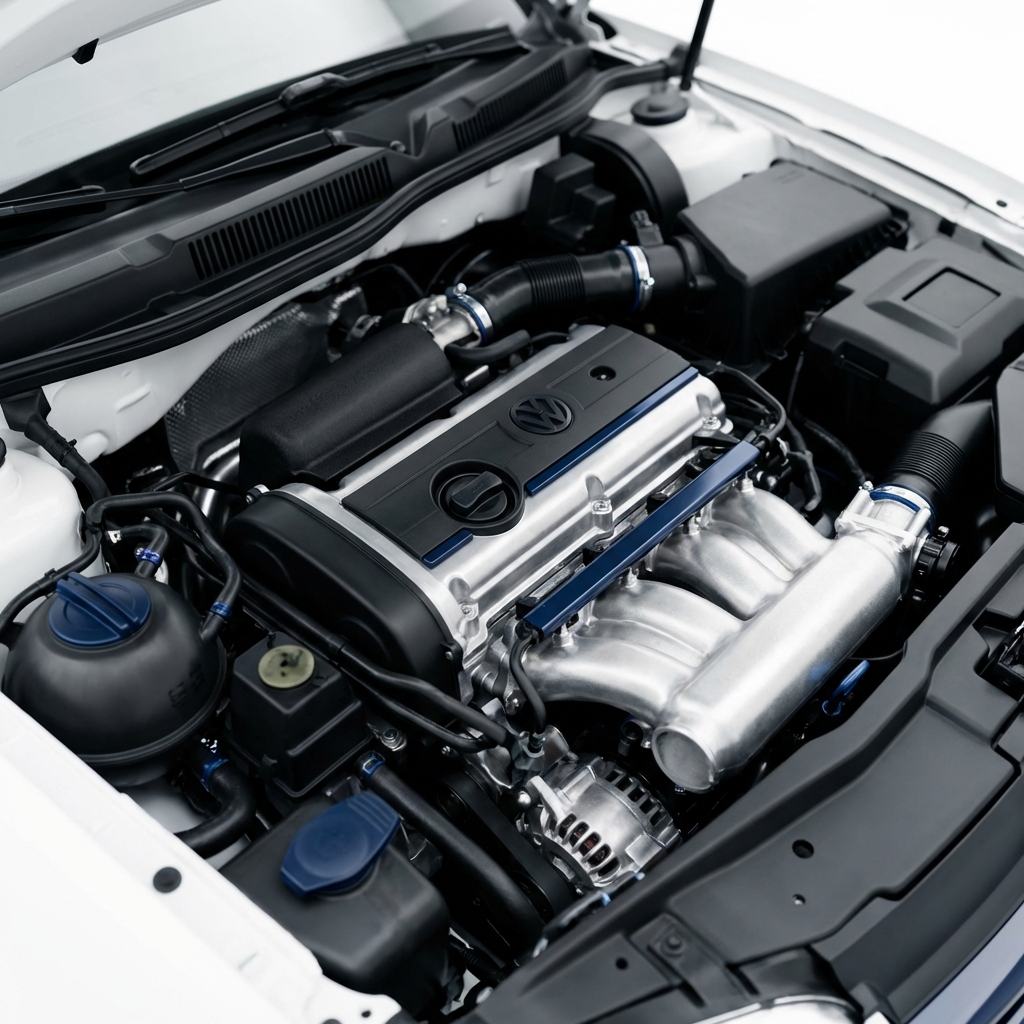
TSI (turbocharged petrol): Many VW petrol engines carry the TSI badge - the EA888 family is a well-known example. Properly serviced EA888 engines often give long life, but some model years and variants showed timing-chain or tensioner issues and occasional oil consumption. Many owners report trouble-free lives well past 200,000 miles, though you should research the exact generation when shopping. For a practical checklist of things to watch, see the article "Simple Ways to Keep Your VW Running Smoothly in 2025" for owner-focused habits and service tips.
TDI (turbocharged diesel): Diesel engines often last longer in steady highway use because they run at lower revs and under different load patterns. Properly maintained TDI engines can exceed 300,000 miles. Their recurring repair areas often include injectors, EGR systems and diesel particulate filters (DPF), especially in cars used mostly for short, stop-and-go trips.
Maintenance: the single biggest factor
Want a practical answer to how long do VW engines last? Follow the maintenance. Owners who stick to service schedules, use the manufacturer-recommended oil, and fix small issues early routinely add tens of thousands of miles to an engine’s life. This is not automotive folklore - it’s a pattern repeated across many long-lived VWs. You can also find general owner-focused service suggestions in the CarFax Deals blog if you want a starting point for maintenance guides.
Essential maintenance checklist
Oil and filter: Use the oil grade and specification VW recommends. Change it on schedule - and earlier if you drive in severe conditions (lots of short trips, heavy towing, dusty roads).
Timing chain and tensioner inspections: For known TSI variants, treat any rattling at cold start or camshaft-related error codes as urgent. A worn tensioner can be cheap to fix early and ruinous if left to fail.
Intake and carbon control: Direct-injection engines don’t wash intake valves with fuel, which allows carbon buildup. Periodic walnut-blast or equivalent intake cleaning can restore performance and prevent misfires.
Turbo care: Allow the turbo to reach operating temperature on longer drives and cool down at idle after hard driving. Short trips and repeated cold starts are tough on turbos.
Diesel-specific items: Monitor DPF regeneration, watch for EGR buildup and have injectors checked if rough running appears. City driving that never completes regeneration cycles is a common cause of diesel repair bills.
Typical problem clusters and what they cost
Here are common issues and realistic cost ranges so you can make informed decisions as an owner or shopper.
Timing chains and tensioners
On some TSI engines, timing-chain tensioner failure is a notable risk. Early repairs (tensioner or guide replacement) can be a few hundred to over a thousand dollars depending on labor. If the chain jumps or fails, it can bend valves or damage pistons - repairs that escalate into multiple thousands and sometimes exceed the car’s market value. For context on expected chain lifespans see "How Long Should a Timing Chain Last in Modern Vehicles?" which outlines typical design expectations and mileage ranges.
Oil consumption and leaks
Some 1.8 and 2.0 TSI variants are known to use oil at accelerated rates. Fixes range from inexpensive (valve-cover gasket or PCV parts) to costly (piston rings, longblock work). Expect small-seal jobs to cost a few hundred dollars and major internal repairs to be four-figure projects.
Carbon buildup
Walnut-blast or chemical cleaning of intake valves typically costs a few hundred dollars. Left unchecked, carbon causes rough idle, misfires, and lower fuel economy - problems that can lead to expensive component replacements if misdiagnosed.
Diesel fuel-system parts
Injector or high-pressure pump repairs can range from several hundred per injector to a few thousand for multiple components. DPF or EGR repairs also add up, especially if previous owners drove mostly short trips.
Full engine replacement
If an engine seizes or suffers irreparable internal damage, a replacement longblock or remanufactured engine can cost several thousand dollars installed. When replacing the engine is expensive compared to a car’s value, sellers and buyers need VIN-level detective work to avoid surprises.
How to extend VW engine life — practical steps you can follow
Maintenance tips are only valuable if they’re specific. Below are actionable, prioritized actions that cost little but return the most miles.
1. Use the right oil and change it regularly
Modern VW engines often require oils meeting VW or ACEA specifications and specific viscosities. Using the correct oil and timely oil changes protects bearings, reduces wear, and helps prevent carbon formation. Consider slightly shorter change intervals if you do heavy city driving or frequent short trips.
2. Be proactive about timing-chain health
If your model is from an engine family with known chain or tensioner issues, ask for inspection records and listen carefully on cold starts during a test drive. If you hear any rattle or a camshaft-related code appears, get it inspected sooner rather than later. Owner discussions such as this forum thread show why early checks are common advice among experienced owners.
3. Control carbon on direct-injection engines
Periodic intake cleaning (walnut-blast or other effective service) removes buildup on valves and intake tracts. If you notice rough idle, frequent misfires, or loss of low-end power, ask about a carbon-cleaning service before replacing other parts.
4. Drive reasonably and warm the car up
A handful of warm-up minutes and occasional longer highway trips help burn off deposits and let turbochargers and lubricated bearings reach optimal temperatures. That simple behavior reduces long-term wear.
5. Watch warning signs
Small leaks, an intermittent engine light, or slightly increased oil consumption are early warning signs. Fixing these is nearly always cheaper than waiting.
Buying used: what to look for and the power of VIN-level history
When you’re shopping, pre-purchase checks and history reports are the best investment in avoiding a bad engine surprise. Ask for compression and leakdown tests, and have a VW-savvy mechanic do a thorough inspection. A clear report snapshot often reveals service patterns at a glance. You can also order a VIN report directly from the CarFax Deals VIN product page if you want the official report: VIN report.
Tip: Before you commit, run a VIN report on CARFAX Deals to check service records, accident history, title status, and mileage verification — factors that directly affect how long do VW engines last in real ownership.
Pre-purchase checklist
Documentation: Look for consistent oil-change entries, timing-chain inspections, and any records of major repairs. Vehicles with consistent records tend to continue well.
Inspection: Compression and leakdown tests reveal internal wear. A mechanic can also check for turbo oil contamination, signs of oil consumption around the intake, and DPF regeneration history on diesels.
Test drive: Listen to cold start, watch for hesitation or misfires under load, and note how the turbo builds boost. Test-drive behavior often reveals what service records miss.
Main Question
Car owners often ask something surprising and practical that sums up their worry:
In heavy short-trip use, engines tend to have shorter lifespans unless the owner offsets that pattern with more frequent oil and filter changes, periodic highway runs to complete DPF regenerations, and intake-carbon control. With disciplined maintenance, even city-driven VWs can reach the higher mileage ranges reported by many owners.
Answer: In heavy short-trip use, an engine’s life tends to be shorter unless the owner compensates with more frequent oil and filter changes, intentional highway runs to clear deposits, and occasional intake cleaning. Short-trip patterns increase the risk of DPF and carbon buildup, so disciplined maintenance is the counterbalance that helps the same engine reach the higher mileage ranges seen in more highway-focused cars.
Real-world owner stories — what they teach
Many owners back up the headline mileage ranges with real examples. One owner kept a 2014 Golf TSI to nearly 220,000 miles by sticking to a strict oil schedule, replacing the timing-chain tensioner at the first sign of rattle, and scheduling carbon cleanings every 60,000 miles. Another who bought a Tiguan with spotty documentation paid for injector and DPF work within five years - likely the cost of lots of short trips and inconsistent maintenance.
When major failures happen: choosing between repair, replace or move on
If you face a failing timing chain, a damaged head or a seized engine, decide based on the car’s overall condition, market value, and your intent to keep the vehicle long term. A remanufactured longblock can make sense for a well-cared-for car with good records. For an older high-mileage vehicle with inconsistent history, selling or trading for another car is often the sensible economic choice.
Cost-to-fix examples (rough ranges)
Minor oil-leak repair: $150–$600. Simple gasket/PCV fixes are inexpensive.
Timing-chain tensioner/guide job: $500–$2,500. Wide range due to labor and whether related parts need replacing.
Carbon cleaning (walnut blast): $300–$800. Preventive and often restores driveability.
Injector replacement (diesel): $300–$1,000 per injector depending on parts and labor.
Longblock replacement: $3,000–$8,000+ installed depending on engine and labor rates.
Do VW engines last 200,000 miles? Many do — disciplined maintenance commonly yields 150,000 to 250,000 miles on TSI engines and 300,000+ on well-maintained TDIs.
Are VW engines expensive to repair? Some major repairs can be costly, but routine maintenance is relatively affordable and offers the best mileage payoff.
Which VW engine is most reliable? Reliability depends on generation and care. Older, simpler naturally aspirated engines had fewer issues, but modern TSI and TDI engines can be long-lived with the right maintenance patterns.
Simple maintenance schedule you can follow
Every 5,000–7,500 miles: Oil and filter (or per VW interval depending on oil and driving conditions).
Every 30,000–60,000 miles: Check intake for carbon, inspect timing chain/tensioner if applicable, and service fuel/air filters.
Every 60,000–100,000 miles: Consider walnut-blast intake cleaning for direct-injection engines and inspection of major components.
Common mistakes owners make
First, skipping oil changes to save a short-term buck. Second, misunderstanding the impact of short trips and not compensating with maintenance. Third, ignoring early rattles or check-engine lights. Those small compromises multiply into expensive repairs later.
Quick decision flow for worrying noises or symptoms
If you hear a rattle at cold start: schedule an inspection and ask your mechanic to check tensioner condition and chain slack.
If you see increased oil consumption: track oil use, check for leaks, and have a compression test if consumption is abrupt.
If you experience frequent DPF regeneration issues (diesels): change driving patterns to include highway runs or have the DPF professionally cleaned or serviced.
How CarFax Deals helps shoppers avoid surprises
VIN-level reports surface service entries, accident history and title events that change the odds of future engine problems. While they don’t reveal everything, a consistent service record on a VIN report is a strong positive signal. If a listing on the market pairs a clean history with service detail and regular maintenance entries, that car is more likely to reach the upper mileage ranges mentioned earlier.
Final practical tips before you go
Keep a simple service log, even photos of shop receipts. When you sell, that record increases buyer confidence. When you buy, a VIN-level report plus a mechanic’s inspection is the best single combination to reduce risk. And remember the core question we started with: how long do VW engines last? With consistent care, the answer for many VWs is a long and useful life.
Parting thought: A car with a clear VIN history and consistent maintenance is usually a better long-term bet than one with a clean odometer and no records. Engines reward boring, steady care - not extreme fixes when things break.
Check VIN-level history before you buy
Find cars with verified histories: Before you commit to a test drive, run a VIN check on CARFAX Deals to see service records, accident history and pricing context that help you judge how long do VW engines last in the cars you’re considering.
Yes — many Volkswagen engines, especially when properly maintained, reach 150,000 to 250,000 miles. TSI petrol engines often fall in that range with consistent oil changes, attention to timing-chain health, and carbon control. Some TDI diesel engines, driven primarily on highways and well maintained, commonly exceed 300,000 miles.
Common issues include timing-chain and tensioner failures on some TSI engines, higher-than-normal oil consumption on specific 1.8 and 2.0 TSI variants, carbon buildup on direct-injection engines, and injector/DPF/EGR wear on TDI diesels. Costs range widely: small gasket or PCV fixes: a few hundred dollars; walnut-blast intake cleaning: several hundred dollars; timing-chain/tensioner work: typically $500–$2,500 depending on severity; longblock or replacement engines: several thousand dollars.
VIN-level reports (like those available via CARFAX Deals) display recorded services, accidents, title changes and mileage checks. Consistent service entries, especially oil services and major inspections, improve confidence that the engine was maintained — a leading predictor of longer engine life. Use VIN reports alongside a mechanic’s inspection for the best picture.
In short: many Volkswagen engines last a long time when treated with consistent, sensible care; with the right maintenance and a good VIN history report, your VW is likely to keep running reliably — happy driving and may your oil always be clean!

 Blog
Blog

