Which Nissan car is the most reliable? Practical guide for used buyers
A clear, step-by-step guide to finding the most reliable Nissan for used buyers. Learn why CVTs matter, which model types tend to hold up best, how to read CARFAX histories, and a practical inspection and buying checklist. This article shows how to turn depreciation into opportunity, spot transmission red flags, and use CARFAX Deals to surface listings with verified histories so you buy with confidence.
A rav4 used for sale can be a sensible pick for many research-oriented buyers because reliability aggregators rate the model above average and safety ratings are generally strong. This guide explains how to vet listings, what model years tend to be better, and a step-by-step checklist to reduce risk before you buy.
This guide explains how to estimate the cost of buying an R34 Skyline, with attention to import rules, condition-driven price tiers and landed cost. It shows which factors move value, how to verify history and paperwork, and offers a checklist you can follow when you search for a nissan skyline r34 for sale.
This guide helps buyers set realistic expectations for tacoma trucks for sale by explaining the main price drivers and a repeatable method to build conservative, typical, and ambitious offer ranges. It shows how the 2024 redesign, valuation guides, and vehicle history reports interact to change asking prices and reduce purchase risk.
If you’re weighing used Nissans, the key question isn’t only the model — it’s the model year, transmission type, and service history. This guide explains how to find a dependable Nissan by focusing on transmission profiles, documented maintenance, and practical inspection steps.
1. Trucks and large SUVs (Frontier, Titan, Armada) often use conventional automatics and generally show steadier long‑term reliability than CVT‑equipped sedans.
2. Avoid older CVT‑equipped model years without documented CVT fluid service — a missing CVT record is one of the strongest red flags.
3. CARFAX Deals pairs listings with verified CARFAX Vehicle History Reports so you can quickly check ownership, accident, and service records before visiting a seller.
Which Nissan car is the most reliable? That question sits at the top of every used‑car shopper’s list when a Nissan badge is on the hood. If you want a dependable Nissan without getting surprised by big repair bills, this guide walks you through the key signals to look for, the models that tend to age better, and the practical steps to verify a vehicle’s history and condition.
Early on, keep one phrase in mind: a reliable Nissan is more about the car’s story—service records, transmission type, and how it was used—than the badge itself. Read on and you’ll learn exactly which Nissan model types and model years are worth prioritizing, why CVTs matter, and how to use verified history tools to reduce risk.
Why Nissan reliability varies so much
Nissan’s reputation is not uniformly strong or weak — it’s mixed. Some Nissan models are famously durable; others have recurring issues tied to specific components. The single biggest recurring problem seen in public data between the late 2000s and mid‑2010s is transmission complaints, mostly linked to Nissan’s use of continuously variable transmissions (CVTs) in many sedans and crossovers. That matters because a reliable Nissan should be predictable in repairs and maintenance.
CVTs can provide smooth acceleration and better fuel economy, but they also introduce different failure modes than traditional automatics. Heat, skipped fluid services, or long‑term wear often show up as shuddering, hesitation, or loss of drive. If you’re shopping used, the difference between a trouble‑free CVT and a problem CVT often comes down to documented service and whether Nissan applied known software or hardware updates for that model year.
What public data tells us
Reports from NHTSA, owner forums, and independent reliability surveys show that some Nissan sedans and crossovers accumulated more CVT complaints than competitors in specific years. Brand‑level surveys (like Consumer Reports or J.D. Power) may score Nissan below the top reliability leaders, but those scores hide useful detail: many Nissan models in later generations earned improved reliability once Nissan revised CVT calibration, cooling, or service schedules.
Start your search with a clear filter: drivetrain and records
If your goal is a reliable Nissan among used cars, begin by filtering listings by transmission type and service history. Prefer conventional torque‑converter automatics or later CVT‑equipped generations that show documented improvements. A simple rule: avoid older CVT‑equipped model years without proof of CVT fluid service or dealer software updates. For step‑by‑step guidance on using these filters efficiently, see the how‑to page at https://carfaxdeals.com/how-to-use.
Tip: If you want a fast way to find listings with verified histories, consider using Run a CARFAX report on CARFAX Deals to quickly see accident records, ownership history and service notes that matter to reliability.
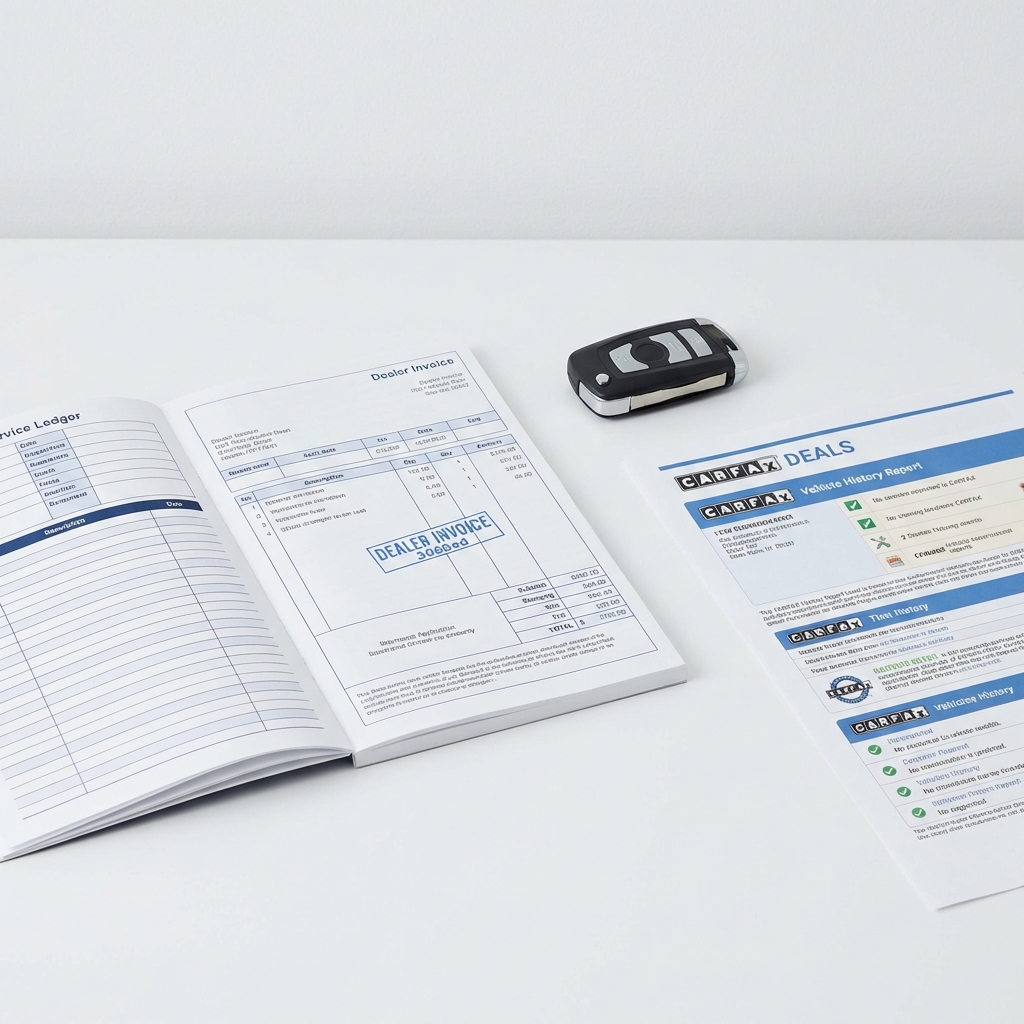
That short, practical step often separates a confident purchase from a risky one. A car with a clear, continuous service record — stamped dealer invoices, documented CVT fluid changes, cooling‑system maintenance — is far more likely to behave like a reliable vehicle than one sold with no paperwork.
How to read the transmission story
Understanding CVTs is essential. Unlike a conventional automatic with a set number of gears, a CVT uses a belt or chain and a variable ratio system controlled hydraulically and electronically. The pros are smoother acceleration and efficiency gains. The cons are vulnerability to heat and dependence on correct service intervals and fluid types.
For buyers: red flags include mention of transmission replacement, shuddering, delayed engagement, whining at steady speeds, or a lack of any recorded CVT service. Green flags include documented CVT fluid changes, dealer reprogramming or TSB (Technical Service Bulletin) work, and long highway test drives with no symptoms. When checking TSBs, review official NHTSA service bulletins such as NHTSA TSB MC-10211991-0001 for details specific to certain model years.
When a CVT problem becomes expensive
A routine CVT service is inexpensive, but a rebuilt or replaced CVT is costly. For many shoppers, the math changes: a cheap Nissan with a failing CVT can become a far more expensive ownership proposition than a slightly pricier vehicle with a conventional automatic and a full history.
Which Nissan models tend to be most dependable
Rather than seeking a single champion, think by category. That approach produces practical shortlists depending on use and priorities.
Trucks and large SUVs
Nissan trucks (Frontier, Titan) and larger SUVs (Armada) typically use conventional automatics. These drivetrains are mechanically familiar to most shops and often have steadier, easier‑to‑predict repair costs. If your priorities are towing, payload, or long service life under heavy use, these models are often the better bet for a reliable Nissan in the long run.
Compact and midsize sedans and crossovers
These are where CVTs have been most common. Popular models like the Sentra, Altima, Rogue, and Kicks offered CVTs in many model years. But later generations or higher trims sometimes used revised CVT calibrations or offered conventional automatics. Look specifically for those later years or the trims that avoided CVTs if your tolerance for risk is low.
Electric and hybrid models
EVs and hybrids have different reliability patterns — fewer moving parts in the drivetrain, but more dependence on electrical systems and software. Nissan’s Leaf, as an example, removes the CVT variable from the equation entirely, though battery degradation and charging history become the key concerns. For buyers focused on long‑term reliability, an EV with a documented battery health history and original owner service records can be a strong choice.
Model-year nuance: don’t judge a model by its badge alone
One of the most important lessons is that reliability often changes by model year. A 2016 Nissan that experienced many CVT complaints may have been followed by a 2018 redesign that improved transmission cooling and software. Those two cars can be priced similarly but carry very different risks. Always check the specific model year’s recalls, TSBs and complaint entries.
No — not all Nissan CVTs are unreliable. Many perform well when properly serviced and when Nissan applied known software or cooling updates for specific model years. The difference comes down to documented CVT maintenance, dealer updates, and whether the car shows symptoms like shuddering or delayed acceleration. Always verify service records and get a PPI to reduce risk.
That curiosity pays off: small details in a service record or a single TSB entry can change your buying decision faster than headlines or brand perception.
How to evaluate a used Nissan listing: a checklist
Turn the detective routine into a checklist you can run through in minutes. Here’s a practical, prioritized inspection list to use when evaluating any used Nissan.
Paperwork
1) CARFAX and vehicle history report: Confirm no frame, flood, or salvage title. Look for consistent service entries. One or two lines don’t cut it — prefer continuous maintenance records. Pull a VIN report or vehicle history at https://carfaxdeals.com/vinreport.
2) Owner count and usage: Single owner with clear uses (commuting vs heavy towing) is better. Multiple short-term owners or commercial use should raise caution.
3) Recalls and TSBs: Check NHTSA records and the manufacturer site for outstanding recalls and common TSBs for that model year.
Mechanical and test‑drive checks
4) Transmission behavior: On a long drive, test for shuddering, delays, wandering RPMs at steady speeds, or whining noises.
5) Cooling system and radiator: Evidence of overheating history or recent coolant flushes is helpful. CVTs are heat‑sensitive.
6) Oil and filter history: Regular oil changes suggest a conscientious owner — a surprisingly strong signal for overall care.
7) Underbody and frame: Look for signs of rust, heavy off‑road use, or poor repairs after accidents.
Professional inspection
8) Pre‑purchase inspection (PPI): A mechanic who knows Nissan CVT quirks should perform the PPI. Ask them to check for software updates and to inspect the transmission mount, cooling lines, and the presence of CVT fluid stamps on records.
Pricing and depreciation: use the market to your advantage
Nissan models often depreciate faster than some competitors. That can be a benefit if you’re diligent: buy a later‑generation model with improved parts and a strong service record at a meaningful discount. But beware of price drops driven by known problems. If a model year has many complaints, the market price may be low for good reason.
Consider three pricing scenarios: buy cheap and gamble on repairs; buy slightly more for a better history; or pay a premium for certified pre‑owned (CPO) coverage. Each route has tradeoffs. Often the middle option — a well‑documented used car with no drama — wins for long‑term value.
Realistic cost expectations
Estimate repair exposure before making an offer. A routine CVT fluid and filter change is inexpensive. A replacement CVT or full rebuild can run into the thousands. Conventional automatics still fail sometimes, but repairs and parts are often cheaper and more familiar to independent shops.
Include insurance, tires, and typical wear‑items in your budget. Older Nissans that depreciate fast may offer lower insurance premiums, but neutralize that benefit against possible large repair bills.
Model picks for different buyers
Here are practical model suggestions framed by the buyer’s priorities. These aren’t guarantees — they are starting points that pair real world use with known drivetrain profiles.
For the commuter who wants the least drama
Look for later‑generation Sentra or Altima models where Nissan tightened CVT operation, or trims that offered a conventional automatic. If possible, target original‑owner cars with regular service and documented CVT fluid changes. A reliable Nissan for commuting means predictable maintenance and no surprise transmission work.
For the family who needs space and longevity
Consider Nissan’s larger SUVs and crossovers where a conventional automatic is used or where later redesigns improved the drivetrain. Vehicles with complete service histories and consistent ownership records are gold here.
For towing and work
Frontier and Titan pickups with conventional torque‑converter automatics are often the easier choice. They may not match small crossover fuel economy, but they typically produce fewer CVT‑related headaches and have a straightforward repair path for most issues.
Inspection scripts and questions to ask the seller
When you call or message a seller, use focused questions to quickly surface critical info. These simple scripts save time and weed out risky cars:
“Is the car CVT‑equipped?” If yes, ask for dates and receipts of CVT fluid services. If a seller can't provide documentation, mark the car as risky unless the price and inspection suggest otherwise.
“How many owners and what was the car used for?” Commercial or heavy‑towing use often warns of accelerated wear.
“Any recurring issues or check‑engine lights?” Honest sellers will usually disclose known problems; evasive answers are a red flag.
Pre‑purchase inspection checklist to hand the mechanic
Give your mechanic a short list so nothing important is missed. Include: transmission behavior diagnosis, CVT software update check, cooling‑system pressure test, brake and suspension inspection, and a road test that includes sustained highway driving.
Common myths and reality checks
Myth: A low price always means a bargain. Reality: Low price can hide pending expensive repairs. A documented CVT replacement or recent major engine work should be priced into the deal.
Myth: CARFAX shows everything. Reality: CARFAX is powerful but not exhaustive. Use a CARFAX report together with a PPI, owner interview, and recall/TSB checks. For context on legal and consumer issues tied to CVT failures, see reports such as what are the problems with Nissan CVT transmissions.
Examples that illustrate the difference
Real examples make this concrete. Picture two listings of the same model:
Car A: 2015 compact crossover, CVT‑equipped, two previous owners, a past accident on the CARFAX and no recent transmission service entries. Price is tempting but the risk is high.
Car B: 2019 of the same model, one owner, dealer‑stamped service records including a CVT fluid service, and fewer NHTSA complaints for that year. Slightly higher price but far lower near‑term risk.
Which do you pick? For long‑term reliability, Car B is usually the smarter buy.
Maintenance habits that predict longevity
Some habits are small but powerful signals. Regular oil changes, scheduled coolant flushes, and documented brake and tire maintenance show care. For CVT cars, look for explicit CVT fluid services and any dealer‑applied software updates. Those signs often reduce the probability of a major near‑term repair.
When to walk away
If the seller resists a PPI, can’t show service records, or the test drive reveals transmission shuddering, it’s reasonable to walk away. A used car market has plentiful options; the patient buyer rarely loses out.
How to leverage depreciation as a buyer
Because many Nissan models lose value faster than some rivals, you can often buy later generations that solved earlier issues at a discount. Focus on years where Nissan applied revisions to the CVT system or improved cooling and software. That creates buying opportunities if you’re specific about the model year and the service history.
Tools like CARFAX Deals are useful because they pair listings with verified CARFAX Vehicle History Reports and price‑quality labels. That reduces time spent on risky listings and surfaces cars with clearer histories. Use these tools to narrow your shortlist, then verify everything with documents and a PPI.
Cost comparison and a conservative math example
Estimate potential costs before making an offer. Suppose a cheap CVT car is $3,000 less than a well‑documented non‑CVT rival. If the CVT needs a $4,000 repair within the year you own it, you’ve lost money overall. A conservative rule is to discount cheap cars with questionable history by an amount equal to a likely major component repair. That keeps offers realistic and protects you against surprise expenses.
Final buying strategy in three steps
1) Narrow by drivetrain: prioritize conventional automatics unless CVT service is proven. 2) Verify the paper trail: CARFAX, recalls, TSBs and service records. 3) Insist on a PPI that includes CVT software checks and a sustained highway test.
FAQ snapshot
Which Nissan model is the most reliable? There’s no single answer across all years. Trucks and large SUVs with conventional automatics often show steadier long‑term records; later generations of sedans and crossovers with documented CVT service also perform well.
Should I avoid CVTs entirely? Not necessarily. CVTs can be reliable if properly serviced. Avoid older CVT cars without documented service and seek models with known software and cooling improvements.
How much can a CVT repair cost? Major CVT repairs or replacements can run into the thousands. Factor potential repair costs into your offer.
Short buying checklist to keep in your phone
– Check if the car is CVT‑equipped. – Request written CVT service receipts. – Pull a CARFAX report and review ownership and accident history. – Confirm recalls and TSBs for the exact model year. – Book a PPI with a Nissan‑experienced mechanic and insist on a highway test.
Parting thought
A reliable Nissan is less about a single model name and more about the evidence: service records, transmission type, and a clean, verifiable history. Read the paper trail as closely as you drive the car on the road. The better the documentation and inspection, the more likely your used Nissan will be a practical, dependable companion.
Reduce risk before you visit the seller
Want one fewer unknown in your search? Run a CARFAX report to see ownership history, service entries and accident records before you call the seller — it’s a fast way to focus on lower‑risk listings. Run a CARFAX report and start narrowing your options with data you can trust.
There isn’t a single most reliable Nissan across all years. Trucks and large SUVs with conventional automatics tend to have steadier long‑term records, while sedans and small crossovers with CVTs vary by model year. Prioritize later generations with documented CVT service or trims that used conventional automatics, and always verify service history and recalls for the exact model year.
Not necessarily. CVTs can be smooth and efficient, but they require documented maintenance and sometimes software updates. Avoid older CVT‑equipped examples without proof of CVT fluid service. If a seller provides dealer records showing regular CVT service and any relevant TSB work, the risk is significantly lower.
CARFAX Deals pairs used‑car listings with verified CARFAX Vehicle History Reports and price‑quality labels, helping you quickly spot clean titles, single‑owner cars, and consistent service histories. Use the platform to narrow your shortlist, then confirm details with a pre‑purchase inspection and direct document review.
In short: the most reliable Nissan isn’t a single badge, it’s the car with the clearest history, the right drivetrain for your needs, and proof it was cared for—walk away from mystery and choose the evidence-backed option. Happy hunting and safe driving!


 Blog
Blog