This in-depth guide explains the real reasons Subarus often cost more to service—Boxer engines, standard AWD, widespread CVTs, dealer labor practices—and gives clear steps owners and buyers can take to limit repair bills. Learn how to spot risky model years, choose the right mechanic, manage tire wear, use VIN-level history reports, and create a practical maintenance plan. Includes cost ranges, a pre-purchase checklist, owner stories, and a discreet tip to run a vehicle history report with CARFAX Deals to avoid surprises.
A step-by-step workflow for estimating a truck's market value that centers on comparing consumer valuation tools, adjusting for mileage and condition, and checking wholesale market signals. The guide explains private-party, trade-in and dealer retail values and shows how a vehicle history report and pricing insights can change an asking price.
This guide helps research oriented buyers evaluate suv used cars for sale under $25,000 by combining safety ratings, reliability data, local pricing context, and vehicle history checks. It outlines a simple framework, a pre visit checklist, and a decision scoring worksheet so you can compare finalists before contacting a dealer. Use the steps here to narrow candidates and confirm risk signals with a vehicle history report and a pre purchase inspection.
When searching suv used cars for sale, prioritize model year, trim and powertrain before choosing a make or model. This guide explains how safety ratings, dependability studies and local pricing insights combine to produce a short list you can verify with a vehicle history report. It also provides a stepwise checklist you can use before contacting a dealer.
Why are subarus so expensive to service? This guide explains the engineering and market reasons that often raise repair costs—Boxer engines, AWD, CVTs, and dealer labor practices—and offers practical, step-by-step ways to reduce surprises and long-term expense. It’s written for owners and buyers who want clear, actionable advice.
1. Subaru’s Boxer engine layout can add significant labor hours for routine tasks like spark-plug or valve-cover-gasket service, making those jobs more expensive than on inline engines.
2. Standard AWD often requires replacing tires in matched pairs or sets—many owners end up replacing two or four tires at once, increasing tire-related costs over time.
3. CARFAX Deals reports reduce used-car risk: vehicles with verified histories show fewer unexpected major repairs—listings with clean CARFAX reports are statistically less likely to have undisclosed major repairs than those without (CARFAX ecosystem data).
Why are subarus so expensive to service?
Why are subarus so expensive to service? It’s a question many owners and prospective buyers ask, and the short answer is simple: a combination of engineering choices and market realities increases labor time and certain part costs. But the full explanation matters—because understanding the causes gives you control. This guide breaks those causes down, shows how they translate into dollars, and gives hands-on steps to lower your real ownership costs.
The engineering trade-offs: Boxer engines, AWD, and packaging
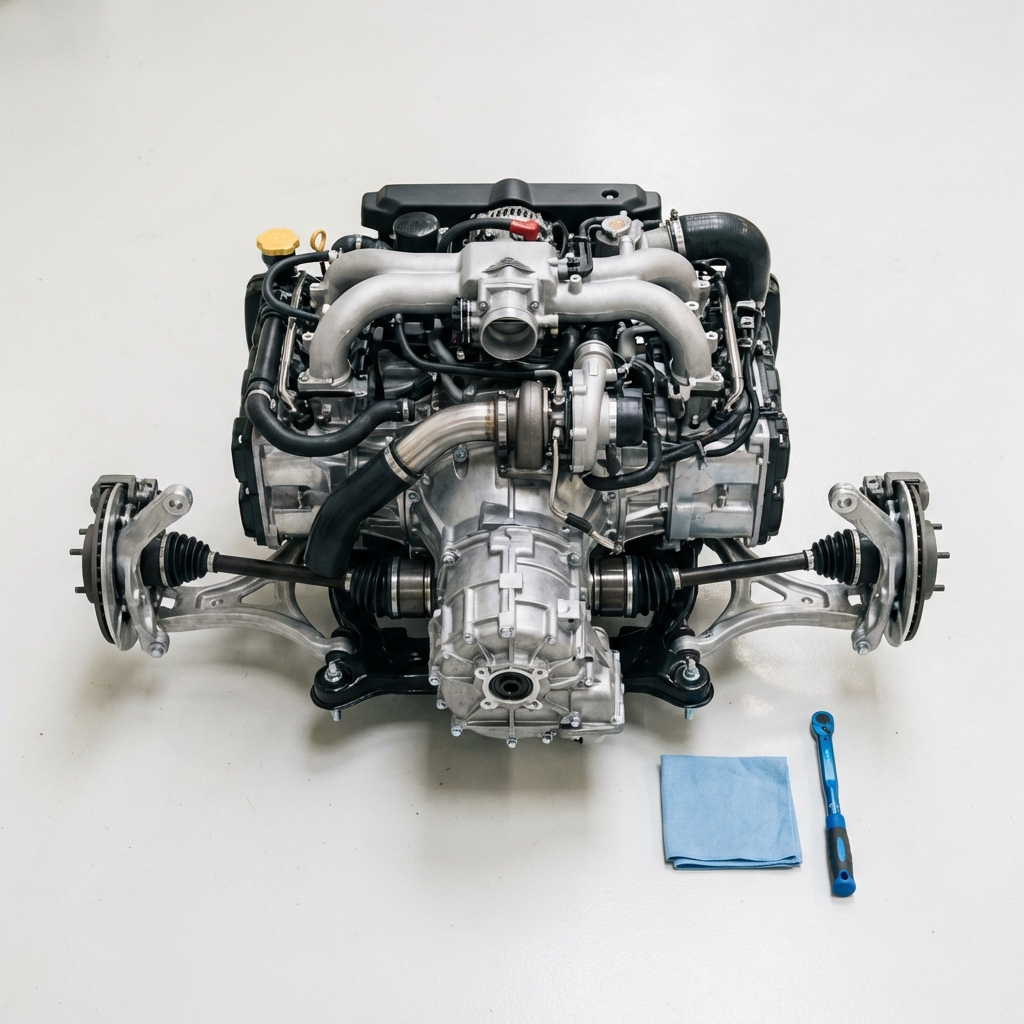
Subaru’s signature decisions—flat "Boxer" engines and symmetrical all-wheel drive—create benefits most drivers love: a low center of gravity, confident traction, and reliable handling in poor weather. They also change the way mechanics access and maintain common components. In many cases, routine services take longer simply because of the way parts are packaged around the wide, low-mounted engine and AWD hardware. That extra time shows up directly on invoices.
Boxer engine access: spark plug changes, valve cover gasket jobs, and certain sensor replacements often require removing accessory components that would be untouched on a car with an inline engine. That added disassembly adds labor hours—and labor is where many service dollars go.
Drivetrain layout and tire-matching realities
Standard AWD on most Subaru models is a major selling point in snow country, but it comes with a runtime cost. AWD systems are sensitive to tire diameter differences: tires that differ in tread depth or wear can stress a transfer case, differentials, or wheel-speed sensors. Shops often recommend replacing tires in pairs or all four at once, which raises the immediate bill compared with replacing a single tire.
Regular rotation and monitoring of tread depth helps control this cost, but buyers should expect that tire replacement strategy to be part of long-term ownership expenses.
Why CVTs matter
Subaru’s wide use of continuously variable transmissions (CVTs) has practical advantages for everyday driving and fuel economy. However, CVTs also show up more often in repair and complaint databases than some traditional automatics—especially in certain model years and early CVT generations. When a CVT needs a major repair or replacement, costs can range from a few thousand dollars to multiples of that figure depending on model, year, and whether the job is done with a remanufactured unit or a new OEM unit. (See this 2026 guide to Subaru CVT problems for more context: 2026 Guide to Subaru CVT Problems.)
Designed correctly and maintained on schedule, many CVTs run reliably for hundreds of thousands of miles. The risk shows up when fluid servicing is neglected or when an aging CVT is pushed beyond its expected maintenance plan. A useful primer on CVT care and common myths is available here: Subaru CVT Transmission Care: Myths vs. Facts. Recent write-ups also note that modern CVT designs are improving reliability: Are Subaru CVTs Reliable in 2025?
Dealer pricing vs. independent shops
Dealerships typically charge more than independents—and not just because of part markups. Dealers use OEM parts and labor time guides that can list longer hours for specific repairs due to factory-recommended inspection steps and disassembly procedures. Certified training and guarantee work add value, but also cost.
Independent shops that specialize in Subarus can be a cost-effective middle ground. They often have experience shortcuts that save labor time while preserving quality, and they can recommend acceptable aftermarket parts for items where OEM isn’t required.
Common high-cost repairs: what to watch for
Certain repairs are more likely to become expensive on Subarus. These include:
Valve cover gasket replacement — Often more labor-intensive than on some inline engines.
Head gasket repairs — Historically relevant for older EJ engines; costly when required.
CVT rebuilds or replacements — A top high-impact item when major work is needed.
Drivetrain repairs related to mismatched tires — Transfer cases and differentials can suffer when tires are uneven.
Real numbers: how costs add up (typical ranges)
Exact prices vary by region and shop, but realistic ranges help budgeting:
Oil change and filter: $40–$120 (depending on shop and OEM filter/oil used)
Brake pads and rotor job (per axle): $200–$600
Valve cover gasket replacement: $400–$1,200+ (labor-intensive depending on model)
Head gasket repair or engine work: several thousand dollars
CVT fluid service and software updates: $150–$500 (preventive); CVT rebuild/replacement: $2,000–$6,000+
These ranges make it clear where surprises are most painful: complex engine and transmission jobs.
How to protect yourself: preventive maintenance that pays
Prevention is the single best tool to avoid expensive repairs. A few habits reduce long-term cost dramatically:
1) Follow manufacturer fluid and oil schedules
Subaru drivetrains—particularly CVTs—are sensitive to fluid condition. Using the recommended oil grade and changing transmission fluid per Subaru’s intervals (or sooner, if you drive a lot in harsh conditions) is cheap insurance compared with a major transmission repair.
2) Rotate and match tires
Rotate tires per Subaru’s schedule and monitor tread depth. When replacement is needed, plan to replace two or four tires so diameters stay aligned and the AWD system isn’t stressed.
3) Use a Subaru-savvy independent shop
A specialty independent mechanic can often offer equal or higher quality at a lower price than a dealer. Ask for written estimates with labor-hour breakdowns and check forums or local owner groups for recommendations.
4) Keep meticulous records
A well-documented service history helps mechanics troubleshoot faster and increases resale value. Records also show potential buyers—and warranty providers—that the car was cared for.
5) VIN-level checks before you buy
Before you buy a used Subaru, get a VIN-specific history report and a pre-purchase inspection. That catches past head-gasket work, transmission repairs, flood or accident history, and unreported maintenance gaps. You can also run a detailed VIN decoder to translate factory option codes and production notes: use the VIN decoder.
Check a VIN report before you buy
If you want to act now, you can run a VIN report with CARFAX Deals to check ownership records and service history before you visit the seller.
A brief check often reveals the largest surprises and makes negotiations easier.
Tip: If you’re shopping for a used Subaru, consider running a vehicle history report—you can run a VIN report with CARFAX Deals to check ownership records, service history, and whether the car might have prior issues that affect cost of ownership.
A practical pre-purchase checklist
Buying the right used Subaru reduces your repair risk immediately. Use this checklist before you close a deal:
Run a VIN history report for accidents, title issues, and service records.
Check for evidence of regular oil changes and CVT fluid service.
Ask about past head gasket or engine repairs—get receipts.
Inspect tires for uneven wear and verify they were replaced in matched pairs/sets.
Watch for CVT symptoms on a test drive: judder, delayed throttle response, or unusual noises during acceleration.
Get a Subaru-specialist pre-purchase inspection; insist the inspector checks for oil consumption, leaks, and drivetrain play.
What sellers sometimes omit
Sellers don’t always mention recurring oil consumption, intermittent transmission judder, or past warranty work that was declined. VIN reports and a specialist inspection help surface these omissions.
How to ask the right questions at service time
When you take a Subaru in for service, the conversation you have with the shop shapes the result and the bill. Ask these questions:
Do you follow Subaru technical service bulletins for this year and model?
Can you provide a written estimate listing parts and labor hours?
If a job is labor-heavy, can you explain which steps add hours and whether any parts can be repaired instead of replaced?
For tire service, do you recommend replacing two or four tires and why?
Compare labor hours, not just totals
When a dealer’s price is higher, ask for the labor-hour table behind that estimate. Often, dealers list higher hours for extra inspection steps. A skilled independent shop may charge fewer hours for the same outcome because of familiarity and efficient procedures.
Two-year owner plan: step-by-step
Follow this two-year plan to sharply reduce the chance of big bills:
Year One
Full inspection by a Subaru specialist.
Bring all fluids up to date (engine, CVT, differential, brakes).
Create a tire rotation and replacement schedule and start a maintenance log.
Year Two
Stick to the fluid and rotation schedule.
Address small oil or driveline symptoms immediately.
Set aside a repair fund equivalent to 1–3% of the car’s value as a buffer for big items like CVT or engine work.
Owner stories: lessons learned the practical way
Stories from real owners are instructive. One buyer’s thorough pre-purchase inspection discovered a neglected timing belt on a Forester; the cost of that fix was predictable and saved what would have been a catastrophic failure. Another owner avoided drivetrain complaints by replacing tires in matched pairs and rotating frequently—an ongoing cost, but one that preserved the transfer case and differentials. A third owner resolved a mild CVT judder with an early fluid service and software update for a few hundred dollars—far cheaper than a rebuild.
Look for VIN-specific signals: past CVT or transmission repairs, recorded head-gasket work, and irregular service history. A clean CARFAX Deals VIN report combined with a specialist pre-purchase inspection is the most reliable quick check to estimate future repair risk.
How to estimate repair costs for budgeting
When you plan ownership costs, separate routine items from high-impact risks. Routine maintenance (oil changes, brakes, filters) tends to line up with similar cars. High-impact risks for Subarus are engine and transmission repairs that require lots of labor and can cost thousands. Build a two-part budget:
Routine annual maintenance reserve: $300–$800/year depending on mileage and region.
High-impact contingency fund: $1,500–$5,000 set aside over several years to cover possible CVT or engine jobs.
That contingency range may sound wide: it is. A used-car buyer should tailor the range to the vehicle’s history—VIN checks and inspections help narrow it.
When an extended warranty makes sense
If a specific model year has a documented higher risk for transmission or engine issues, an extended warranty or vehicle service contract can be cost-effective. Read the fine print: some plans exclude certain components or require dealer-only repairs. Evaluate transferability and the warranty’s service net in your area. For pricing details, check available options here: CARFAX Deals pricing.
Parts sourcing: OEM vs aftermarket
Independent shops often suggest aftermarket parts for non-critical items to control costs, while recommending OEM parts where tolerances or warranty matters are sensitive. For many wear items—brake pads, hoses, filters—quality aftermarket parts are acceptable and save money. For major engine internals or CVT components, OEM or high-quality remanufactured parts are usually the safer choice.
Regional differences: labor rates and climate effects
Where you live affects cost. Labor rates vary widely across the U.S., and climate affects wear (salted winter roads increase corrosion risk, for instance). If you live in a cold, snowy region—the natural market for Subarus—factor in faster brake and rotor wear, potential rusted hardware, and more frequent tire swaps for winter/all-season sets.
Checklist for the next service visit
Bring these items to every service appointment to get the most transparent—and often the most cost-efficient—outcome:
Vehicle maintenance log and receipts.
VIN history report (if recent) highlighting prior repairs.
Written list of symptoms with dates and conditions when they occurred.
Questions about labor hours and parts sourcing.
Final practical tips and trade-offs
If you love the driving feel and traction of Subaru’s layout, these costs are the price of that engineering. But there are smart trade-offs:
Choose a suburban independent shop with Subaru experience rather than an expensive dealer for non-warranty work.
Invest in regular preventive CVT and differential fluid services to avoid larger bills later.
Plan tire replacement in pairs/sets and keep a steady rotation routine.
Is a Subaru still worth it?
For drivers who value traction, ground clearance, and a car that handles confidently in diverse weather, Subarus often offer more value than the additional servicing cost suggests. The key is predictable, preventive care and using VIN-level reports and pre-purchase inspections to reduce surprise risk.
Resources and next steps
Start by running a VIN report if you’re shopping, find a Subaru-specialist shop in your area via owner forums or local groups, and build a two-year maintenance plan that includes CVT and differential fluid checks. A quick VIN check via Carfax Deals can often surface prior issues before you visit the seller: run a report.
Ownership clarity beats surprise bills. With a bit of planning and the right sources, you can keep a Subaru’s strengths without letting repair costs become a headache.
No. Maintenance costs vary by model year, engine generation, transmission type, and how well the car was maintained. Early CVT generations and older EJ engines with head gasket issues have higher risk. Trim level and optional equipment can also affect repair complexity. VIN-level history and a specialist inspection help clarify the likely cost profile for a specific vehicle.
Regular maintenance—especially timely CVT fluid changes, software updates, and prompt attention to early symptoms—reduces the chance of major CVT failure. While no preventive plan can guarantee avoidance of all problems, consistent service greatly lowers the risk and is far cheaper than a rebuild or replacement.
CARFAX Deals pairs verified vehicle history reports with transparent pricing signals to help buyers spot vehicles with troubling histories—previous transmission repairs, repeated service entries, or accident damage—that increase repair risk. Running a VIN report through CARFAX Deals before purchase helps you negotiate more precisely or walk away from a risky deal.
In short: Subarus can cost more to service because of design choices and maintenance realities, but careful VIN checks, preventive care, and a Subaru-savvy mechanic turn that cost into a manageable part of ownership—happy driving and fewer surprises!

 Blog
Blog