Are Volkswagens expensive to fix? What to expect and how to avoid big bills
Curious whether Volkswagens are expensive to fix? This deep-dive explains the real costs, common expensive failures (transmissions, timing systems, electrical faults), and practical steps to lower ownership risk. Learn model-specific scenarios, how to read service history, when to get a pre-purchase inspection, whether extended warranties help, and how CARFAX Deals can make used-VW shopping safer. Actionable checklists, cost ranges, and buying tips help you decide confidently.
A rav4 used for sale can be a sensible pick for many research-oriented buyers because reliability aggregators rate the model above average and safety ratings are generally strong. This guide explains how to vet listings, what model years tend to be better, and a step-by-step checklist to reduce risk before you buy.
This guide explains how to estimate the cost of buying an R34 Skyline, with attention to import rules, condition-driven price tiers and landed cost. It shows which factors move value, how to verify history and paperwork, and offers a checklist you can follow when you search for a nissan skyline r34 for sale.
This guide helps buyers set realistic expectations for tacoma trucks for sale by explaining the main price drivers and a repeatable method to build conservative, typical, and ambitious offer ranges. It shows how the 2024 redesign, valuation guides, and vehicle history reports interact to change asking prices and reduce purchase risk.
Are Volkswagens expensive to fix? Many shoppers ask this when deciding whether to buy a used VW. This article breaks down real-world costs, common high-ticket failures, regional and model differences, and practical steps—like using verified vehicle histories and focused inspections—to reduce the risk of surprise repairs.
1. Average annual Volkswagen maintenance was about $676 in 2024 (RepairPal), roughly matching the U.S. mainstream average.
2. A single DSG transmission or catastrophic timing-system failure can raise repair costs from hundreds to $1,500–$4,000+.
3. CARFAX Deals’ combined vehicle history and transparent pricing helps buyers reduce exposure to high-risk VW listings by surfacing service and accident history.
Are Volkswagens expensive to fix?
Are Volkswagens expensive to fix? It’s a question many buyers ask when they see a used Volkswagen on the lot or in a private ad. The honest short answer is: not always. The longer, more useful answer depends on the exact model, age, powertrain and a few specific failure modes that can turn a routine ownership year into an unexpectedly costly one.
Before we get into scenarios and numbers, here’s the bottom line: Volkswagen annual maintenance costs often sit near the national average for mainstream cars, but the brand carries a higher variance because a handful of failure types can be pricey when they appear. Understanding what those are, and how to spot early warning signs, is the clearest way to avoid surprise bills.
Why the question "Are Volkswagens expensive to fix?" keeps coming up
The reputation comes from two realities. First, certain VW systems (like the DSG dual-clutch transmission and some timing designs) are more complex than simple mechanical parts and can be expensive when they fail. Second, modern VWs have more electronics than older cars, and diagnosing intermittent electrical faults adds time and labor. But complexity alone doesn't mean constant expense — it simply raises the stakes when problems occur.
What the numbers say
Industry sources show mixed results. For example, RepairPal’s 2024 estimate places average annual Volkswagen maintenance around $676, compared with a national average near $652. That makes Volkswagen slightly above the overall mean, but only by a small margin. Remember, averages hide the spread: many VWs cost less than that every year, while a minority produce occasional multi-thousand-dollar repairs.
Common high-cost failure modes to watch
Across owner reports and repair data, three failure categories show up repeatedly as the biggest single drivers of high bills:
Transmissions (especially DSG and some automatics)
Timing systems (timing belt or chain issues)
Electrical and ignition faults
Each is worth a short explanation so you know what to listen for on a test drive and what to check in the service history.
Transmissions: the DSG story
The DSG dual-clutch transmission gives many VWs sharp shifts and good fuel economy. When it works, it’s part of the fun. When it fails, though, repairs can be expensive. Typical small fixes — software updates, solenoid swaps, fluid change and adjustment — may cost a few hundred dollars. But a failing mechatronics unit, clutch pack replacement or a full rebuild can push the bill into the low- to mid-thousands. That single repair often changes the affordability calculus for a used VW. For a technical overview, see The Definitive Guide to the DSG Transmission and note that owner reports on Reddit sometimes show mechatronics replacement costing several thousand dollars.
Practical tip: On a test drive, watch for hesitations under load, juddering, or delayed engagement from stop. Ask about transmission fluid change intervals in the service record — a missing service history is a red flag.
Timing belts vs. timing chains
Some VW engines use timing belts that require scheduled replacement; others use timing chains that are supposed to last longer but can develop wear or tensioner issues. A routine timing-belt replacement is costly but predictable - the kind of bill you can plan for. A snapped timing belt, however, can cause catastrophic engine damage and a repair bill that dwarfs routine maintenance.
Timing-chain problems often present as noise, variable-valve timing faults or a persistent check-engine light. They can be expensive, because chains run through complex internal areas and repairs may require deep engine work.
Electrical and ignition issues
Modern Volkswagens use many sensors and control modules. An intermittent misfire can be a spark-plug or coil issue at low cost, or it can point to wiring harnesses, fuel-system components or control modules that require lengthy diagnostics and part replacement. Labs and shops sometimes spend significant hours chasing intermittent faults, and labor time is expensive.
Routine maintenance: predictable and usually reasonable
Not every part of owning a VW is dramatic. Brakes, oil changes, tires, suspension bushings and common wear items typically cost about what you’d expect from a mainstream brand. The key is that these costs are predictable and can be budgeted — unlike the occasional major failure that jumps into the thousands.
Three used-VW scenarios to make the choices concrete
Let’s imagine three realistic purchase scenarios and the likely cost picture for each.
Scenario A: The well-kept commuter (2018 Jetta, 60k miles)
You buy a 2018 Jetta with a full service history and mostly highway miles. You follow the recommended maintenance schedule and use quality aftermarket parts for wear items. In this situation, your annual average maintenance cost is likely near or slightly below the VW average of $676. Most years will be routine: oil changes, brakes, tires and the occasional sensor fix.
Scenario B: The aging diesel (2010 TDI, 180k miles)
Older diesels can be stout, but they can also bring expensive injector, turbo or emissions-system repairs later in life. With incomplete maintenance records and high mileage, you should expect both higher routine spending and a reasonable chance of a mid-thousands one-off repair.
Scenario C: The fun-but-risky GTI (2015 GTI, 80k miles)
Performance models are engaging, but their complex systems — especially DSG-equipped transmissions — raise the risk of an expensive repair. If the transmission holds up, ownership is rewarding. If it fails, be prepared for a large bill.
How to answer "Are Volkswagens expensive to fix?" for a specific car
When you narrow a listing down to a small set of cars, follow these steps to reduce risk:
Demand a full service history and a vehicle history report.
Get a pre-purchase inspection by a mechanic who knows Volkswagens.
Consider targeted extended coverage for high-cost systems.
Factor parts source and labor rate into future cost estimates.
If you want to shrink the pool of high-risk VWs before you spend time inspecting them, a helpful starting point is a verified vehicle history. For example, run a CARFAX report through CARFAX Deals’ vehicle history tool to see service events, ownership history and accident records that highlight what to avoid.
Why a CARFAX Deals report helps
Instead of relying on a vague “runs great” comment, a CARFAX Deals report shows when oil changes happened, whether there were accidents, and if ownership changed frequently. That kind of transparency reduces the number of risky cars you even consider, which in turn lowers the odds of an expensive surprise.
Pre-purchase inspection: what to ask for
A good pre-purchase inspection focuses on VW weak points:
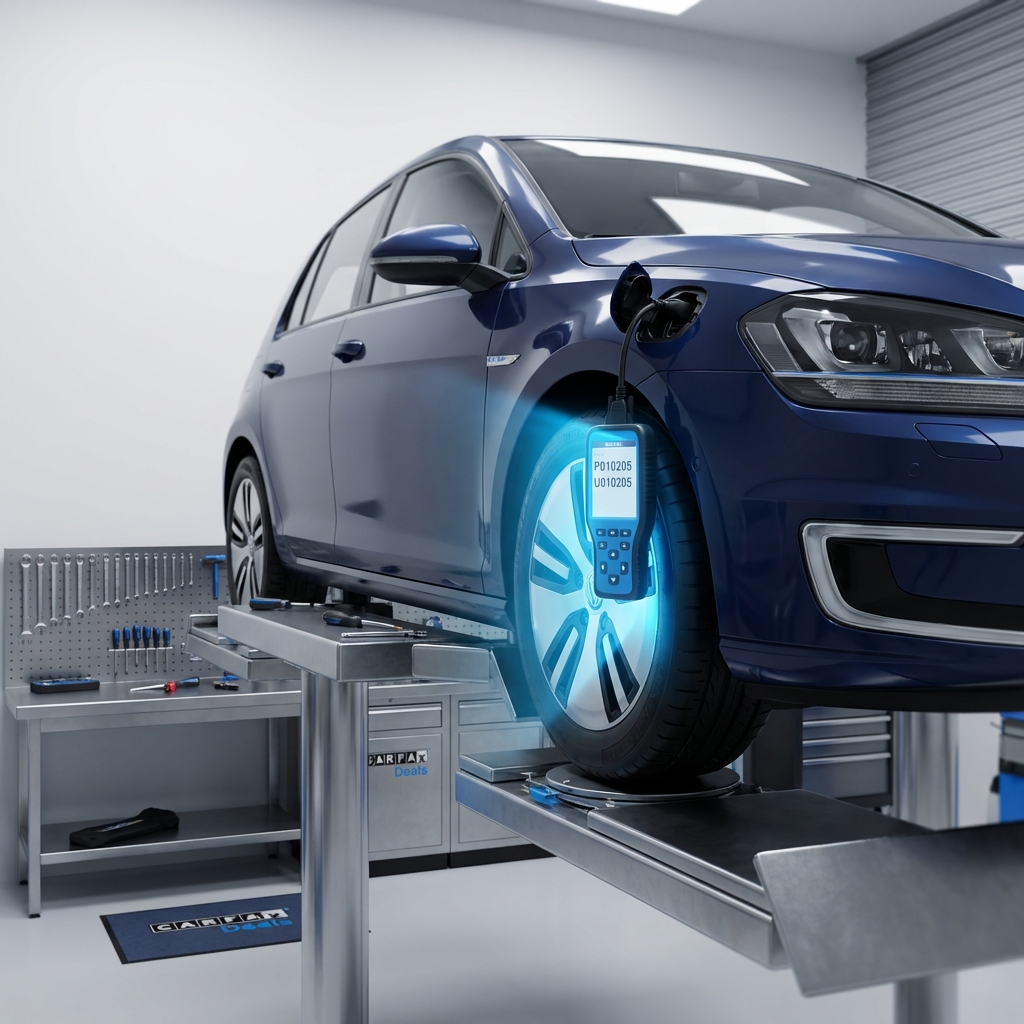
Transmission operation and any stored codes
Timing-belt condition or timing-chain noise
Ignition system and electrical harness condition
Evidence of coolant or oil leaks
ECU fault codes and historical patterns
Independent shops can be less expensive and more candid than dealers. Ask for a road test and enough time for a full scan. If the inspector finds early signs of transmission wear or mechatronics issues, that’s a major negotiating point — or a reason to walk away. Also consider ordering a VIN report before the inspection so the mechanic can use the service history while checking the car.
Costs: concrete ranges so you can budget
How much does fixing a Volkswagen transmission cost? Short answer: it varies widely. Small fixes are a few hundred dollars. Significant repairs, like clutch-packs or mechatronics replacement in a DSG, typically range from approximately $1,500 to $4,000 or more, depending on parts and labor. Dealer labor rates push the number up; independent shops often offer savings on labor. For broader context on transmission repair and replacement costs across models, see Kelley Blue Book’s guide to transmission repair.
Timing-belt replacement as routine service might be in the range of several hundred to around $1,000 depending on engine and labor region. A catastrophic timing-belt failure with engine damage can cost several thousand dollars. Electrical diagnostics are labor-intensive; a complex intermittent electrical repair can take days and add substantially to the bill.
Regional variation and parts sourcing
Labor rates and parts availability differ by region. Urban areas with high shop rates will cost more. Yet areas with robust independent VW mechanic communities may offer both deeper expertise and lower bills. Consider whether OEM parts or high-quality aftermarket parts make sense: OEM parts cost more, but for some precision systems they’re worthwhile. For routine wear items, independent shops and aftermarket parts usually save money without meaningful downside.
Electric and hybrid VWs: a developing cost picture
Electric and hybrid Volkswagens change the ownership equation. EVs typically require less routine maintenance — no oil changes, fewer moving parts — which lowers predictable annual costs. But EVs bring new potential cost centers: battery health, high-voltage electronics and specialized diagnostics. Long-term used-car data for VW EVs is still growing, so buyers should focus on battery warranty, state of charge history and how the car was charged and used by prior owners.
Practical ownership habits to keep costs down
Good habits make a big difference:
Follow the maintenance schedule strictly.
Address small issues quickly so they don’t become big ones.
Keep a consistent service record to increase resale value.
Scan codes early when warning lights appear.
Use a trusted local mechanic who knows VWs.
When an extended warranty makes sense
Extended coverage isn’t automatic value, but it can be smart for cars with expensive-to-repair systems or high miles. Read contracts carefully: check for exclusions, deductibles, and whether the warranty allows repairs at independent shops or restricts you to dealers. For a high-mileage DSG or a risky diesel, targeted coverage for transmission or engine systems can be a practical hedge.
When to walk away
Sometimes the right choice is simple: the asking price seems low but the service history is thin, or the inspection points to early failure of a high-cost system. A cautious walk-away at purchase is often far cheaper than fixing a major fault later. Never assume a low price offsets deferred maintenance — it rarely does.
Small symptom, big cost: a real-world example
A friend nearly bought a 2012 Passat that looked clean and drove OK. The ad said “runs great” but the car hesitated under load. A pre-purchase inspection showed a worn dual-mass flywheel and a failing transmission mechatronics module. Combined, the likely repair bill was $2,500–$4,000. The buyer walked away. That hesitation, a minor symptom, revealed a potential financial storm.
A brief jerk can be a minor software glitch, low fluid, or an early sign of failing clutch packs or mechatronics. A prompt scan and inspection by a VW-experienced mechanic helps diagnose the cause; early fixes tend to be much cheaper than delayed repairs.
That jerk might be a minor software glitch, low fluid, or a sign of a failing clutch pack or mechatronics. A proper scan and test drive by a mechanic who knows VWs is essential — diagnosing early usually saves money.
How to use market tools to reduce risk
Tools that combine verified vehicle history with price context are useful for narrowing listings. CARFAX Deals, for example, pairs detailed histories with pricing labels like “Great Deal” or “Good Deal,” helping you avoid listings with service gaps or accident history. For buyers who value transparency, that’s a huge time-saver and risk-reducer.
Checklist: Buying a used VW
Take this checklist to every viewing:
Obtain the CARFAX or verified history report.
Look for a full service record and single-owner history.
Request a pre-purchase inspection with a VW-experienced mechanic.
Check transmission operation and listen for timing noises.
Scan for stored fault codes and ask for a copy of the report.
Compare the asking price to market and consider warranties for high-risk powertrains.
Answering the SEO questions people actually search
Searchers type phrases like Volkswagen repair cost, VW maintenance costs, how much does it cost to fix a Volkswagen transmission, and average annual maintenance cost for Volkswagen 2024. The practical answer to Are Volkswagens expensive to fix? is: they are generally near the national average for routine maintenance, but they carry a higher risk of rare, high-cost repairs tied to specific models and systems.
One more scenario: keeping your VW long-term
If you plan to keep a Volkswagen for many years, the math changes. Regular maintenance, timely fixes, and building a relationship with a knowledgeable local mechanic drastically reduce long-term costs. Early diagnosis prevents small issues becoming large ones. Many long-term VW owners report satisfying ownership when they stay on top of routine care.
Final practical tips
If you’re serious about minimizing repair costs:
Favor cars with transparent histories and clear service records.
Get a targeted inspection focused on known VW weak points.
Consider a targeted extended warranty for high-cost systems if the numbers justify it.
When in doubt, walk away — patience pays.
Summing up — and a clear take
The simplest concise answer to the question Are Volkswagens expensive to fix? is: sometimes. Routine costs generally sit close to the national average, but certain models and systems are prone to expensive failures. Do the homework: service records, pre-purchase scans, and cautious bargaining are the buyer’s best tools.
Check a verified vehicle history before you buy
Ready to cut the risk on your next VW search? Run a verified vehicle history report to see maintenance events, accidents and ownership details before you visit the seller. It’s an easy first filter that saves time and money — and keeps risky cars off your short list. Run a CARFAX Deals report to get started.
Volkswagens offer engaging drives and solid engineering for many buyers. With careful research and early diagnosis, many VW owners enjoy reliable long-term ownership without surprising bills. When you pair cautious buying with regular service, the brand’s potential downsides become manageable rather than prohibitive.
Overall maintenance for many VW models is close to the national average for mainstream cars. Where VWs differ is variance: specific models and systems (notably DSG transmissions, some timing designs and complex electrical systems) can produce occasional high-cost repairs. Routine wear items like brakes and oil changes usually cost about what you'd expect; the risk is that a single major failure can raise overall ownership costs in a given year.
Repairs vary widely. Minor fixes like solenoids or software updates are often a few hundred dollars. Major repairs — clutch pack work, mechatronics replacement or a full rebuild — commonly range from about $1,500 to $4,000 or more, depending on parts, labor rates and whether a remanufactured unit is used. Independent shops often offer lower labor rates than dealers, but always compare warranties on remanufactured parts.
A CARFAX Deals report won’t completely eliminate risk, but it reduces it significantly by showing service events, accident history and ownership records. That transparency helps you avoid listings with gaps or clear red flags. It’s a powerful first filter that should be paired with a mechanical pre-purchase inspection for the best protection.
In short: Volkswagens can be affordable to maintain most years, but certain models and systems can produce costly one-off repairs; careful research and early diagnosis keep most surprises at bay. Drive safe and curious — and enjoy the ride!


 Blog
Blog