This article compares Black Book and Kelley Blue Book so shoppers can decide which valuation to prioritize for a specific transaction. It explains the core methodological differences, when wholesale versus retail signals matter, and gives a step-by-step framework to reconcile differing quotes. Read on to learn how to use each value alongside vehicle history reports and pricing insights.
This guide helps research-oriented buyers compare used Tacoma options and decide which model years and trims match their priorities. It distinguishes third-generation 2016–2023 Tacomas, which have a long service and parts history, from the 2024 redesign that introduced i-FORCE powertrain options. Use a VIN-based vehicle history report and a professional pre-purchase inspection to reduce risk before you contact a dealer.
This guide explains which tacoma trucks for sale show the strongest reliability and safety signals to watch out for, and why mid-2010s and many pre-2016 Tacomas appear most often in complaint and recall records. The article shows how to use vehicle history reports, recall checks, and a focused inspection to reduce risk when evaluating a used Tacoma.
This article helps buyers searching tacoma trucks for sale understand which Tacoma engine tends to be most reliable. It summarizes reliability ratings, owner-complaint clusters, and maintenance-cost differences between the 2.7L I4 and the 3.5L V6, and gives actionable checks to reduce engine-related risk.
When you look up a used car’s worth, it helps to know which valuation to trust for your specific plan. This article compares Black Book and Kelley Blue Book so you can choose the right signal for trade-ins, dealer offers, or retail purchases.
We cover how each service collects data, why their numbers diverge, and provide a step-by-step framework to reconcile different quotes. The goal is practical: give you clear criteria to prioritize one value over the other while using vehicle history reports and pricing insights to back your decision.
Black Book aligns more closely with wholesale and trade-in pricing, while Kelley Blue Book focuses on retail ranges.
Differences between valuation guides often reflect market inputs and update cadence rather than errors.
Use the valuation that matches your transaction and support it with a vehicle history report and local comparables.
Quick answer: black book car value vs Kelley Blue Book
For most shoppers deciding whether to trust a given quote, the decisive point is the transaction type: Black Book values are tuned to wholesale and dealer auction conditions, while Kelley Blue Book produces consumer-facing retail ranges that help with private-party or dealer retail shopping. How KBB values used cars
In practice, use Kelley Blue Book when you need retail or private-party context, and use Black Book when you are evaluating a dealer trade-in or an auction-influenced offer. About Black Book vehicle values and methodology
Differences between the two are often expected rather than errors, because wholesale indexes and retail price guides can diverge, especially during market volatility. Manheim Used Vehicle Value Index
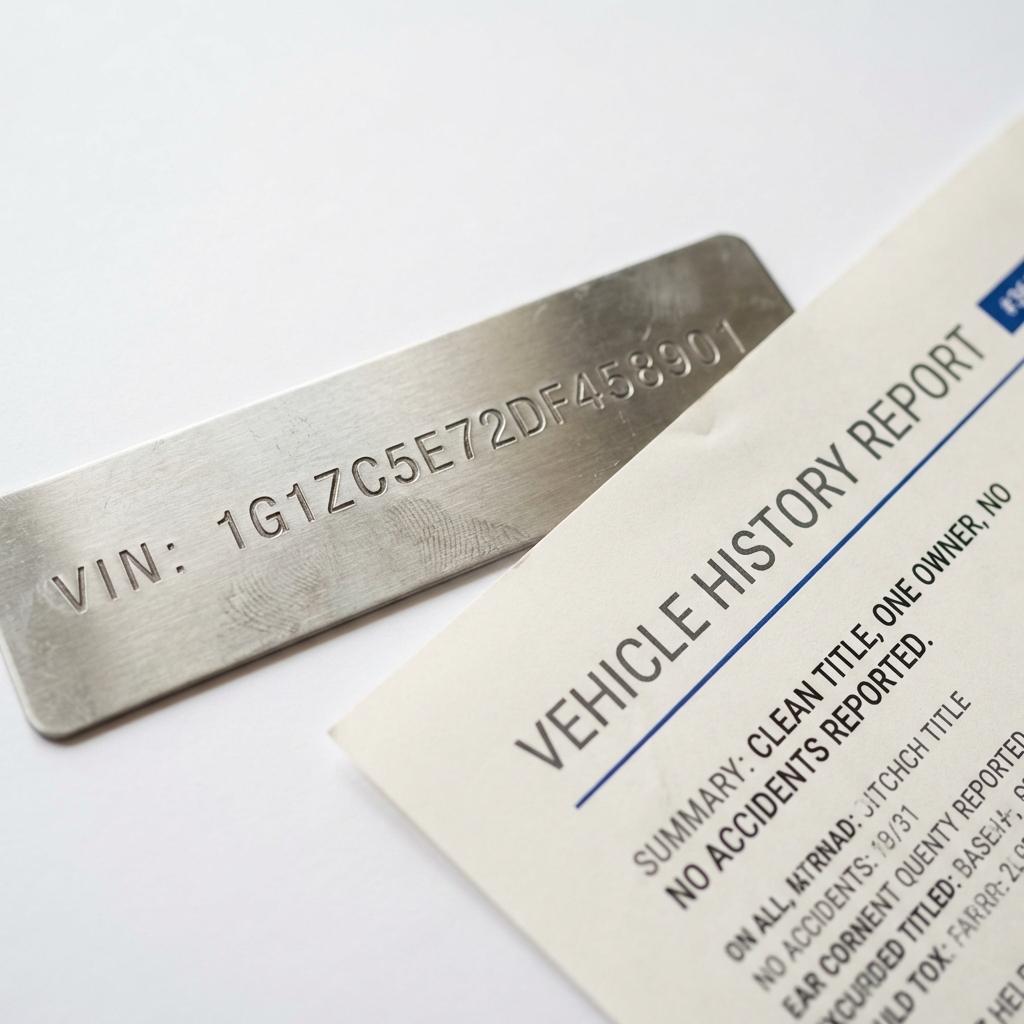
Run a vehicle history report and compare values
Run a quick side-by-side lookup to see how the two values compare for your exact model and condition.
Kelley Blue Book produces fair market ranges for consumers by blending broad transaction data, seasonal and local adjustments, and condition modifiers; those ranges aim to reflect retail buying and private-party contexts. How KBB values used cars
Black Book draws primarily from auction and dealer transaction feeds and publishes valuations intended for dealers, insurers, and wholesale buyers. This focus tends to produce figures aligned with trade-in and auction pricing rather than retail asking prices. About Black Book vehicle values and methodology
Update cadence and access models differ between the products: wholesale services and auction indexes publish higher-frequency feeds for professional customers, while consumer sites provide free lookups plus explanatory guidance aimed at shoppers. How Edmunds values used cars
Key differences: methodology, audience, and price signals
KBB reports retail-oriented fair purchase and private-party estimates that are framed for shoppers checking likely retail transactions, with visible ranges and condition adjustments explained for lay readers. How KBB values used cars
Black Book reflects wholesale and dealer-level auction values, because its inputs emphasize actual auction sales and dealer trades; that makes Black Book more representative of what a dealer might pay at trade-in or what importers and insurers might use to settle values. About Black Book vehicle values and methodology
Black Book is generally more relevant for wholesale, trade-in, and dealer-offer contexts, while Kelley Blue Book is better suited for retail and private-party pricing; choose the source that matches the transaction and corroborate it with a vehicle history report and recent local comparables.
Wholesale indexes and professional market reports show prices that can move differently from consumer price guides when supply or demand shocks occur; that explains many of the gaps you will see between retail and wholesale figures. Manheim Used Vehicle Value Index
Industry analysts note the divergence is a result of different user needs and data feeds rather than a mistake in either product, so treat the two guides as complementary signals. Industry perspective on retail versus wholesale pricing
When to use Black Book values and when to use Kelley Blue Book
Choose Black Book when you expect a wholesale-style transaction: trade-in at a dealer, dealer-to-dealer trade, or when an insurer or auction price will determine payment. Black Book’s auction-focused feeds make it a practical reference for those scenarios. About Black Book vehicle values and methodology
Turn to Kelley Blue Book when you are shopping retail or planning a private-party sale, because its consumer-facing fair market ranges and condition explanations help set expectations for asking price and what a typical buyer would pay. How KBB values used cars
Also remember access and cost: consumer lookups are typically free on KBB, while full professional Black Book feeds and some wholesale indexes are available via subscription. That affects how easily a shopper can pull side-by-side professional data. About Black Book vehicle values and methodology
Step-by-step framework to compare a specific car's values
Step 1, run side-by-side lookups: get the exact KBB retail range and the Black Book wholesale quote for the same VIN or the same model year and trim, and record the condition adjustments each provider lists. How KBB values used cars
Step 2, verify condition and inspection notes: use a vehicle history report and any available auction or dealer inspection notes to confirm mileage, service history, title status, and obvious damage. Compare those findings to each guide’s condition modifiers. How Edmunds values used cars
Step 3, check date stamps and market direction: note when each value was last updated and consult a wholesale index like Manheim for recent market direction if you suspect rapid changes. That helps you judge whether a gap is structural or temporary. Manheim Used Vehicle Value Index
Step 4, weight the values by your transaction: if you plan a trade-in or expect a dealer offer, give more weight to the wholesale quote; if you plan a private sale or retail purchase, prioritize the retail range and the consumer-facing explanation of condition adjustments. How KBB values used cars
Step 5, document negotiation points: note specific condition items and recent comparable listings in your local market to support your position with the dealer or private buyer, using the report and side-by-side numbers as context.
Common mistakes shoppers make when comparing valuation tools
A frequent error is expecting identical numbers from different guides; divergence often reflects different inputs and users rather than an incorrect value. Manheim Used Vehicle Value Index
Another mistake is using a wholesale-based number when buying retail, or using a retail estimate to set expectations for a dealer trade-in; pick the source that matches the transaction. How KBB values used cars
Shoppers also ignore update timing and local market context; a recent auction swing can change dealer offers more quickly than consumer price guides reflect, so always check timestamps and local comparables. About Black Book vehicle values and methodology
Practical scenarios: trade-in, private sale, and dealer offer examples
Scenario A, trading in a well-maintained sedan: the dealer’s trade-in offer will often track Black Book or similar wholesale signals; if the vehicle has routine service history and no title issues, Black Book helps you anticipate the likely dealer offer range. About Black Book vehicle values and methodology
Scenario B, selling privately a higher-trim SUV: for a private sale you can start with Kelley Blue Book retail ranges, present a clear vehicle history report, and set a price closer to the retail midpoint when condition and local demand support it. How KBB values used cars
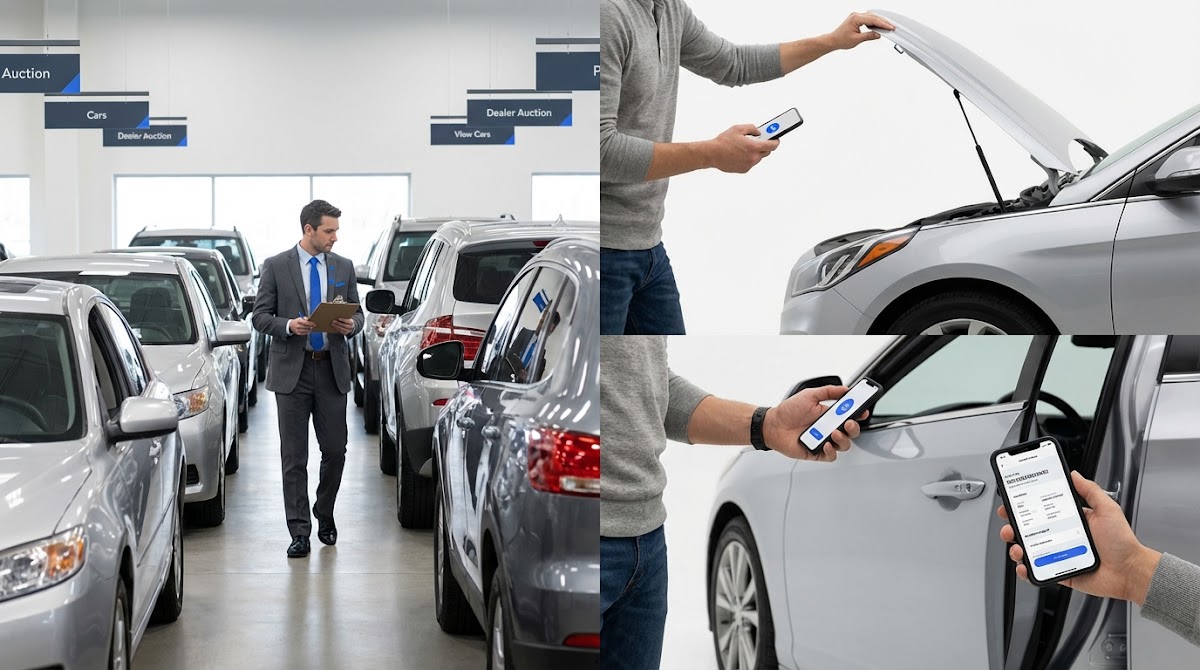
quick pre-sale and trade-in inspection checklist
Use as a guide during visual inspection
Scenario C, evaluating a dealer offer during market volatility: if auction indexes show recent declines or spikes, the dealer may adjust its offer rapidly; consult a wholesale index to see recent direction and then use the appropriate guide to set your expectation. Manheim Used Vehicle Value Index
Across scenarios, use a vehicle history report and pricing insights to document condition and comparables; those items help close gaps between a wholesale quote and your retail goal. How Edmunds values used cars
How to use valuation results with CarFax Deals while shopping
Use price analysis labels and the vehicle history report details to reconcile differences: if Black Book and KBB diverge, check the report for condition or title items that justify a wholesale adjustment or a retail premium.
When possible, assemble both values, the report, and local comparable listings before contacting a dealer; present condition evidence rather than a single number to support a realistic request.
For a dealer trade-in, wholesale-focused valuations like Black Book typically reflect the prices dealers use; use a wholesale quote together with a vehicle history report to set realistic expectations.
Kelley Blue Book provides consumer-facing retail ranges that are generally useful for private-party pricing, especially when combined with condition documentation and local comparables.
Yes. Use the wholesale number when negotiating trade-ins and the retail range when selling privately; having both and the vehicle history report helps you justify your position.
Valuation guides are tools, not verdicts. Treat KBB and Black Book as complementary signals and weigh them according to your transaction type, local market context, and the condition evidence you gather.
Use a vehicle history report and recent comparables to make any number actionable before you negotiate.

 Blog
Blog