What's the best source for car book values? A practical guide
This guide explains what people mean by bluebook for cars and how the main valuation services differ. It outlines a step-by-step reconciliation method that uses VIN lookups, vehicle history reports and market indices to build a defensible value range before contacting a dealer.
Carfax coupon codes rarely work, and the codes listed on coupon sites are usually expired. The discounts that do exist are bundles (three reports for $64.99, five for $99.99), AAA member pricing, and free reports from dealers and listings. The simplest guaranteed discount is CarfaxDeals at $7.99 per report versus $44.99 at Carfax.com.
A Carfax VIN lookup takes the 17-character vehicle identification number and returns the car's recorded history: accidents, title brands, odometer readings, owners, and service records. Free VIN tools only decode specs or check recalls and theft. The full Carfax report costs $44.99 on Carfax.com and $7.99 at CarfaxDeals.
You can get a free Carfax report from the Carfax.com used car listings, a dealer website, the seller, Carfax Car Care (for a car you already own), or listing sites that include one. There is no free report for any VIN you type in. When no free report exists, a paid one costs $44.99 at Carfax or $7.99 at CarfaxDeals.
When shoppers ask about bluebook for cars they are usually seeking a reliable price reference for a used vehicle. The term covers several types of estimates, including private-party, dealer retail and wholesale or trade values.
This article outlines the main valuation sources, explains why numbers differ, and offers a step-by-step framework to reconcile those estimates using VIN lookups, vehicle history reports and short-term market indicators. The goal is to help research-oriented buyers form a defensible range before contacting a dealer.
Different valuation services serve different users, so the same VIN can return retail, private-party and trade values.
A practical reconciliation method uses VIN-accurate lookups, history verification and index signals to build a defensible range.
Vehicle history reports and local comparables often change the workable price range more than a small difference between book services.
What bluebook for cars means: definition and context
When buyers ask about bluebook for cars they usually mean an independent estimate of a used vehicle's value that helps set expectations for private-party, dealer retail or trade transactions.
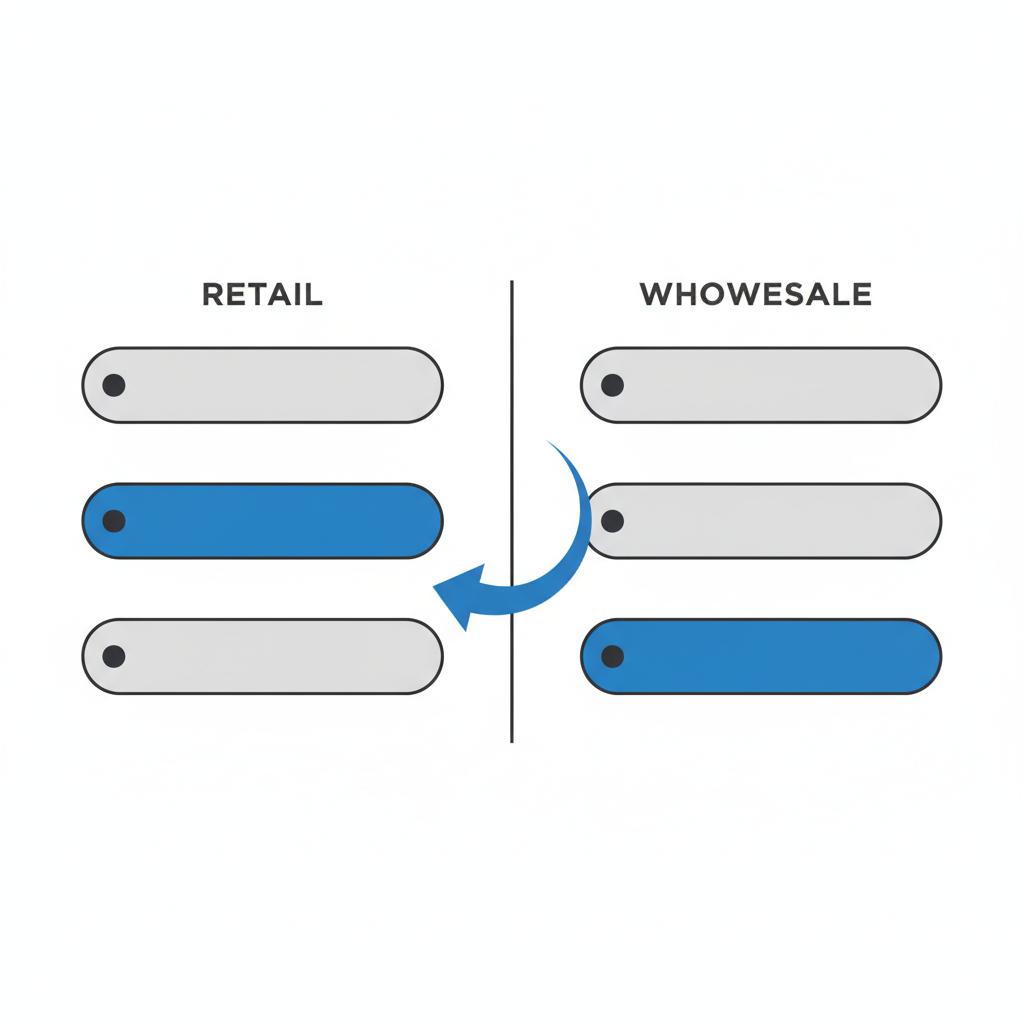
A car book value is not a single number but a set of related estimates. Private party values describe what an individual might pay another individual. Dealer retail values aim to reflect what a dealer would list and try to sell for. Trade or wholesale values represent what a dealer might accept at auction or in a trade-in.
Different valuation services produce these outputs because they serve different users and ingest different data. Kelley Blue Book and Edmunds emphasize consumer retail estimates using market transactions and dealer listings, while wholesale-focused services weight auction and trade inputs more heavily, which changes the number a buyer will see in practice How Kelley Blue Book Values Used Cars.
Key factors that cause variation include the condition scale and its thresholds, how mileage is adjusted, and geographic adjustments that reflect local demand. These methodological choices can move a book value up or down and explain why a single VIN lookup can produce divergent results.
Main valuation sources explained: Kelley Blue Book, Edmunds, NADA and Black Book
Kelley Blue Book and Edmunds publish consumer-facing retail estimates that combine transaction data, dealer listings and condition adjustments to present a market-facing retail number that many shoppers use for price context How Kelley Blue Book Values Used Cars. (Compare KBB vs Edmunds)
Edmunds similarly produces a true market value estimate based on local transactions and dealer activity, and it frames results as a retail-oriented reference for shoppers comparing listings How Edmunds Calculates True Market Value (TMV). (Edmunds appraisal)
NADA Guides and Black Book are traditionally more aligned with dealer and wholesale workflows. They place greater weight on auction and trade data and are commonly referenced by dealers when valuing trade-ins or setting a wholesale price How NADA Guides Determine Vehicle Values.
Black Book publishes valuation methodology that highlights auction signals and trade data as primary inputs, which can make its trade and wholesale outputs lower than consumer retail estimates for the same VIN Valuation Methodology - Black Book.
Quick source checks to run for a VIN lookup
Run each lookup with exact trim and mileage
How valuation methodologies differ in practice
One major practical difference is the condition scale. Services use names like excellent, good or fair, but the thresholds for those labels vary and that changes the dollar adjustment applied to a base number.
Condition adjustments can be substantial because they attempt to capture wear, mechanical issues and cosmetic defects in a single scale. When a service applies a stricter threshold for "excellent" the resulting value will tend to be lower for cars that fall near that cutoff.
Mileage adjustment formulas differ too. Some providers apply linear per-mile penalties, others use stepped formulas that increase adjustments above certain mileage bands. Those choices matter for high-mileage cars and can change values enough to affect a buying decision How Edmunds Calculates True Market Value (TMV).
Geographic adjustments are another source of difference. A sedan in a cold-weather region may show different demand and therefore different local retail values than the same model in an urban market. Those geo adjustments are applied differently by each service and help explain divergent numbers for identical VIN lookups.
Finally, whether a value is labeled private-party, dealer-retail or trade/wholesale is fundamental. The same VIN queried across different services can return three distinct numbers because each is designed for a different transaction context Valuation Methodology - Black Book.
A step-by-step framework to reconcile differing bluebook for cars values
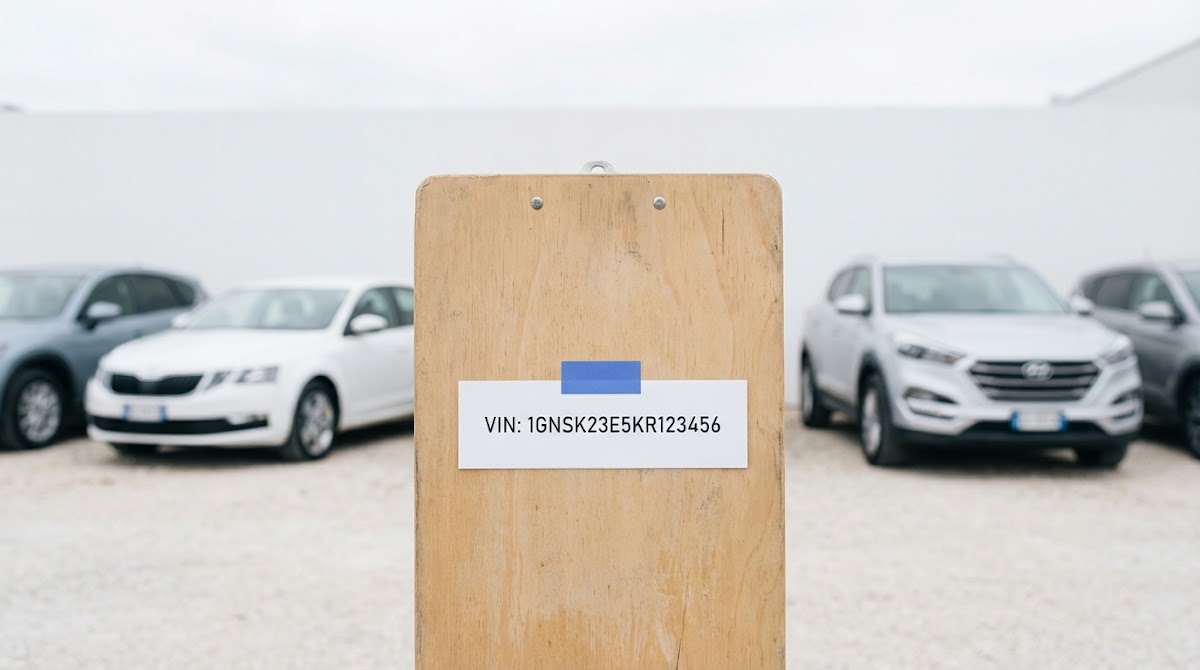
Step 1, gather the exact VIN, model year, trim and current odometer reading. Small differences in trim or mileage create immediate noise between sources, so accuracy at this stage reduces later confusion.
Step 2, run parallel lookups: consumer-facing services for retail context and dealer/wholesale services for the lower bound. Using both perspectives creates a defensible value range rather than a single point estimate How Kelley Blue Book Values Used Cars.
Step 3, set an initial range. Treat wholesale or trade outputs as the lower bound and consumer retail outputs as the upper bound. Document the values and which source produced each number.
Step 4, narrow the range by adjusting for verified condition details from a vehicle history report and for recent market movement. If a report shows title issues or significant accident history, shift the range downward. If local listings show sustained demand or low supply for that trim, shift upward Why Vehicle History Reports Matter for Value and Safety.
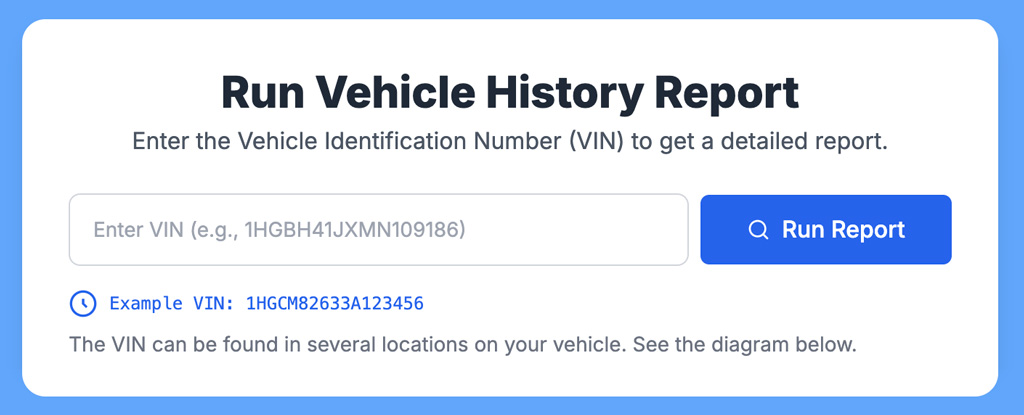
Run Vehicle History Report to Verify Title and Accidents
Run VIN lookups across the primary valuation sources, record the retail and wholesale figures, then run a vehicle history check to confirm title and accident flags before moving to the example checklist.
Step 5, account for local reconditioning and fees. Dealers often include reconditioning work and destination or administrative fees that affect the out-the-door retail number. Add an estimate for those costs to your documented assumptions so the range reflects true transaction costs.
Step 6, keep a clear assumptions log. For each figure note the source, the assumed condition, any options or packages that affect value, and the date of the lookup. This makes it easier to explain your reasoning and update the range if new information appears How NADA Guides Determine Vehicle Values.
Adjusting book values for market movement: using the Manheim index and local signals
Industry indices show short-term wholesale swings that static book values do not capture. The Manheim Used Vehicle Index is one of the widely used measures to observe recent market movement and can be useful when you suspect a regional surge or slump in demand Manheim Used Vehicle Index (MUV Index).
Use the index as a directional signal. If the index shows a clear upward trend over recent weeks, consider nudging a retail or wholesale figure upward a proportional amount. If it shows a decline, move values down accordingly.
Combine index signals with local comparables. If nearby dealer listings and private ads confirm the same direction shown by the index, the signal is stronger. If local listings contradict the index, prioritize the comparables and document why you adjusted or ignored the index movement.
Remember that index shifts are generally short-term. They can explain a recent gap between book values and transaction prices, but they do not replace a detailed VIN-level inspection and history check when you prepare to make an offer.
How vehicle history reports and pricing-context labels change workable values
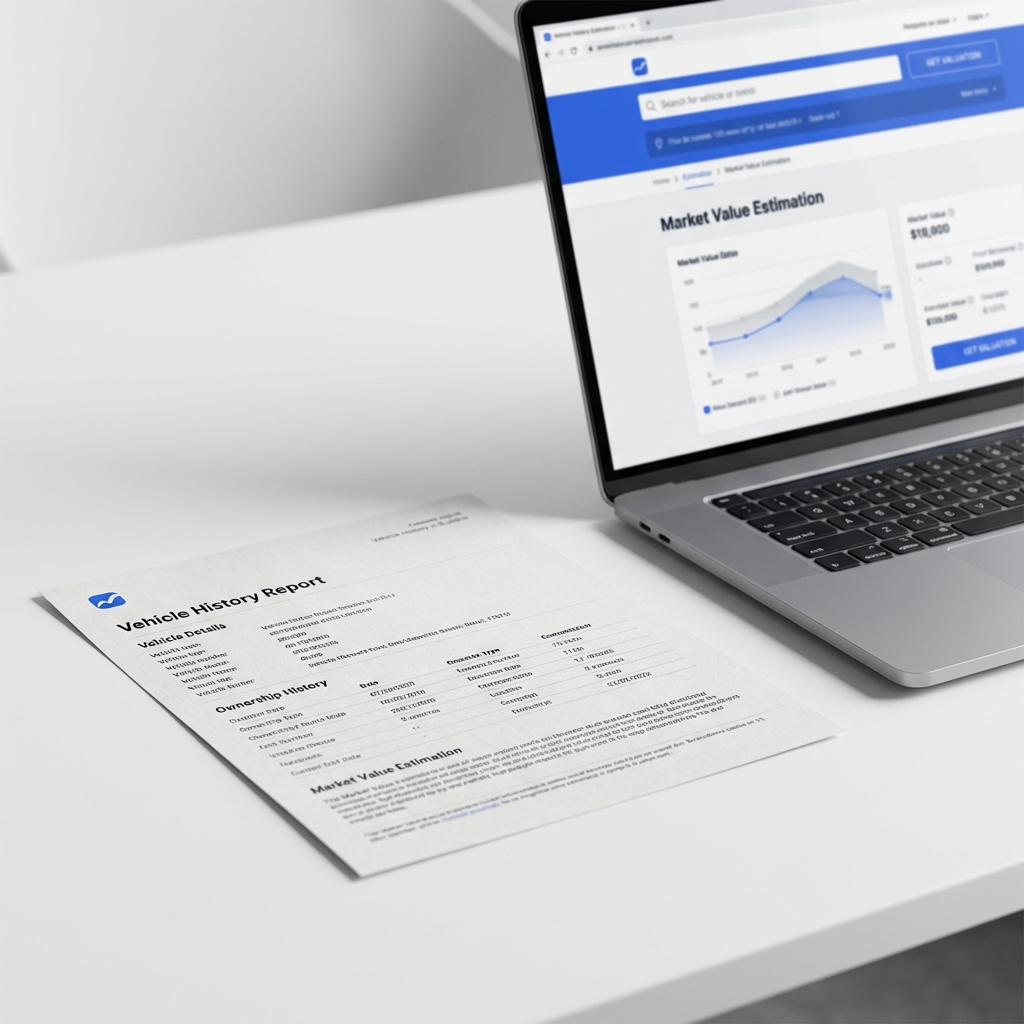
Run a vehicle history report to verify title status, reported accidents, ownership history, service records and mileage checks. These elements are the items that most frequently change a workable price range because they directly affect risk and anticipated reconditioning costs Why Vehicle History Reports Matter for Value and Safety. Also consider using a dedicated report tool to pull full history details.
Use pricing-context labels, when available, to cross-check valuations. A label such as Great Deal, Good Deal or Fair Deal that is tied to local comparables can help you decide whether the vehicle fits inside your adjusted range without adding new technical analysis How Edmunds Calculates True Market Value (TMV).
There is no single best source; use consumer-facing services for retail context and dealer/wholesale services for a lower bound, then reconcile them with a vehicle history report and recent market signals.
Document any flagged issues and estimate repair or disclosure costs. For example, a reported accident may imply cosmetic or structural work; ownership patterns can indicate heavy fleet use; missed service entries can increase anticipated maintenance. Factor these costs into the lower bound when appropriate.
When a vehicle history report is clean or shows routine maintenance, you can often be more confident using the upper half of the reconciled range. If it shows significant incidents, shift toward the wholesale side and consider negotiating with documented repair estimates in hand.
Common mistakes and pitfalls when using book values
A common error is relying on a single source. Because services use different inputs and audiences, one source seldom captures the full market picture. Cross-checking consumer and wholesale providers reduces the chance of a misleading anchor How Edmunds Calculates True Market Value (TMV).
IgnorIng condition-specific adjustments is another frequent pitfall. Two cars with the same year and mileage can have materially different values if one has mechanical issues or significant wear that pushes it into a different condition band.
Confusing an advertised dealer price with the true out-the-door retail value can produce surprises at purchase. Dealers may list a price that excludes taxes, fees or mandatory reconditioning work; always add those likely costs when comparing an advertised number to your reconciled range.
Finally, treat history report items and unverified options carefully. Unreported options or poor maintenance history can change the workable range by several hundred or a few thousand dollars, so document uncertainties and conservative allowances when in doubt.
Practical examples and final checklist for using bluebook for cars
Example walkthrough: start with a VIN lookup across Kelley Blue Book, Edmunds, NADA and Black Book and record the private-party, retail and trade outputs from each source. Use the highest retail figure and the lowest wholesale figure as your initial bounds How Kelley Blue Book Values Used Cars. (See a comparison)
Next, run a vehicle history report to verify title status, accident history and service records. If the report flags issues, note likely repair actions and attach conservative cost estimates to the lower bound. If the report is clean, document that fact and tighten the range toward retail Why Vehicle History Reports Matter for Value and Safety.
Apply the Manheim index as a directional adjustment only. If the index shows recent wholesale gains and local dealer inventory is low for that trim, consider nudging both the wholesale and retail bounds upward in proportion to the recent movement Manheim Used Vehicle Index (MUV Index).
Final checklist before contacting a dealer: confirm VIN and trim accuracy, record retail and wholesale figures from each source, run and save a vehicle history report, list local comparable ads, estimate reconditioning and fees, and document your assumptions for condition and options.
Keep your notes concise and date-stamped. A short assumptions log helps you compare offers and explain your position if you decide to negotiate or walk away.
Closing summary and next steps
Bluebook for cars is best used as a toolkit rather than a single rule. Combine consumer-facing retail estimates, dealer and wholesale outputs, a vehicle history report and recent market signals to produce a defensible range that fits your comfort with risk and repairs.
When you prepare to contact a dealer, bring a clear, dated assumptions list and a saved vehicle history report. Use pricing-context labels and local comparables to test whether the dealer's asking price falls inside your adjusted range, and be ready to adjust if new verified facts appear How NADA Guides Determine Vehicle Values.
Start with an accurate VIN, confirm trim and mileage, run parallel lookups across consumer and wholesale valuation sources, and save a vehicle history report to verify title and accident history.
Use a range: treat wholesale or trade values as a lower bound and consumer retail figures as an upper bound, then narrow the range using verified condition and local comparables.
Yes, reported title issues, accident history or missing service records commonly lead buyers to shift estimates downward to account for likely repairs or disclosure costs.
Use the reconciliation steps and checklist to prepare a clear, dated assumptions log that you can share or reference when comparing offers. Treat book values as context rather than a guarantee and let verified history and local comparables guide your final decision.

 Blog
Blog