
What year of Silverado to stay away from?, Practical guide for buyers
When you search for a chevy silverado for sale, model year can be the single most important filter to reduce risk. This guide explains why certain model years show clusters of recalls, variable safety ratings, and owner-reported reliability issues, and it gives step-by-step screening and inspection actions to avoid costly mistakes.
 Blog
BlogRelated reading
What Grand Cherokee year is most prone to rust? Practical buying guide
This guide explains which Jeep Grand Cherokee years show the most reported rust, based on aggregated owner complaints, NHTSA records and reliability summaries. It gives an inspection checklist, listing evaluation steps, and practical scenarios to help buyers reduce corrosion risk when shopping used. Use vehicle history reports and documented maintenance to prioritize listings.
When you see a jeep grand cherokee for sale, aggregated complaint records show elevated transmission issues concentrated in model years roughly 2011 to 2016, with notable clusters around 2014 and 2015. Use VIN-level checks and a vehicle history report to verify service history and open TSBs or recalls before you buy.
What is the best Jeep Grand Cherokee to buy used? A year-aware buyer's guide
This guide helps research oriented buyers find a suitable Jeep Grand Cherokee for sale by grouping options into pre 2022 and 2022 plus model ranges, and by showing what to verify before contacting a dealer. It explains why the 2022 redesign matters and recommends using a vehicle history report and pricing insights to prioritize listings.
How to filter chevy silverado for sale listings by model year
Start searches with a model-year range rather than a single year when you look for a chevy silverado for sale. That helps you compare similar generations, trims, and powertrains so you do not mix early-production examples with later corrected builds.
Use additional filters for trim and powertrain alongside year to avoid false positives. For example, limit to crew cab, specify the engine family if possible, and exclude transmissions or powertrain options you know have recurring issues. Cross-check any flagged years with official recall listings before you spend time on a listing, because recalls often cluster in specific model-year ranges and serve as a screening flag NHTSA recalls database.

Bring a vehicle history report into the search early. A VIN vehicle history report shows open recalls, title status, and previous ownership, and you can use pricing insights to deprioritize listings that look risky for their price. Treat price analysis labels as context, not proof, and prefer listings where history and price align.
Why model-year filtering should be your first step
Model-year filtering reduces the pool to generations with similar engineering and shared service histories. When a generation has known weak points, inspecting only that range keeps your time focused on reasonable candidates. Use the model year filter together with trim and powertrain selections to narrow results before running any deep checks.
Quick filters to apply on listing sites and why they matter
Apply year range, trim, cab type, and engine options first. Add filters for title status and single-owner where available to reduce units with complicated histories. Follow up with a vehicle history report on any unit you shortlist to confirm open recalls and service history.
Why model year matters for used Silverados

Model year matters because manufacturer updates, partial redesigns, and supplier changes can introduce or remove failure modes. A specific model-year range can show more recalls or investigations, which is a useful red flag when deciding whether to dig deeper on a listing NHTSA recalls database.
Another driver is safety and available technology. Newer model years or major redesigns often add crash-avoidance systems and stronger occupant protection, and older builds may lack those options. Check IIHS ratings for the exact model year and configuration to see how crash-avoidance and occupant protection track across years IIHS vehicle ratings.
Regulatory and design changes that affect safety and reliability
Regulatory changes, parts supplier updates, or midgeneration fixes can materially change reliability and safety for a narrow range of years. That is why clustering of recalls or owner complaints by year is an important screening signal when you look for a used Silverado.
How generational redesigns change crash avoidance and occupant protection
Generational redesigns change crash structures, airbag systems, and the set of optional driver aids offered. A redesign that introduced automated emergency braking or newer occupant-protection structures can move the safety baseline for several model years, so prefer years with the tech you want documented on the specific trim.
Quick checklist to screen a chevy silverado for sale before contacting the dealer
Before you call or visit, run a VIN vehicle history report and scan it for open recalls, title issues, and number of previous owners. That list should be your first filter because open recalls and title problems change the risk profile immediately.
Next, compare the listing price to pricing insights and price analysis labels. If a listing shows a seemingly low price but the history report reveals multiple owner complaints or open recalls, deprioritize it. Repair-cost exposure for common Silverado failures can outweigh a low asking price quickly RepairPal common problems.
Run Vehicle History Report
Download a short inspection checklist or run a vehicle history report to confirm open recalls and title status before scheduling a viewing.
Use this compact checklist while you browse: confirm clean title or disclosed salvage, verify open recall status, check ownership history for frequent transfers, and look for service history that supports regular maintenance. Add a quick search for complaint clusters by model year to catch recurring mechanical themes.
Top 8 items to check on the listing and in the history report
1) Open recalls and recall completion records. 2) Title status such as salvage or rebuilt titles. 3) Number of owners and frequent transfers. 4) Recorded accidents or structural repairs. 5) Service history frequency. 6) Odometer inconsistencies. 7) Price analysis label and local market comparison. 8) Any mention of aftermarket modifications.
Prioritize walking away if you see a combination of open safety recalls, evidence of recurring component failures for the same model year, or conflicting ownership records. Those are risk multipliers rather than isolated concerns.
How to prioritize issues that warrant walking away
Open safety recalls that affect braking, steering, or fuel systems are immediate red flags. Also deprioritize listings where the price label suggests a big discount but the vehicle history report reveals unresolved safety work or repeated failures on the same component.
How to use recall and investigation records to flag risky years
Start recall checks at the federal source. Look up the model-year range on NHTSA and read the recall descriptions, affected components, and remedy status. Recalls tied to steering, airbags, or fuel systems generally carry higher purchase risk than cosmetic recalls NHTSA recalls database.
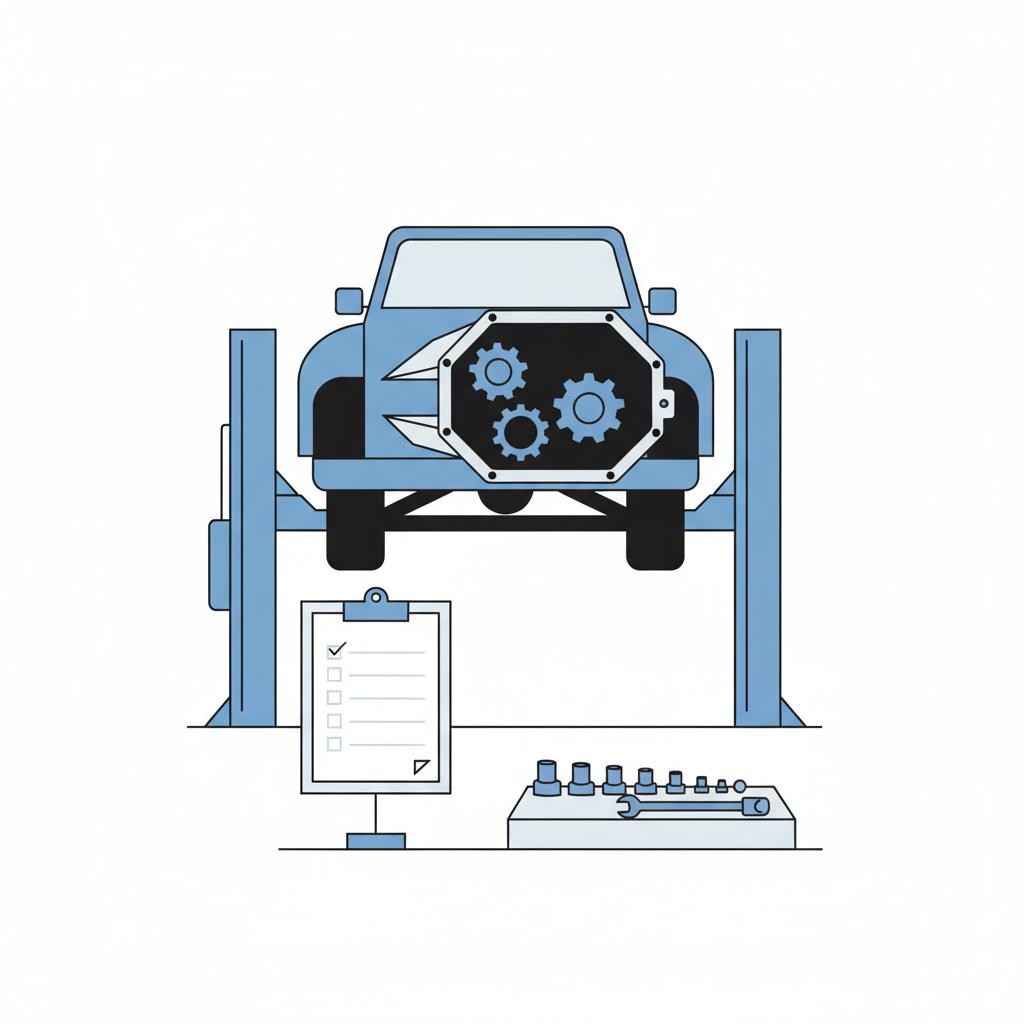
Pay attention to investigations that may not be closed as recalls yet. An open investigation may indicate a developing pattern that has not yet resulted in a recall, and it is worth extra scrutiny in the model-year range it affects.
Where to find authoritative recall data and what to look for
Use the NHTSA vehicle page for the Silverado to see recalls and investigations by model year. For each recall, note the component, remedy instructions, and the dates of the recall and remedy. Then confirm with the vehicle history report whether the specific VIN shows the recall as completed.
When you see multiple recalls clustered in a narrow range of years, treat that cluster as an elevated risk signal and cross-reference owner complaint databases to see if the issue appears in both records.
How recall counts and investigation types affect buying decisions
More recalls do not automatically mean the year is unusable, but they increase the documentation burden. If a unit shows repeated recalls on the same system or an open investigation that matches owner complaints in public databases, factor the likely repair time and dealer cooperation into your decision.
Safety ratings and tech differences across Silverado model years
IIHS ratings and available crash-avoidance features change between years and trims. When a model year lacks modern crash-avoidance options, it can score lower on recent assessments, which matters if you prioritize occupant protection IIHS vehicle ratings.
Check the specific trim and cab configuration on the IIHS pages because ratings and available safety tech are not uniform across all body styles and powertrains for the Silverado.
Quick feature check for safety options
Verify options by VIN
Which safety features first appeared in recent redesigns
Major redesigns often add standard or optional automated emergency braking, lane monitoring, and upgraded airbag systems. If those features are important, confirm their presence in the specific model year and trim rather than assuming they are standard across a generation.
How IIHS ratings vary by configuration and model year
IIHS results can differ between crew cab and regular cab configurations and by axle or trim. Use the exact model-year, cab, and trim selection on IIHS pages to know whether the tested configuration matches the listing you are considering.
What owner-reported reliability and dependability studies tell you
Consumer Reports owner-based reliability measures reflect long-term ownership experience and can show generational variability for the Silverado, with some generations rated below average in recent reporting windows. Use those ratings to prioritize which model-year ranges deserve extra inspection Consumer Reports Silverado overview.
J.D. Power vehicle-dependability and initial-quality studies track reported problems and can correlate lower scores with model years that show higher repair needs. Use these studies as one input in a broader checklist rather than a final verdict J.D. Power VDS summary.
How Consumer Reports and J.D. Power studies differ and what each signals
Consumer Reports relies on owner surveys and long-term reliability trends, while J.D. Power compiles initial quality and dependability through different panels and metrics. If both sources flag the same generation, that convergence provides stronger reason to be cautious about that model-year range.
Using owner-based ratings to prioritize model years
Prioritize model years with consistently above average scores in both studies when safety and predictable cost are central. Conversely, use flagged years as candidates for deeper verification steps such as targeted mechanical inspection and full history verification.
Common mechanical problems by model year and how to spot them
Owners and repair databases often report recurring component failures such as transmission issues, electrical faults, and fuel-system problems. Use RepairPal and aggregated consumer reports to map complaint clusters to model years and components RepairPal common problems.
Look for patterns rather than isolated entries. If multiple owners report similar failures for the same model year and component, that pattern raises the probability that particular year or build batch requires caution.
Model-year risk varies by generation and trim; prioritize avoiding year ranges that show clusters of safety-related recalls, lower safety-technology availability, and converging negative signals from owner-based reliability studies and complaint databases. Confirm any flagged unit with a VIN vehicle history report and a targeted inspection.
Recurring component failures reported by owners
Common problem areas include transmission shudder or hard shifts, electrical gremlins affecting sensors and infotainment, and fuel-system component failures. The frequency and repair cost for each of these issues can vary by model year and powertrain choice.
When a complaint cluster exists in both complaint databases and official recall documents, that is a stronger signal to avoid a given model-year range or to require documented repairs before purchase. CarComplaints provides year-by-year complaint lists that are useful to cross-check with recall pages.
Inspection clues and red flags to catch common issues
During a viewing and test drive, watch for delayed shifts, grinding or clunking during gear changes, warning lights that persist, strange smells from the fuel area, and erratic electrical behavior. Document any warning lights and ask the dealer to provide written service records that show corrective action.
Also check service history entries for repeated fixes to a single system. Recurrent repairs to the same component can indicate chronic issues rather than one-off failures.
Decision criteria: when a model year should make you walk away
Combine recall history, safety ratings, and owner complaints into a simple risk checklist. For example, treat the presence of multiple safety-related recalls for the same system plus trending owner complaints on that system as a high-risk combination that often justifies walking away.
Use RepairPal estimates to approximate repair-cost exposure and compare that against the asking price and your price analysis label. If likely repair exposure exceeds the margin implied by a Great Deal label, treat the listing as higher risk RepairPal common problems.
Combining recall history, safety ratings, and owner complaints into a risk score
Build a simple score by assigning points for open recalls, repeated owner complaints by component, and low dependability ratings. Use that score to rank shortlisted units rather than relying on a single indicator. The combined signal is more informative than any one source by itself.
Weighing repair cost risk against current price and total cost to own
Estimate repair exposure using conservative RepairPal ranges and then factor that into total cost to own. If the net saving versus a safer model year is small after likely repair costs and downtime, choosing a lower-risk year is often the more predictable path.
Typical mistakes buyers make when considering older Silverados
One common error is overvaluing cosmetic fixes such as a respray or new upholstery while underweighting structural or mechanical history. Cosmetic condition can hide a poor repair or recurring mechanical issue.
Another mistake is assuming the absence of a visible recall sticker or a dealer statement that a recall is resolved. Always confirm recall repairs via a vehicle history report or written dealer documentation rather than relying on verbal assurance NHTSA recalls database.
Overvaluing cosmetic fixes and underweighting structural or mechanical history
Pictures that emphasize a clean exterior can mislead. Ask for detailed service records and specific repair invoices for any structural or drivetrain work, and vet those against complaint databases to see if the same repairs recur in the model-year range.
Assuming absence of recall notice means no safety issue
Recalls may be repaired without clear labels on the vehicle. Confirm completion status by VIN through a vehicle history report and ask the dealer to provide proof of recall remedy in writing.
Example scenarios: three buyer profiles and model-year approaches
Budget buyer who needs lower upfront cost: accept higher-mileage units and model years with occasional complaints, but insist on no open recalls and a clear title. Use pricing insights to confirm the low price actually leaves room for likely repairs NHTSA recalls database.
Family buyer prioritizing safety and predictability: target model years with documented crash-avoidance features and good occupant protection ratings. Cross-reference IIHS pages for the exact trim and prefer units with consistent service history and no repeated owner complaints.
Buyer who needs heavy-duty towing: focus on builds and powertrains rated for towing, but expect more wear. For heavy-use profiles, place greater weight on dependability studies and common-problem lists for transmission and drivetrain to avoid costly downtime RepairPal common problems.
Trade-offs and next steps for each profile
Each profile should end with a VIN vehicle history report and a targeted inspection checklist. Budget buyers may accept higher repair risk but only when repairs are understood in advance. Family and towing buyers typically benefit from spending more to avoid years with clustered safety or drivetrain complaints.
Pre-purchase inspection and test-drive focus areas by model year and powertrain
For years with known transmission complaints, perform extended test drives including highway and low-speed maneuvers, and watch for delayed engagement, hard shifts, or slipping. Note any hesitation or vibration that does not resolve once warm.
Inspect the electrical system for intermittent warning lights, erratic gauge behavior, and inconsistent infotainment resets. Electrical problems can be intermittent and may not appear on a short test drive, so ask for a digital scan report or for a mechanic to run one with the vehicle warmed up.
What to ask the dealer and what to show your mechanic
Ask the dealer for written recall-repair documentation, detailed service invoices, and any records of transmission or fuel-system work. Give your mechanic the VIN and a short list of known model-year concerns to guide a focused inspection.
Engine, transmission, and electrical checks that differ by year
Older model years may need specific attention to fuel-system components or early electronic control modules, while newer redesign years may present different sensor-related failures. Tailor the inspection to match the common problems for the candidate model year.
How to combine a vehicle history report with pricing insights when evaluating a listing
Start by comparing the vehicle history report findings to the price analysis label. A Great Deal label with multiple unresolved issues in the history report usually indicates hidden cost, not a true bargain NHTSA recalls database.
Adjust for local market context. If a known-issue model year appears priced below local norms, evaluate whether the discount covers likely repair cost and downtime. If it does not, treat the listing as higher risk even if the headline price looks attractive.
Using price analysis labels to spot underpriced or overpriced units
Use pricing insights to set expectation bands, but let the history report change your willingness to engage. A unit that is underpriced and has a clean history report may be worth a closer look; an underpriced unit with repeated complaints is usually a pass.
Balancing history risk against local market context
In tight markets, a slightly higher price on a cleaner year can produce lower total cost to own. Use the vehicle history report to document your negotiation rationale and request written proof of recall repairs when those are material to safety or drivability.
Summary: smart next steps when you find a chevy silverado for sale
Top actions: 1) Run a VIN vehicle history report to confirm open recalls and title status. 2) Check owner-based reliability studies and complaint databases for the model-year range. 3) Use pricing insights to weigh repair exposure against perceived savings.
If you find multiple safety recalls for the same system, trending owner complaints, or unresolved title issues, consider walking away and reallocating time to safer year ranges. When in doubt, a targeted pre-purchase inspection that references known model-year weaknesses is a reasonable next step.

Avoid model-year ranges that show clusters of safety-related recalls and consistent negative owner-reported reliability in both dependability studies and complaint databases. Confirm with a VIN vehicle history report and targeted inspections before deciding.
A VIN vehicle history report is essential; it documents open recalls, title status, and ownership history and helps verify dealer claims before you invest time or money in an inspection.
Yes. Use pricing insights to check whether a low asking price actually leaves room for likely repairs. If the discount does not cover expected repair exposure, it is often better to pass.