What Grand Cherokee year is most prone to rust? Practical buying guide
This guide explains which Jeep Grand Cherokee years show the most reported rust, based on aggregated owner complaints, NHTSA records and reliability summaries. It gives an inspection checklist, listing evaluation steps, and practical scenarios to help buyers reduce corrosion risk when shopping used. Use vehicle history reports and documented maintenance to prioritize listings.
A step-by-step workflow for estimating a truck's market value that centers on comparing consumer valuation tools, adjusting for mileage and condition, and checking wholesale market signals. The guide explains private-party, trade-in and dealer retail values and shows how a vehicle history report and pricing insights can change an asking price.
This guide helps research oriented buyers evaluate suv used cars for sale under $25,000 by combining safety ratings, reliability data, local pricing context, and vehicle history checks. It outlines a simple framework, a pre visit checklist, and a decision scoring worksheet so you can compare finalists before contacting a dealer. Use the steps here to narrow candidates and confirm risk signals with a vehicle history report and a pre purchase inspection.
When searching suv used cars for sale, prioritize model year, trim and powertrain before choosing a make or model. This guide explains how safety ratings, dependability studies and local pricing insights combine to produce a short list you can verify with a vehicle history report. It also provides a stepwise checklist you can use before contacting a dealer.
This guide helps you understand which Jeep Grand Cherokee years are most often reported for rust and how to use inspections and history checks to reduce risk. It synthesizes owner complaint databases, NHTSA records and reliability summaries to give practical inspection steps and listing evaluation criteria.
You will get a short evidence summary, a step-by-step inspection checklist, decision rules for listings, and three buyer scenarios that show how to act on what you find. Keep in mind the guidance is based on aggregated reports and technical advisories rather than a single controlled corrosion study.
Aggregated complaint databases show earlier-generation Grand Cherokees have higher rust report volumes.
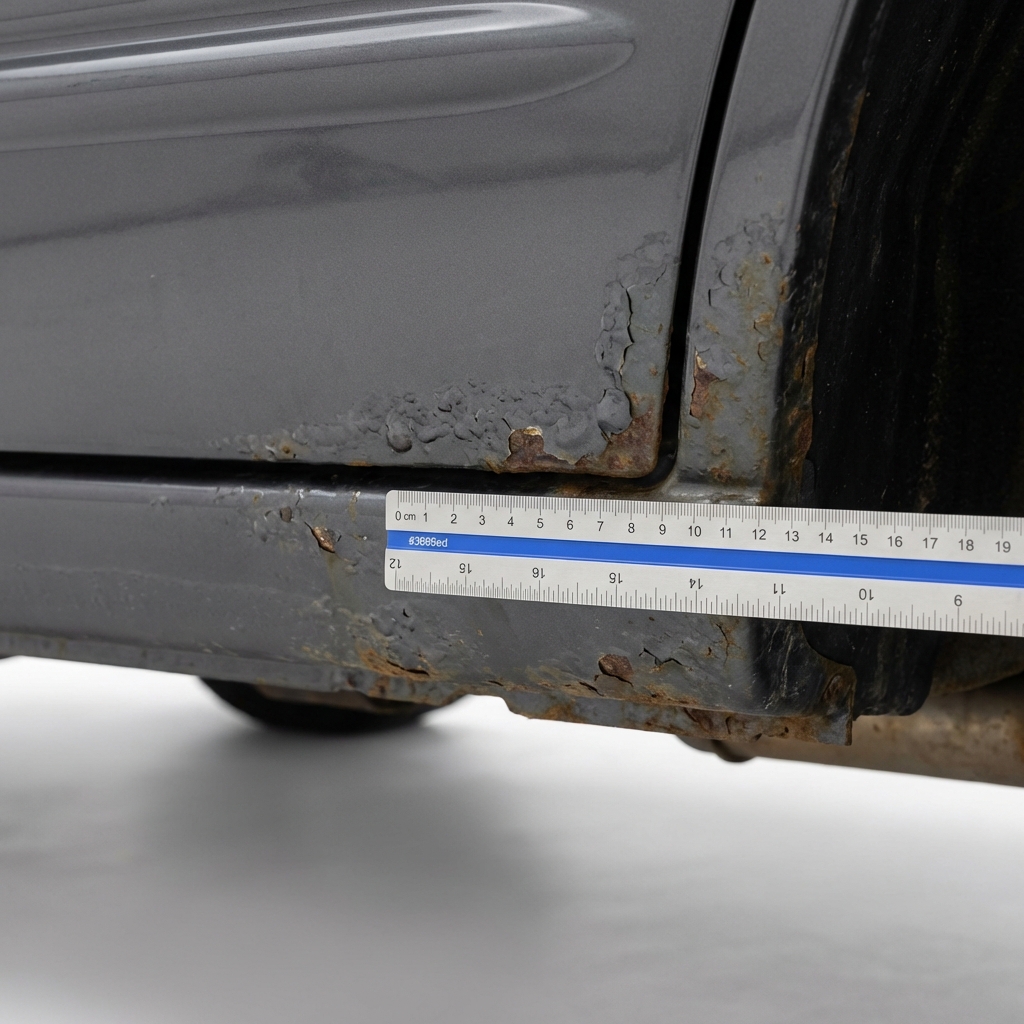
Common corrosion sites include rocker panels, wheel arches, door bottoms and tailgate hinges.
Use a vehicle history report and written repair estimates to reduce uncertainty when buying used.
Short answer and what this guide covers
Quick takeaway
The short answer is that earlier-generation Jeep Grand Cherokees show the highest concentration of rust and corrosion reports, while many models after the mid 2010s have fewer reported cases. This pattern comes from aggregated complaint databases and regulatory records rather than a single scientific corrosion study, so it describes a trend rather than a guarantee for any specific vehicle. CarComplaints.com
What this article does and does not cover
This article summarizes the evidence behind rust reports, explains the common parts that corrode, and gives a step-by-step inspection checklist you can use when comparing listings. It also shows decision criteria for whether to test drive, request a pro inspection, or walk away. The conclusions rely on owner complaints, NHTSA records and reliability pages, not on a single peer reviewed corrosion study, so interpret them as risk signals rather than proof. NHTSA complaint records
Road exposure, maintenance history and documented repairs matter at the vehicle level and can change the risk for an older Grand Cherokee. CarFax Deals can help surface vehicle history reports and pricing context so you can prioritize listings that show single-owner histories and documented maintenance when available.
Run a vehicle history report to prioritize listings
Use the inspection checklist in this guide as a quick reference when comparing listings and scheduling inspections.
Below you will find a detailed evidence overview, an inspection checklist, listing evaluation steps and three practical buyer scenarios that show how to apply the checklist in real listings.
Why some Grand Cherokee model years rust more: factors and context
Environmental and use factors
Rust is not evenly distributed by model year alone. Environmental exposure, especially road salt in winter climates and coastal salt air, drives up corrosion risk for many vehicles over time, and owner complaint databases show higher concentrations of rust reports from salt-belt areas. When a Grand Cherokee spends years in those conditions, common mounting points, seams and drain paths accumulate corrosion. CarComplaints.com
Design and materials factors
Vehicle age and certain design details can amplify long term corrosion risk. Areas where paint finishes, sealant application or fastener materials are thin or where water can collect tend to show early deterioration. Manufacturers have sometimes issued technical communications that address localized corrosion points such as hinges or specific panels rather than broad model wide recalls, which affects how owners report and repair those problems. CARFAX guidance on problem areas
Data sources and what they tell us
Aggregated complaint counts, reliability summaries and owner reports give a useful signal about which model years experience more reports, but they are not a controlled corrosion study. NHTSA records and consumer complaint sites capture owner experience and can indicate recurring hotspots, while reliability sites compile that input to show patterns. Use those patterns as a starting point for vehicle specific checks. RepairPal overview
Maintenance history and documented rust repairs materially change risk for an individual vehicle. An older Grand Cherokee with a detailed service history and receipts for rust repair can be lower risk than a newer model with unknown exposure and no records.
Which Grand Cherokee years have the most reported rust problems: evidence overview
What complaint databases show
Owner complaint aggregators and NHTSA records show the highest concentration of rust and corrosion reports on earlier Grand Cherokee generations, with many owner entries focusing on underbody, hinge and panel perforation. These databases report volumes and recurring owner narratives that point to an age and exposure pattern rather than a single model year fault. CarComplaints.com
What reliability sites and buyer guides say
Reliability pages and buyer guides indicate that many Grand Cherokee models after the mid 2010s have fewer documented corrosion complaints in aggregated summaries, though the pattern has medium confidence and remains influenced by geography and ownership history. Use these summaries to prioritize later model listings, but verify vehicle specific history. Edmunds review and reliability
Earlier-generation Jeep Grand Cherokees show the highest concentration of owner-reported rust and corrosion, while many models after the mid 2010s show fewer reported cases; however, geography and maintenance often change individual vehicle risk.
Limitations of year-by-year ranking
There is no single peer reviewed, model by model corrosion study for Grand Cherokee that covers all years through 2026, so year rankings rely on aggregated complaint counts, technical bulletins and reliability summaries. Manufacturer communications historically address localized items in service advisories which means broad recall counts may understate the full range of owner reported corrosion issues. NHTSA records and advisories
In practice, geography, maintenance and documented repairs often change the risk profile more than a model year label alone. Use model year as a signal and combine it with inspection results and history reports for each listing.
Common corrosion locations and a buyer inspection checklist
Exterior panels and door bottoms
Common corrosion sites reported across sources include rocker panels, wheel arches, door bottoms and tailgate hinge areas. These locations collect salt, mud and moisture and are frequently mentioned in owner reports as early trouble spots. When paint bubbles, flakes or the seam sealant pulls away, that is evidence corrosion may be progressing beneath. CARFAX problem guide
Undercarriage, frame rails and rocker panels
Frame rails, rocker panels and underbody areas are structural. Perforation or deep corrosion in these places can lead to high repair costs and affect resale value. Use a flashlight and, where safe, crouch to inspect the undercarriage for surface rust versus perforation and for any aftermarket welding or patch panels that suggest prior major corrosion repair. RepairPal rust and body issues
What to probe, photograph and document
Inspection steps to use at a listing or in a test drive follow. Take photos and notes so you can compare listings and share findings with a mechanic if needed. Use a vehicle history report to corroborate whether rust repairs appear in service records or not.
Visually scan paint and seams for bubbling or flaking near wheel arches and door bottoms.
Use a flashlight to inspect under the rocker panels, frame rails and under the tailgate for perforation or patchwork.
Gently probe suspicious soft spots or lifted paint with a non sharp tool and note whether metal feels thin or breaks through; avoid causing damage.
Inspect hinge areas and drain holes for accumulation and for replacement fasteners that suggest past repairs.
Photograph all findings and get a mileage and VIN for follow up checks on vehicle history.
When you find potential structural corrosion or perforation, request a written estimate from a body shop before you negotiate. A documented service history that shows rust repairs can reduce uncertainty, but ask for receipts and details to understand scope and quality of work. CARFAX guidance on verifying repairs
How to evaluate a used Grand Cherokee listing and decide whether to test drive or pass
Listing red flags and positive signals
Red flags in a listing include missing service history, multiple recent owners, vague mentions of bodywork without documentation, or title notes that indicate salvage or structural damage. These factors matter because rust and corrosion affect repair cost and resale value when extensive. A listing that discloses obvious rust but provides no repair records should be treated cautiously. Consumer Reports reliability notes
jeep grand cherokee for sale
Positive signals to prioritize include a clean title, single-owner histories, documented maintenance and pricing context that suggests the vehicle is priced with known defects in mind. Use price analysis labels to see whether the asking price aligns with similar local listings before assuming repairs will fit your budget. Strong service records often lower uncertainty. CARFAX on service history importance
Make a simple decision flow: if a listing is an earlier generation in a salt region and shows signs of underbody corrosion, schedule a professional inspection or walk away; if a later model has full documented maintenance and no underbody red flags, arrange a test drive and basic inspection. Price should reflect likely repairs, and the total cost to own must account for possible rust repair estimates. Consumer Reports ownership guidance
When in doubt, use a vehicle history report and ask the seller for service receipts. CarFax Deals can help surface vehicle history reports and price analysis labels so you can prioritize listings to inspect first.
Common buyer mistakes and how to avoid them
Over-relying on age alone
Common mistake: assuming a newer model automatically eliminates corrosion risk. Correction: a newer vehicle with unknown exposure can still have corrosion if it lived in a salt-belt area or had missed maintenance. Check history and local exposure rather than using model year alone as a proxy. RepairPal repair context
Ignoring geography and maintenance
Common mistake: ignoring where the vehicle spent most of its life. Correction: request ownership history and use mileage and service records to see if the vehicle was driven in winter climates or coastal areas where salt exposure is common. That context often explains differences in two vehicles of the same year. CarComplaints geographic patterns
Skipping professional inspections
Common mistake: skipping a mechanical or body shop inspection for suspected corrosion. Correction: if you find paint bubbling, perforation or suspect frame damage, get a written estimate and scope from a trusted shop before you commit to buy. The estimate gives you a clear basis for negotiation or a reason to walk away. CARFAX repair verification tips
Practical examples: three buyer scenarios and what to do
Older model from a salt-belt dealer
Scenario 1: An older Grand Cherokee listed by a dealer in a northern state shows surface rust near the rocker panels and a general underbody patina on photos. What to do: ask for the VIN, order a vehicle history report, and request a recent undercarriage inspection from the dealer. If the report or photos show evidence of prior structural repair, get a written body shop estimate. If the estimate is high relative to the discount, consider walking away. CarComplaints regional reports
Quick inspection checklist to compare three listings
Use during initial listing screening
Post mid 2010s model with full service history
Scenario 2: A 2017 or later Grand Cherokee with a documented single owner and full service history looks promising. What to do: confirm the undercarriage is clean in photos, verify no rust repair entries in the service history, and schedule a basic inspection and test drive. If no underbody red flags and receipts are clean, rust risk is lower though not zero. Ask for a mechanic's quick underbody check before finalizing. CARFAX notes on documented maintenance
Lower-priced listing with visible patch repairs
Scenario 3: A lower-priced Grand Cherokee lists recent bodywork without detail. What to do: request before and after repair photos if available, seek written receipts and a body shop estimate for any remaining work, and order a vehicle history report to check title status and prior damage. If documentation is vague and the seller cannot provide receipts, treat the price as reflecting likely unknown repair costs and consider other listings. RepairPal on verifying repairs
Across all scenarios, get the VIN early, use a vehicle history report to check ownership and title status, and favor listings that include clear service records and single-owner notes when you want to reduce rust uncertainty.
Conclusion: quick checklist and next steps when shopping
One-page inspection checklist
Quick checklist: inspect rocker panels, wheel arches and door bottoms for bubbling and flaking; scan undercarriage and frame rails with a flashlight; probe suspicious soft spots carefully; document hinge areas and drain holes; ask for receipts for any rust repairs; order a vehicle history report early. CARFAX inspection checklist
How to prioritize listings
Prioritize listings that combine later model years, documented maintenance and clear title status. Earlier-generation vehicles and those from salt-belt regions show more complaint volume in aggregated databases, but a well documented older vehicle can still be a reasonable buy if repairs are recorded and priced accordingly. CarComplaints trends
When to get a pro
Get a professional underbody or body shop inspection whenever you see perforation, signs of structural repair or when the listing is vague about past bodywork. A written estimate helps you decide whether the asking price fairly reflects repair cost and future resale impact. RepairPal repair advice
Look for paint bubbling, flaking, soft metal when probed, perforation in rocker panels or frame rails, and ask for underbody photos and a service history that documents any rust repairs.
Newer models tend to have fewer aggregated corrosion complaints, but geography and maintenance matter; verify service records and inspect the undercarriage before buying.
Request a professional underbody or body shop inspection when you see paint bubbling, patch repairs, or signs of structural corrosion, or when the listing lacks repair documentation.
If rust risk matters to you, prioritize later model listings with clear service records and single-owner history, and use vehicle history reports to check title and past repairs. When in doubt, get a written estimate from a trusted body shop before completing a purchase.
CarFax Deals can help surface vehicle history reports and pricing context so you can compare listings faster and focus inspections on the most promising options.

 Blog
Blog