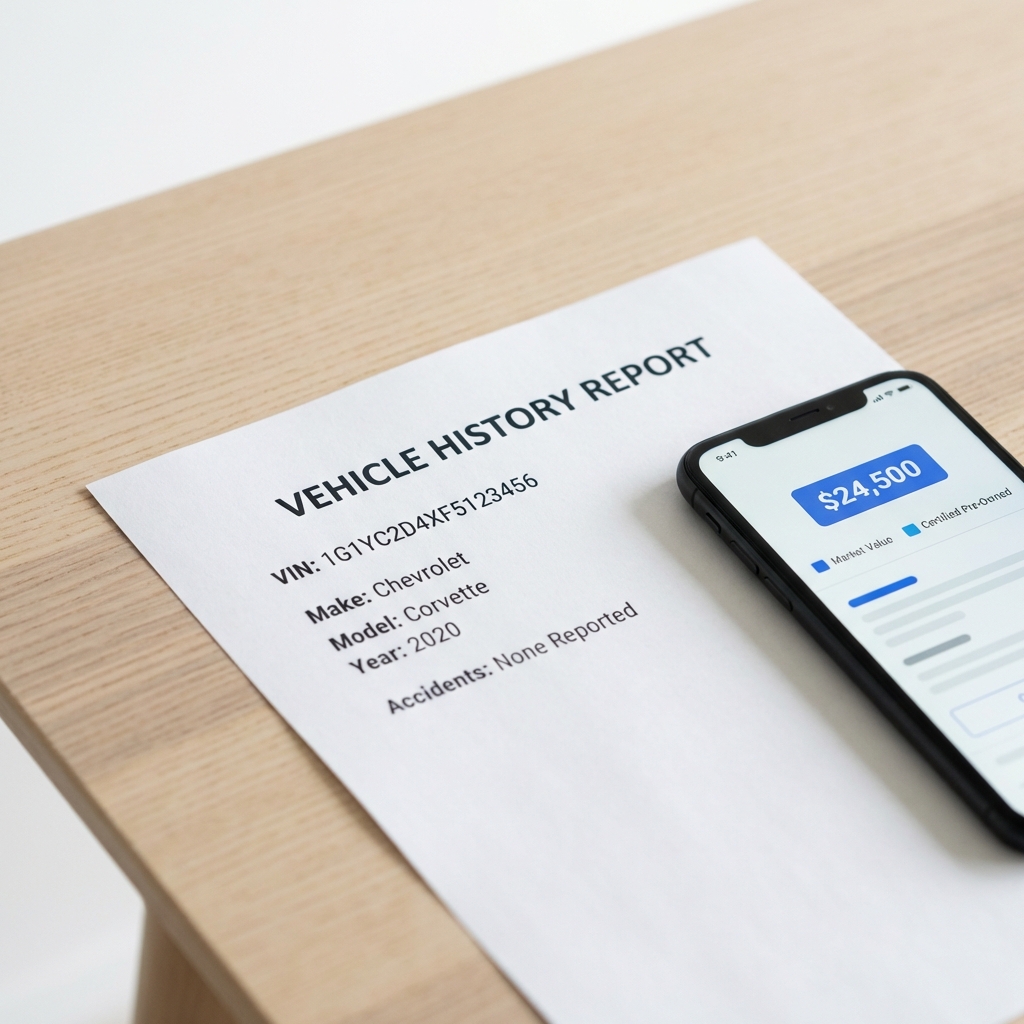
Is carfax value the same as blue book value? — How to reconcile history and market prices
Quickly understand why Carfax value and Blue Book value often differ, how each is calculated, and how to use both together to set a fair offer. This guide explains the differences between history-driven valuations and market-driven pricing, shows practical reconciliation steps, negotiation scripts, inspection checklists, and tips for private-party, dealer retail, and trade-in scenarios. Learn how Carfax Deals pairs verified vehicle history with transparent pricing to help you buy used cars with confidence.
A rav4 used for sale can be a sensible pick for many research-oriented buyers because reliability aggregators rate the model above average and safety ratings are generally strong. This guide explains how to vet listings, what model years tend to be better, and a step-by-step checklist to reduce risk before you buy.
This guide explains how to estimate the cost of buying an R34 Skyline, with attention to import rules, condition-driven price tiers and landed cost. It shows which factors move value, how to verify history and paperwork, and offers a checklist you can follow when you search for a nissan skyline r34 for sale.
This guide helps buyers set realistic expectations for tacoma trucks for sale by explaining the main price drivers and a repeatable method to build conservative, typical, and ambitious offer ranges. It shows how the 2024 redesign, valuation guides, and vehicle history reports interact to change asking prices and reduce purchase risk.
When you start shopping for a used car, the question "Is carfax value the same as blue book value?" matters more than you might think. This guide explains the difference between history-adjusted valuations and market-driven price ranges, shows how to reconcile the two, and gives practical steps, checklists, and negotiation scripts so you can buy with confidence.
1. Carfax-style values factor in verified history items like salvage titles and accident reports, which can reduce value by 20–40% in some cases.
2. Blue Book-style values present separate ranges for private-party, trade-in, and dealer retail, helping you set realistic expectations depending on how you plan to buy or sell.
3. CARFAX Deals combines verified vehicle histories with transparent pricing labels, helping research-first buyers find lower-risk listings and make faster decisions — trusted by thousands of buyers who prefer transparency.
When the question is: Is carfax value the same as blue book value?
Short answer up front: No - they’re related, but they’re not identical. Understanding the difference between a history-adjusted estimate and a market-based range is one of the fastest ways to avoid paying too much or overlooking hidden risk when you buy a used car.
Why this question matters right now
Every used-car search starts with a number in your head: how much should I pay? The query Is carfax value the same as blue book value? sits at the center of that decision. That single question guides whether you research more, make an offer, or walk away. Here we break down what each estimate actually measures, why they diverge, and how to combine them so you get a fair price with confidence.
Two philosophies of valuation
Think of the two systems this way: one is a historian and one is a market watcher. The historian tracks verified events in a car’s life and adjusts value for risk; the market watcher watches transactions and reports the price ranges buyers and dealers are actually paying. Asking Is carfax value the same as blue book value? is really asking whether you want an adjustment for risk or a snapshot of current market transactions.
How Carfax-style valuations work
Carfax-style valuations put vehicle history at the center. These valuations combine verified records — title brands, accident reports, insurance claims, service history, odometer checks — with current marketplace listings to produce a risk-adjusted value. In practice that means two mechanically identical cars can have different values if one has a documented accident or salvage title.
Carfax-style values are most useful when you’re prioritizing transparency and risk reduction. If you care more about the story behind the car than about how hot the local market is this week, the Carfax-adjusted number is your friend.
What history inputs matter most?
Title brands (salvage, rebuilt), accident reports, service records, and odometer inconsistencies are the biggest drivers of history-based discounts. Even small, well-repaired collisions can narrow the pool of buyers willing to pay full price — and that shows up as a lower Carfax-style value.
How Kelley Blue Book–style valuations work
Blue Book-style valuations focus on market flows: what dealers pay, what private buyers pay, and what dealers ask at retail. Values are presented as ranges for specific transaction types — private-party, trade-in, and dealer retail — reflecting different buyer-seller dynamics.
Where Carfax-style valuations reduce a number because of risk, Blue Book-style ranges reflect what the market actually pays, including reconditioning and dealer margins where appropriate.
Key differences that answer "Is carfax value the same as blue book value?"
Here are the main distinctions to keep in mind:
1) Data emphasis: Carfax-style models emphasize verified events in a vehicle’s history; Blue Book-style guides emphasize recent transactions and market trends.
2) Transaction focus: Blue Book presents values by transaction type; Carfax-style estimates aim to show what a vehicle is worth after accounting for documented risk.
3) Volatility: Market-driven values can swing quickly with supply and demand; history-adjusted figures move only when the vehicle’s record changes or market inputs shift.
Real-world example
Imagine two identical sedans. Same year. Same mileage. One shows a rebuilt title after an accident; the other is clean. Ask yourself: Is carfax value the same as blue book value? Often the Carfax-adjusted number will be lower for the rebuilt-title car because the title brand is a persistent risk signal. The Blue Book private-party number might be closer to the clean car if local buyers are still paying near-normal prices for repaired cars, but the Blue Book trade-in and dealer retail tiers will likely price more conservatively.
How Carfax actually determines vehicle value (practical view)
Carfax-style valuations are built from two pillars: verified history inputs and marketplace data. The history side draws from title records, police reports, insurance claims, and maintenance logs. The marketplace side looks at current asking prices and known completed sales. The result is a risk-adjusted estimate that reflects both the car’s past and current market context.
What that risk adjustment looks like
The model reduces value where a history item lowers buyer interest or increases expected ownership cost. For example, documented frame repairs, salvage events, or repeated collision repairs usually pull value down because they raise the odds of future problems and resale difficulty.
How to use both sources together
Best practice is simple: use Blue Book-style values for market context and Carfax-style values to adjust for history. Here’s a straightforward workflow:
1) Choose the Kelley Blue Book range that matches your transaction type (private, trade-in, or dealer retail). 2) Pull the full vehicle history report from a VIN report service like VIN report and note any red flags. 3) Check local listings and recent sold prices on marketplaces such as AutoTrader. 4) Use the history report to justify moving toward the low end of the Blue Book range or below it when risk is present. 5) Always get an independent pre-purchase inspection when in doubt - see general guidance at how to use Carfax Deals for research-first shopping.
If you want an efficient way to see a vehicle’s story alongside transparent price labels, try running a report at CARFAX Deals — it pairs verified vehicle history with clear price signals so you can quickly decide which cars deserve a closer look.
The role of local market signals
Local demand can make the difference between a number that feels fair and one that’s out of touch. Check actual listings in your area: are similar cars selling fast? Are dealers holding and discounting? These signals tell you whether the Blue Book-style range reflects a hot market or a cooling one.
Documentation: repair receipts, title paperwork, and a recent independent inspection are the fastest way to resolve disagreement. If documentation is missing, treat the history as risk and adjust your offer downward.
When values disagree, the single most useful check is documentation: do repair receipts, title paperwork, and recent inspection reports support the seller’s claims? If documentation is missing, treat the history as risk and price accordingly.
Common divergence scenarios
There are typical cases where Carfax-style and Blue Book-style values pull in different directions:
Rebuilt or salvage titles: Carfax-style valuations react strongly to title brands, lowering value; Blue Book ranges might not fall as far for private-party listings if local buyers accept rebuilt titles.
Spotty service records: Carfax-style models penalize inconsistent maintenance that could indicate neglect; Blue Book will still report market ranges that assume typical maintenance.
Cosmetic vs structural damage: Cosmetic flaws often affect market price less; structural or frame issues usually drag both history-adjusted and market prices down significantly.
Practical negotiation examples
Here are sample lines you can use when negotiating, tuned to the difference between history and market prices:
When the Blue Book number is higher than Carfax value: "I respect the asking price, but the vehicle history and the rebuilt title mean I’ll need to factor in resale difficulty and potential future costs — that puts my offer at $X."
When Carfax value is higher than local asking prices: "This Carfax report is reassuring, but local sales show lower prices; can you match documented service receipts to help me feel comfortable with a higher offer?"
Step-by-step buyer checklist
Use this checklist every time you evaluate a used car:
1. Pick the right market range: private-party, trade-in, or dealer retail. 2. Pull the vehicle history report: inspect title brands, accident history, mileage checks, and service records - or order a VIN report at VIN report. 3. Compare to local listings and recent sales. 4. Ask for receipts or inspection reports. 5. Get an independent mechanic’s inspection. 6. Estimate potential repair costs and include them in your offer. 7. Negotiate from documented facts, not guesswork.
Inspection checklist — what mechanics look for
Bring this list to the pre-purchase inspection:
- Frame and suspension alignment - Signs of major repairs or replacement parts - Evidence of engine or transmission work - Corrosion or fluid leaks - Test drive behavior (shakes, pulls, noises) - Tire wear and brake condition - Confirmation of the odometer reading matching reported mileage (use a VIN decoder if you need to verify)
How much to discount for accidents or salvage
There’s no single rule for discounting, but here are practical ranges depending on severity and documentation:
Minor accident, well-documented repairs: 5–10% discount compared with a clean title of similar condition. Moderate accident with visible repair history: 10–25% discount, depending on market and repair quality. Salvage/rebuilt title: 20–40% discount is common, with variation based on model desirability and local appetite for rebuilt titles.
Remember: these are starting points. Local demand, model rarity, and repair documentation can change the adjustment.
Trade-in versus private sale nuances
If you’re trading a car in, dealers will focus on the cost and risk of reconditioning and potential auction prices. That means trade-in offers are almost always below private-party values. If your goal is maximum cash, selling privately often yields a higher price — but it takes time and work.
When reconciling Carfax and Blue Book numbers for trade-in, use Carfax-style information to anticipate whether the dealer will discount the vehicle heavily for title brands or service gaps.
How quickly do values change?
Market-driven Blue Book numbers can change weekly if demand or supply shifts. History-adjusted values are more persistent: a documented accident stays on the record until ownership or title changes, so the Carfax-style discount remains unless repaired, recertified, or re-titled in a way that removes the brand (rare).
Timing tip
If you’re not in a rush, watch local listings for a few weeks to understand market movement. If the market cools, buying power increases; if it heats up, acceptable offers may need to be higher to win a car.
Using Carfax Deals to simplify the process
Carfax Deals pairs verified vehicle histories with transparent price labels, which speeds up research-first shopping. Instead of chasing separate reports and market checks, listings on the platform display both the full history and a clear pricing signal like “Great Deal” or “Fair Deal.” That makes it easier to focus your time on cars that deserve closer inspection. Friendly tip: a clear summary view can help you scan options faster.
See history and price together
Ready to compare history and price in one place? Run a report and see how verified vehicle history changes the conversation around price at run a CARFAX Deals report.
Use this short script to negotiate from a place of facts:
"I’ve compared Blue Book ranges for private-party/trade-in/retail and reviewed the full vehicle history. The Carfax report shows [issue]. Given local sold prices and the cost to recondition or the resale risk, my offer is $X — I’m happy to move to $Y if you can provide full repair receipts and a recent inspection."
Examples of reconciliation in three scenarios
Scenario A — Clean history, market normal: Blue Book private-party and Carfax-style values are close. Use the mid to high end of the Blue Book range.
Scenario B — Small accident with full receipts: Use Blue Book but discount toward the low end if receipts don’t prove long-term reliability. Offer a figure that includes a budget for possible future issues.
Scenario C — Rebuilt title: Start with a significant conservative discount from the Blue Book private-party number and lean on documented repairs and recent inspections to justify any upward movement.
Common buyer mistakes to avoid
- Relying on a single number as gospel. - Confusing asking price with recent sold price. - Skipping an independent inspection because the report “looks good.” - Forgetting to check the right Blue Book transaction type. - Ignoring local market signals like time-on-market and price drops.
Quick decision flow — choose a fair target price in 10 steps
1. Identify transaction type. 2. Pull Blue Book range for that type. 3. Pull full vehicle history report. 4. Check local comparable listings. 5. Note title brands and accident severity. 6. Ask for receipts and inspection reports. 7. Get an independent inspection if needed. 8. Estimate repair and reconditioning costs. 9. Set walk-away price and target offer. 10. Negotiate from facts.
Research and buyer perception: what studies show
Industry research consistently finds that cars with recorded accidents or title issues sell for less on average. The exact discount varies by severity and market, but buyers use history as leverage during negotiation - which is why verified reports and transparent pricing together reduce uncertainty and speed transactions.
How this affects resale
If you plan to resell within a few years, a documented salvage or accident can reduce your buyer pool and the resale price. It’s smart to weigh that future cost before offering full Blue Book value without adjustment.
Troubleshooting strange cases
Occasionally you’ll see Carfax-style value above local asking prices or Blue Book ranges that feel off. When that happens, treat the higher Carfax number as a sanity check: ensure the report is complete, confirm no missed title brands, and search for completed sales in your area. If listings are far below both numbers, local market softness may be the dominant factor.
When to walk away
If documentation is missing for major repairs, inspections reveal hidden structural issues, or the seller refuses realistic negotiation based on verified facts, walking away is often the best call. A car with a story you can’t verify can become years of worry.
Final practical tips
- Use both tools: the Carfax-style view for story and KBB-style ranges for market context. - Put the vehicle’s intended use at the center of your choice — commuter car, family car, or resell flip influence how much risk you accept. - Keep documentation of everything you rely on during negotiation. - Don’t forget the human side: a clear explanation of repairs and receipts can move a price more than a printed number.
Short answers to common quick questions
Is carfax value the same as blue book value? No - they overlap but reflect different emphases. Use both. Which should I trust more? Trust both for different reasons: market context from KBB-style ranges, risk context from Carfax-style values. How much should I discount for repairs? Depends on severity; typical ranges are given above as starting points.
Closing example — a simple case study
Sarah considered a 2016 compact with 60k miles. KBB private-party value was $10,500; Carfax-style value adjusted for a documented minor collision suggested $9,200. Local sold listings supported a $9,500 price. Sarah asked for repair receipts, got a mechanic’s sign-off, and offered $9,500 - a number that respected the market and rewarded full documentation. She drove away confident and saved several hundred dollars versus paying the unadjusted Blue Book retail number.
Takeaway
The neat answer to Is carfax value the same as blue book value? is: not exactly. Carfax-style valuations add a history lens that changes how you think about risk and resale; Blue Book-style guides show what the market is paying. Use both in tandem and let documentation, local market checks, and an independent inspection guide your final offer.
Now you know how to read both numbers — and how to turn them into a confident, well-documented offer.
Not always. Carfax-style values often fall below Kelley Blue Book ranges when a vehicle has documented accidents, salvage titles, or missing service records because those history items increase buyer risk. However, if a car’s history is clean, Carfax-adjusted value can align with or even match KBB private-party numbers. Local market demand can also push prices above both estimates, so always check sold listings and documentation.
Trust both for different reasons: use Kelley Blue Book-style ranges for market context—choose the range that matches your transaction type (private-party, trade-in, dealer retail)—and use Carfax-style history to adjust for risk. Combine the two, verify repair receipts and inspection reports, and negotiate from documented facts rather than a single number.
Yes, but cautiously. Rebuilt or salvage-title cars can be reasonable buys if you insist on full repair records, a thorough independent inspection, and understand resale limitations. Expect to discount the Blue Book private-party number significantly (often 20–40%, depending on repair quality and local demand) and consider whether you’ll keep the car long enough to make the economics work.
In short: No — Carfax-style and Blue Book-style values are not the same; Carfax adds a history-based risk adjustment while Blue Book reflects market transaction ranges. Good luck, drive safe, and may your next used car bring more smiles than surprises!


 Blog
Blog