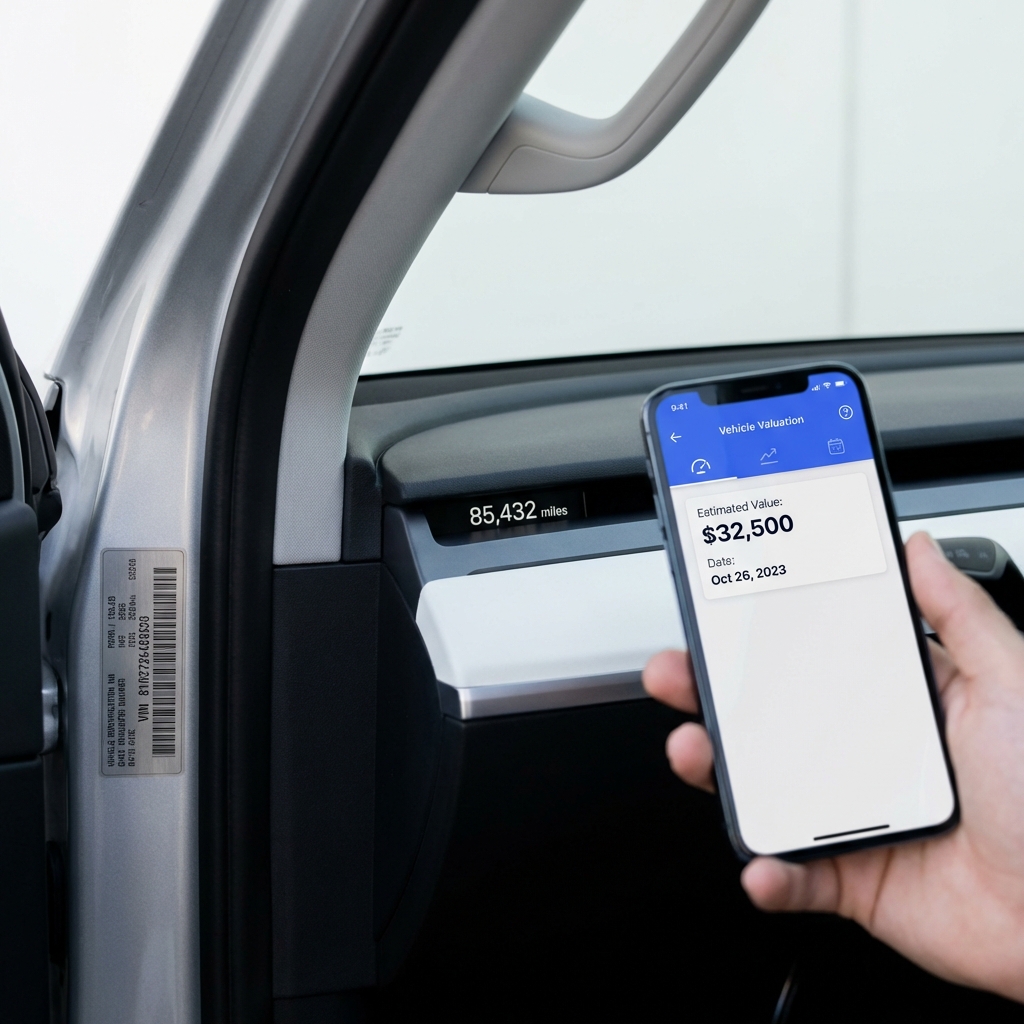
Where can I see how much my truck is worth? - Where can I see how much my truck is worth?
This guide explains where to check your truck's value with kelley blue book trucks and complementary tools. It shows how KBB collects inputs, how to compare estimates from consumer sites and dealer guides, and which documents and checks help narrow a realistic price range. Follow the stepwise workflow to produce trade-in, private-party and dealer retail perspectives.
Carfax coupon codes rarely work, and the codes listed on coupon sites are usually expired. The discounts that do exist are bundles (three reports for $64.99, five for $99.99), AAA member pricing, and free reports from dealers and listings. The simplest guaranteed discount is CarfaxDeals at $7.99 per report versus $44.99 at Carfax.com.
A Carfax VIN lookup takes the 17-character vehicle identification number and returns the car's recorded history: accidents, title brands, odometer readings, owners, and service records. Free VIN tools only decode specs or check recalls and theft. The full Carfax report costs $44.99 on Carfax.com and $7.99 at CarfaxDeals.
You can get a free Carfax report from the Carfax.com used car listings, a dealer website, the seller, Carfax Car Care (for a car you already own), or listing sites that include one. There is no free report for any VIN you type in. When no free report exists, a paid one costs $44.99 at Carfax or $7.99 at CarfaxDeals.
If you are asking where to check how much your truck is worth, start with consumer valuation tools and a dealer guide. This article focuses on using Kelley Blue Book alongside complementary resources so you can build a defensible price range before you contact a dealer.
You will find step-by-step instructions for KBB inputs, advice on comparing Edmunds and Cars.com, guidance on when to consult NADA Guides, and a practical workflow that uses VIN checks and local listings to refine estimates.
KBB offers three separate estimates for trade-in, private-party and dealer retail to show a tiered price view.
Compare at least two consumer sites and a dealer-focused guide to narrow a realistic value range.
Gather title, service records, VIN and clear photos to improve estimate accuracy and speed up appraisals.
Quick answer: where to check your truck's value with kelley blue book trucks
If you want a fast consumer estimate for a truck, start with Kelley Blue Book. The KBB valuation tool asks for year, make, model, trim, mileage and condition and returns separate trade-in, private-party and dealer retail lines so you see a tiered range rather than a single number, which can help set expectations when selling or trading in KBB valuation tool.
Other public tools you should check alongside KBB include Edmunds and Cars.com for consumer-facing appraisals and marketplace context, and NADA Guides when you want a dealer or wholesale perspective. Running multiple sites narrows a realistic range by exposing methodology and local market differences Edmunds appraisal guide. You can also consult a Kelley Blue Book truck pricing overview on UsedCars for another perspective Kelley Blue Book truck pricing guide.
Quick checklist to run the three valuation checks and record results
Compare values side by side and note VIN and mileage
Use KBB to produce three lines of value: trade-in, private-party and dealer retail. Expect trade-in to be the lowest, private-party to be higher, and dealer retail to be the highest of the three because of retail margins and dealer overhead Trade-In vs. Private Sale overview.
As a practical next step, compare at least two consumer valuation sites and a dealer-focused guide to narrow a realistic value band for trade-in and private-party purposes, and verify the exact trim and VIN before finalizing an asking price NADA Guides overview.
How to use Kelley Blue Book for trucks step by step
Start the KBB flow by entering the model year, make and model. These core fields place your truck into the correct market cohort and establish the baseline for trim and option comparisons. KBB groups similar trims together, so an accurate model year and model selection keeps the estimate relevant How KBB calculates values.
Next select the trim and powertrain if available, because trim and powertrain choices often change equipment, payload and towing capability, and these differences affect resale value. If you are unsure of the trim, check the VIN or factory sticker to avoid a mismatched estimate KBB valuation tool.
Enter the current odometer reading. Mileage is a primary driver of depreciation. KBB adjusts estimates based on mileage brackets, so give an accurate reading. Small mileage errors can shift the trade-in and private-party lines in opposite directions, so confirm the number before you submit it Edmunds guidance on mileage and value.
Choose a condition level on KBB that best describes wear and maintenance. Condition categories are intentionally broad, so be conservative if there are unresolved mechanical issues or unclear maintenance records. The vehicle history report and service history will help you justify the choice and reduce surprises when you show offers to a dealer Government selling guidance.
After you run KBB, you will see three separate estimates: trade-in, private-party and dealer retail. Use the trade-in number as the likely offer from a dealer; use private-party as a target if you plan to sell directly; and use dealer retail to understand what dealers might ask when they list a similar truck. Treat each as a point in a range rather than a precise guarantee KBB calculations overview.
What KBB asks for and why it matters
KBB requests year, make, model, trim, mileage and condition because each input narrows the pool of comparable vehicles used for pricing. Trim and options change standard equipment and affect desirability, while mileage and condition adjust for wear and expected remaining useful life KBB valuation tool.
VIN-level precision is preferable when you can get it. The VIN ties the truck to exact factory options and can be cross-checked against a vehicle history report to confirm mileage and title events. If you have a VIN, use it to refine the KBB estimate and to avoid mismatches caused by incorrect trim selection KBB calculations.
Interpreting trade-in, private-party and retail lines
Read KBB's lines as a tiered view: trade-in is generally conservative since it reflects dealer acquisition costs and reconditioning, private-party reflects market demand from individual buyers, and dealer retail reflects the price a dealer lists to consumers. Each line answers a different question and helps you choose a sale path Trade-In vs. Private Sale overview.
When comparing the three values, note how close or far apart they are. Tighter gaps suggest steady local demand and stable pricing. Wide gaps can mean limited local demand or a mismatch in trim or options; verify the VIN and compare local listings to see which estimate tracks the market best NADA Guides background.
Compare consumer valuation sites: KBB, Edmunds and Cars.com
Edmunds and Cars.com supplement KBB by offering marketplace context, buyer-oriented estimates and listing examples that show what similar trucks are actually selling for in your area Edmunds appraisal guide.
Run the same model, trim and mileage on at least two consumer sites to spot differences caused by data sources, recent local transactions or listing inventory. Capturing the spread helps translate an abstract estimate into a realistic asking price or trade-in expectation Cars.com perspective.
Run a vehicle history report before you compare offers
Run the three checks: KBB, one other consumer appraisal and NADA, then compare results side by side before you set a price.
When results diverge, examine listing photos, trim notes and mileage for the comparables each site used. Marketplace listings on Edmunds or Cars.com can reveal local demand trends that a national algorithm does not capture, and that local signal often explains why retail and private-party lines differ Edmunds marketplace context.
Use the combined view to build a realistic range rather than a single target number. For example, if KBB trade-in is well below local listing prices and Edmunds shows stronger private-party demand, decide whether you have time to sell privately or if convenience of a trade-in is worth accepting a lower net.
What each site emphasizes
KBB emphasizes structured consumer estimates with distinct trade-in and private-party lines and is useful for setting realistic expectations during dealer conversations How KBB calculates values.
Edmunds focuses on appraisal context and often pairs its estimates with editorial guidance about selling, while Cars.com highlights current marketplace listings and asking prices that show active retail behavior in your area Edmunds guidance.
Reconciling these views helps you choose a path that balances time, convenience and expected proceeds.
When to check NADA Guides for a dealer or wholesale perspective
NADA Guides tends to reflect dealer and wholesale values and is commonly used by dealers and lenders. Consult NADA when you need a perspective aligned with auction, wholesale and lender contexts rather than a consumer retail target NADA Guides overview.
Use NADA when preparing for trade-in negotiations, understanding potential auction outcomes, or when a lender requests a wholesale appraisal. NADA values can explain why a dealer offer sits below consumer-facing private-party estimates KBB context.
Combining NADA with consumer-focused sites gives you both sides of the market: what a dealer or lender might expect to pay, and what a private buyer might reasonably offer. That contrast helps set a realistic minimum and a target listing price.
How NADA differs from consumer sites
NADA derives values from dealer transactions and wholesale channels, so its estimates often mirror what dealers would accept at auction or use internally for financing decisions. This is useful when you need a dealer-oriented benchmark rather than a retail-facing number NADA Guides reference.
Turn to NADA when the goal is clarity about dealer offers, trade-in expectations or lender appraisals, and always compare it to consumer-facing estimates before making a decision.
How to prepare your truck so online estimates are accurate
Gather title and registration documents, service and maintenance records, the current odometer reading and clear photos of the exterior, interior, odometer and VIN. These items support accurate inputs and make it easier to verify condition during online tools or in-person appraisals Government selling guidance.
Organize service history so you can show recent maintenance and major repairs. Documentation of routine oil changes, brake service and timing belt or chain work helps justify a higher private-party asking price or reduces questions during a dealer inspection Edmunds selling guide.
Verify the VIN and exact trim before you run valuation tools. VIN confirmation ensures the estimated comparables match your truck's factory options and reduces estimate variance caused by wrong trim selection KBB valuation tool.
Keep a folder or photo album with labeled images and scanned documents so you can quickly share them with a dealer or a buyer. Well organized records often speed up offers and reduce back-and-forth when confirming condition or history.
Documents and photos to gather
At minimum, collect the title or registration, recent service records, photos of the truck from multiple angles, clear interior shots and a close-up of the VIN plate and odometer reading. These items make online estimates more reliable and aid inspections How to sell guidance.
Good photos reduce ambiguity about condition and can prevent a lower initial offer due to missing evidence of care. Label photos by date and content so you can reference them quickly during a sale or appraisal.
VIN checks and maintenance records
Run a VIN-based vehicle history report to verify ownership history, title status and mileage consistency before you set your price. Vehicle history context often explains price differences between similar listings and supports higher offers when history is clear and maintenance is documented.
Using a vehicle history report alongside pricing insights helps you reconcile valuation differences and gives you a defensible story when a buyer or dealer asks about condition or past events.
Understanding the price tiers: trade-in, private-party and dealer retail
Trade-in estimates are usually lower because dealers factor in reconditioning costs, wholesale uncertainty and the need to resell the truck at a margin. Expect the trade-in line to be the most conservative of the three estimates Trade-In vs. Private Sale overview.
Private-party values are typically higher than trade-in because private buyers accept some level of risk and often pay more directly for condition or desirable options. A well maintained, single owner truck often commands a premium in private-party listings if documentation supports the claim Edmunds selling tips.
Dealer retail asking prices can be higher than private-party because dealers recondition vehicles, provide limited warranties or financing options and list for visibility; use dealer retail as a ceiling when you compare offers and local listings KBB retail context.
Why trade-in is usually lower
Dealers need to cover transportation, reconditioning and retail marketing as well as ensure profit margins, so their acquisition offers the buyer convenience and immediacy in exchange for lower net proceeds than a private sale. That trade-off is central to choosing whether to sell privately or accept a trade-in.
How private-party and dealer retail differ
Private-party buyers typically care about maintenance history, visible condition and immediate utility. Dealers sell to a broader audience and price in costs that private buyers do not carry, which explains the higher retail line.
A practical workflow to determine your truck's realistic value
Step 1: Run KBB with the exact trim, year and mileage and record the trade-in, private-party and dealer retail lines. Use a VIN if you have it to avoid trim mismatches and to back up condition choices with a vehicle history report KBB valuation tool. You can also reference KBB's pricing pages KBB pricing pages for additional context.
Start with Kelley Blue Book for consumer estimates, compare with Edmunds or Cars.com for marketplace context, and consult NADA Guides for a dealer or wholesale perspective; verify trim and VIN and gather documents to refine a realistic range.
Step 2: Run Edmunds or Cars.com with the same details and compare the numbers to KBB. Note where estimates diverge and check marketplace listings for similar trucks to see which estimate matches active asking prices Edmunds appraisal guide.
Step 3: Check NADA for a dealer and wholesale reference, verify the VIN against your records, and review local listings to finalize a target asking price or a minimum acceptable trade-in. Use vehicle history and pricing insights to decide whether to sell privately or trade in NADA Guides overview.
Keep records of each estimate and the screenshots or printouts that show the inputs you used. When you present your truck to a dealer or list it privately, those records support the price you expect and make differences easier to explain Selling checklist.
Three-step comparison framework
Use the three-step approach to create a simple matrix: KBB trade-in, KBB private-party, Edmunds or Cars.com private-party estimate, and NADA wholesale. Mark any inconsistencies and investigate the comparables behind them; often a wrong trim or mileage assumption explains most gaps KBB calculations overview.
After you reconcile differences, choose a primary number to negotiate around and a fallback minimum. The primary number can be a private-party target if you can wait for a buyer; the fallback can be a trade-in value if you need speed or convenience.
Using VIN and local listings to refine estimates
VIN-level verification ensures factory options and title events are accounted for. Local listings tell you what buyers are actively paying; use both to shift an estimate up or down based on documented condition and comparables in your market Edmunds marketplace advice.
CarFax Deals can be used as a verification layer to add vehicle history and pricing context when you compare online estimates before contacting a dealer, which can help you prioritize listings and clarify questions about past ownership or service history.
Common mistakes and pitfalls when checking truck value
Selecting the wrong model year or trim is a frequent error that leads to inaccurate estimates. Always verify the VIN or factory sticker to confirm trim level before you run valuation tools KBB valuation tool.
Relying on a single valuation source or ignoring local listing prices skews expectations. Use at least two consumer tools plus a dealer guide to spot outliers and create a defensible range NADA Guides reference.
Missing or unclear photos and incomplete maintenance records reduce estimate reliability and can reduce private-party interest. Organize and label your records before you list or show the truck Government selling guidance.
Practical examples: three scenarios and what to expect
Scenario 1, trading in an older work truck. A heavy-use work truck often shows higher mileage and more wear. KBB trade-in will typically reflect the buyer pool and reconditioning costs, and NADA may show a tighter wholesale number used by dealers when they factor in auction outcomes NADA Guides overview.
Scenario 2, selling a well maintained single owner truck privately. If service history and photos support a well maintained claim, KBB private-party and Edmunds estimates tend to align with higher asking prices and can justify listing above the trade-in line Edmunds selling guide.
Scenario 3, using dealer offers to trade up. If you plan to trade up into another vehicle, compare the dealer's trade-in offer to KBB trade-in and NADA wholesale to see whether the dealer is offering a competitive allowance. Use KBB's retail and private-party lines to judge whether the dealer retail price for your next vehicle is reasonable Cars.com trade-in overview.
Next steps and how to decide: summary checklist
Decision criteria: weigh convenience, expected net proceeds, time and local demand. If you need speed and simplicity, a trade-in may be appropriate; if you want maximum proceeds and can wait, private-party often yields more.
Before contacting a dealer, verify the VIN, run a vehicle history report and compare at least two consumer valuation tools plus a dealer guide. Gather documents and labeled photos so you can support your asking price or counter an offer KBB guidance.
Immediate next steps: gather title and service records, run KBB and at least one other consumer appraisal, then check NADA and local listings to finalize a realistic range and a negotiation plan Edmunds checklist.
KBB provides structured trade-in, private-party and dealer retail estimates that are useful as benchmarks, but accuracy depends on correct inputs, verified trim and VIN, local demand and documented maintenance.
Use NADA for dealer and wholesale perspective and KBB for consumer-facing trade-in and private-party benchmarks; comparing both helps set a realistic expectation.
Have the title or registration, service and maintenance records, current odometer reading and clear photos of exterior, interior, VIN and odometer ready.
Use the three-step workflow and the checklist to decide whether to sell privately, trade in or wait for a better offer. Keep records of each estimate and a vehicle history report so you can explain differences and negotiate from an informed position.
If you want to verify history before talking to a dealer, run a vehicle history report and use it together with the price comparisons you collected.

 Blog
Blog