
Is it a good idea to trade in your car?
Deciding whether to trade in car inventory or sell privately comes down to a tradeoff between convenience and net proceeds. This guide explains how dealer trade-ins work, how to estimate trade-in value, and a simple decision rule to choose the right path. It also shows how vehicle history reports and multiple valuation sources can reduce uncertainty before you accept an offer.

 Blog
BlogRelated reading
Should I buy a Tahoe with 100k miles? — Practical guide
A Chevrolet Tahoe with around 100,000 miles can be a reasonable buy when it has documented service history, no major title or accident issues, and a clean inspection. Use a vehicle history report and a focused pre-purchase inspection to reduce risk and estimate near-term maintenance needs. This guide explains what to check, common high-mileage problems, how to budget for repairs, and a simple decision flow for offers.
Is a Chevy Tahoe a good vehicle to buy?
This guide examines whether a Chevrolet Tahoe fits common used‑SUV needs, weighing safety, reliability, space and ownership costs. It explains which model years tend to offer better technology and towing, and gives step by step checks buyers can use when they see a chevy tahoe for sale. Use vehicle history reports and pricing insights as prioritization tools, then confirm condition with an inspection.
What is the best year of Tahoe to buy used? - What is the best year of Tahoe to buy used?
This guide helps research oriented buyers evaluate a chevy tahoe for sale by comparing model years, safety records and common reliability concerns. It explains why many buyers favor late fourth generation Tahoes, why 2021 and later models need VIN level recall checks, and how vehicle history reports and pricing insights can shorten your shortlist.
What it means to trade in a car
Trading in a vehicle means selling it to a dealership as part of another transaction, often applying the dealer's offer toward a new purchase or a loan payoff. For many sellers, the primary appeal is speed and convenience: the dealer handles paperwork and can settle a payoff on the spot. This guide uses the phrase trade in car to describe that choice and to help compare it against selling privately.
Form an initial trade-in value range using common inputs
Use as a rough guide not a guarantee
Dealers usually inspect and appraise the vehicle before making an offer. They may check title status and look for outstanding liens, review mileage and accident history, and evaluate visible condition. Understanding those basic steps helps sellers set expectations for the initial offer and the pace of a dealer transaction, rather than assuming a private buyer timeline will apply.
Many people choose to trade in when they prefer a single-stop experience and the option to roll value into a new loan. That convenience can be worth accepting a lower net payout for some buyers, especially when time or comfort with paperwork is limited. For a broad overview of when a dealer trade-in is the simpler route, see the editorial guidance from Edmunds Edmunds trade-in guide.
Definition and quick context
In practice, a trade-in involves an appraisal, a written offer, and a set of documents that transfer title. Dealers often apply the offer against a new purchase price or use it to pay off an existing loan, which can simplify the seller's next steps. The applied value can be helpful when timing a replacement purchase, but it is part of the tradeoff with raw cash proceeds.
How a trade-in differs from a private sale
Compared with selling privately, trading in usually delivers a lower gross cash amount because dealers factor in reconditioning and resale margins. Private sales tend to produce higher asking prices, but they require time, buyer screening, and negotiations. For a clear comparison of the typical differences between private sale and trade-in outcomes, see the Kelley Blue Book overview Kelley Blue Book private sale vs trade-in.
How dealer trade-ins work - step by step
Dealers follow a routine appraisal and inspection process before making a trade-in offer. The usual sequence includes a visual inspection, a short test drive, verification of title and any liens, and a review of mileage and reported incidents. This workflow explains why the dealer offer often differs from an online estimate.
Appraisal steps are typically brief but focused. A dealer technician or appraiser will note tires, brakes, obvious mechanical issues, and interior condition, and may run a vehicle history check to confirm ownership and accident history. Asking the dealer what they inspected can help you understand deductions and the basis for their number.

After inspection, dealers set a price that reflects the wholesale value they expect after reconditioning. They try to estimate the cost and time to make the vehicle retail-ready, which creates a buffer between the dealer's offer and the price a private buyer might pay. Manheim and wholesale market reports explain how wholesale margins and expected reconditioning affect dealer offers Manheim wholesale market report.
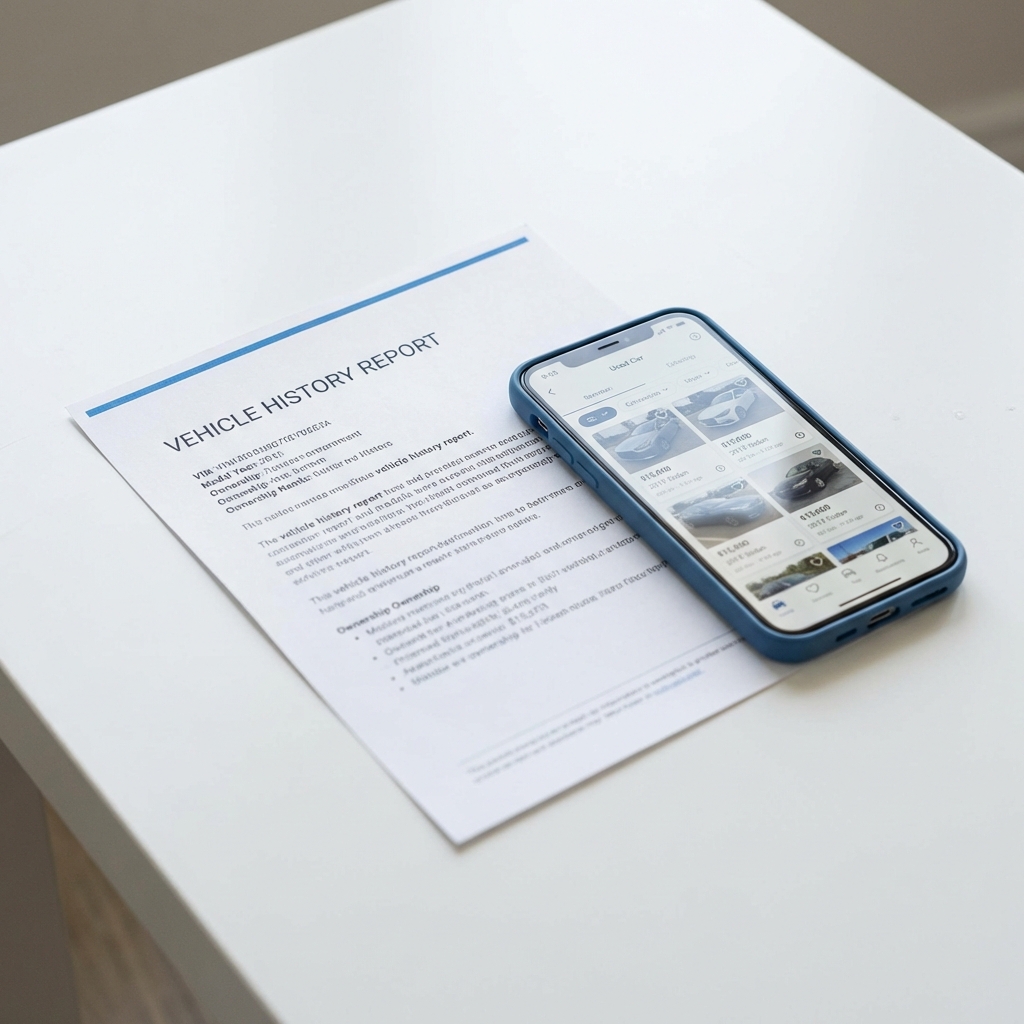
Dealers are in the business of reselling cars. Their offers account for inspection findings, anticipated parts or repair needs, and the margin they require to cover lot costs and resale risk. That is why offers can look conservative compared with private-sale listings that do not assume reconditioning expenses. Understanding those built-in adjustments gives you better leverage when comparing offers.
Private sales commonly yield higher gross prices than dealer trade-ins, often by a range that varies by model, condition and demand. That gross premium is a starting point, not a final net outcome, because selling privately costs time and may generate seller expenses. For research on typical private-sale versus trade-in price differences, see the market analysis from iSeeCars Research iSeeCars private-sale study.
When you weigh offers, consider net proceeds, not just the headline price. Private-sale gains can be reduced by listing fees, the time you spend communicating with buyers, and potential repairs required to pass buyer inspections. Consumer-oriented studies discuss how those costs and time commitments often narrow the private-sale advantage Consumer Reports comparison.
Run a vehicle history report before comparing offers
Compare estimated net proceeds using local dealer quotes and a private-sale estimate before deciding which path to take.
If your vehicle is older, has high mileage, or needs work, the extra time and expense to sell privately can outweigh the higher gross price you might reach. In those cases, a dealer offer can represent a practical solution to avoid prolonged listing and negotiation. The balance between net proceeds and convenience is central to the decision.
Gross price differences
Gross-price differences are real: private-market buyers often pay more for a well-presented car, especially for desirable models or low-mileage examples. However, gross figures do not include the labor, fees and risks of a private sale, so they should be treated as starting points for calculating realistic net outcomes.
Net proceeds after time and costs
To measure net proceeds, subtract your expected time cost, listing incidentals, and any fixes you would perform to attract private buyers from the private-sale price. Many sellers find that once those factors are included, the private-sale premium shrinks and sometimes disappears for older or damaged cars. For practical guidance on what sellers typically face, consult general consumer guidance on selling and buying vehicles FTC buying and selling guide.
How to estimate your trade-in value
Start by combining multiple valuation sources to build a realistic range: use online valuation tools, get dealer appraisals, and run a vehicle history report to confirm title, mileage and service records. Blending these inputs reduces reliance on a single estimate and produces a more defensible expectation for negotiations. Kelley Blue Book recommends combining these sources when setting expectations Kelley Blue Book private sale vs trade-in.
Practical steps include pulling KBB or Edmunds estimates, scheduling at least two dealer appraisals, and checking local listings for similar model years and trims to see actual asking prices. You can also run a VIN report to verify vehicle specifics VIN report, which helps match local comps.
Use dealer appraisals as reality checks, not the final word. Appraisals reflect the dealer's expected cost and risk, while third-party valuations provide market context. Comparing several appraisals and online estimates gives you a range rather than a single number, which helps set negotiation targets and avoid overconfidence.
Use vehicle history checks to refine expectations
Confirm title status, ownership history and service history before you negotiate. A clear title and consistent service records often support a higher trade-in value, while liens or problematic title notations reduce offers. The FTC's guidance on vehicle transaction documentation explains why confirming those items protects sellers FTC buying and selling guide.
When trading in makes sense: a simple decision rule
A practical rule for 2026 is straightforward: choose trade-in for speed, simplicity, and if you plan to roll value into financing; choose private sale if you can invest time to maximize net proceeds. This rule reflects current industry guidance that stresses the convenience-versus-cash tradeoff.
That decision rule does not remove the need for local quotes. Market conditions and model-specific demand can flip the math, so always test assumptions with at least two dealer offers and an estimate for private-sale demand in your area.
Speed and simplicity considerations
Trade-in is often the right option when you prioritize a fast, low-effort transaction or when a dealer application of the offer toward a purchase simplifies your next step. For sellers who want to avoid buyer screening or the logistics of a private sale, the trade-in path reduces transaction friction.
When private sale is usually worth the effort
If you have a desirable model, low mileage, or a documented single-owner history and you can wait for the right buyer, selling privately can increase gross proceeds enough to justify the extra effort. Market studies on private-sale premiums illustrate where those gains are most likely to appear iSeeCars private-sale study.
Preparing your car to maximize trade-in offers
Focus on cost-effective preparations that change inspection outcomes. Basic cleaning and addressing small maintenance items-like replacing burned bulbs, topping fluid levels, and fixing minor interior wear-can improve an appraisal result without large expense. Consumer guidance typically recommends prioritizing inexpensive fixes that affect safety and obvious condition.
Organize service records and ownership documents. A well-documented service history and evidence of a single owner tend to increase confidence and may improve offers. Avoid expensive cosmetic work for older cars, as dealers commonly recondition those areas themselves and will not necessarily pass the cost back to you.

Spend on items that reduce inspection flags. Clean the cabin, remove clutter, and handle small items that lead to immediate inspection deductions. These steps are inexpensive but can remove typical bargaining points and make the appraisal smoother.
Service history and documentation
Presenting a complete set of service records and title documents reassures appraisers about ownership and maintenance. If your records show consistent maintenance, mention that during the appraisal and provide the copies. The Federal Trade Commission suggests keeping clear documentation to avoid surprises during title transfer FTC buying and selling guide.
Documents and checks to verify before you accept an offer
Before signing, confirm title status and any lien payoff requirements. If a lender holds the title, understand how the payoff will be handled and get written confirmation of the amounts and process. These checks prevent last-minute reductions to your net proceeds.
Run a vehicle history report to confirm mileage, accident history and service records. A verified history report can surface title anomalies or undisclosed incidents that would change an offer or require renegotiation. Kelley Blue Book and consumer guidance both highlight the importance of verifying these items before finalizing a deal Kelley Blue Book private sale vs trade-in.
Title, liens and ownership history
Ask for written instructions on how the dealer will handle any lien payoff and request a written offer showing the trade-in amount. Having those items in writing reduces confusion and gives you a record to reference if figures change during final paperwork.
Vehicle history report items to confirm
Key items to check include title status, reported accidents, and service history entries. If a report shows an issue that the dealer did not disclose, raise it before signing; sometimes dealers adjust offers when new information appears during their internal checks.
Common mistakes sellers make with trade-ins
A frequent error is relying on a single online estimate that overstates potential private-sale prices. Using multiple valuation sources reduces the risk of planning around an unrealistic number. Kelley Blue Book and iSeeCars research both suggest this multi-source approach to set realistic expectations Kelley Blue Book private sale vs trade-in.
Another common mistake is skipping a vehicle history check. Unreported title issues or inaccuracies in ownership records can lead to reduced offers or delays. Verifying reports early helps avoid last-minute surprises and can preserve negotiation leverage.
Overvaluing informal online estimates
Online estimates are useful guides but not guarantees. They rely on inputs that may not reflect local demand or specific condition issues discovered in a dealer inspection. Treat them as one part of a broader valuation process.
Skipping vehicle history checks
Failing to run or review a vehicle history report before getting offers is avoidable risk. A history report can confirm mileage and highlight title flags that materially affect the offer and sale path. Addressing report items early helps manage buyer or dealer expectations.
Negotiating a trade-in: what to ask and what not to say
Start by asking for an itemized, written offer that explains deductions for reconditioning or title issues. Requesting that detail helps you compare offers from multiple dealers and keeps the conversation focused on facts rather than emotion. The FTC suggests documenting all agreed terms to avoid surprises at closing FTC buying and selling guide.
Use competing appraisals and third-party valuations as comparables when you negotiate. Presenting concrete numbers is more effective than broad assertions about value. Keep finance and trade-in discussions separate where possible so you do not inadvertently reduce leverage.
Information to share and information to withhold
Share service records, recent maintenance receipts, and accurate mileage. Avoid oversharing personal financing details that dealers may use to structure the overall deal. Focus negotiations on the trade-in amount and get that figure in writing.
How to use competing appraisals
Bring written appraisals from other dealers or screenshots of online valuations to support a counteroffer. Dealers respect documented comparables more than anecdotal claims. A calm, factual presentation of competing numbers often yields the best outcome.
Real-world scenarios: three examples
Scenario A: An older, high-mileage car where trade-in often wins. For vehicles with high mileage or that need repairs, the private-sale premium may evaporate once listing time and repair costs are counted. In those cases, a dealer trade-in simplifies the transaction and avoids extended listing time and buyer screening, which Consumer Reports discusses as common practical tradeoffs Consumer Reports comparison.
Scenario B: A desirable model in high demand where private sale has an advantage. If the model year and trim are in strong demand locally and the vehicle has low mileage and a verifiable service history, a private sale can produce materially higher gross proceeds. Market analyses of private-sale premiums illustrate where such advantages are most likely to appear iSeeCars private-sale study.
Scenario C: A midlife car with minor accident history. When a vehicle has a minor accident on record, dealers will price in reconditioning and disclosure obligations, which can reduce private-sale advantage because disclosure often scares some private buyers or requires price adjustments. Wholesale market dynamics explain why dealers factor in those costs Manheim wholesale market report.
Older, high-mileage car - why trade-in often wins
For these cars, the time, repairs, and risk to sell privately tend to be higher than the likely extra cash you would net. The convenience of a dealer take-back and immediate payoff can outweigh a modest private-sale premium.
Desirable model in high demand - private sale advantage
If local demand is strong and comparable used listings sell quickly at a premium, selling privately may be worth the effort. Verify demand with recent local comps and a vehicle history report to confirm the absence of issues before listing.
Midlife, minor-accident history - mixed outcome
These cases are mixed because the accident record reduces buyer confidence while dealers can manage reconditioning costs internally. Running a verified history report and comparing multiple offers is the best way to decide.
How local market and vehicle condition change the math
National averages are a starting point, but regional demand swings and model-specific resale factors can materially affect whether a private sale or trade-in yields better net proceeds. Manheim's market insights highlight how regional shifts influence wholesale and retail pricing Manheim wholesale market report.
Check local listings and recent sold comps for the same trim and model year to test assumptions. Local comparables provide a realistic view of what buyers are paying now, which is critical because demand can vary significantly by region and season.
Trading in is often better for sellers who prioritize speed, ease and the ability to apply value toward a new purchase; selling privately tends to yield higher gross prices but requires time, marketing and buyer screening, so local quotes and a vehicle history report are key to deciding.
Ask local dealers for appraisals and compare them against private-sale asking and sold prices to see which route fits your priorities. This on-the-ground testing is the most reliable way to resolve the convenience-versus-cash question for any specific car.
Regional demand swings and model-specific factors
Some trims or powertrains are more valuable in certain regions due to fuel costs, climate, or local preferences. Confirm how your car's trim and powertrain perform in local sales before betting on a private-sale premium.
Using local comps to test assumptions
Search for recent sold listings, not just active ads, to understand realized prices. If sold comps for comparable vehicles cluster near dealer offers, the private-sale premium may be limited; if sold comps show higher final prices, a private sale could be worthwhile.
Using vehicle history reports and pricing labels to compare offers
Run a vehicle history report to verify title status, ownership records and service history before accepting any offer. Confirming those elements helps you avoid surprises and supports clearer comparisons between dealer appraisals and private-sale buyers. The FTC recommends checking documentation and title details to protect sellers FTC buying and selling guide.
Price analysis labels and pricing insights can speed comparisons between multiple offers by providing a standardized price context for a listing or appraisal. When paired with a verified history report, these labels can help you prioritize which offers to pursue without assuming they guarantee any outcome.

Decision-support platforms that combine a vehicle history report with pricing context can reduce uncertainty by flagging title or accident issues and showing local pricing signals. Use these tools as verification layers rather than proofs of value, and consider them one input among appraisals and local comps. A measured, evidence-based approach will usually yield the best decision. For guidance on using site tools see how-to-use, and for an alternative dealer perspective see this comparison Marciano Auto Group comparison.
Key items include title status, reported accidents, service entries and consistency of mileage. Verify that the report aligns with your documentation and be prepared to show service records to support any higher asking price or counteroffer.
Pricing insights, such as labels that categorize a listing as a favorable or typical price in the local market, help triage which offers merit deeper review. Use them to prioritize time when you have multiple appraisals to compare.
If you choose trade-in, immediate steps include gathering title information and payoff figures, scheduling two dealer appraisals, and running a vehicle history report to confirm the documentation. Completing these steps quickly gives you a reliable baseline for comparison. For a broader selling guide, see Lithia's overview Lithia selling guide, or check our blog for additional tips.
Quick timeline if you choose trade-in
Plan for a short timeline: gather paperwork and run a history report within a day or two, get two dealer appraisals within a week, and decide based on net proceeds versus convenience. That cadence keeps options open while moving efficiently.
Checklist before listing privately
Prepare service records, obtain a vehicle history report, clean and photograph the car, and list it with a realistic asking price based on local sold comps. Decide in advance how long you will list before switching to a trade-in if the private-sale path does not produce acceptable offers.
Conclusion: balancing convenience and net proceeds
The central choice is simple: trade-in for speed and fewer hassles, or sell privately to chase a higher gross price if you can invest time. Local quotes and verified vehicle history reports are the decisive inputs that convert national guidance into a practical decision for an individual car.
Before you accept any offer, verify title and service history with a vehicle history report, compare multiple appraisal sources, and test local private-sale demand. These steps reduce uncertainty and put you in a stronger position to choose the path that best fits your priorities.
Private sales often fetch higher gross prices, but the additional net proceeds depend on your car's condition, local demand, and the time or costs required to sell; use multiple appraisals and local comps to estimate net advantage.
Yes. A vehicle history report helps confirm title status, reported accidents and service history, and can prevent surprises that reduce offers or delay closing.
Address inexpensive items that affect safety and obvious inspection flags, keep service records organized, and avoid costly cosmetic work that dealers typically recondition.
References
- https://www.edmunds.com/sell/should-i-trade-in-or-sell-my-car-privately.html
- https://www.kbb.com/car-advice/selling-your-car/private-sale-vs-trade-in/
- https://www.manheim.com/insights/used-vehicle-value-index/
- https://www.iseecars.com/sell-vs-trade-in-study
- https://www.consumerreports.org/car-buying/should-you-trade-in-your-car-or-sell-it-privately-a/
- https://www.consumer.ftc.gov/articles/buying-selling-car
- https://carfaxdeals.com/run-report
- https://carfaxdeals.com/vinreport
- https://carfaxdeals.com/how-to-use
- https://carfaxdeals.com/blog
- https://www.marcianoautogroup.com/blog/private-sale-vs-trade-in/
- https://www.lithia.com/research/car-selling/the-complete-guide-to-maximum-value.htm