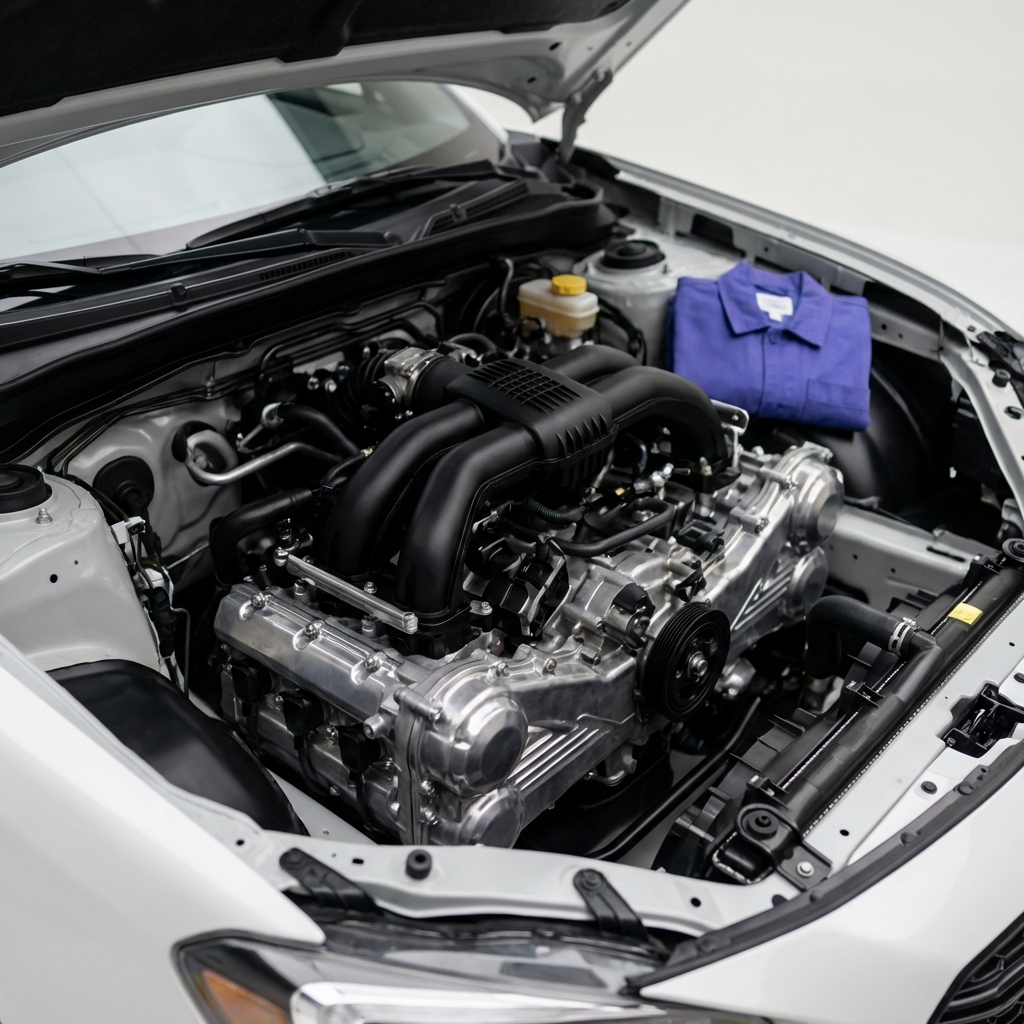
This detailed guide explains the most common Subaru problems—what causes them, how to spot the warning signs during a test drive, and realistic repair and prevention tips. Whether you’re buying a used Subaru or already own one, learn about head gasket issues, oil consumption, CVT concerns, suspension wear, and more. The article also shows how CARFAX Deals helps you reduce risk with verified vehicle histories and provides a clear checklist for inspections, negotiation, and post-purchase care.
A step-by-step workflow for estimating a truck's market value that centers on comparing consumer valuation tools, adjusting for mileage and condition, and checking wholesale market signals. The guide explains private-party, trade-in and dealer retail values and shows how a vehicle history report and pricing insights can change an asking price.
This guide helps research oriented buyers evaluate suv used cars for sale under $25,000 by combining safety ratings, reliability data, local pricing context, and vehicle history checks. It outlines a simple framework, a pre visit checklist, and a decision scoring worksheet so you can compare finalists before contacting a dealer. Use the steps here to narrow candidates and confirm risk signals with a vehicle history report and a pre purchase inspection.
When searching suv used cars for sale, prioritize model year, trim and powertrain before choosing a make or model. This guide explains how safety ratings, dependability studies and local pricing insights combine to produce a short list you can verify with a vehicle history report. It also provides a stepwise checklist you can use before contacting a dealer.
Buying a used Subaru is as much about listening and looking as it is about price. This guide walks you through the most common Subaru problems, how to spot them during a test drive and inspection, and what to do to avoid costly surprises—so you can buy with confidence.
1. Head gasket concerns are a common complaint on older Subaru 2.5L engines—watch for milky oil or unexplained coolant loss.
2. CVT-related shudder or delayed engagement often shows up on cars without documented transmission service—ask for fluid change history.
3. CARFAX Deals pairs verified vehicle history reports with pricing context so buyers can quickly prioritize listings with cleaner documented backgrounds.
What are the common Subaru problems?
When people ask what are the common Subaru problems, they usually mean: what issues are likely to show up as the miles climb and what should I watch for before buying? If you plan to buy a used Subaru or keep one for many years, knowing the usual trouble spots—plus how to spot them during a test drive or inspection—makes a huge difference.
Subarus are beloved for their all-wheel-drive grip, practicality, and longevity. But like any brand, certain systems show up repeatedly in repair shops and owner reports. Below I’ll walk you through the most frequent Subaru issues by model group and age, explain the warning signs, estimate typical repair ranges, and share prevention tips that actually save money.
How to use this guide
This piece is both a reference and a step-by-step checklist: read the overview to learn the common Subaru problems, then move to the sections on inspection, test-driving, and negotiating to apply what you’ve learned. For practical steps and examples, see the how-to guide at CARFAX Deals how-to.
Why it matters early
Spotting the usual issues early—before you buy or when maintenance alarms start—turns costly surprises into manageable repairs. And if you’re shopping, pairing these checks with a verified vehicle history reduces the chance of buying a car with hidden trouble. A snapshot of listing details can help prioritize which cars to inspect first.
If you want a simple way to begin your search with better transparency, consider checking listings backed by verified histories like CARFAX Deals. They surface cars with documented reports and price-context labels so you can prioritize low-risk vehicles while you plan inspections and test drives.
Top common Subaru problems, explained
Below are the recurring issues reported most often across model years. I group them by symptoms and systems so you can quickly match what you see or hear to likely causes.
1. Head gasket failure (older Subaru models)
Why it happens: Some older Subaru engines—particularly certain 2.5L flat-four engines from the late 1990s through the mid-2000s—have histories of head gasket leaks. These can be due to design tolerances, aging seals, or long-term overheating. See a clear explanation of Subaru head gasket problems at Subaru Head Gasket Problems Explained.
Signs to watch for: white smoke from the exhaust, milky oil (coolant mixed into oil), overheating, or persistent coolant loss without a visible leak.
Typical fix and cost: Replacing a head gasket is labor-intensive; expect a professional repair to be in the mid-to-high range depending on engine and region - often a few thousand dollars. Sometimes shops will recommend an engine replacement if the motor shows multiple problems.
Prevention: Check maintenance records for cooling system service, look for coolant color and level, and insist on a compression or leak-down test in a pre-purchase inspection.
2. Excessive oil consumption and oil leaks
Why it happens: Oil consumption can come from worn piston rings, valve guide seals, or age-related leaks at gaskets and seals (including valve cover gaskets). Subaru’s boxer engines sit wide and low; oil leaks can run into places where they’re not immediately visible. Community discussions also cover oil consumption trends and fixes; one forum thread on engine oil consumption is illustrative at Subaru's main issue: The 2.5 engine.
Signs to watch for: low oil level between changes, blue-gray exhaust smoke under acceleration, or oil spots where the car parks. Also watch for oil on the underside of the intake manifold or around the valve covers.
Typical fix and cost: Replacing gaskets or seals is moderate in cost; major engine repairs (rings, pistons) are more expensive. Regular oil checks and prompt top-offs reduce risk of catastrophic failure.
Why it happens: Subaru uses CVT transmissions in many models. While CVTs provide smooth fuel-efficient performance, they require correct fluid and careful maintenance—neglect or contaminated fluid can lead to premature wear. For a general overview of common Subaru issues and recommended actions including transmission care, see this guide at Top 5 Common Subaru Issues.
Signs to watch for: shuddering on acceleration, delayed engagement, strange noises from the front of the car, or flashing transmission warning lights.
Typical fix and cost: Rebuilding or replacing a CVT is often costly—several thousand dollars. In some cases, fluid changes, software updates, or valve body work can help; always check service history for transmission fluid change intervals.
4. Wheel bearings and drivetrain noises
Why it happens: All-wheel-drive systems put load on front and rear differentials and axles. Wheel bearings can wear, producing noise; CV joints and driveshaft components may also fail over time.
Signs to watch for: humming, grinding, or growling that changes with vehicle speed and sometimes with turning. A consistent noise that changes when you shift weight during cornering often points to a bearing or axle issue.
Typical fix and cost: Wheel bearing replacement is usually moderate in cost; axle or differential work will be higher. Address bearing noise early to avoid collateral damage.
5. Suspension wear, bushings and strut mounts
Why it happens: Normal wear and tear plus rough roads accelerate bushing and strut wear. Subarus used as daily drivers or for outdoor activities often experience rougher duty cycles.
Signs to watch for: clunks over bumps, wandering steering, uneven tire wear, or a loose feeling on highways.
Typical fix and cost: Replacing bushings or struts is common maintenance—costs vary widely by model. Upgrading worn suspension parts improves safety and handling.
6. Turbocharger issues on turbo models (WRX, XT, Forester XT)
Why it happens: Turbo systems are stressed components. High-mileage use without proper oil changes or aftermarket tuning can shorten turbo life.
Signs to watch for: loss of boost, blue smoke after acceleration, whining turbo noises, or significant power loss.
Typical fix and cost: Turbocharger replacement or rebuild is moderately expensive. A well-documented maintenance history and conservative tuning reduce risk.
7. Electrical and accessory problems
Why it happens: Age, exposure to moisture, and simple wear can affect alternators, starter motors, sensors, and wiring. Subaru’s cabin electronics are usually reliable, but particular models and years sometimes show recurrent issues.
Signs to watch for: intermittent warning lights, inoperative accessories (heated seats, infotainment quirks), or a battery that drains while parked.
Typical fix and cost: Alternator or starter replacement is reasonable; diagnosing intermittent electrical issues can be the costly part. A scan for stored codes during inspection is a good idea.
8. Exhaust, catalytic converter and emissions parts
Why it happens: Catalytic converters and sensors age, and road salt in winter climates speeds corrosion. Subaru’s AWD ownership in harsh climates means rust can accelerate exhaust issues.
Signs to watch for: rattles under the car, check-engine light with emissions codes, or loss of efficiency and power.
Typical fix and cost: Sensor replacements are modest; catalytic converter replacement is expensive and sometimes limited by regulations. Check underside condition for rusted hangers or holes.
Signs to watch for during a test drive (Practical checklist)
Beyond the model-specific issues above, here’s a short, practical test-drive checklist you can use on any Subaru:
Start-up and idle
Cold starts are revealing. Watch for rough idling, long cranking, or dashboard warning lights. A quick smell test—coolant or fuel odors—can indicate leaks.
Acceleration and cruising
Listen for transmission shudders, turbo lag on turbo models, or unusual engine noises. Check whether power comes smoothly through the RPM band.
Braking and steering
Brakes should feel firm and predictable; the car shouldn’t pull to one side. Steering should be responsive without play or vibration.
Suspension and road noise
Drive over a variety of surfaces. Notice clunks, bouncing, or excessive body roll; these often point to shock, bushing, or sway bar wear.
Pre-purchase inspection: what the mechanic should check
A professional pre-purchase inspection is worth the fee. Ask the mechanic specifically to check:
Cooling system pressure test and inspection of head gasket symptoms
Compression or leak-down test if head gasket concerns exist
CVT fluid condition and transmission software updates (if applicable)
Wheel bearing and differential wear
Underbody rust, exhaust condition, and suspension bushings
Turbocharger health on turbo models
Full scan for stored codes and live sensor data
Bring up any specific Subaru model year quirks you’ve read about so the inspector can look for them.
Maintenance history and why records matter
Service records tell a story. Regular oil changes, timing belt or chain services, and documented transmission fluid changes are signs of care. Lack of records doesn’t always mean neglect—but a documented history reduces risk significantly.
Timing belts versus timing chains
Some Subaru engines use timing belts with replacement intervals; others use chains that can last longer but still require inspection. Know which engine you’re looking at and whether the recommended service has been done.
Cost expectations and negotiation tips for Subaru buyers
Repair costs depend on which problem appears, but a few principles help you negotiate:
Use mechanic inspection notes to ask for a price reduction or repair credit.
Factor in common wear items—tires, brakes, and fluids—when you make an offer.
Start with a fair but lower offer tied to documented issues, not emotion.
For repairs like head gaskets or CVT work, the price impact can be large—don’t be afraid to walk away if the seller won’t adjust the price to reflect necessary repairs.
Everyday maintenance tips for Subaru longevity
Keeping a Subaru running well is mostly about regular care:
Follow oil change intervals and use recommended oil grades.
Keep coolant and transmission fluids fresh and at correct levels.
Address small oil leaks and valve cover gasket issues promptly.
Rotate tires and watch for uneven wear—this preserves wheel bearings and suspension components.
Replace worn belts and hoses proactively.
Buying a used Subaru: a step-by-step checklist
Here’s a compact sequence to follow when you find a Subaru you like:
Confirm the VIN and pull a vehicle history report - use the VIN report or run a report to get quick document history.
Read the ad carefully and look for consistent photos and service receipts
Inspect the car in daylight and do a thorough walk-around
Perform a varied test drive including highway and local streets
Order a pre-purchase inspection
Negotiate using the inspection report and comparable market prices
Complete title and bill of sale paperwork and register the vehicle
Fuel, winter use and rust considerations
Subarus are popular in snowy regions because of AWD, but winter use increases exposure to road salt and moisture. Check the underside, wheel wells, and door sills carefully for rust. Ensure the heating system and defrosters work—these are essential in cold climates.
Why documentation and trustworthy listings help
A clear vehicle history reduces risk. Verified listings that include full CARFAX reports and price-context labels simplify comparison across similar cars and dealerships. They don’t replace mechanic inspections, but they do help you prioritize vehicles likely to be in better shape.
Simple red flags to never ignore
These quickly suggest you should walk away or investigate further:
Seller refuses to provide VIN or service records
Inconsistent ad details or photos that avoid close-ups of odometer and engine bay
Pressure to close the sale fast or requests for unusual payment methods
Owning a Subaru: long-term tips
Once you own a Subaru, small habits protect your investment:
Keep a maintenance folder with every receipt
Listen for changes in noise or handling and address them early
Follow manufacturer maintenance schedules
Consider a warranty if you plan short-term ownership and want repair protection
Often yes—many Subarus reach high mileage when well maintained. Prioritize documented service history (oil, cooling system, transmission service), get a pre-purchase inspection focusing on head-gasket and transmission checks, and factor common wear items into the price before deciding.
Model-specific notes (quick reference)
Legacy and Outback
Common issues include head gasket problems on older 2.5L engines, oil leaks, and suspension wear. These models are durable when cared for and often excellent choices for families and long-distance drivers.
Impreza and WRX
Non-turbo Imprezas share many of the same routine issues. WRX and turbo models add the turbocharger and increased mechanical stress—so check boost behavior and intake/exhaust systems carefully.
Forester
Foresters are practical crossovers. Watch for oil consumption on older engines and suspension wear; turbocharged variants require the same turbo checks as WRX models.
Ascent and Crosstrek (newer platforms)
These newer SUVs tend to have fewer legacy engine problems, but watch for early-life recalls, accessory fitment issues, and the usual wear items. Newer models with CVTs mean you should confirm transmission service history.
When to choose a different brand
Subaru shines for AWD capability and utility. If your top priorities are luxury features, extremely low running costs, or the absolute cheapest parts, other brands can beat Subaru in those narrow areas. Still, for balanced capability, safety, and resale in snowy regions, Subaru is often the best pick. Its core AWD advantage and rugged image usually give it an edge.
How verified lists and transparent pricing help you decide
Sites that show vehicle histories and price context let you quickly filter out cars with red-flag histories and focus on cleaner examples. Use these tools early in your search to narrow the field and reduce the number of physical inspections you have to schedule.
Post-purchase: immediate steps
After buying a Subaru, do a short maintenance session: change oil if necessary, replace filters, inspect brakes and tires, and top off fluids. That quiet investment protects the first months of ownership and reveals any hidden issues that might have been missed earlier.
Resources and where to look
Use owner forums, model-specific groups, and verified listing services to gather perspectives on a particular year and engine. Combine that with a mechanic’s inspection to balance crowd-sourced experience with professional diagnosis.
Conclusion: balancing enthusiasm and caution
Subarus can be long-lived, characterful cars that reward thoughtful ownership. Knowing common Subaru problems, watching for clear warning signs, and pairing inspections with verified vehicle histories will keep you ahead of costly surprises. Treat the buying process like a small project: research, inspect, negotiate, and then care for your car. The result is usually a reliable partner for many miles.
Check the vehicle’s history before you inspect or buy
Run a CARFAX report to quickly check a vehicle’s history and get a clearer picture before you schedule an inspection—it's a simple step that helps you buy with more confidence.
With the right checks—especially a thorough pre-purchase inspection and a careful test drive—most common Subaru problems are manageable. If you follow the checks in this guide, you'll reduce the odds of getting surprised and increase the chance of owning a Subaru that really fits your life.
Older Subaru engines are most often reported to have head gasket leaks, oil consumption, and valve cover gasket leaks. These show as white exhaust smoke, milky oil, or frequent low oil levels. A compression or leak-down test and careful inspection of coolant condition help detect these issues before buying.
Order a verified vehicle history report, get a professional pre-purchase inspection that specifically checks Subaru-related concerns, and test drive the car over a variety of roads. Use verified-listing services like CARFAX Deals to prioritize cars with documented histories, then negotiate using any inspection findings.
Often yes—Subarus commonly reach high mileage when properly maintained. Look for a full service history (regular oil changes, cooling system care), have a mechanic check head-gasket symptoms and transmission condition, and factor likely wear items into the price. If these checks are clean, a high-mileage Subaru can still be a reliable choice.
In short: many Subarus are reliable—but knowing the common Subaru problems and checking history plus a mechanic’s inspection will keep surprises at bay. Safe travels and happy hunting!


 Blog
Blog