A practical, data-driven guide to the most reliable car brands for 2024–2025. This article compares major studies, explains how reliability is measured, and gives clear, actionable steps for buying new or used cars. Learn why Japanese marques and select Korean brands lead the lists, how EVs change the picture, and how to use VIN reports and pre-purchase inspections to avoid surprises.
A step-by-step workflow for estimating a truck's market value that centers on comparing consumer valuation tools, adjusting for mileage and condition, and checking wholesale market signals. The guide explains private-party, trade-in and dealer retail values and shows how a vehicle history report and pricing insights can change an asking price.
This guide helps research oriented buyers evaluate suv used cars for sale under $25,000 by combining safety ratings, reliability data, local pricing context, and vehicle history checks. It outlines a simple framework, a pre visit checklist, and a decision scoring worksheet so you can compare finalists before contacting a dealer. Use the steps here to narrow candidates and confirm risk signals with a vehicle history report and a pre purchase inspection.
When searching suv used cars for sale, prioritize model year, trim and powertrain before choosing a make or model. This guide explains how safety ratings, dependability studies and local pricing insights combine to produce a short list you can verify with a vehicle history report. It also provides a stepwise checklist you can use before contacting a dealer.
Which car brand should you trust to run reliably day after day? Reliability shapes whether your mornings are calm or chaotic, and whether ownership costs stay sensible. This guide explains what 2024–2025 data tells us about the most reliable car brands, how studies measure reliability, what EVs change, and the single best actions you can take as a buyer.
1. Lexus and Toyota repeatedly appear at the top of major 2024–2025 reliability studies such as J.D. Power and Consumer Reports.
2. Hyundai and Kia have narrowed the gap with longer warranties and improved quality control—good picks for budget-conscious buyers.
3. CARFAX Deals surfaces VIN-backed listings and price labels that help buyers quickly identify single-owner, clean-title vehicles—speeding reliable used-car decisions.
How to think about reliability before you buy
Reliability is the quiet backbone of good car ownership: it makes mornings predictable, trips enjoyable and costs manageable. If you’re asking which car brand is the most reliable, the answer isn’t a single badge on a grille but a pattern visible in multiple independent studies and the real-world service bay. This guide walks through the evidence, explains the methods behind the rankings, and gives step-by-step advice for both new and used buyers.
What the major studies actually say
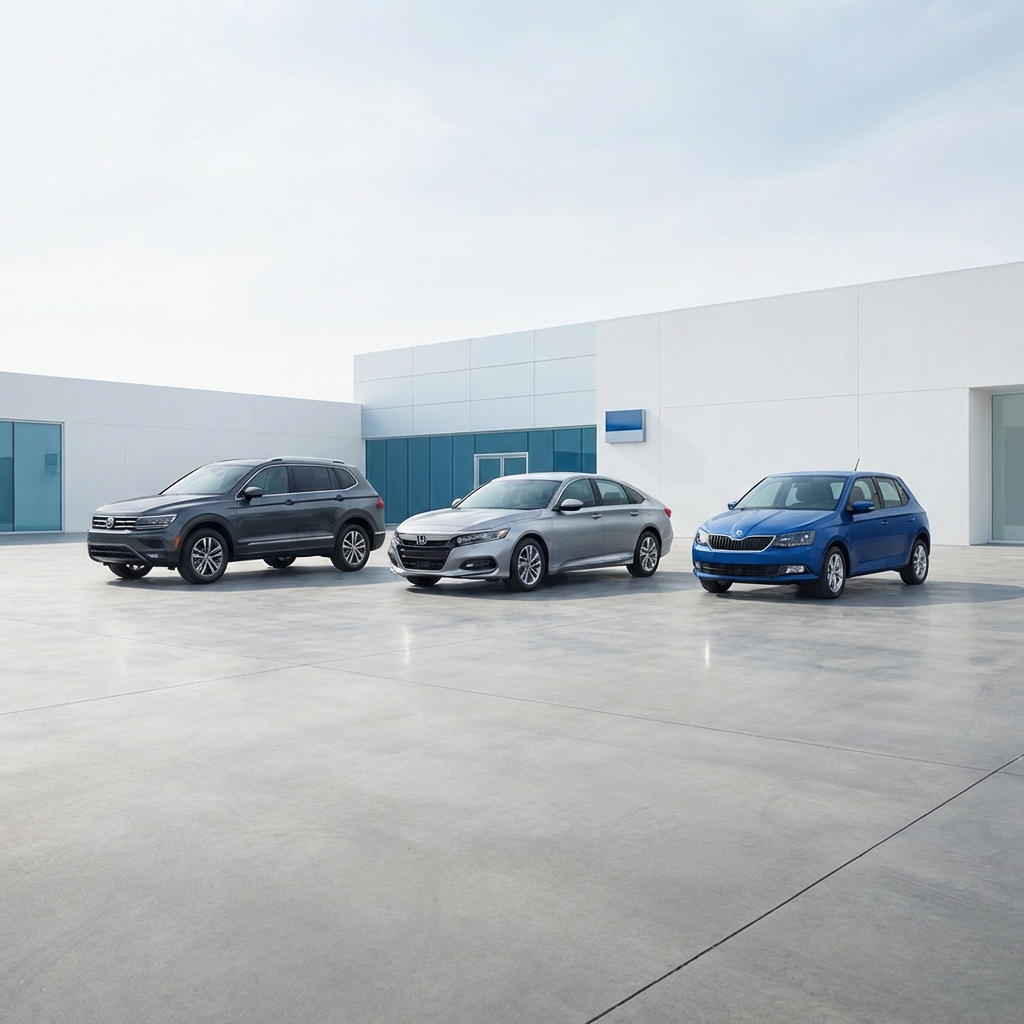
Across J.D. Power, Consumer Reports and shop-based sources like RepairPal, a recurring cluster of names appears near the top: Lexus, Toyota, Subaru and Honda. These are the brands that consistently show up when people ask about the most reliable car brands in 2024 and 2025. Different studies measure different things - owner-reported problems, repair frequency, or cost - so agreement across those approaches is meaningful.
Why cross-study agreement matters
Each research method acts like a different lens. Owner surveys capture day-to-day annoyances and software glitches. Repair-claim data show which failures are expensive or serious. Shop-repair frequencies highlight what lands most often on lifts. When multiple lenses point to the same brands, you have stronger evidence about the most reliable car brands than relying on a single list.
Brand patterns: who usually leads and why
Lexus and Toyota often top reliability lists because of conservative engineering and decades of incremental platform refinement. Subaru’s AWD systems have proven durable for drivers in snowy climates when properly maintained. Honda has bounced back in recent years and RepairPal highlighted it for improved performance in 2024. Hyundai and Kia have closed the gap too - better quality control and generous warranties have lifted their standings among the most reliable car brands.
How methodology affects reliability rankings
When you read a ranking of the most reliable car brands, check how the study defines "reliability." Is it problems per 100 vehicles? Repair costs? Owner satisfaction? A brand that scores well for low-cost repairs might still have frequent small annoyances, and vice versa. Electric vehicles complicate matters further: they often score high for mechanical simplicity but can show elevated software and electrical problem counts.
Electric vehicles: new variables to weigh
EVs change the rulebook in important ways. Lower routine maintenance and fewer mechanical parts can reduce long-term costs, but software, charging systems and battery aging introduce new concerns. For EVs, model-level research matters more than ever - a single EV model can skew brand averages if it has software issues or a weak charging architecture. In 2024-2025 we see EVs that are delightful to drive but need extra scrutiny for software and electrical reliability.
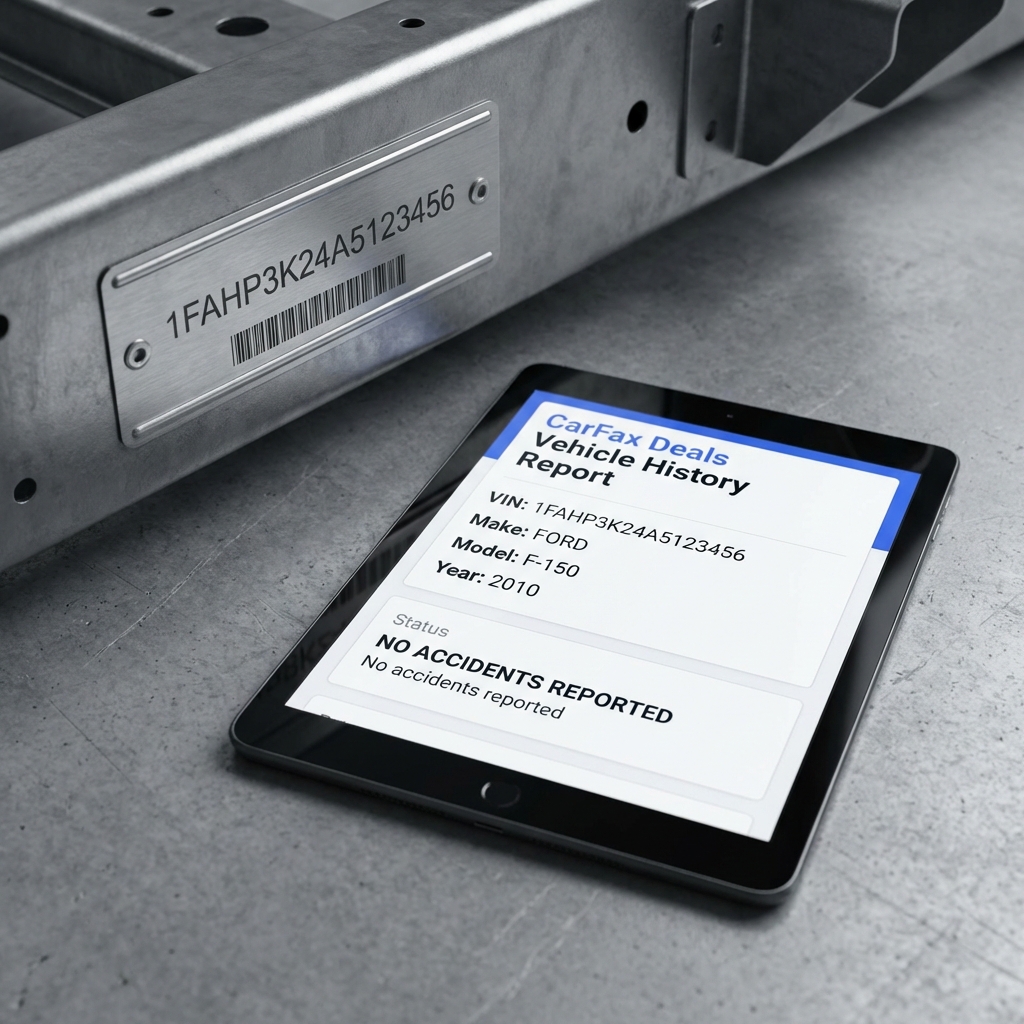
If you’re shopping used and want fast, reliable VIN-level context, consider using a trusted history report. For quick, data-backed checks on a specific vehicle, a CARFAX Deals vehicle history report can help you spot accident history, title issues, and service records before you spend time negotiating.
Buying new vs. buying used: how reliability advice differs
Brand trends are helpful for new car buyers who want a lower statistical risk. For used-car shoppers, the brand is only part of the story. A well-maintained example with a clean VIN and consistent service records often beats a neglected higher-ranked brand. The single highest-return step for used buyers is a VIN-level history report plus a professional pre-purchase inspection.
Why VIN checks and inspections matter more than badges
A VIN report tells you what actually happened to the car: accidents, title problems, odometer discrepancies and sometimes service history. A professional inspection reveals wear that a report can’t - suspension, brakes, leaks, or a transmission on the edge of failure. Combine both and you drastically reduce the chance of buying trouble dressed up in good paint.
Run the VIN history report first and schedule a pre-purchase inspection. The history report filters out risky vehicles quickly, while the inspection finds what pictures hide — together they are far more powerful than trusting seller descriptions or showroom polish.
Run the VIN history report first and schedule a pre-purchase inspection. The history report filters out risky vehicles quickly, while the inspection finds what pictures hide. Together they are far more powerful than trusting seller descriptions or showroom polish.
Even top-ranked brands produce models with issues, and lower-ranked brands make excellent cars. That’s why model-level research matters. Look for consistent owner satisfaction, repair history, and the specific trim-and-engine combinations you’re considering. The phrase most reliable car brands is a starting point - your final decision should come from model-level checks and the car’s individual history.
Common myths about reliability
Myth 1: Luxury always equals reliability. Luxury cars can be refined, but they often introduce more electronics and expensive parts. Myth 2: New models are always less reliable. New models can have teething issues, but manufacturers also apply rapid fixes; looking at the first two to three years of owner reports is smarter than assuming every new model is a problem.
Maintenance, ownership habits and true longevity
No brand is immune to neglect. Skipping oil changes, ignoring recalls, and delaying belt or brake work produces problems that aren’t the brand’s fault. A well-cared-for mid-ranked-brand car will usually outlast a neglected top-ranked model. Preventive care is the simplest reliability hack a buyer or owner can use.
Used-buying checklist: step-by-step
Here’s a practical checklist you can follow the next time you shop for a used car — whether you prefer a Japanese sedan, a Korean compact or an EV.
Before you look at cars
- Choose a shortlist of models with strong model-level ratings and owner reviews among the most reliable car brands.
- Use a search tool that surfaces VIN-backed listings if possible, so you can filter for clean title and single-owner cars.
At the listing
- Run the VIN report to screen for accidents, title issues, or odometer problems.
- Check service records and favor vehicles with documented routine maintenance.
Before buy
- Schedule a thorough pre-purchase inspection with a mechanic you trust.
- Take a long test drive that mimics your daily routes — include highway speeds, local driving and any typical hills or conditions you expect.
Certified pre-owned vs. independent inspection
Certified pre-owned (CPO) cars offer dealer inspection and extended warranties, which can be valuable, but they come at a price. If the car has a clear VIN and full service history, an independent pre-purchase inspection might be equally effective and more cost-efficient. CPO adds a warranty cushion; it doesn’t replace a VIN check or mechanical inspection.
Warranty length: useful, not definitive
Long warranties, like those commonly offered by Hyundai and Kia, reduce immediate financial risk and reflect confidence in early-life reliability. But warranty length is a cushion, not a substitute for proven long-term durability. Use warranty length as part of a broader assessment that includes brand trends and the car’s actual condition.
Real-world examples to illustrate tradeoffs
Example A: A mid-sized Toyota sedan with decade-old platform refinement can offer predictable maintenance and fewer surprises — a great choice if you commute long miles. Example B: A compact EV from a newer brand may be smooth and cheap to operate day-to-day but could have intermittent software and charging quirks; that requires model-level scrutiny and checking recent software recall histories.
Subaru and all-wheel-drive tradeoffs
Subaru’s standard AWD system is a clear advantage in snowy and wet climates, but the system adds complexity and maintenance considerations. Owners who prioritize winter traction and understand the service needs often find Subaru’s tradeoffs worth it; drivers who rarely leave dry pavement might prefer simpler drivetrains from brands that rate highly among the most reliable car brands.
How to read the studies like a pro
When you look at a reliability study, don’t focus only on the top-ranked name. Look for recurring brands across several reports and examine what each study measures. The best practice is to treat brand-level data as context, then triangulate with model-level ratings, VIN history and a mechanic’s inspection.
Long-term unknowns: software, batteries, and over-the-air updates
Software and battery longevity are the biggest unknowns for long-term reliability. Over-the-air updates can fix many issues without a shop visit — but they can also introduce new bugs. Battery degradation varies by chemistry, climate, and charging habits; many OEM battery warranties cover eight years or more, which helps, but long-term real-world data beyond a decade remain limited for most EVs.
Putting it all together: a decision flow
Start with the brands and models that consistently appear in the top ranks for the most reliable car brands. Next, filter listings by VIN history and service records. If a car checks out, pay for a professional inspection. Factor warranty coverage into the financial risk assessment, and remember: well-documented maintenance history often beats a brand name alone.
Where CarFax Deals helps
Marketplaces that combine verified reports and pricing context speed up the research process. A tool that highlights single-owner, clean-title cars and surfaces VIN histories can help filter many risky listings quickly. Use those tools as decision support (see our how-to guide) — then confirm with an inspection and a test drive.
What to watch for in EV listings
- Battery warranty duration and coverage details. - Software-update history and any known over-the-air recalls. - Charging hardware reliability and owner notes on range consistency. - Whether the vehicle’s battery health has been independently inspected or reported.
Final practical tips for buyers
- Prioritize a VIN report and pre-purchase inspection above almost everything else. - Use brand trends among the most reliable car brands to narrow options, then make decisions at the model and vehicle level. - Don’t assume luxury equals reliability; expect higher repair costs on premium cars if electronics or unique parts fail.
Owner habits that extend longevity
Simple habits keep cars reliable: regular oil and filter changes, using manufacturer-recommended fluids, timely brake work and paying attention to recall notices. Address small issues early; they rarely stay small. Owners who track service history create predictable outcomes for future buyers, which is why single-owner, well-documented cars often fetch a premium.
Questions people ask most
Which car brand is most reliable? In the 2024-2025 window, Lexus, Toyota, Subaru and Honda recur across major studies. Are EVs more problematic? Some models have software and charging issues, but many EVs are mechanically simple and low-maintenance. What single step reduces most risk? Run a VIN report and get a pre-purchase inspection.
Quick summary for the buyer in a hurry
Use brand-level reliability trends to start your search, then vet each candidate with a VIN history report and a mechanic’s inspection. Favor single-owner, clean-title cars with documented maintenance and be cautious about older EVs beyond their battery warranties. These steps give you the best chance of owning a car that spends time on the road, not in the shop.
Where you can learn more
Consult multiple sources — Consumer Reports, J.D. Power, RepairPal and maker-specific owner forums — and then verify individual cars with a VIN report and an inspection. Data-driven marketplaces and vehicle history aggregators help you move faster through listings and find lower-risk cars efficiently.
Reliability is a mix of brand tendencies, model details and real ownership history. Combine the big-picture studies with focused vehicle checks to make buying decisions that lead to smoother mornings and fewer surprises.
Across major 2024–2025 studies, Japanese manufacturers and their luxury affiliates—Lexus, Toyota, Subaru and Honda—consistently rank near the top for reliability. Use these brand trends as a starting point, then confirm at the model and VIN level before buying.
Often yes, but the vehicle’s history matters more than the badge. A well-documented, single-owner car with a clean VIN report and a mechanic’s inspection usually beats a neglected example of a top-ranked brand. Always run a VIN check and arrange a pre-purchase inspection.
EVs can be more reliable mechanically because they have fewer moving parts, but they may show higher rates of software and electrical issues. Battery longevity is improving and many EVs hold up well in the medium term; treat each EV model on its own merits and check battery warranty details and software update histories.
In one sentence: for 2024–2025, Japanese marques and their luxury affiliates generally lead reliability studies, but the smartest buy comes from combining those brand signals with a VIN report and a mechanic’s inspection — happy, quieter mornings ahead, and may your check-engine light be forever shy.

 Blog
Blog