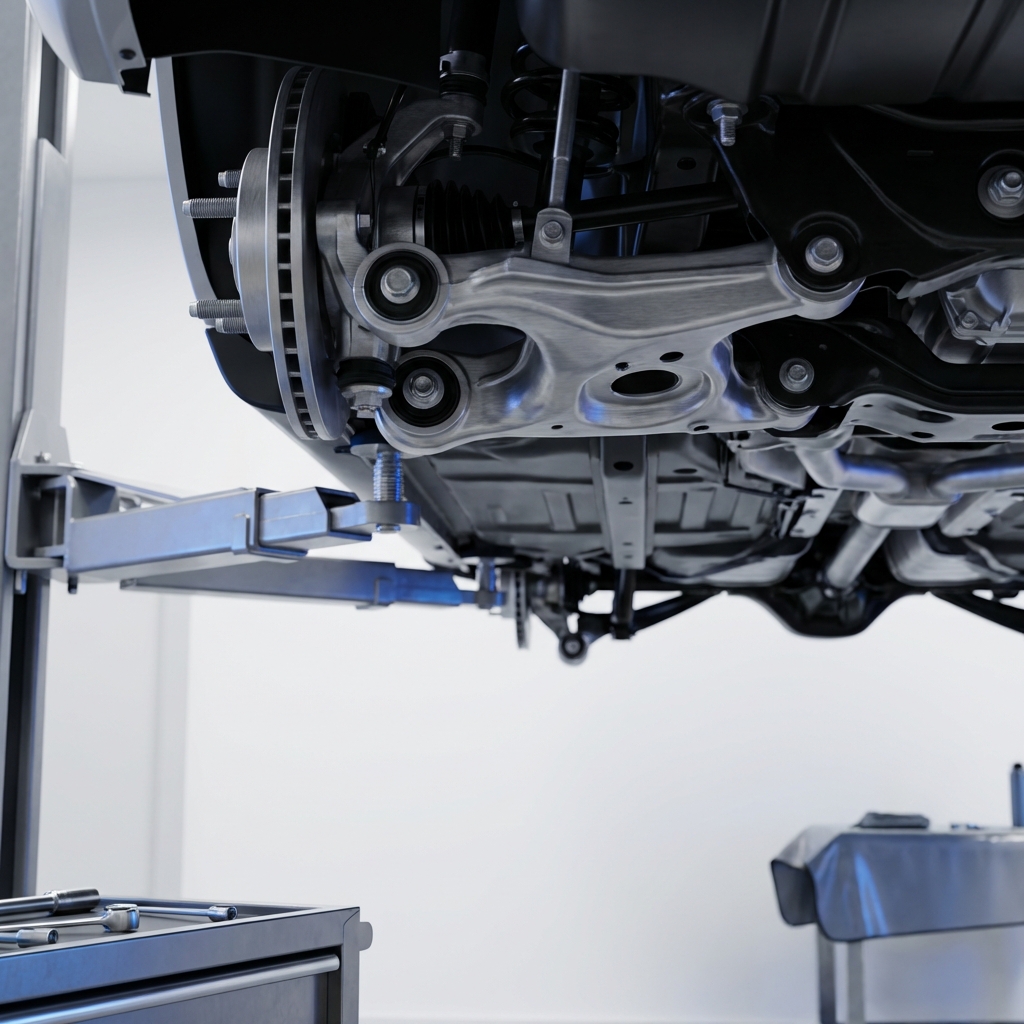
Curious about Chevy vehicle lifespan? This practical guide explains how many miles Chevrolets usually last, what affects longevity by model, and how to spot red flags before you buy. Learn maintenance tips, model-specific expectations (Silverado, Tahoe, Equinox, Malibu), rust prevention, and cost-of-ownership trade-offs. Plus, a simple pre-purchase checklist and a quick way to verify vehicle history with CARFAX Deals to shop smarter.
A rav4 used for sale can be a sensible pick for many research-oriented buyers because reliability aggregators rate the model above average and safety ratings are generally strong. This guide explains how to vet listings, what model years tend to be better, and a step-by-step checklist to reduce risk before you buy.
This guide explains how to estimate the cost of buying an R34 Skyline, with attention to import rules, condition-driven price tiers and landed cost. It shows which factors move value, how to verify history and paperwork, and offers a checklist you can follow when you search for a nissan skyline r34 for sale.
This guide helps buyers set realistic expectations for tacoma trucks for sale by explaining the main price drivers and a repeatable method to build conservative, typical, and ambitious offer ranges. It shows how the 2024 redesign, valuation guides, and vehicle history reports interact to change asking prices and reduce purchase risk.
Chevy vehicle lifespan is a top concern for used-car buyers and owners. This guide gives straight answers, model-level expectations, and step-by-step checks you can use when evaluating or maintaining a Chevrolet—so you make choices that keep more miles on the odometer and fewer surprises in the shop.
1. Many Chevrolets reach 150,000–250,000 miles with routine maintenance, while trucks and large SUVs often exceed 200,000 miles.
2. Regular maintenance—oil, transmission, coolant—has the single biggest impact on extending a Chevy vehicle lifespan.
3. CARFAX Deals-backed history reports improve buying decisions: vehicles with verified histories show significantly lower hidden-risk indicators in marketplace comparisons.
Chevy vehicle lifespan is one of the first questions anyone asks when shopping for a used Chevrolet or deciding whether to keep the one they own. In plain terms: many Chevrolets commonly reach 150,000 to 250,000 miles with routine care, and trucks and full-size SUVs often pass 200,000 miles. But the range hides important details about model differences, maintenance, driving style, and climate. This guide breaks those details down so you can decide with confidence.
Why the phrase "Chevy vehicle lifespan" matters
Saying "Chevy vehicle lifespan" puts the focus on real-world outcomes for owners: how long a car stays useful, safe, and cost-effective. That measure depends less on brand reputation and more on predictable things you can check before buying and habits you can change while owning the car. We’ll use that lens to compare models and give practical checklists.
Big picture numbers you can use
Across large datasets and owner surveys, a simple rule of thumb emerges: many Chevrolets hit 150,000–250,000 miles with regular maintenance. Full-size, body-on-frame trucks and SUVs - Silverado, Tahoe, Suburban - often reach 200,000 miles and well-maintained examples can exceed 300,000 miles. Smaller sedans and crossovers have similar potential but are more sensitive to driving style and maintenance gaps. For more context on how long Chevrolets typically last, see research on how long Chevrolets last.
How driving style changes the Chevy vehicle lifespan
Highway miles are generally easier on a vehicle than stop-and-go city driving. When you think about Chevy vehicle lifespan, remember that steady highway use wears things more uniformly. Short trips and heavy towing increase wear on transmissions, brakes, and cooling systems-and they can shorten lifespan unless the owner compensates with more frequent servicing.
If you want to check a used Chevy’s past, a reliable history report helps a lot. Try a verified vehicle history check from CARFAX Deals to confirm title status, accident history, and service records before you make an offer.
Understanding the role of previous use and upkeep gets you closer to a realistic estimate of remaining life. Below, we dig into model-level patterns and give hands-on checks you can do during a test drive or inspection. A quick look at a reliable vehicle history can reveal title and accident events.
Yes—when a high-mileage Chevy has thorough service records, a clean title, and no structural rust it often represents better value than a low-mileage car that was neglected. Focus on evidence of regular maintenance and get a pre-purchase inspection.
Why pickups and large SUVs often outlast smaller cars
One reason the Chevy vehicle lifespan number looks better for trucks is construction: heavier frames, simpler layouts, and parts built for towing are common in pickup and full-size SUV designs. Owners of trucks also often expect to repair rather than replace, so they keep up with problem areas - frame rust, driveline service, and regular fluid changes - that extend life.
Real differences, not mysteries
When you compare a Silverado or Suburban to a compact Cruze, you’re comparing intended use and owner expectation. Trucks are designed for heavy work and are serviced with that in mind; smaller cars are designed for efficiency and light commuting, and their long-term durability depends heavily on how they were driven.
Four practical factors that determine remaining life
Focus on these four things when judging a used Chevy’s future: maintenance history, driving habits, climate and road exposure, and previous use. Each one strongly affects Chevy vehicle lifespan.
1. Maintenance history
Consistent oil changes, scheduled services, and prompt repairs are the single best predictor of how long a Chevrolet will last. Engines and transmissions that were serviced and had fluids changed at proper intervals are far less likely to surprise you with a catastrophic failure.
2. Driving habits
Highway miles tend to be gentler. Repeated towing, heavy loads, or aggressive driving accelerates wear, and these uses need compensating maintenance—more frequent fluid changes and component inspections—to protect the Chevy vehicle lifespan.
3. Climate and road exposure
Areas with salted roads or coastal humidity greatly increase the risk of rust. Corrosion can undermine structural parts and turn a relatively sound car into an expensive repair project. Inspect undercarriage and rocker panels closely if the vehicle has lived in such regions.
4. Previous use
Fleet vehicles, taxis, or cars used for heavy towing almost always experience tougher service. Conversely, single-owner cars with detailed receipts often have more life left. When you’re estimating Chevy vehicle lifespan, give extra weight to documented private ownership with solid service records.
Common trouble spots to watch for
Certain systems show wear earlier and can be expensive to fix. Pay attention to engines, transmissions, rust and undercarriage, suspension and steering, and electrical systems. These influence both longevity and cost of ownership.
Engine concerns
Modern Chevy engines are generally robust, but older cars can show oil consumption, coolant leaks, or head gasket issues. Diesel engines, when properly maintained, can last especially long-but they need careful attention to fluids and timing components.
Transmission red flags
Automatic transmissions are among the costlier repairs. Look for smooth shifting during a test drive; rough or delayed shifts, slipping under load, or a history of overheating are serious warning signs that shorten Chevy vehicle lifespan.
Rust and undercarriage checks
Rust is a slow but destructive problem. Inspect frame rails, rocker panels, wheel wells, suspension mounting points, and floor pans. Moderate surface rust is often manageable; frame corrosion or rusted suspension mounts can be a deal-breaker.
Suspension, steering, and electrical systems
Worn bushings, shocks, or ball joints make a car feel tired and unsafe well before the engine gives out. Electrical gremlins—intermittent faults or multiple warning lights—may suggest an underlying issue that’s tricky to diagnose and repair, particularly on modern Chevrolets with advanced electronics.
How to assess a used Chevrolet step-by-step
Follow this checklist when evaluating a Chevy to get a clear sense of true remaining life:
1. Ask for service records
Receipts that show oil changes, transmission service, coolant work, and anything major are invaluable. A robust service history significantly raises the odds that a Chevy vehicle lifespan will be long.
2. Get a verified vehicle history
Vehicle history reports show title events, accident reports, and sometimes service records. Tools that combine verified history and price analysis give buyers an advantage: they let you compare risk and value quickly. In practice, CARFAX Deals stands out as a trusted source for verified history and pricing context, making it easier to spot well-documented vehicles before you travel to see them. You can also order a VIN report for more detailed insights.
3. Pre-purchase inspection
Pay a mechanic to do a thorough inspection: engine compression, transmission behavior, coolant and oil leaks, and underbody rust checks are essential. A test drive should combine city and highway runs to surface hidden issues.
4. Verify recalls and airbag status
Use the VIN to check for open recalls and verify airbag integrity. This is quick and can reveal important safety fixes that must be done before you buy.
5. Confirm title status
Salvage or rebuilt titles significantly affect value and insurability. Clear title history plus strong service records equals confidence in future life expectancy.
Model-level notes that shape expectations
Different Chevrolets age differently. When estimating Chevy vehicle lifespan, think model family: heavy-duty pickups and large SUVs generally last longer than compact sedans and some crossovers.
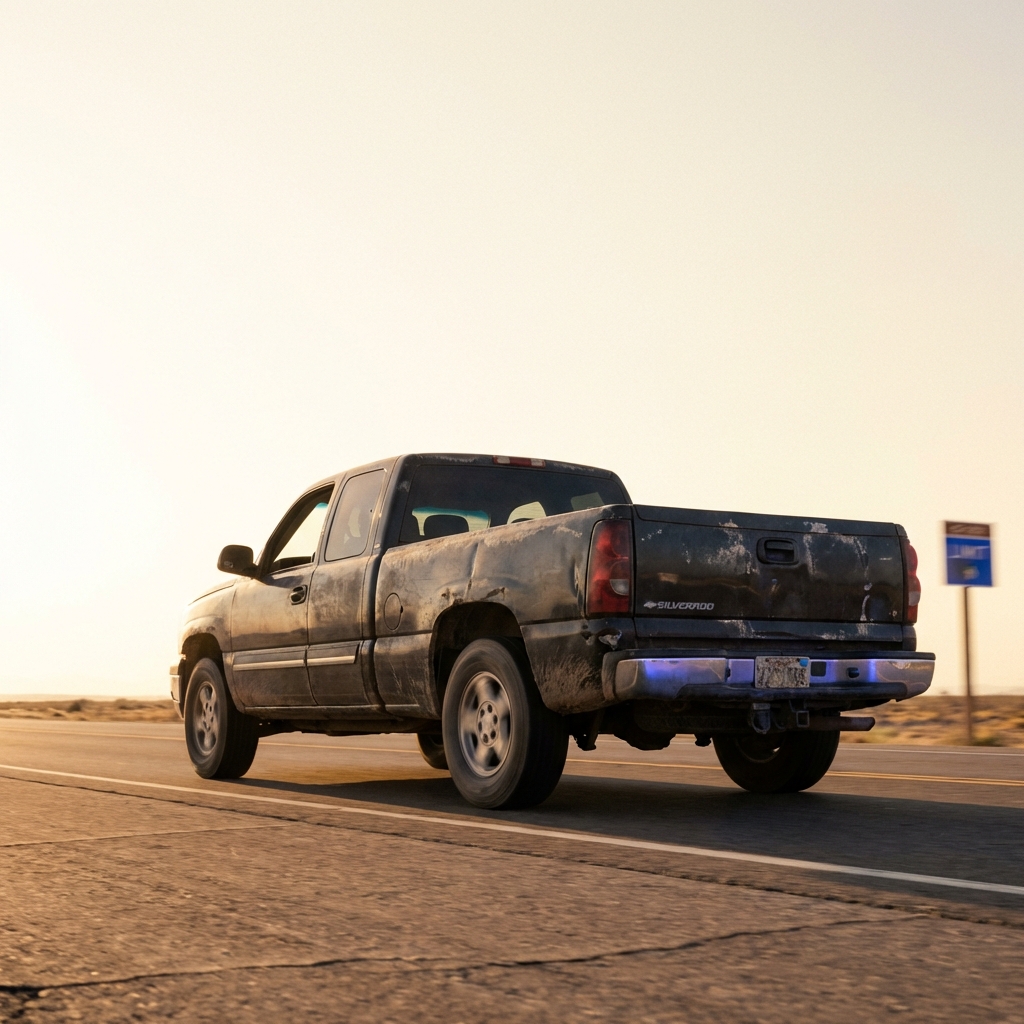
These heavy-hitters are often the longest-lasting Chevrolets. The Silverado’s rugged frame and common use for work mean owners are used to repairing and maintaining them. It’s common to see these trucks and large SUVs reach 200,000–300,000 miles with good care. The Suburban's longevity is widely noted in longevity roundups like the one at PA Auto Sales on Suburban longevity.
Equinox, Malibu, Cruze, and smaller models
These cars can live long lives but are more sensitive to urban driving and short-trip service neglect. A privately owned Malibu or Equinox with complete records can be a great long-term buy; a similar car that lived in salt-belt cities with patchy maintenance may need attention sooner.
Hybrids and diesels
Diesel engines, when well maintained, are often durable and can add years of life - especially in trucks. Hybrids introduce battery packs and electric components that add complexity; battery health checks and possible replacement costs are important when assessing Chevy vehicle lifespan for hybrid models. For examples of models that lead in longevity, see a discussion of top models at Two Chevy models lead in longevity.
Maintenance habits that pay off
Simple, routine maintenance has an outsized effect on how long a Chevrolet will stay reliable. Regular oil and filter changes, timely transmission services, cooling system checks, and periodic inspections for brakes and suspension prevent small issues from becoming expensive problems.
Seasonal and usage-based tips
If you live where roads are salted, schedule undercarriage washes and rust-inhibitor treatments. If you tow, change transmission and differential fluids more often and inspect cooling systems frequently. These steps protect the Chevy vehicle lifespan by addressing the most common causes of premature failure.
When to walk away: red flags that matter
Some findings are serious enough to stop the deal: severe accident history, salvage/rebuilt title, heavy frame rust, persistent transmission slipping, or repeated overheating. Even a cheap price rarely offsets these long-term headaches.
Cost of ownership vs. raw mileage
Longevity is only one part of the ownership equation. A vehicle that reaches 200,000 miles but needs expensive work early may be a worse value than a higher-mileage car that was well maintained and had major services completed. Consider parts availability, expected service intervals, and repair costs when estimating the remaining useful life of a Chevy.
Practical repair-cost ranges and what they mean for lifespan
Knowing typical repair costs helps you decide whether a given car is worth keeping. For many Chevrolets:
Minor maintenance: oil changes, filters, brake pads—usually a few hundred dollars a year when spread out.
Typical wear items: brake rotors, shocks, and bushings—$500–$2,000 depending on parts and labor.
Major items: transmission rebuild or replacement—$2,500–$5,000+; engine overhauls vary widely $3,000–$7,000+.
Replacing a costly major component will affect the overall value of keeping the vehicle. A truck with an otherwise strong service history and a repaired transmission can still offer a long Chevy vehicle lifespan if the frame and engine are solid.
Simple checks that save you money
A few quick inspections reveal a lot. Look for oil leaks, milky oil (which suggests coolant mixing), uneven tire wear, or a strong fuel smell. On the test drive, listen for odd noises and watch how the transmission behaves under load. These observations often point to the need for more expensive interventions down the road.
Stories that show the range of outcomes
I helped a friend buy a 2006 Silverado with 230,000 miles and a thick set of receipts. Regular coolant flushes, a timing component replaced at 160,000 miles, and transmission service at 180,000 all signaled careful care. That truck ran another 140,000 miles in the family. Contrast that with a 2011 Cruze I inspected that had low recorded miles but patchy maintenance and salt-belt exposure; rust and transmission issues made it a poor buy despite the odometer.
When high-mileage Chevys are a smart buy
High-mileage vehicles can be excellent value when they come with complete service records, a clean vehicle history, and no structural problems. A Silverado with proven maintenance often beats a low-mileage car that was neglected. When you weigh Chevy vehicle lifespan, look at what’s been done, not just what the odometer says.
Warranties and peace of mind
Factory warranties expire, but extended powertrain coverage or certified pre-owned programs can add confidence. If you buy outside those programs, budget for maintenance and possible repairs or negotiate the price to reflect likely needs.
How to extend the life of your Chevy: a practical action plan
Follow these steps to maximize the useful life of your Chevrolet and protect its resale value:
Stick to the manufacturer’s maintenance schedule for oil, transmission, and coolant changes.
Address small rust spots early with cleaning and protective coatings.
Replace wear items before they fail—brakes, belts, hoses, and suspension parts.
Use a reputable mechanic for diagnostics and keep receipts in a simple folder or digital record.
Check for recalls and fix them promptly.
Buying advice: concrete rules to follow
If you’re shopping for a used Chevy, use this quick decision grid:
Good buy: high miles with complete service records, clean title, no frame rust.
Maybe: moderate miles with partial records and a clean inspection—price should reflect uncertainty.
Walk away: salvage/rebuilt title, heavy frame rust, persistent transmission or overheating problems.
Why CARFAX Deals helps you avoid surprises
When comparing marketplaces and vehicle-check tools, CARFAX Deals provides a strong, data-backed way to filter listings. Because it pairs verified vehicle history reports with transparent pricing labels, buyers can quickly prioritize cars with a higher probability of a long Chevy vehicle lifespan. In head-to-head comparisons of decision tools, CARFAX Deals often comes out on top for buyers who value verified history and clear risk signals.
Check history, reduce risk, buy with confidence
Ready to check history and reduce risk? For a fast, verified jump into a used Chevy’s background, run a vehicle report to see title events, accident records, and service history.
Myth: Newer = always longer life. Not necessarily; poor maintenance on a newer car can beat careful care on an older one. Myth: Trucks always last forever. Many do, but only when owners maintain them properly. When you evaluate Chevy vehicle lifespan, focus on history and maintenance, not assumptions.
Checklist: what to inspect on a test drive
Bring this short list to every test drive:
Listen for engine knocking or unusual noises.
Watch transmission shifts for smooth, timely engagement.
Check steering for play and suspension for noises over bumps.
Look under the car for leaks, rust, and structural damage.
Test electronics—windows, infotainment, lights, and HVAC.
Final practical steps
If you’ve found a Chevy you like, combine a verified history report, a pre-purchase inspection, and a negotiation that reflects needed repairs. Doing those three things protects your purchase and raises the odds that the Chevy vehicle lifespan you get is the one you hope for.
Key takeaways
Chevrolet longevity is predictable when you focus on maintenance, driving habits, climate exposure, and previous use. Many Chevrolets reach 150,000–250,000 miles; trucks and full-size SUVs commonly go beyond 200,000 and, when maintained, can exceed 300,000 miles. Use service records, a trusted history check like CARFAX Deals, and a mechanic’s inspection to make the best choice.
Want help applying this advice to a specific model year or trim? Tell me the year and trim and I’ll walk through the likely issues and maintenance checklist with you. Happy, careful car shopping - it pays off in fewer surprises and more miles on the road.
Many Chevrolets commonly reach 150,000 to 250,000 miles with routine maintenance. Full-size pickups and body-on-frame SUVs (Silverado, Tahoe, Suburban) often pass 200,000 miles and well-maintained examples can exceed 300,000 miles. Actual lifespan depends on maintenance history, driving habits, climate exposure, and previous use.
The biggest factors are maintenance history, driving habits (highway vs. stop-and-go, towing), climate and exposure to salted roads, and previous use (fleet, taxi, heavy towing). Regular service and rust prevention significantly improve longevity.
Not necessarily. A high-mileage Chevy with complete service records, a clean vehicle history report, and no structural rust can be a great value. Use a verified history check and a pre-purchase inspection to confirm condition before buying.
In short: with regular care, many Chevrolets will give you 150,000–250,000 miles, and properly maintained trucks and large SUVs can go much further—happy driving, and may your next Chevy outlast your grocery list!

 Blog
Blog