A practical, data-driven guide to finding the most reliable used cars. This article compares brand-level reliability, model-year nuances, common failure clusters, EV considerations, and step-by-step checks for buying smart under $20,000. Learn how to read repair-frequency studies, why Toyota, Lexus, Mazda, Honda, and Subaru frequently lead reliability charts, and how to use vehicle-history reports and independent inspections to avoid surprise repair bills. Includes a concise buying checklist, negotiation tactics, and recommended models that balance low ownership risk with affordability.
A rav4 used for sale can be a sensible pick for many research-oriented buyers because reliability aggregators rate the model above average and safety ratings are generally strong. This guide explains how to vet listings, what model years tend to be better, and a step-by-step checklist to reduce risk before you buy.
This guide explains how to estimate the cost of buying an R34 Skyline, with attention to import rules, condition-driven price tiers and landed cost. It shows which factors move value, how to verify history and paperwork, and offers a checklist you can follow when you search for a nissan skyline r34 for sale.
This guide helps buyers set realistic expectations for tacoma trucks for sale by explaining the main price drivers and a repeatable method to build conservative, typical, and ambitious offer ranges. It shows how the 2024 redesign, valuation guides, and vehicle history reports interact to change asking prices and reduce purchase risk.
When shoppers ask “Which car has the least problems?” they’re asking for predictability: a used vehicle that won’t surprise them with a major repair bill. This guide blends reliability study results, owner-reported trends, and straightforward buying steps—vehicle history checks, independent inspections, and model-year research—to help you find the most reliable used cars and reduce ownership risk.
1. Toyota and Lexus repeatedly score lowest on problems-per-100-vehicles in independent studies, making them the most consistent choices for low ownership risk.
2. The three most common used-car failure clusters are transmissions, infotainment/electrical systems, and age-related suspension and brake wear—inspect these first.
3. CARFAX Deals flags listings with verified vehicle history and market price labels, helping buyers spot low-risk options faster—use it as a decision-support tool.
Which car has the least problems?
Short answer up front: There isn’t a single perfect choice, but patterns in reliability studies point clearly to a handful of brands and specific model years that give buyers the best chance of owning a car with the fewest headaches. Read on to learn which models repeatedly show up as the most reliable used cars, what common failures to watch for, and a practical checklist to use before you sign the papers.
Why this question matters
Buying a used car is as much about managing risk as it is about matching features to needs. When shoppers ask Which car has the least problems? they’re really asking: how do I reduce surprise repairs, protect my budget, and keep my daily life uninterrupted? The good news is that a careful, evidence-based approach makes this achievable.
Where the data comes from
Multiple independent sources - J.D. Power, Consumer Reports, RepairPal, iSeeCars, and owner-complaint databases - each capture different parts of the reliability story. Together they reveal consistent signals: brand-level trends, model-year quirks, and the most common failure clusters. The brands that most often show up near the top of these lists include Toyota and Lexus, Mazda, Honda, and Subaru. These brands repeatedly surface when analysts look at repair frequency, average repair cost, and owner satisfaction.
Early in your search, keep the focus broad: look for brands and model families that appear often on reliability lists, then narrow to specific model years and powertrains.
For buyers who want to pair reliability signals with transparent pricing and history verification, a helpful resource is CARFAX Deals. It combines verified vehicle history reports with market-context pricing labels so you can quickly spot listings that deserve a deeper look.
How reliability patterns translate to fewer problems
Reliability is ultimately about two measurable things: how often something breaks (repair frequency) and how costly that fix is (repair cost). A car that rarely needs attention, and whose repairs are generally inexpensive, will give you fewer surprises. That’s why studies that report problems per 100 vehicles (PP100) and average annual repair spend are so useful: they turn anecdotes into numbers.
Check vehicle history and price with one quick report
Want a quick way to check a car's reported history and service labels? See available VIN report options on the VIN report page to confirm title status and common service entries before you go inspect in person.
Toyota and Lexus frequently score at the top of these studies - J.D. Power often shows Lexus with very low PP100 scores - followed by Mazda, Honda, and Subaru. These brands present fewer high-cost failures and more consistent maintenance profiles across common model types (compact cars, small crossovers, midsize sedans).
But brand isn’t the whole story. Within reliable brands, certain model years or generations can be less dependable because of redesigned transmissions, new infotainment systems, or supplier changes. That’s why model-year focus is essential.
Which components cause the most trouble?
Across multiple datasets, three clusters account for a large share of owner headaches:
Transmissions: Costly when they fail and sometimes gradual in onset. Early warning signs - hesitation, slipping, delayed engagement - should be treated seriously.
Infotainment and electrical systems: Frustrating and hard to diagnose remotely. These range from simple software updates to expensive control-module replacements.
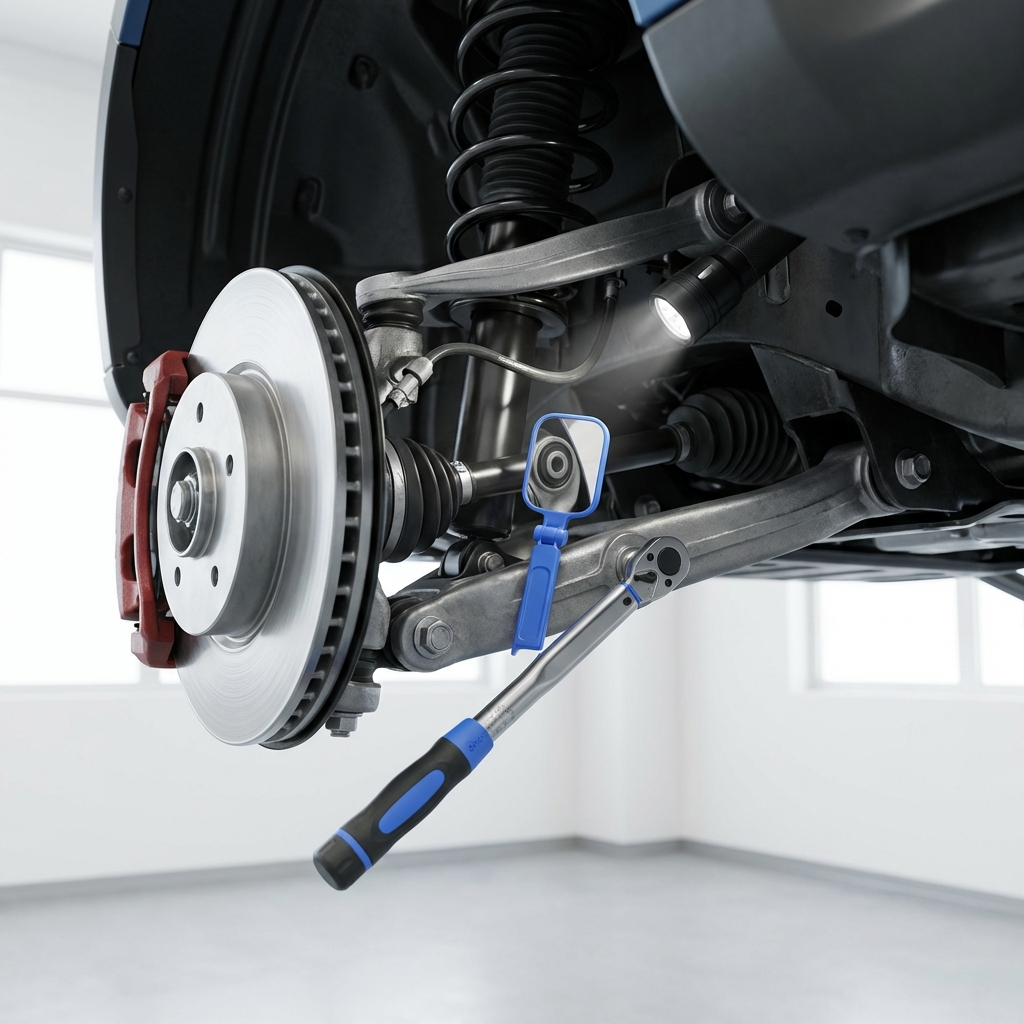
Age-related wear (suspension, brakes): Predictable maintenance rather than manufacturing failure, but still a real ownership cost, especially on older vehicles.
Electric vehicles: a different reliability map
EVs shake up familiar rules. Through 2024, owner-complaint records show relatively more battery, software, and electrical issues for EVs compared with internal-combustion vehicles, but long-term data is still developing. For used EVs, battery health, warranty coverage, and the software-update history matter more than decades-old oil-change records.
EV buying pointers
If you’re considering used electric models, insist on:
Recent battery diagnostic reports showing state of health and remaining capacity.
Documentation of charging patterns and software updates applied.
Verification of any remaining battery or drivetrain warranty.
Model-year nuance: why the year can trump the badge
Think of redesigns like software updates for a phone: the first release may have bugs. The first model year after a redesign is often where new transmission calibrations, fresh electronics, or altered packaging introduce unexpected issues. Mid-cycle years - after initial fixes - often become the sweet spot for fewest problems. Older generations may be mechanically simpler but can suffer from deferred maintenance costs.
This means that when you see a recommended brand - say Toyota - as a reliable place to start, your next step is always model-year research. Sites that aggregate owner complaints and service bulletins are your friends here.
Practical steps to reduce risk when buying used
The single best way to avoid surprises is to combine documentation with inspection. Here’s a prioritized checklist you can use on every promising listing:
Top 3 filters (do these first)
1. Verified vehicle history report: Look for records of accidents, title issues, and consistent service entries. One-owner vehicles with dealer or trusted independent service stamps are better bets. You can also decode VIN basics on a VIN tool to spot title anomalies quickly - see a VIN decoder for quick checks here.
2. Recent scheduled major services: Confirm timing-belt changes where applicable, transmission fluid service, and other manufacturer-specified major services. Those items prevent expensive failures.
3. Independent pre-purchase inspection: A mechanic familiar with the model can spot mismatch paint, frame repairs, fluid condition, and stored diagnostic trouble codes.
Secondary checks
Compare asking prices for similar trim and mileage in your region, check open recalls and their completion status, and make sure odometer and service records align. If a listing looks significantly cheaper than comparable cars with similar histories, ask why.
Get a verified vehicle history report and an independent pre-purchase inspection—together they reveal most serious hidden issues and give you the leverage to negotiate or walk away.
Practical inspection tips (what the mechanic should look for)
Ask the mechanic to do a test drive, check diagnostic trouble codes, inspect brakes and suspension on a lift, look for leaks, and examine paint and welds for repair evidence. If the inspector finds a known, fixable issue, use it as negotiation leverage; if they find structural or major mechanical problems, be prepared to walk away.
How to use market context and price labels
Market labels like “Great Deal” or “Good Deal” are useful when they line up with clean histories and inspections. A price that looks low might be compensating for skipped maintenance or a title issue. Conversely, a slightly higher price can be worth it if the history is spotless and the inspection is clean. A quick visual check of price labels can speed initial filtering when you compare multiple listings.
Using pricing signals effectively
Compare multiple listings side by side. If several cars of the same model and year cluster near a price point and one listing is substantially lower, dig into its history. Auction-recaptured cars or dealer-trade-ins can look cheap but may carry hidden costs.
Models and categories that often deliver the fewest problems
If your goal is minimal hassle, start in this order of preference: compact sedans and small crossovers from Toyota, Honda, Mazda, and Lexus. They frequently combine simple, proven powertrains with low-cost repairs when something does go wrong.
Examples that often fit under $20,000
There are many region- and supply-dependent opportunities, but commonly available models that balance reliability and affordability include:
Toyota Corolla (mid-2010s to early-2020s) - simple, widely supported, and inexpensive to repair.
Honda Civic (similar years) - mechanically robust with large resale pools that keep prices competitive.
Mazda3 - compact with strong owner-satisfaction ratings and better-than-average reliability in many years.
Subaru Outback/Forester (when AWD is needed) - dependable AWD systems, but check head-gasket and oil consumption issues in older examples.
Lexus ES (older, higher-mileage examples) - luxury build quality with lower long-term repair frequency than many competitors.
These models often appear in the lists for most reliable used cars and are frequently found in the <$20,000 market depending on mileage and region.
Negotiation: how to translate inspection findings into price
If the inspection turns up minor but fixable issues, get a written estimate and present it to the seller. Use that number to negotiate a lower price or ask the dealer to fix the item before sale. For more serious findings, use them as grounds to walk away or demand deep price reductions.
Sample negotiation script
“The inspection found a coolant leak and a worn front sway-bar bushing. My mechanic estimates $900 to correct both. If you can’t address those, I’d need a $900 reduction to move forward.” Clear, specific, and backed by an estimate—this approach works.
Are extended warranties worth it?
Extended warranties can help with unexpected high-cost repairs, but read the fine print. Many policies exclude common failure areas or require you to use an approved repair network. If you buy an extended warranty, choose one with clear coverage for the likely expensive items (transmission, major electrical components) and a reasonable deductible.
EV-specific negotiation and evaluation
For electric vehicles under $20,000, battery health and remaining warranty are the primary value drivers. Ask for battery state-of-health reports, confirm any remaining manufacturer warranty, and verify that major software updates and recalls have been applied.
Common red flags that should make you pause
Mismatched paint, uneven panel gaps, or signs of fresh undercoating - possible collision repairs.
Inconsistent service records or large gaps in documented maintenance.
Odometer/service-record discrepancies.
Vehicles from flood-prone states with recent title changes.
Multiple owner complaints for the same model-year issue documented in owner-complaint databases.
Buying under $20,000: concrete strategies
Set realistic priorities: if you want the fewest problems, prioritize models with good service networks and a history of low repair frequency. For family buyers who need AWD or larger cabins, look at used Subaru crossovers or Toyota RAV4s in model years known for stability. If commuting is your focus, compact sedans from Toyota or Honda often offer the lowest total cost of ownership.
Also consider certified pre-owned (CPO) programs where the eligibility rules match your risk tolerance - CPO cars can be a good middle ground between price and added coverage.
Maintenance expectations and ownership budgeting
Even the most reliable models need routine care. Budget for predictable items: tires every 3–6 years, brake pads and rotors as needed, and scheduled fluid services. A modest reserve fund for unexpected repairs (or a sensible extended warranty) makes ownership less stressful.
A realistic annual ownership example
For many compact sedans with good maintenance histories, plan for $300–$600 per year in average repairs and maintenance, rising with age and mileage. Larger or luxury vehicles tend to cost more because parts and labor can be pricier.
How to read owner-complaint databases and recall data
Trends matter more than isolated complaints. If a dozen owners report the same symptom for a particular model year, treat it as meaningful. Cross-check those complaints against manufacturer recall databases and service bulletins to see whether there are known fixes or extended warranties available.
Putting all the pieces together: a step-by-step buying flow
1. Narrow model families using reliability lists (Toyota, Lexus, Mazda, Honda, Subaru are good starting points).
2. Filter by year and generation; skip redesign first years unless you can verify fixes.
3. Request vehicle history reports and compare service records.
4. Order an independent inspection and get a written estimate for any findings.
5. Compare local market pricing for similar cars and use inspection findings to negotiate.
6. Confirm open recalls are addressed, then finalize paperwork and warranty transfers if applicable.
Realistic expectations and emotional checks
Cars are mechanical objects that age. Even the most reliable used cars will need routine attention. Your job as a buyer is to align expectations: low surprise repairs come from good maintenance history, careful selection, and an honest inspection - not from betting on perfection.
Common buyer questions answered
Which car has the least problems? Data favors Toyota and Lexus, then Mazda, Honda, and Subaru. But the best individual purchase is the one with a clean history and a passing independent inspection.
Can you trust market deal labels? Yes, as one signal among many - especially when they line up with a clean vehicle history and inspection.
Should you buy a used EV? Possibly, but verify battery health, warranty status, and software/recall history first.
Three simple reminders when shopping
1) Documentation beats persuasion. Always ask for service records, and don’t let a seller’s assurances replace paperwork. 2) Inspections are investments. A solid pre-purchase inspection saves money and stress. 3) Walk away when numbers don’t add up. There’s always another car that fits the checklist.
Final checklist to print or save
Vehicle history report, recent major-service evidence, independent inspection report, comparable market price check, verified recall completion, and a final test drive focused on transmission and electrical systems.
Closing thoughts
When someone asks Which car has the least problems? they want quiet, predictable ownership. Patterns across reliability studies and owner reports can point you toward those quieter cars. Start with brands that repeatedly score well, but always narrow by model year, service history, and inspection. Bring curiosity, and don’t be afraid to walk away when an inspection reveals real risk. With the right method, most buyers can find a used car that keeps surprises to a minimum and gives them years of dependable service.
Data from J.D. Power, RepairPal, Consumer Reports and owner-complaint databases consistently point to Toyota and Lexus as leaders, followed by Mazda, Honda, and Subaru. These brands tend to show lower repair frequency and lower average repair costs, making them a sensible place to start your used-car search.
Yes—when used as one signal among others. Pricing labels are useful if they align with a clean vehicle history and a passing independent inspection. If a car looks far cheaper than comparable listings, dig deeper into service records and title history before assuming it’s a bargain.
Prioritize battery state-of-health reports, remaining warranty coverage, software update and recall history, and documented charging patterns. Because EVs have different failure modes than gasoline cars, ask for recent battery diagnostics and confirm any major software recalls have been applied.
Reliable ownership is a pattern you can read: favor models and years where low repair frequency, low repair cost, clean history reports, and fair pricing align. That combination gives you the cars with the least problems—happy hunting, and may your next car be a calm companion, not a surprise machine!

 Blog
Blog