Which is the most reliable second-hand car to buy?
This comprehensive guide explains how to find the most reliable used cars in 2026. Learn which brands and models commonly reach high mileage, how VIN data and repair-cost benchmarks change the game, and step-by-step checks to avoid costly surprises. Practical tips, model recommendations, regional cautions, and a clear buying checklist help you choose the best reliable second-hand cars for your budget—plus a simple way to speed VIN checks with CARFAX Deals.
A step-by-step workflow for estimating a truck's market value that centers on comparing consumer valuation tools, adjusting for mileage and condition, and checking wholesale market signals. The guide explains private-party, trade-in and dealer retail values and shows how a vehicle history report and pricing insights can change an asking price.
This guide helps research oriented buyers evaluate suv used cars for sale under $25,000 by combining safety ratings, reliability data, local pricing context, and vehicle history checks. It outlines a simple framework, a pre visit checklist, and a decision scoring worksheet so you can compare finalists before contacting a dealer. Use the steps here to narrow candidates and confirm risk signals with a vehicle history report and a pre purchase inspection.
When searching suv used cars for sale, prioritize model year, trim and powertrain before choosing a make or model. This guide explains how safety ratings, dependability studies and local pricing insights combine to produce a short list you can verify with a vehicle history report. It also provides a stepwise checklist you can use before contacting a dealer.
Buying a used car should reduce stress, not add it. This guide shows how to pick the most reliable used cars in 2026 by combining brand-level dependability, VIN-level longevity data, repair-cost benchmarks, and practical inspection steps so you can buy with confidence.
1. Brands like Toyota and Honda consistently top dependability surveys and VIN longevity analyses.
2. VIN-level studies now reveal which model-year-engine combos commonly surpass 200,000 miles—choose those variants.
3. CARFAX Deals pairs verified vehicle history reports with pricing context, helping buyers focus on lower-risk listings—CARFAX’s vehicle-history database covers hundreds of millions of records.
Finding the most reliable used cars in 2026: a clear, practical guide
Buying a used car doesn’t have to feel like a gamble. If you start with the right signals—brand reputation, VIN-level longevity, and transparent service history—you can find the most reliable used cars and enjoy years of trouble-free driving. In this guide I’ll walk you through what the data actually says, how to read it, and the exact steps to take before you hand over a deposit.
Why reliability matters more than flash
Reliability is the quiet promise that your vehicle will start on a cold morning, get you to work without drama, and not demand a surprise multi-thousand-dollar repair. When you search for the most reliable used cars, you’re looking for vehicles with histories and designs that reduce risk. That means paying attention to brand-level dependability and model-level survival rates—both of which the latest VIN research and consumer studies make easier to see.
Quick fact: the phrase most reliable used cars should guide your research: prioritize models with proven longevity and low repair costs.
What the latest studies and VIN data tell us
Recent surveys from respected organizations still point to certain brands as consistent reliability leaders. At the same time, VIN-level research now shows which exact models and engine combinations tend to exceed 200,000 miles. Combine those two lenses and you narrow your search quickly to the best candidates.
Brand signals matter because they reflect engineering approaches, supplier quality and service networks. Model-level VIN data matters because some engines and transmissions simply last longer. When you want the most reliable used cars, look for both signals. For broader results and long-run statistics see the iSeeCars study.
Brands that usually come out ahead
Consumer Reports, J.D. Power and large VIN studies repeatedly highlight Japanese brands for lower-than-average problem rates. Honda, Toyota, Acura and Mazda are often near the top for dependability. Luxury brands like Lexus frequently rank high too—but be mindful of higher parts and service costs.
That said, brand is only the first filter. Within any brand, certain models and years outperform others. That is why the best approach is brand + model + VIN check.
Model-level detail: why VIN studies are a game changer
Large VIN analyses track millions of vehicle histories and reveal which exact model-year-engine combos reach high mileage most often. That’s the practical information you want: which specific cars keep working longer and which variants are riskier. For example, some naturally aspirated engines have older, proven designs and long track records, while some newer small-turbo engines, though more efficient, show higher failure rates in VIN data after high mileage.
To find the most reliable used cars, always match the model and engine variant to VIN-survival data, not just the model name. For a useful buyer-focused list and inspection tips, see this guide: 15 Most Reliable Used Cars to Buy in 2025.
How to use repair-cost benchmarks to predict real ownership expense
Reliability is more than fewer breakdowns—it also means manageable routine and repair costs. RepairPal’s and industry benchmarks give you a baseline for average annual repair costs. Use those numbers to compare candidates. A car with slightly better dependability but much higher routine costs may still be the wrong choice for your budget.
Compare expected annual repair and maintenance with fuel, insurance and depreciation to estimate a realistic ownership cost before you buy. This helps identify the most reliable used cars that are also affordable to own. Consider checking CARFAX Deals to see listings paired with VIN context when comparing ownership costs.
Why VIN history checks are non-negotiable
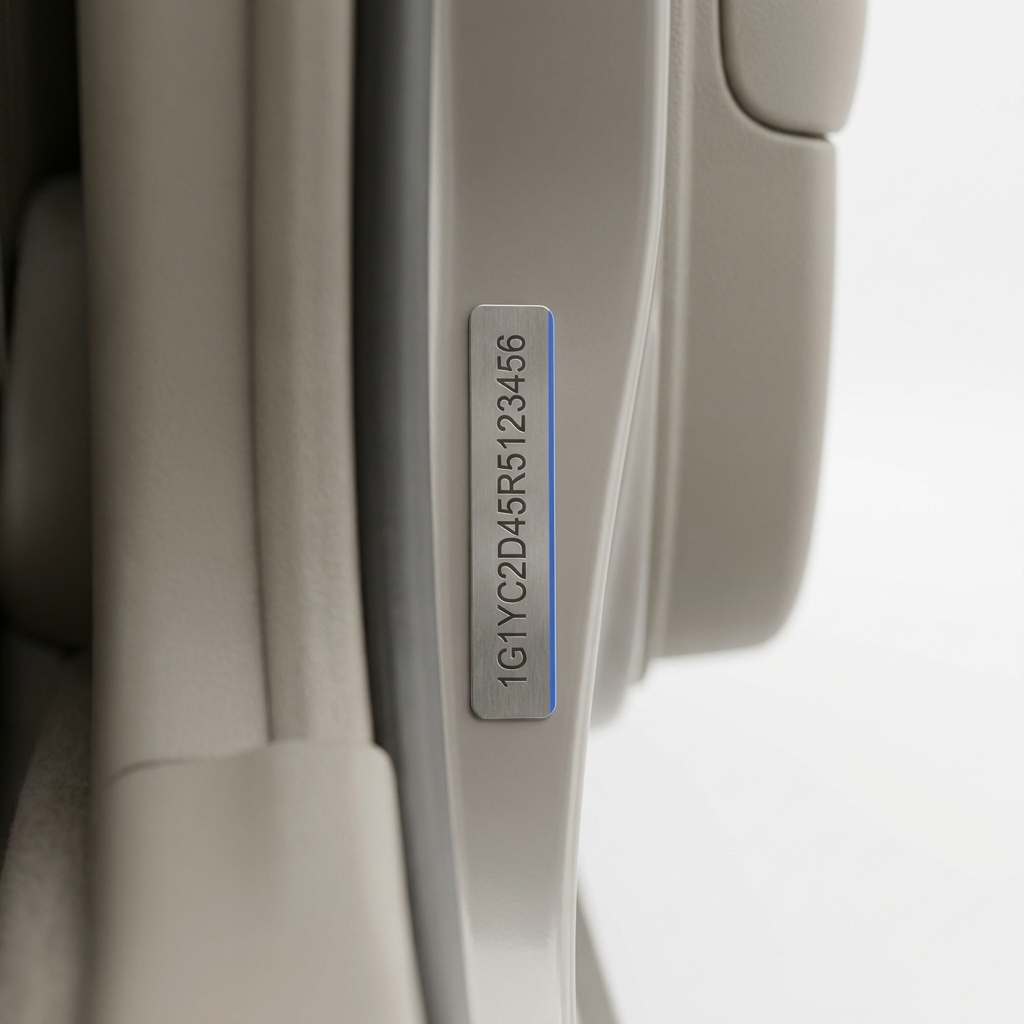
A clean VIN history removes many unknowns: accidents, title brands, odometer issues, and reported service history. A good VIN report isn’t perfect, but it’s essential. Look for consistent service records, single-owner history where possible, and the absence of salvage, rebuilt titles or airbag deployment. When in doubt, a clean report from a trusted provider reduces risk faster than any inspection alone.
CARFAX Deals makes VIN-history research simple by pairing verified CARFAX Vehicle History Reports with pricing context on listings. It’s a practical first step when you’re narrowing the field for the most reliable used cars.
Practical search steps: from broad research to the test drive
Follow these steps to find the most reliable second-hand car you can buy:
1. Start broad: Research reliable brands and models. Use consumer surveys and VIN survivorship studies to build a short list of models known for longevity. Our blog has buyer-focused posts that can shorten this step.
2. Narrow by year and engine: Reliability can change with a redesign or new engine option. Target the specific year and engine combo with the best track record.
3. Pull the VIN report early: Read accident history, title issues and service records. A clean report raises confidence; a problematic report is a clear red flag. You can run a report directly at the CARFAX Deals VIN page: VIN report.
Between the VIN check and your research, you’ll eliminate a large share of risky listings and focus on the vehicles most likely to be among the most reliable used cars.
Purposeful test drives and inspections
During the test drive look for unusual noises, how the transmission shifts, and steady behaviors at highway speeds and on hills. After the drive, always get a pre-purchase inspection by a trusted mechanic familiar with the brand. VIN reports and mechanics together reveal what a quick look cannot.
Common model winners and why they appear often
Certain models consistently appear as long-lived performers across studies. These examples are a useful starting point when you search for the most reliable used cars:
- Toyota Corolla & Camry: Simple, durable engines and huge parts availability make these perennial reliability winners.
- Honda Civic & Accord: Proven designs and robust transmissions have made these models long-lived favorites.
- Mazda3 & Mazda6: Improved build quality and efficient engines mean many Mazdas now have longevity similar to the top Japanese contenders.
- Lexus ES & RX: Luxury-level refinement with high dependability - expect higher repair bills, but excellent survival when well maintained.
- Subaru Outback & Forester (select years): Great for traction in bad weather, but watch for specific engine-year issues such as head gasket or oil consumption problems on older variants.
These models often appear on lists for the most reliable used cars, but remember: the right year, engine and maintenance history make all the difference.
Many compact cars from Honda and Toyota—especially those with naturally aspirated four-cylinder engines and complete service histories—are most likely to exceed 200,000 miles. Focus on models like the Corolla and Civic with documented maintenance to find the best long-term value.
Many compact cars from Honda and Toyota, especially those with naturally aspirated four-cylinder engines and a documented service history, are most likely to exceed 200,000 miles. The Corolla and Civic are classic examples—low complexity, lots of replacement parts, and decades of proven service patterns. Regular oil changes and timing-belt or chain maintenance are the small decisions that turn a good car into one of the truly most reliable used cars.
Electric and hybrid considerations
EVs and hybrids change the questions you ask. For hybrids, battery longevity has a track record: many Toyota hybrids have proven durable when properly maintained. EVs have less long-term VIN data because mainstream EVs are still relatively young, but their key reliability issues are battery health, charging history and software updates.
When comparing conventional cars to EVs and hybrids in a search for the most reliable used cars, treat battery and software reports as the main reliability signals for EVs and hybrids, and prioritize a clean VIN report and battery health inspection.
Regional and climate caveats
Where a car lived really matters. Salt-belt cars often hide corrosion and underbody damage. Vehicles from milder climates with full service records tend to be better bets. If you’re buying across state lines, insist on a detailed VIN report and an inspection that checks for rust and suspension wear.
A deeper dive: maintenance patterns that extend life
Longevity isn’t just engineering; it’s maintenance. Owners who change oil on schedule, replace timing belts or chains when due, and maintain cooling and brake systems greatly increase chances of long ownership. A car with modest mileage but irregular service often carries more risk than a higher-mileage vehicle with impeccable maintenance records.
So when you hunt for the most reliable used cars, favor vehicles with documented, regular service—even if that means paying a little more up front.
Negotiation tips with reliability in mind
Think of negotiation as risk pricing. Use VIN report findings and the mechanic’s inspection to ask for repairs or a reduction in price. If the VIN report is spotless and the inspection shows only wear items, the seller has less room to downplay problems—so you might pay closer to asking. If issues appear, itemize them and get a written estimate from your mechanic to support your offer.
Always keep in mind the timeframe you plan to own the car. If you’ll keep it five-plus years, prioritize long-term survival stats. If you’ll own it two years, short-term reliability and lower purchase price might take precedence.
Sample inspection checklist
Use this checklist during inspections to avoid obvious pitfalls. It’s tuned toward finding the truly most reliable used cars:
- VIN report review: accidents, title brands, service gaps
- Service receipts: oil changes, timing belt/chain jobs, major work
- OBD-II scan: stored trouble codes even if the "check engine" light is off
- Battery and charging: for hybrids/EVs, get a battery health report
- Test for leaks: coolant, oil, transmission fluid
Real-world case studies: what went right and wrong
Case 1 — The bargain that cost more: A buyer skipped the VIN report and inspection on a seemingly clean used sedan. Two months later they faced a major transmission bill. A modest extra check at the start would have avoided the surprise.
Case 2 — The smart extra spend: Another buyer paid a bit more for a car with complete service records and a clean VIN report from a CARFAX source. That car needed only routine maintenance and held value better when it was sold. The extra diligence paid off.
These examples show why the best strategy to find the most reliable used cars is information-first: VIN checks, receipts and a trusted mechanic.
Top practical recommendations by budget
Under $10,000: Look at older Toyota Corolla, Honda Civic, and well-maintained Mazda3 models. Target documented service and a clean VIN history to find the most reliable used cars in this range.
$10,000–$20,000: You can expand to later model-year Camrys, Accords, and Lexus ES models. These often combine durable engineering with lower remaining depreciation.
$20,000 and up: Consider late-model SUVs and certified pre-owned options. If you want luxury dependability without surprises, a Lexus with documented dealer service is a strong candidate—still among the most reliable used cars when well maintained.
How CarFax Deals simplifies finding reliable cars
Searching for the most reliable used cars becomes faster when listings are already paired with verified VIN histories and transparent pricing context. CARFAX Deals highlights vehicles backed by detailed CARFAX reports and shows whether a car is a strong market-value match. It’s a practical tool that helps you focus on the lowest-risk options without wading through listings that hide history.
Why using a VIN marketplace helps
Marketplaces that surface history reports and price analysis shorten your research time and reduce risk. When a listing shows a clean history and a strong price label, you can prioritize it for inspection and test-driving, saving hours of searching.
Checklist: final steps before you sign
Before you write the check, confirm these final items:
- Confirm VIN report is clean and matches the car’s paperwork.
- Get independent mechanic’s signed inspection report.
- Verify title type (clean, no salvage or rebuilt).
- Confirm the odometer reading against service records and VIN history.
- Negotiate based on documented issues; ask for repairs or a price reduction in writing.
When to walk away
If the VIN report shows salvage, heavy accident history, odometer gaps or hidden title brands, walk away. If the seller is evasive about service history or refuses an inspection, that’s another red flag. You’re better off losing a potential purchase than taking on long-term risk.
Frequently asked safety and reliability questions
Below are the answers to common questions buyers ask when pursuing the most reliable used cars.
FAQ 1
Q: Which used cars are most reliable overall? A: Brands like Toyota, Honda, Acura and Mazda commonly top reliability lists, and popular long-lived models include the Corolla, Camry, Civic and Accord. But always check the exact year and engine; VIN survival data can change the answer for specific trims.
FAQ 2
Q: Can a VIN report be trusted on its own? A: A VIN report is necessary but not sufficient. It reveals accidents, title brands, and service records, but it can’t show everything. Pair VIN checks with service receipts and a pre-purchase inspection to reduce risk.
FAQ 3
Q: Are older cars a better value for reliability? A: Older cars with documented maintenance can be very reliable and budget-friendly. However, they can lack modern safety features and may need more age-related repairs. Balance condition, history and expected maintenance against price.
Final thoughts: steady steps beat shortcuts
Finding the most reliable used cars is a process of eliminating risk. Use brand-level signals, VIN-level survival data, repair-cost benchmarks and a careful inspection routine to separate good buys from trouble. With methodical research and the right tools, you can find a used car that offers years of dependable service without constant worry.
Short reminder: prioritize provenance and maintenance over price alone. A slightly higher purchase price for a well-documented vehicle usually pays off with fewer headaches down the road.
Good luck out there—take your time, ask the right questions, and choose a car that matches your needs and nerve for risk. The right used car is waiting: start with data, verify the VIN, and drive away with confidence.
RepairPal’s and industry benchmarks give you a baseline for average annual repair costs. Use those numbers to compare candidates.
Brands such as Toyota, Honda, Acura and Mazda typically top reliability lists, and models like the Corolla, Camry, Civic and Accord often show strong long-term survival. However, always check the specific year, engine and VIN history—some trims or years can differ significantly.
A VIN report is essential but not sufficient. It reveals accidents, title issues and service entries, but it can miss unreported damage or maintenance lapses. Combine a VIN report with service receipts and an independent pre-purchase inspection for the best protection.
Hybrids have a longer track record—many Toyota hybrids, for example, show solid durability. EVs have less long-term VIN data; focus on battery health, charging history and software updates. For both types, a clean VIN report and detailed battery or system checks matter more than usual.
A reliable second-hand car is the result of careful research: favor proven models, verify the VIN history, get an expert inspection, and negotiate from facts; choose wisely and drive confidently—happy hunting!

 Blog
Blog