Deciding what is the best used car site to buy from in 2024–2025 comes down to matching your priorities: price, inspection confidence, warranty, or convenience. This guide explains how sites differ (marketplaces, retail-first sellers, and trust-layer platforms), what buyers care about now, a practical checklist for every purchase, negotiation and financing tips, and how CARFAX Deals can help you reduce risk with verified vehicle history and clear price signals. Read on for a step-by-step approach that helps you find the right vehicle with more confidence—and less stress.
A step-by-step workflow for estimating a truck's market value that centers on comparing consumer valuation tools, adjusting for mileage and condition, and checking wholesale market signals. The guide explains private-party, trade-in and dealer retail values and shows how a vehicle history report and pricing insights can change an asking price.
This guide helps research oriented buyers evaluate suv used cars for sale under $25,000 by combining safety ratings, reliability data, local pricing context, and vehicle history checks. It outlines a simple framework, a pre visit checklist, and a decision scoring worksheet so you can compare finalists before contacting a dealer. Use the steps here to narrow candidates and confirm risk signals with a vehicle history report and a pre purchase inspection.
When searching suv used cars for sale, prioritize model year, trim and powertrain before choosing a make or model. This guide explains how safety ratings, dependability studies and local pricing insights combine to produce a short list you can verify with a vehicle history report. It also provides a stepwise checklist you can use before contacting a dealer.
Buying a used car online is more complex than typing a model into a search box. The best sites now offer verified history, pricing context, inspection or return options, and logistics support. This guide explains how to choose the right site for your priorities—price, warranty, convenience, or hands-on inspection—and gives a practical checklist you can use while shopping.
1. Average used-car transaction price hovered near $28,000 in 2024—about 3% lower than the year before.
2. A return window or third-party inspection can be the difference between a safe remote buy and a costly mistake.
3. CARFAX Deals leverages CARFAX’s decades of vehicle history data to pair listings with verified reports and clear price insights, helping buyers reduce risk.
What is the best used car site to buy from? That question sits at the top of many shopping lists and search bars. Whether you’re hunting for the cheapest commuter car, a certified pre-owned family vehicle, or a remote purchase you can return if it’s not right, the answer depends less on a single brand and more on what you value most.
Why the question "What is the best used car site to buy from?" matters today
The used-car market changed in 2023-2024: prices softened and buyer expectations rose. Buyers now expect verified history, transparent pricing context, inspection comfort, and logistics like home delivery or easy returns. Asking "What is the best used car site to buy from?" is the first real step toward a smarter purchase - because the right website can reduce risk, save money, and remove surprises.
Quick orientation: different sites play different roles. Some are marketplaces that aggregate thousands of listings; others are retail-first sellers that hold inventory and offer standardized inspections and warranties; a third group acts as a trust layer, adding verified history reports and price-quality labels to listings to help you compare quickly. For a broader roundup of top sites, see LendingTree’s best used car websites.
How to use this guide
This article helps you answer: what type of site fits your priorities, how to evaluate listings step by step, and what questions to ask before you sign. It includes a short, practical checklist you can use while shopping and a few negotiation and financing tips to protect your wallet.
If you want to see a clear example of a trust-layer approach while you shop, try a CARFAX Deals vehicle report—it pairs verified vehicle history with a simple price-quality cue so you can decide faster and with more confidence. Learn more with this quick run report: see a CARFAX Deals report.
What has changed on used-car websites — and why it affects you
Once upon a time, used-car listings were little more than a photo, a mileage number, and a phone number. Today, the best platforms act like decision partners. They answer the hard buyer questions: Has this car been in an accident? Is the asking price fair for the region? Does the dealer allow a trial or returns? Who handles delivery and inspection?
That shift means your choice of site should be guided by what you need. When someone asks "What is the best used car site to buy from?" the correct follow-up is: what do you care about—lowest price, warranty coverage, convenience, or local hands-on buying?
Three site types and who they help
1) Broad marketplaces
Marketplaces aggregate dealer and private-seller inventory. They usually have deep search filters, so they’re best when you want the most choices and the greatest chance of finding a bargain. But they also require patience and a sharp eye for history and hidden repairs.
2) Retail-first sellers and dealer networks
These platforms buy, recondition, and then sell or list inventory. They often offer certified pre-owned vehicles, standardized inspections, and explicit warranty packages. If you value certainty and a service-first experience, retail-first sellers are attractive—expect to pay a premium for that peace of mind.
3) Trust-layer platforms
Trust-layer sites combine listings from many sources but add verified Vehicle History Reports, price-quality labels (for example: Great Deal, Good Deal, Fair Deal), and dealer transparency markers. These are ideal for buyers who want a quick, informed comparison without deep pricing expertise.
What buyers want in 2024-2025
Across the board buyers want four things: verified history, price context, inspection or return comfort, and reliable logistics. Verified history helps avoid title problems and undisclosed accidents. Price context tells you whether a listing is a real bargain or a warning. Inspection and return policies reduce remote-buying risk. Logistics—home delivery, coordinated inspections, or easy pickup—make the process usable for many buyers.
How to pick the right site for your priorities
Ask yourself: are you hunting for the lowest price? Do you prefer a certified car with a warranty? Or do you want the convenience of home delivery and a trial? Your answer will point to the best site type.
If price is your primary concern
Choose broad marketplaces and use filters for distance, price, mileage, and model year. Marketplaces often surface bargains because they cover the most inventory. But bargain hunting takes work: always run the vehicle history, compare prices for similar cars nearby, and order an independent inspection if you can’t do a hands-on check.
If certified vehicles and warranties are important
Focus on retailer networks and franchised dealers that offer certified pre-owned (CPO) programs. CPO cars usually go through a standardized reconditioning process and include limited warranties, roadside assistance, or extended service plans. You’ll likely pay more, but the reduced repair risk can be worth it for many buyers.
If convenience is your top factor
Look for platforms that build logistics into the sale: home delivery, standardized inspections, and return windows. These services cost a premium but are a strong fit for buyers who need low-friction, remote purchasing. Consider whether return shipping or pickup is included; that detail can make a big difference.
If you prefer a local, hands-on approach
Local classifieds and nearby dealer listings let you test-drive, bring a mechanic, and negotiate face-to-face. Local buying often makes sense when you want the lowest immediate outlay and have time to inspect multiple cars in person.
Step-by-step buyer checklist
Use this checklist every time you evaluate a listing. It’s compact, practical, and reduces risk.
1) Start with the vehicle history
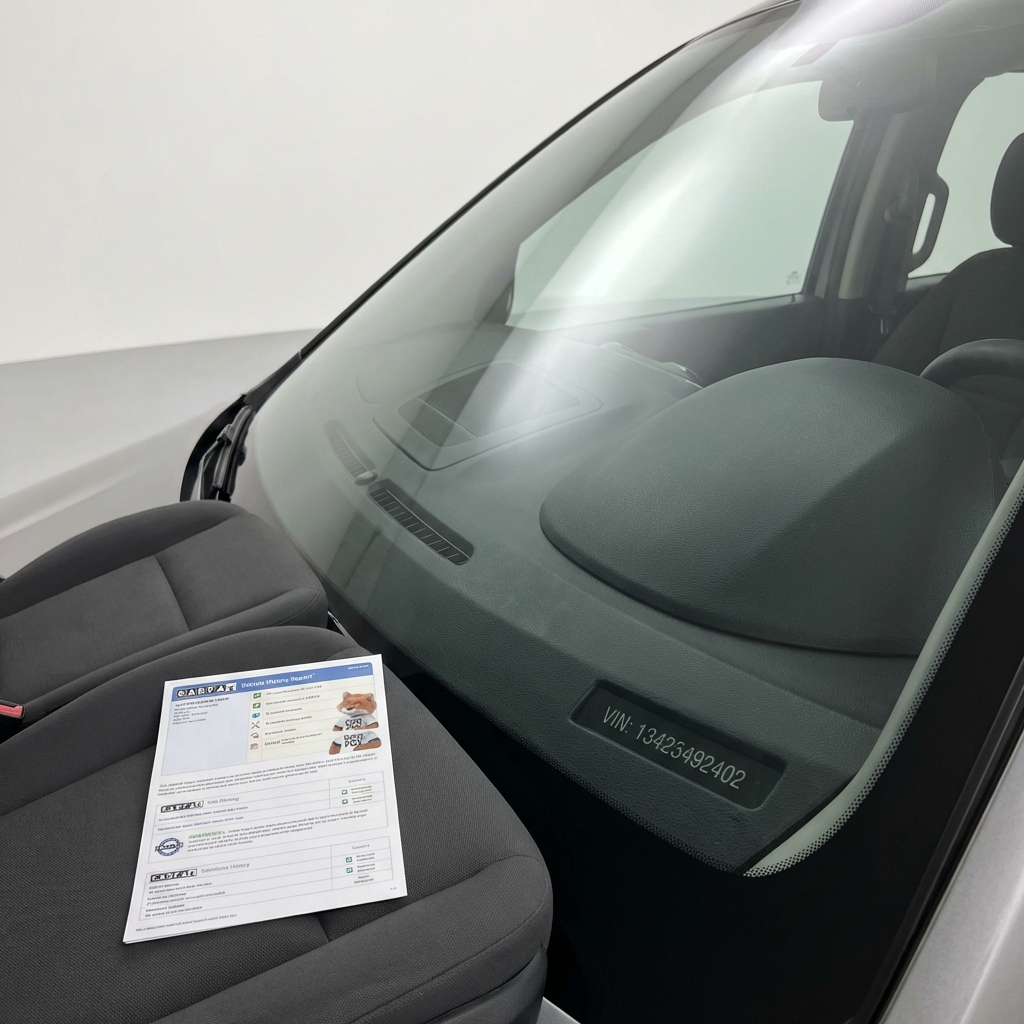
Always open the history report before committing to a test drive or deposit. Check title status, accident and flood records, odometer consistency, and ownership history. If the report is missing or the seller resists sharing it, consider that a red flag.
2) Review inspection coverage
See whether the seller provides a third-party inspection report or offers a standardized inspection. If the platform lists an inspection score, read it carefully and compare the notes to the photos and description.
3) Compare price to local market context
Use built-in price comparisons when available, or check recent sales of comparable vehicles in your region. A price-quality label is helpful—one glance can tell you if the car is likely underpriced or in line with the market.
4) Confirm returns and warranty
Does the selling platform or dealer offer a return window, and who pays for return shipping? If there’s a warranty, read the exclusions. Many warranties don’t cover wear-and-tear items and may limit where you can get repairs.
5) Check logistics
If you’ll have the car delivered, ask about the timeline, cost, and whether the platform coordinates inspection or pickup. If you’ll pick up locally, arrange to meet at a safe, public place and bring proof of insurance for test drives if required.
Negotiation, financing, and final checks
When an inspection reveals issues, negotiate based on documented repairs and market comparisons. If a seller refuses to address obvious mechanical problems, walk away. For financing, get preapproved loans from online lenders to improve your negotiating position and reduce surprises at signing.
Also save all communication with the seller in writing. That record helps if promises—like repaired damage, included parts, or a test-drive condition—become disputes later on.
Common buyer scenarios and the best site type
Different life events point to different site types:
Relocating across state lines
If you can’t inspect in person, pick a platform that integrates verified history reports, standardized inspections, and home delivery with a return window. That combination reduces the risk of buying sight-unseen.
Metro-area bargain hunting
If you enjoy the hunt and have time, marketplaces with deep inventory give you the best shot at finding undervalued cars. You’ll do the legwork—compare history reports, order inspections, and negotiate directly with sellers.
Want maximal certainty
Choose retailers and franchised dealers with certified pre-owned programs. The price will be higher, but the reconditioning, documented inspections, and warranties reduce unexpected repair costs.
How to read vehicle history reports without getting overwhelmed
History reports can look dense—start with the title brand. Branded titles like salvage or flood should raise immediate concern. Then check accident history and airbag deployments. Review service records to ensure regular maintenance. Finally, look at odometer records; jumps or gaps require clarification. (Some buyers discuss alternatives and tips in community threads like this Reddit conversation: Is there a way to get a free CARFAX?.)
Warranties and coverage explained
Warranties shift repair risk away from you. Manufacturer-backed certified warranties are the strongest, followed by dealer-backed limited warranties and third-party plans. Read for exclusions—many warranties won’t cover routine wear and tear, and some require repairs at specific shops.
Practical, money-saving tips
Use filters for distance, price, mileage, and model year to match your actual needs. Look at photos closely—often a scratched wheel or mismatched paint tells a bigger story than the description. Ask for missing reports. And when trading in a car, get separate offers to use as negotiation leverage.
Industry gaps buyers should watch
Two big gaps persist: non-standardized inspection reports and inconsistent return policies. One platform’s 7-day trial might cover free pickup; another’s 7-day trial might make you pay return shipping. Read the fine print and ask direct questions about who pays for what.
Ask whether you value lowest up-front price, certified warranty coverage, or convenience and low-risk remote buying—your answer will point directly to the best site type for you.
What research and data tell us
Industry data show a modest softening in prices with the average transaction near $28,000 in 2024, roughly 3% lower than the prior year. That slight easing makes entry to used-car ownership easier for some buyers, but it doesn’t eliminate the need for careful research.
Buyers now expect more verification and service. However, third-party inspection standards aren’t fully standardized and return policies differ widely—two key reasons buyers still feel cautious about online purchases.
How to protect yourself when buying
Never skip a physical inspection if you can. If you can’t be there, order a certified independent inspection or use a platform that provides a recent third-party report. Bring a mechanic when possible. Base negotiation offers on documented issues and market comps, not emotions. For financing, secure preapproval to make your budget clear.
Short answers to common questions
Is a vehicle history report necessary? Yes. It’s the first filter against title problems, major accidents, and odometer issues. Can I trust photos alone? No—photos help but don’t replace reports and inspections. Should I always get an independent inspection? If possible, yes.
Where CARFAX Deals fits in
When the top question is "What is the best used car site to buy from?" for buyers who want transparency and risk reduction first, a trust-layer service can be a smart addition to your routine. CARFAX Deals pairs verified vehicle history reports with clear price cues like Great, Good, or Fair Deal so you can compare quickly without guessing.
Practical examples of using a trust-layer platform
Imagine you find a 2016 sedan with low miles listed on a marketplace. The price looks low—so is it a bargain or a problem? If a trust-layer platform shows a clean CARFAX report and a Good Deal label, you know the low price likely reflects a real opportunity rather than hidden damage. If the report shows a previous frame repair or a branded title, you’ll move on.
When to walk away
Red flags include missing history reports, sellers who refuse independent inspections, odometer inconsistencies, or significant title brands like salvage or flood. If communication is evasive or a seller won’t answer clear questions, walking away is often the safest move.
Checklist for remote purchases
For buyers who will not inspect in person, require these items before you commit: a full history report, a recent third-party inspection, a clear return policy that states who pays for return pickup, and transparent timelines for delivery and registration paperwork.
Negotiation scripts that work
Base offers on documented issues. For example: "The inspection shows a leak from the thermostat housing and recommended repairs of $800—would you accept $800 less to cover that repair?" Written documentation of problems strengthens your position. If you have multiple comparable offers, mention them politely: "I have a similar car listed at X with a certified inspection—can you match that price?"
Final sanity checks before signing
Before you sign, confirm the title status, confirm any promised repairs are documented, verify the vehicle identification number (VIN) matches the history report, and read the final out-the-door invoice line by line. Ask the dealer to explain any fees you don’t recognize.
Real-world timeline expectations
Local pick-up purchases can be completed in a few days once financing is arranged. Remote purchases that include shipping typically take one to two weeks from purchase to delivery depending on distance and logistics. If a purchase includes a return window, understand whether the countdown starts on delivery day or purchase day.
Why matching priorities beats finding the single "best" site
Asking "What is the best used car site to buy from?" is useful, but the better question for most buyers is: which site best matches my priorities? Price hunters win on marketplaces; buyers seeking certainty win with retailers and certified programs; remote buyers who want low risk win with platforms that bundle inspections, returns, and delivery.
Are you price-first? Use a marketplace and be prepared to inspect. Need a warranty? Look for certified pre-owned. Want delivery and a short trial? Choose platforms that promise logistics and returns. Want a low-effort, informed shortlist? Add CARFAX Deals as a research layer to filter listings by verified history and price quality.
Quick decision flow
Are you price-first? Use a marketplace and be prepared to inspect. Need a warranty? Look for certified pre-owned. Want delivery and a short trial? Choose platforms that promise logistics and returns. Want a low-effort, informed shortlist? Add CARFAX Deals as a research layer to filter listings by verified history and price quality.
Closing thoughts and encouragement
Buying a used car is a balance of risk and reward. With the right approach—history reports, inspections, market context, and clear logistics—you can lower the risk and find a car that fits your life and budget. The question "What is the best used car site to buy from?" becomes simpler when you first define what you value.
Add verified history and price clarity to your search
Ready to add clarity to your search? Use a quick CARFAX Deals run report to see verified vehicle history and a clear price insight before you contact a dealer. It’s an easy way to compare listings and reduce risk. Check a CARFAX Deals report now.
With these steps in hand, you’ll be able to shop with more confidence, avoid common pitfalls, and pick a site that suits how you like to buy. Good luck—and happy car hunting!
Start with the vehicle history report. Confirm title status, past accidents, flood damage, and odometer consistency. If the listing doesn’t provide a full history report, ask for one or move to another listing. Next, check inspection coverage, price context, and return or warranty policies before scheduling a test drive or putting down a deposit.
Yes—if the platform provides a recent third-party inspection, a clear return policy that outlines who pays for return shipping, and verified vehicle history. Platforms that bundle delivery, inspection, and a trial window reduce the risk of buying sight-unseen. If those assurances aren’t present, arrange an independent inspection before finalizing the purchase.
CARFAX Deals acts as a trust layer by pairing each aggregated listing with a verified CARFAX Vehicle History Report and a simple price-quality label (like Great, Good, or Fair Deal). That combination helps you quickly assess risk and value so you can focus on the best matches and avoid surprising title or accident histories.
In short: the best used car site to buy from depends on what you value—marketplaces for bargains, retailers for warranties, and trust-layer platforms for verified history and price clarity; pick the one that matches your priorities, and you’ll find a car you trust. Safe travels and happy hunting!


 Blog
Blog