At what mileage does the BMW X5 start having problems? A mileage-focused buying guide
This guide maps common BMW X5 failure patterns to mileage bands and explains how verified service history and a vehicle history report change risk for buyers looking at bmw x5 for sale listings. It summarizes what tends to fail in each mileage range, gives system-specific checklists, and lists practical pre-purchase steps you can take before contacting a dealer.
A step-by-step workflow for estimating a truck's market value that centers on comparing consumer valuation tools, adjusting for mileage and condition, and checking wholesale market signals. The guide explains private-party, trade-in and dealer retail values and shows how a vehicle history report and pricing insights can change an asking price.
This guide helps research oriented buyers evaluate suv used cars for sale under $25,000 by combining safety ratings, reliability data, local pricing context, and vehicle history checks. It outlines a simple framework, a pre visit checklist, and a decision scoring worksheet so you can compare finalists before contacting a dealer. Use the steps here to narrow candidates and confirm risk signals with a vehicle history report and a pre purchase inspection.
When searching suv used cars for sale, prioritize model year, trim and powertrain before choosing a make or model. This guide explains how safety ratings, dependability studies and local pricing insights combine to produce a short list you can verify with a vehicle history report. It also provides a stepwise checklist you can use before contacting a dealer.
This guide explains when common BMW X5 problems tend to appear by mileage and how documented service history changes the practical risk for buyers. It is aimed at people searching for a bmw x5 for sale who want clear, evidence-backed steps to evaluate listings before contacting a dealer.
You will find a mileage timeline, a system-by-system checklist, inspection steps tied to mileage bands, and practical decision criteria that make it easier to compare multiple listings. The guidance is conditional and focused on verification, not promises.
Electronics and cooling issues often start appearing from about 60,000 miles onward.
Transmission complaints commonly cluster between roughly 80,000 and 120,000 miles.
Engine mechanical and oil-related failures tend to rise after about 100,000 miles on many X5s.
Quick guide: what to expect when shopping for a BMW X5 for sale
Short answer: common BMW X5 problems tend to cluster in predictable mileage bands, but a verified service history can change those odds. When you see a bmw x5 for sale, expect electronics and cooling-system faults to appear earlier, with transmission complaints rising around the 80,000 to 120,000 mile range and engine mechanical problems more common after roughly 100,000 miles. This pattern is visible in available reliability summaries and owner reports, and it is most meaningful when combined with the car's service history and recall status RepairPal reliability guide.
Why mileage alone is not the whole story. Odometer reading is a quick signal, but maintenance and ownership records matter more for predicting near-term repairs. Vehicles with consistent, stamped service history and no major gaps tend to show fewer reported faults in dependability studies, while inconsistent servicing correlates with higher fault reports in long-term ownership notes Consumer Reports overview.
Basics to remember when you browse listings: check the vehicle history report for service entries, run a recall check, and ask the dealer for stamped maintenance records. Those steps often change the practical risk of buying a higher-mileage X5 J.D. Power dependability findings.
Run a vehicle history report for the X5 you are considering
Before you visit a dealer, run a vehicle history report and confirm recall information to reduce uncertainty about documented maintenance and title status.
A clear timeline: mileage bands and likely BMW X5 problems when you find a bmw x5 for sale
Under 60,000 miles: what to expect. In this range many X5s still show factory-level reliability for major mechanical systems, but early wear items and electronics faults can appear. Infotainment glitches, sensor errors, and small electrical faults have been reported to start showing up after extended use, particularly if service history is inconsistent, so check system behavior during a test drive and ask for service entries that cover software updates and module repairs Car and Driver long-term notes.
60,000 to 100,000 miles: rising electronics and cooling issues. Between about 60,000 and 100,000 miles the frequency of cooling-system failures increases for many X5s, with items like the water pump, thermostat, and plastic coolant housings more likely to need replacement in this window. At the same time, infotainment and module-related faults tend to become more common, especially where service records show sporadic maintenance Edmunds used X5 problems guide.
Around 80,000 to 120,000 miles: transmission complaints. Automatic transmission complaints for X5 models commonly cluster in a roughly 80,000 to 120,000 mile range, so pay attention to shift quality during a test drive and look for service records that show transmission fluid service or diagnostics. When listings note irregular or missing transmission maintenance, the reported complaint frequency tends to be higher in this band NHTSA recalls and complaints.
100,000 miles and beyond: engine mechanical and oil-related failures. Engine mechanical issues, including oil leaks and timing-chain or VANOS-related faults on certain powertrains, tend to rise after about 100,000 miles in many reliability summaries. For older-generation engines these mechanical faults and increased oil consumption are among the more frequently reported higher-mileage problems, so inspect for oil seepage, check service records for timing or valve-train work, and confirm oil consumption notes in the vehicle history report RepairPal reliability guide.
Caveat. Exact failure timing varies by model year, engine choice and how the vehicle was driven and maintained. Use mileage bands as guides, not guarantees, and do a model-year specific recall and service-history lookup for any X5 you consider Consumer Reports overview.
Engine and oil-related faults, what to look for. On many X5 powertrains, oil leaks, increased oil consumption and timing-chain or VANOS system faults become more likely as mileage climbs past four figures and into higher ranges. Listen for unusual engine noises, check for oil staining under the car, and request service records for valve-train or timing-chain work. If the listing notes repeated oil-top-offs or recent head gasket or timing repairs, treat that as a higher-risk signal and probe the details with the seller RepairPal reliability guide. For owner-reported examples see discussions on specialist forums owner reports.
Practical engine checklist items. When you inspect or test drive an X5, note cold-start behavior, exhaust color during acceleration, visible oil leaks around gaskets and the oil pan, and any dashboard warnings. Ask to see oil-change receipts and the last oil type used. If the vehicle is near or past 100,000 miles and lacks clear service records, consider planning for closer engine inspection or compression checks as part of a pre-purchase inspection Edmunds used X5 problems guide.
Automatic transmissions, symptoms and mileage patterns. Transmission complaints commonly appear in the 80,000 to 120,000 mile band. Typical symptoms reported in owner notes and complaints include rough or delayed shifts, slipping under load, and transmission-related warning lights. During a test drive, watch for smoothness during low-speed and highway shifts, and listen for unusual mechanical noises from the transmission area. If the listing or vehicle history report notes prior transmission service, ask for invoices that describe what was replaced or adjusted NHTSA recalls and complaints.
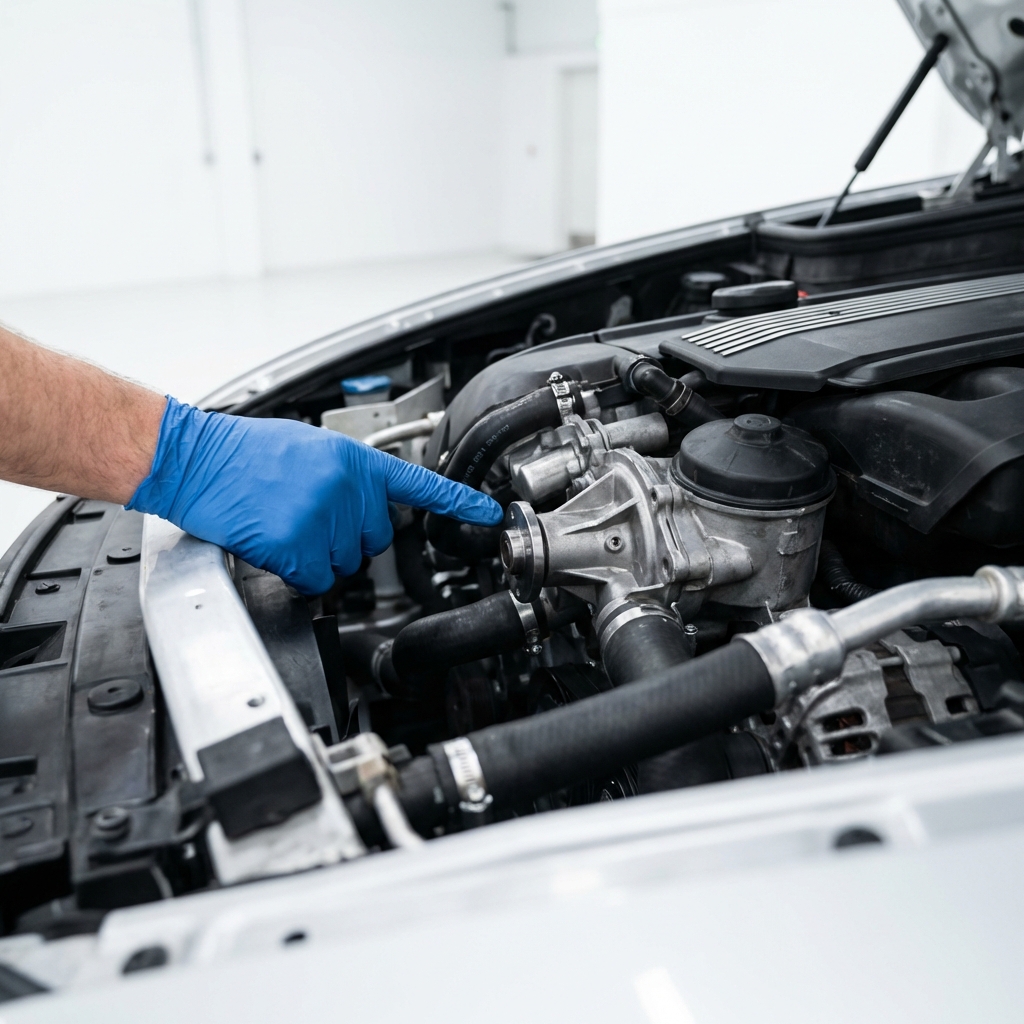
Cooling system, common failure points. Water pumps, thermostats and plastic coolant housings often fail between roughly 60,000 and 120,000 miles on many X5s. These parts are subject to wear and to plastic degradation over time. Check for recent coolant service, look for cooling-system coolant staining or residue, and ask whether any coolant hoses or the radiator were replaced. Listings that show recent coolant-system service reduce near-term risk in this area RepairPal reliability guide.
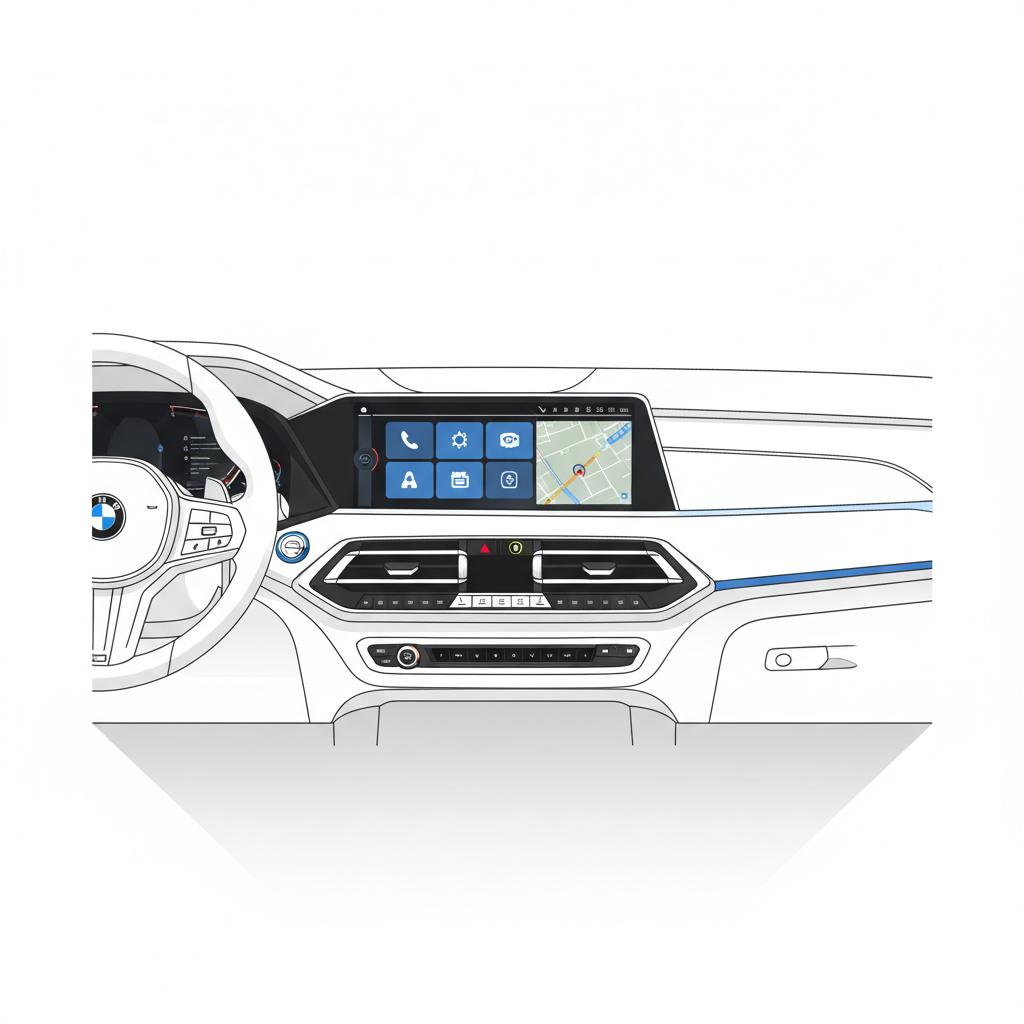
Electronics and infotainment issues. iDrive faults, module errors and sensor problems tend to increase from about 60,000 miles onward, particularly when service history is inconsistent or software updates are not recorded. Verify that features such as navigation, Bluetooth, cameras and driver aids function during a test drive. If the vehicle history report or service records show repeated electronics repairs, treat that as a nontrivial signal for higher future service needs Car and Driver long-term notes.
Suspension, bushings and air-suspension specifics. Control-arm bushings, sway bar links and other rubber components commonly wear with age and mileage, often showing service needs after about 70,000 miles. On X5s equipped with air suspension, expect air springs and compressors to be potential repair items as mileage rises. During inspection, listen for air-compressor cycling at rest, test for consistent ride height and note any unusual clunks during slow-speed maneuvers Edmunds used X5 problems guide. More detailed repair notes and solutions are available on specialist sites repair solutions.
Recall and NHTSA check. For any model-year X5 you consider, cross-check NHTSA recall and complaint pages to see model-specific issues and open recalls. A recall check can reveal factory-correctable safety or emissions items that the dealer should have addressed before sale NHTSA recalls and complaints.
How maintenance history and verified service records change the risk when buying a BMW X5
Why documented service history matters. Studies and dependability summaries show that vehicles with consistent, documented maintenance usually show lower reported failure rates over time. That correlation is especially relevant for complex luxury SUVs like the X5, where prior preventive maintenance can delay or reduce the likelihood of higher-cost failures J.D. Power dependability findings.
What gaps in records typically imply. Long gaps between recorded services, missing major items such as timing or valve-train checks, or a lack of stamped dealer entries can point toward inconsistent maintenance. For X5s this inconsistency often aligns with higher reports of electronics faults, cooling-system failures, and accelerated wear on powertrain components in owner and repair summaries Consumer Reports overview.
How to use a vehicle history report and dealer transparency signals. Combine a VIN-based vehicle history report with dealer-provided service receipts and the dealership's profile information. Look for stamped services, single-owner records, and explicit notes about major servicing. Use these inputs to prioritize listings with clear maintenance records and to question sellers about any unexplained entries or title issues how to use.
Verification steps. Ask for stamped service records, receipts that list parts and labor, and any inspection reports tied to maintenance. When service descriptions are vague, request itemized invoices. If records are incomplete, plan for an independent pre-purchase inspection before committing to the purchase Consumer Reports overview.
Pre-purchase inspection checklist for buyers looking at a BMW X5 for sale
Documents to request before visiting. Ask the seller for a VIN-based vehicle history report, stamped service records, maintenance receipts, title status and ownership history. These documents help verify whether the car had consistent service, accident entries, or title issues that affect long-term reliability Run CarFax Report.
On-site inspection and test-drive checklist. For the test drive and walkaround, prioritize these checks: smooth transmission shifts at low and high speed, no smoke or heavy oil consumption from the exhaust, consistent cooling performance without overheating, full function of electronics and infotainment, and no excessive suspension noise or uneven ride height. Bring a checklist and take notes to compare multiple listings.
Common problem patterns emerge at different mileage bands: electronics and cooling issues from around 60,000 miles, transmission complaints commonly between 80,000 and 120,000 miles, and engine mechanical or oil-related failures more frequently after about 100,000 miles; verified service history and inspection results materially change those risks.
Mileage-specific checks to add for higher-mileage examples. For cars above 60,000 miles, add a cooling-system pressure check and ask whether water pump, thermostat or coolant hoses were replaced. Near the 80,000 to 120,000 mile band, request evidence of transmission fluid service and any diagnostic work. For vehicles over 100,000 miles, check for engine oil consumption records and timing-chain or valve-train work in the service history RepairPal reliability guide.
Independent pre-purchase inspection. When possible, book an independent mechanic who knows BMW models to perform a compression test, inspect for oil leaks, pressure-test the cooling system, and evaluate the transmission. This step often reveals issues that are not obvious during a short test drive and provides negotiation leverage if repairs are needed Edmunds used X5 problems guide.
Typical repair types and ownership considerations for higher-mileage X5s
Which repairs tend to be costly or time-consuming. Major engine repairs and transmission rebuilds are among the most expensive and time-consuming items. Cooling-system work and suspension component replacement are commonly needed at mid- to higher-mileage points, and electronics troubleshooting can require dealer-level diagnostic time. These repair types influence short-term ownership costs and downtime, so factor them into your ownership planning RepairPal reliability guide.
How extended warranty or recent service can change the decision. An active extended warranty or documented recent replacement of high-failure items such as the water pump, transmission service, or air springs reduces near-term exposure. When a listing shows recent major maintenance, it can make a higher-mileage X5 a more reasonable purchase for buyers with a shorter ownership horizon J.D. Power dependability findings.
Factors that affect total cost to own. Local labor rates, parts availability for specific engines or trims, and the model year all affect repair costs. When evaluating a listing, consider how long you intend to keep the X5. A higher-mileage vehicle with recent major service may be sensible for a two to three year ownership plan, while longer ownership horizons increase the chance of higher-cost repairs later on. Consult price guides such as KBB.
Relying on the odometer alone. Buyers often focus on the mileage number without checking the service history and vehicle history report. Odometer reading alone can be misleading because two X5s with the same mileage can have very different maintenance records and therefore different near-term risk profiles Consumer Reports overview.
Ignoring electronics and cooling-system checks. Infotainment faults and cooling-system plastic component failures can be overlooked during quick inspections. These items are commonly reported as the car ages and may lead to out-of-pocket repairs if not identified before purchase RepairPal reliability guide.
Quick listing checklist to compare listings before visiting a dealer
Use this checklist during initial listing review
Trusting cosmetic condition over documented maintenance. A clean interior and shiny paint do not guarantee consistent mechanical care. Always cross-check cosmetic appearance with stamped service history, ownership records and the vehicle history report before making a buying decision Car and Driver long-term notes.
When a higher-mileage BMW X5 can still be a reasonable buy
Red flags vs acceptable conditions. Red flags include large gaps in service history, inconsistent ownership records, and unresolved safety recalls. Acceptable conditions that reduce concern include single-owner history, recent documented major service, clear title status and detailed invoices that list part numbers and work performed Run CarFax Report.
How to spot recent major maintenance and repairs. Look for invoices showing recent replacements of water pump, thermostat, transmission fluid and filter service, timing-chain related work, or suspension component replacement. A listing that documents these items reduces near-term risk, especially when the work was performed by a qualified shop or dealer Edmunds used X5 problems guide.
When to consider an extended warranty. If you plan to keep the vehicle long term and the X5 has crossed into higher mileage bands without recent major service, an extended warranty that covers powertrain or specific components can reduce short-term financial exposure. Balance the cost of coverage with the documented condition and expected ownership horizon J.D. Power dependability findings.
Bottom line: practical steps before you contact a dealer about a BMW X5 for sale
Three quick decision criteria. First, prefer listings with consistent, stamped service history and a clear vehicle history report. Second, use mileage bands to prioritize required checks, focusing on cooling and electronics around 60,000 miles, transmission near 80,000 to 120,000 miles, and engine inspection past 100,000 miles. Third, factor recent major servicing and warranty status into your willingness to accept higher mileage Consumer Reports overview.
Next steps for a safer purchase. Run a VIN-based vehicle history report, confirm open recalls, request detailed service records, and schedule an independent pre-purchase inspection before signing. Use the combined information to weigh likely repair exposure against your intended ownership duration and local cost factors Run CarFax Report.
Decision checklist. If the X5 has clear service history, recent major maintenance, and no open recalls, it may be reasonable even at higher miles. If documentation is missing or shows inconsistent service, treat the listing as higher risk and consider walking away or asking for a price that reflects likely near-term repairs RepairPal reliability guide.
Mileage correlates with certain failures: cooling and electronics often show issues from about 60,000 miles, transmissions tend to have more complaints between roughly 80,000 and 120,000 miles, and engine mechanical faults increase after about 100,000 miles; service history usually alters these odds.
Ask for a VIN-based vehicle history report, stamped service records, maintenance receipts, title status and ownership history. These documents help verify past maintenance and reveal recall or title issues.
Yes, if it has consistent stamped service history, recent major maintenance on common failure items, single-owner records, and no open recalls; an independent inspection and possible extended coverage also help manage near-term risk.
Use the mileage bands and system checklists here as decision guides rather than strict rules. Always confirm model-year specifics, run a vehicle history report, and get an independent inspection if maintenance records are incomplete.
A careful document review and a short pre-purchase inspection can materially reduce the uncertainty when you evaluate a BMW X5 for sale.


 Blog
Blog