What are common problems with the Camaro LS? A practical pre-purchase guide
This guide explains common Camaro LS problems and gives focused checks you can run before buying. It shows how to combine VIN-verified vehicle history reports, recall and TSB lookups, and targeted test-drive steps to surface issues. Use these checks to evaluate camaros for sale and decide whether to inspect further or walk away.
A step-by-step workflow for estimating a truck's market value that centers on comparing consumer valuation tools, adjusting for mileage and condition, and checking wholesale market signals. The guide explains private-party, trade-in and dealer retail values and shows how a vehicle history report and pricing insights can change an asking price.
This guide helps research oriented buyers evaluate suv used cars for sale under $25,000 by combining safety ratings, reliability data, local pricing context, and vehicle history checks. It outlines a simple framework, a pre visit checklist, and a decision scoring worksheet so you can compare finalists before contacting a dealer. Use the steps here to narrow candidates and confirm risk signals with a vehicle history report and a pre purchase inspection.
When searching suv used cars for sale, prioritize model year, trim and powertrain before choosing a make or model. This guide explains how safety ratings, dependability studies and local pricing insights combine to produce a short list you can verify with a vehicle history report. It also provides a stepwise checklist you can use before contacting a dealer.
This article maps common Camaro LS faults to simple checks you can perform when evaluating a listing. It ties owner-complaint patterns and public safety guidance to clear test-drive steps and document checks.
You will get a prioritized checklist, exact road-test scripts and a decision framework that helps weigh repair risk against pricing context. Use VIN-verified vehicle history reports as a verification layer and confirm repairs with documented service entries before buying.
Transmission shudder and rough shifting are a high-priority pre-purchase check for automatic-equipped Camaro LS models.
Engine misfires often show on cold start or light-load cruising and commonly point to ignition or fuel-injection issues.
Combine VIN-verified history reports, recall/TSB lookups and a scripted road test to reduce buying risk.
Quick summary: what this guide covers
Who this is for
This guide is for research oriented used car buyers, first time buyers and anyone comparing Camaro listings. It focuses on common mechanical, electrical and interior problems and on practical checks you can perform at a dealer or during a listing review.
What you will learn and how to use the checks
You will learn specific test-drive steps, what to look for in a vehicle history report and which service entries raise concern. The advice links documented safety records and technical service guidance to simple on-lot actions, so you can evaluate camaros for sale more confidently. When a paragraph summarizes reported failure patterns it points to public safety and buyer resources for verification, and it recommends using a VIN check as a verification layer rather than a replacement for a professional inspection. NHTSA vehicle recalls and investigations
Why common Camaro LS problems matter for buyers
How faults affect safety, ownership cost and resale
Some failures can affect daily drivability and repair cost, others can have safety implications that dealers and buyers should not ignore. Transmission shudder and rough shifting have been tied to manufacturer service guidance and can change how a car feels under acceleration, which in turn affects both safety and resale value. Buyers who skip a focused test drive risk missing symptoms that indicate recurring service work. NHTSA vehicle recalls and investigations
Which model years and mileages tend to surface wear items
Higher mileage and older model years tend to show more suspension bushing and ball joint wear, plus interior deterioration such as peeling trim and worn bolsters. These items often do not affect immediate safety but do increase reconditioning cost and can reduce a vehicle's price analysis label. Use conditional framing: a well documented service history can reduce risk, while gaps often increase it.
Run a VIN-verified vehicle history report
Before you test drive, consider running a VIN-verified vehicle history report to confirm title status and recent service entries
Vehicle history, recalls and TSBs: what to check first
How to read a VIN-verified vehicle history report
Start by confirming the VIN in the listing matches the report and check title status for salvage or branded titles. Use the findings to prioritize which vehicle systems to inspect in person.
Where to find NHTSA recalls and manufacturer TSBs
Check the NHTSA recall pages for any open recalls tied to the model and search TSB databases for recurring service-area guidance, especially those related to transmission or drivability. See specific service bulletins such as this NHTSA service bulletin. If a TSB or recall mentions transmission shudder, treat that as a high-priority test item during the road test. VehicleHistory TSB listing
Transmission issues and how to test for shudder or rough shifting
Why transmission shudder is a high-priority pre-purchase concern
Transmission shudder and rough automatic shifts are commonly cited in safety bulletins and TSBs and can be symptomatic of software calibration, torque converter or hydraulic control problems; these often show up under light load or steady cruise. Because the issue may recur after a short repair, verify whether documented service tied to a TSB addressed the symptom. VehicleHistory TSB listing (see NHTSA service bulletin)
Simple road-test maneuvers to reveal shudder or delayed engagement
Start with a cold engine and note any hesitation or unusual vibration on first move. During a steady light-throttle cruise keep the speed steady and watch for any low-frequency vibration or shudder, then follow with moderate accelerations to see if shifts feel harsh or delayed. If you notice symptoms, ask for documentation of related transmission service or any updates tied to a manufacturer bulletin.
Start with a VIN-verified vehicle history report and open recall or TSB checks, then perform a scripted road test focused on transmission shudder and engine misfire, followed by suspension and interior inspection.
Also test parking-lot low-speed shifts and note reverse engagement and parking behavior; delayed engagement can be an early sign of internal wear.
Transmission issues and how to test for shudder or rough shifting
Why transmission shudder is a high-priority pre-purchase concern
Transmission shudder and rough automatic shifts are commonly cited in safety bulletins and TSBs and can be symptomatic of software calibration, torque converter or hydraulic control problems; these often show up under light load or steady cruise. Because the issue may recur after a short repair, verify whether documented service tied to a TSB addressed the symptom. NHTSA vehicle recalls and investigations
Engine misfires, ignition coils and fuel-injection faults
Symptoms you can reproduce on a short drive
Typical misfire indicators include a check-engine light, rough idle, hesitation under light load and uneven acceleration. These symptoms are often noticeable during cold start and light-load cruising, which makes them practical to check on a brief test drive. If the check-engine light is on, request the fault code readout before leaving the lot. RepairPal Camaro reliability report
What those symptoms typically point to and expected repair areas
Owner reports and service guides often link misfires to ignition coils, spark modules or fuel-injection faults. These components are routine service items but can be costly if multiple cylinders are affected or if the underlying cause is wiring or a module fault. Confirm recent ignition or fuel-system work in the service history before factoring repair risk into your offer. CarComplaints Camaro reports
Suspension, steering and undercarriage wear to inspect
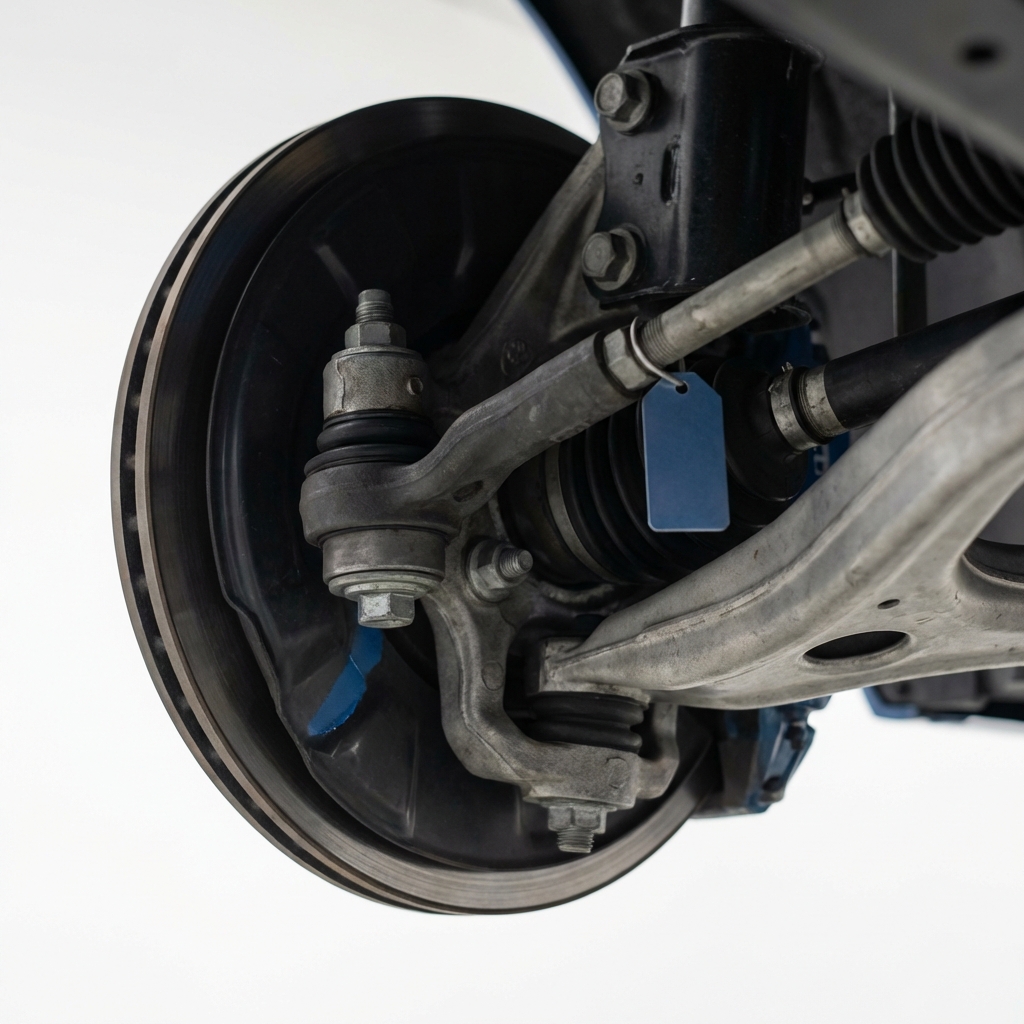
Common wear points: bushings, ball joints and tie rods
Frequent wear items on higher-mileage Camaros include control-arm bushings, ball joints and tie rods. These parts commonly present as clunks over bumps, rattles during steering or uneven tire wear, and replacing them can affect alignment and tire life. A careful undercarriage inspection should look for torn boots, grease loss and visible play. RepairPal Camaro reliability report
How to check for play, clunks and premature wear during visual inspection and test drive
At rest, look for torn boots, rusted or leaking components and uneven tire wear. During a slow drive listen for clunks on bumps and for rattles during low-speed turns; repeat maneuvers at slightly different speeds to confirm the source. If you detect play, ask the dealer for a lift inspection or a documented recent suspension service entry.
Electrical faults: battery drains, sensors and infotainment glitches
How electrical issues show up in everyday use
Electrical complaints commonly reported include parasitic battery drain, sensor error lights and intermittent infotainment failures. These can cause both convenience failures and drivability issues when sensor data is affected, and intermittent faults are especially hard to reproduce during a single test drive. CarComplaints Camaro reports
Simple checks to spot parasitic drains or intermittent sensor faults
Verify battery health at the lot and note how long the vehicle has been sitting before your arrival. Watch for warning lights at startup and during a short drive, and test infotainment features like Bluetooth, navigation and screen responsiveness. If the battery is weak or warning lights appear, request documentation of recent electrical work and a voltage test result.
Interior wear, trim and switch failures: what affects reconditioning cost
Typical interior wear items on Camaro LS models
Common interior complaints include peeling trim, worn seat bolsters and failing switches. These items affect perceived condition and can require cosmetic reconditioning or part replacement to bring the car to a higher resale tier. Confirm any reported interior work with service entries and recent photos when possible. Kelley Blue Book Camaro ownership notes
How to estimate reconditioning effort and when to walk away
Estimate reconditioning effort by cataloging visible wear and comparing it to similar listings with better condition notes. Minor trim or switch fixes may be reasonable to negotiate on price, while widespread interior deterioration combined with mechanical concerns can be a reason to walk away.
quick VIN lookup and price label comparison
Use before visiting the dealer
How to read NHTSA recalls and Technical Service Bulletins for the Camaro
Differences between recalls and TSBs
A recall addresses safety defects and may require free dealer repair. A Technical Service Bulletin records manufacturer guidance for known issues and recommended repairs or diagnostics but is not the same as a recall. TSBs can point to recurring service-area problems even if there is no safety recall. NHTSA vehicle recalls and investigations
What to do if a recall or TSB matches a reported problem
If a recall or TSB matches a symptom you observe, verify whether the specific VIN shows an open action and ask the dealer for documentation of any completed work tied to that TSB or recall. If the repair is listed in the vehicle history report, confirm dates and mileage to ensure the fix was performed before you buy. VehicleHistory TSB listing
Pre-purchase inspection checklist for Camaro LS buyers
Documents and records to request
Request a vehicle history report, service records and confirmation of title status and ownership history. Prioritize entries for transmission service, ignition or fuel repairs and suspension work. Corroborate repairs with receipts or VIN-linked service entries when possible. RepairPal Camaro reliability report
On-lot visual checks and quick service history review
Do a visual check for transmission leaks, undercarriage damage, bushing or boot tears and interior wear. Run the road-test script for misfire, transmission shudder and suspension noise and take notes. Use price analysis labels to compare listings after you verify history and condition.
Road-test scripts: exact steps to reproduce common faults
Script for detecting transmission shudder
Cold start: note any roughness on the first move and look for warning lights. Idle: listen for vibration or rough idle. Steady light-throttle cruise: hold a constant speed and feel for low-frequency shudder. Moderate acceleration: check for harsh or delayed shifts. Parking-lot checks: low-speed gear engagements in reverse and drive. Document speed, throttle position and ambient temperature when a symptom appears and request related service records. VehicleHistory TSB listing
Script for provoking misfire symptoms and sensing suspension play
Cold start and first mile: listen for rough idle or uneven exhaust pulses. Light-load cruise: maintain steady low throttle to reveal hesitation. Bump test: drive over small, repeatable bumps at low speed and listen for clunks. Low-speed steering: perform slow turns to check for rattles. Repeat maneuvers at different speeds to separate road surface noise from worn components. RepairPal Camaro reliability report
Maintenance history and service-record red flags
What a gap in service history often indicates
Gaps in maintenance records can indicate deferred maintenance or private repairs that are not VIN-linked. Missing oil changes, transmission service or long gaps between entries raise the probability of hidden wear and increase uncertainty about condition. If a listing shows mileage inconsistencies, request documentation to reconcile the entries. RepairPal Camaro reliability report
Service entries that should raise concern
Repeated identical repairs, frequent ignition or fuel-system entries, or multiple unrelated mechanical complaints signal higher ownership cost. Pay particular attention to recurring transmission work or multiple electrical repairs, and ask for receipts that confirm the repairs were done on the listed VIN.
Decision framework: buy, negotiate or walk away
How to weight repair cost, history and pricing context
Combine VIN history, open recalls or TSBs and road-test results to form a single view of risk. If the VIN shows a documented repair that resolves a TSB and the road test is clean, a lower price tag or a price analysis label in the Good Deal range can justify purchase. If you find unresolved driveability or multiple subsystem failures, the prudent option is to walk away. NHTSA vehicle recalls and investigations
Simple rules of thumb for negotiation or refusing a purchase
If a listed vehicle has an open recall or an unresolved TSB symptom, ask for documented repair before buying or a meaningful reduction in price. Minor cosmetic fixes may be negotiated into the price, while recurring mechanical faults or inconsistent service history are strong reasons to decline.
Common buyer mistakes and how to avoid them
Overreliance on photos or a short test drive
Photos hide undercarriage issues and can misrepresent interior condition. Short, unstructured drives often miss misfires and shudder. Use a scripted road test and the vehicle history report to reduce these risks. MotorTrend used Camaro buying guide
Misreading service notes and underestimating electrical issues
Service notes can be terse; verify entries for ignition or fuel repairs and ask for receipts. Electrical faults can be intermittent and may not show during one visit; test infotainment and battery health and request recent electrical repairs in the history report. CarComplaints Camaro reports
Practical examples and buyer scenarios
Scenario A: low-mile Camaro with an open TSB
Example: a low-mile vehicle shows an open transmission TSB in the public database. Prioritize confirming whether the VIN has an open action and ask the dealer for proof of completed work. If the TSB matches observed shudder on the test drive and no documentation exists, treat that as a negotiating lever or a reason to walk away. VehicleHistory TSB listing
Scenario B: high-mile Camaro with interior wear and multiple suspension complaints
Example: a high-mile Camaro with worn seat bolsters, peeling trim and clunks over bumps. Estimate reconditioning and suspension repair needs, compare the price analysis label to similar local listings and factor potential repair expense into your offer. If mechanical complaints and interior deterioration combine, a walk-away is often appropriate unless the price reflects both risks.
Wrap-up: next steps for shoppers
Checklist recap
Recap the highest priority checks: run a VIN-verified vehicle history report, confirm open recalls or TSBs, test-drive for transmission shudder and misfire, inspect suspension and document interior condition. Use price analysis labels to compare listings after verifying history and condition. Run Vehicle History Report
When to seek professional inspection
If you find unresolved symptoms or gaps in service history, get a professional inspection before closing a deal. A mechanic can place measurements and diagnostic checks behind the observations you recorded and turn subjective findings into repair estimates.
Transmission shudder and rough shifting in automatic-equipped Camaros are a top pre-purchase concern; verify with a road test and TSB or recall lookup.
Listen for rough idle, hesitation under light load and uneven acceleration; check for a fault code and review service history for ignition or fuel repairs.
Consider walking away when you find unresolved transmission or recurring drivability faults, inconsistent service history, or combined mechanical and cosmetic issues that the price does not reflect.
Use the scripts and checklist in this guide to create a short, objective record of your inspection. If any high-priority symptom remains unresolved, get a professional inspection before completing a purchase.
CarFax Deals can surface VIN-linked history and pricing context to aid your decision, but it does not replace a mechanic's inspection.

 Blog
Blog