What is the most common problem with Chevy Trax? A practical guide
This article explains the most common issues reported for the Chevrolet Trax car, focusing on powertrain, HVAC and electrical, and infotainment or instrument cluster faults. It shows how to use NHTSA complaint listings and owner reports to evaluate year specific risk, and it gives checklists and decision rules to prioritize listings when shopping used.
A step-by-step workflow for estimating a truck's market value that centers on comparing consumer valuation tools, adjusting for mileage and condition, and checking wholesale market signals. The guide explains private-party, trade-in and dealer retail values and shows how a vehicle history report and pricing insights can change an asking price.
This guide helps research oriented buyers evaluate suv used cars for sale under $25,000 by combining safety ratings, reliability data, local pricing context, and vehicle history checks. It outlines a simple framework, a pre visit checklist, and a decision scoring worksheet so you can compare finalists before contacting a dealer. Use the steps here to narrow candidates and confirm risk signals with a vehicle history report and a pre purchase inspection.
When searching suv used cars for sale, prioritize model year, trim and powertrain before choosing a make or model. This guide explains how safety ratings, dependability studies and local pricing insights combine to produce a short list you can verify with a vehicle history report. It also provides a stepwise checklist you can use before contacting a dealer.
The Chevrolet Trax is a compact crossover that appeals to buyers who want easy city driving and a small SUV footprint. Research oriented shoppers often focus on reliability and predictable costs when evaluating used Trax listings.
This guide explains the most commonly reported problems for the Trax and shows how to use public complaint data, owner reports, and a vehicle history report to prioritize listings. It includes practical checklists and a decision framework for buyers who want to reduce uncertainty before contacting a dealer.
Owner reports and safety databases most often flag engine or transmission symptoms for the Trax.
HVAC and electrical problems often reappear after incomplete repairs, so detailed service notes matter.
Use NHTSA complaint listings and a verified vehicle history report to screen year specific risk.
What is the Chevrolet Trax and which model years matter for buyers
Brief model overview and typical use cases, chevrolet trax car
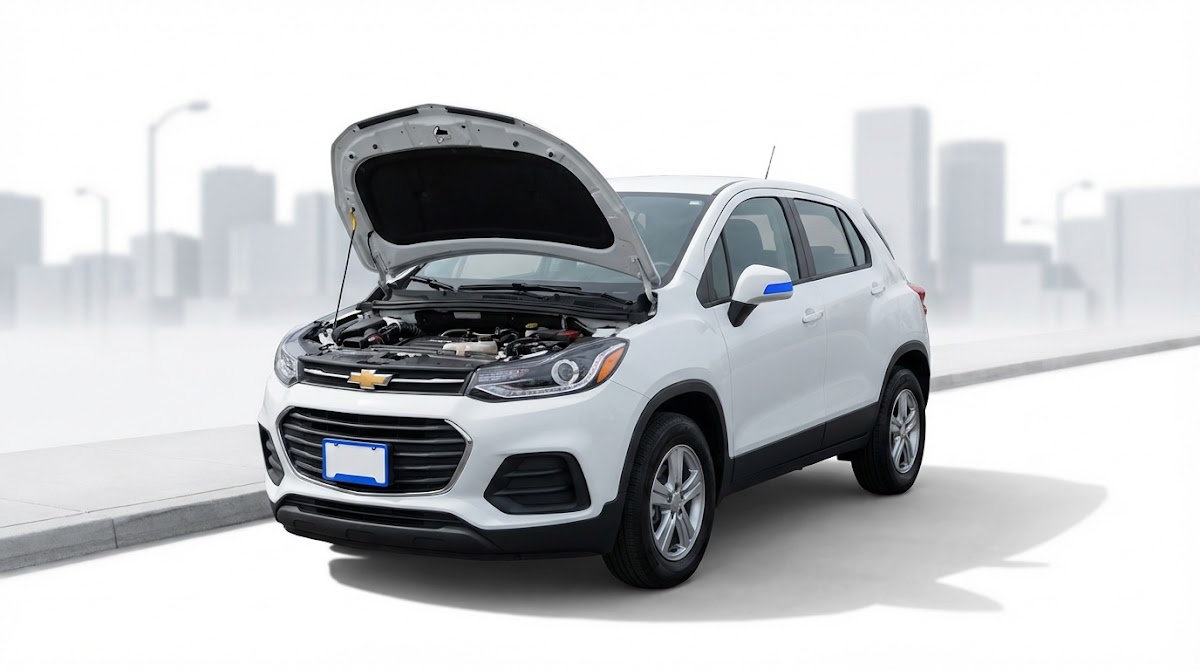
The Chevrolet Trax is a subcompact crossover often chosen for city driving, short commutes, and buyers who need a compact cargo footprint with SUV styling. First time buyers, small families, and shoppers looking for an economical second car are common profiles for the Trax.
Because the Trax fills an entry level crossover niche, powertrain and electrical simplicity were tradeoffs in some years. Check model year and trim before deciding, since problem patterns can vary across production runs and updates. For a year specific view of reported issues, NHTSA complaint pages are a primary place to start NHTSA vehicle listings.
Professional buying guides and owner reviews also note differences by model year and trim, especially where powertrain tuning or infotainment hardware changed; consult sources like Kelley Blue Book for model overviews when comparing trims Kelley Blue Book overview.
Run a vehicle history report for the model year you are researching
Before you inspect a listing, check a verified vehicle history report for the exact model year to confirm title and service history.
At a glance: the most commonly reported problems for the Trax
Summary of top issue categories
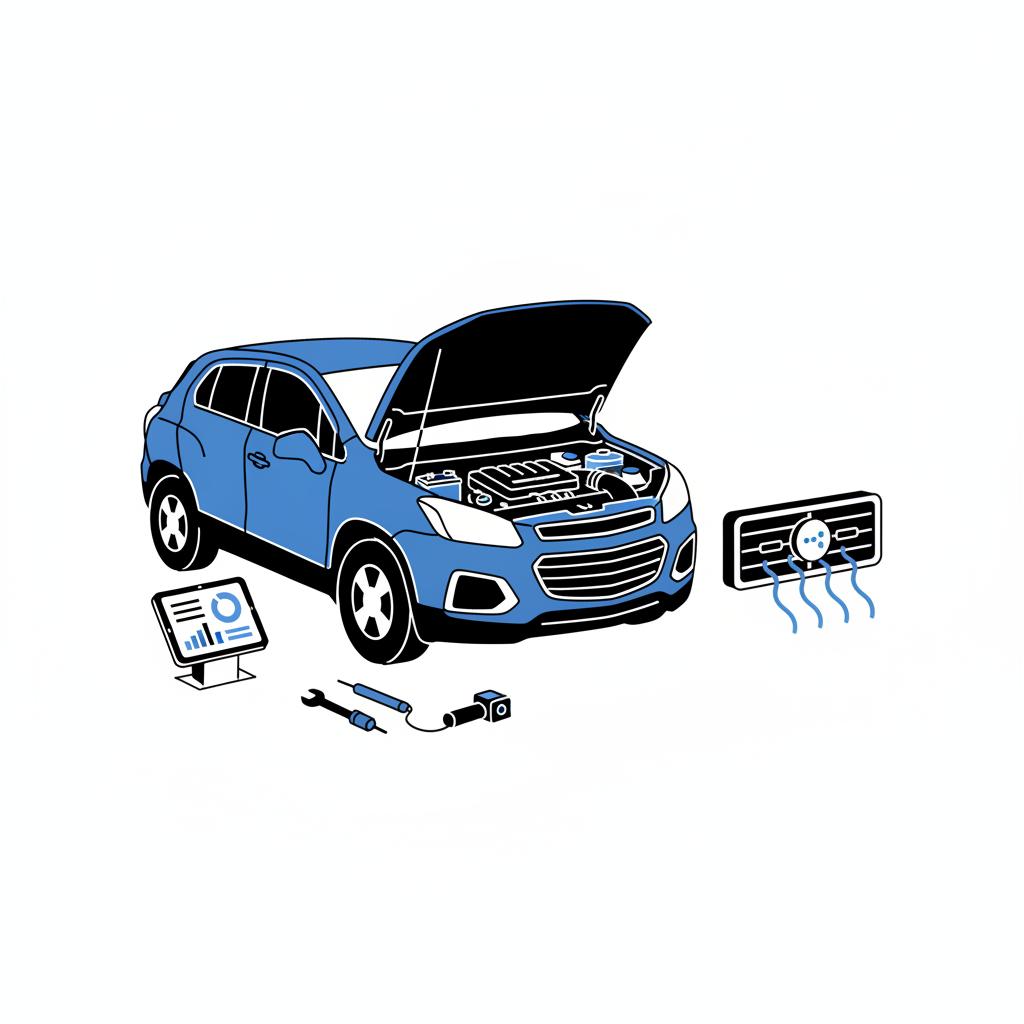
Across public complaint aggregators and owner reports, three buckets appear most often: powertrain concerns that include engine and transmission symptoms, HVAC and other electrical faults, and infotainment or instrument cluster issues. These categories reflect recurring themes rather than a single defect across all years RepairPal problem summary.
How safety databases and owner reports align
NHTSA complaint listings and owner complaint sites show alignment on reported drivetrain symptoms and on electrical or HVAC irregularities, although frequency and severity differ by model year. Use NHTSA data to confirm whether complaints for a specific year match issues you see in listings NHTSA vehicle listings.
Powertrain problems: engine and transmission issues explained
Owner reports commonly describe hesitation on acceleration, rough or delayed shifting, and in some cases stalling or unexpected torque loss. These symptoms are the most frequently reported powertrain items in aggregated complaint records, and they are worth prioritizing on test drives and in service histories CarComplaints problem history. See related owner coverage on Autos Yahoo here.
Transmission and engine symptoms often present intermittently, which makes them harder to diagnose on a short test drive. If a listing notes recent transmission or engine work, check whether the service entry describes a complete fix or a temporary repair, and whether similar entries recur over time RepairPal problem summary.
Owners and reliability sites report that drivetrain repairs tend to be more expensive and more variable than routine maintenance. The variability depends on model year, mileage, and whether the issue was addressed early or allowed to recur, so factor potential powertrain attention into your total cost to own estimate RepairPal problem summary.
On a listing, repeated service entries for engine or transmission components, or a gap in service history before a major repair, can indicate deferred maintenance. In many owner accounts, a single corrective visit is followed by additional work when root causes were not resolved, so look for documented follow up entries in the service history CarComplaints problem history.
Quick research steps to confirm powertrain complaints
Use this checklist before a test drive
HVAC and electrical faults: A common source of recurring visits
Typical HVAC and electrical symptoms
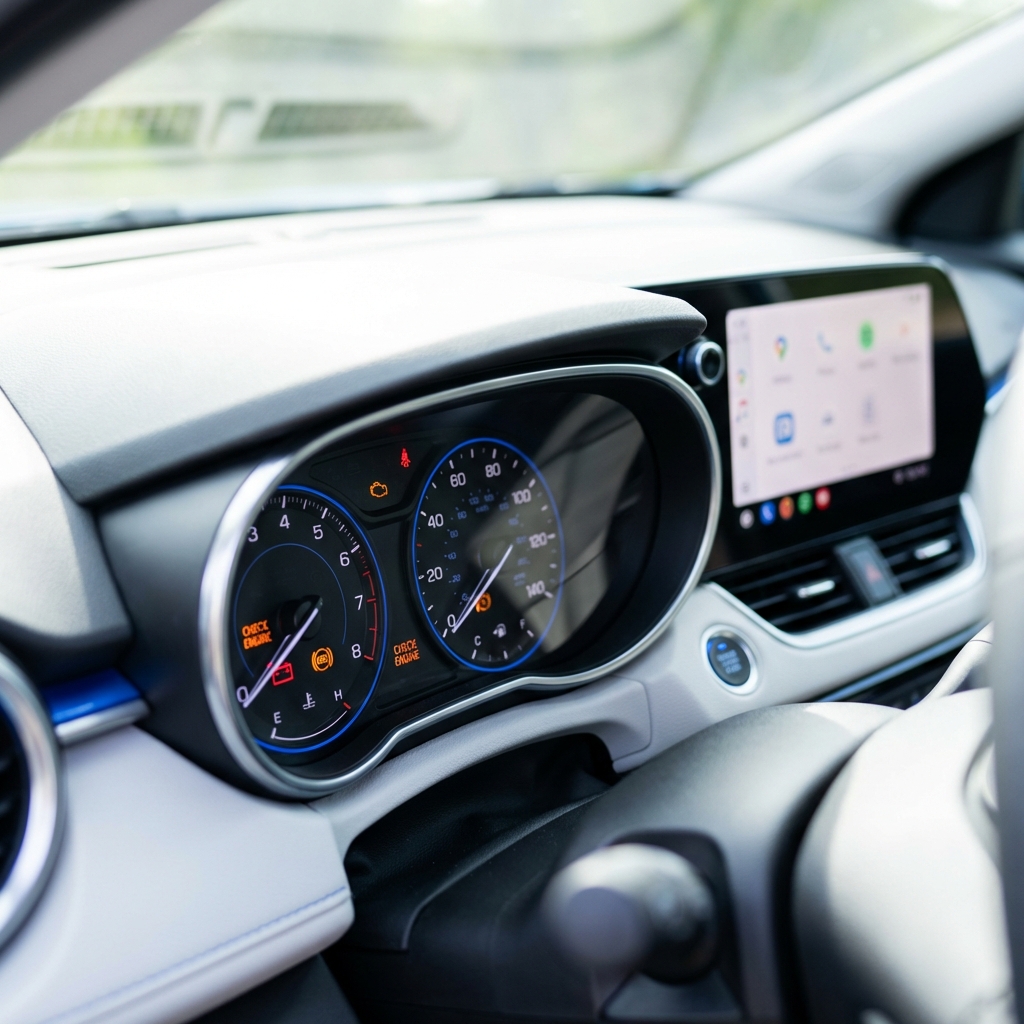
Common owner complaints include intermittent or reduced A C cooling after previous repairs, loss of HVAC function, and warning lights tied to instrument cluster or electrical faults. These issues are reported across several model years and can be repetitive when the root cause is not addressed CarComplaints problem history.
Electrical problems may show as sporadic instrument illumination or as components that work inconsistently. Because electrical faults can be caused by individual parts, connectors, or prior incomplete repairs, service records are important to spot patterns of recurring fixes RepairPal problem summary.
Incomplete repairs, aftermarket part substitutions, or intermittent connector faults can lead to recurrent HVAC or electrical symptoms. When owners report multiple visits for the same subsystem, that pattern can suggest an unresolved root cause rather than a one time failure CarComplaints problem history.
On a listing, look for recent documented HVAC work that includes parts replaced and diagnostic notes. If service entries are vague, follow up with the seller to request detailed invoices or to arrange a mechanic inspection before committing RepairPal problem summary.
Infotainment and instrument-cluster issues: what to expect
Common symptoms and driver impacts
Infotainment and dash cluster complaints often include frozen screens, intermittent audio or Bluetooth failures, erratic gauges, and warning-light illumination tied to cluster faults. These problems affect usability and driver confidence even when they are not directly safety critical RepairPal problem summary.
Minor infotainment glitches can be tolerable for some buyers, but repeated cluster warning lights may point to wider electrical issues that deserve deeper inspection. Pay attention to whether warning lights reset cleanly or return shortly after a drive CarComplaints problem history.
When infotainment faults are minor vs. indicative of wider electrical problems
If the issue is limited to a frozen screen or an occasional Bluetooth dropout and no other electrical anomalies are present, that may be a lower risk repair. However, if infotainment faults coincide with erratic gauges or unexplained warning lights, treat that as a potential indicator of broader electrical instability and investigate service records RepairPal problem summary.
Ask the seller for a demonstration of the system during startup and while driving if possible. If displays or gauges behave erratically under normal operation, schedule a pre purchase inspection with a mechanic who will check for stored codes and wiring issues CarComplaints problem history.
How to use NHTSA data and complaint sites when researching a Trax
What NHTSA complaint listings show and do not show
NHTSA records submitted complaints from owners and are a primary public source for reported safety or defect concerns. The listings show complaint descriptions and affected model years, but they do not replace a vehicle level history report or a professional inspection NHTSA vehicle listings. You can also check recall summaries on Cars.com Cars.com recalls.
How to cross-check complaints with owner forums and repair sites
Use owner complaint sites and repair databases to add context about repair patterns and likely costs, since NHTSA entries typically describe symptoms rather than repair outcomes. Cross checking multiple sources can reveal whether a reported symptom commonly led to repeated work or to a one time fix RepairPal problem summary.
What to look for in a vehicle history report and service records
Key fields: title status, ownership history, service entries
When you pull a vehicle history report, prioritize clean title status, ownership history, and clear service entries that show regular maintenance. Confirm whether major components like engine or transmission have documented repairs and whether those entries show follow up or recurrence Kelley Blue Book overview.
The most common issues reported for the Trax involve powertrain performance, particularly engine hesitation and transmission shifting problems; HVAC and electrical faults and infotainment or instrument cluster complaints are also frequently reported.
How to spot repaired vs. unresolved issues
Repeated entries for the same component, vague service notes, or multiple short visits for the same symptom can indicate an unresolved issue. Look for detailed invoices that list diagnostic codes, parts replaced, and whether the work was completed under warranty or as a permanent repair RepairPal problem summary.
Use a verified vehicle history report to confirm title events and ownership records before contacting the dealer. A history report paired with documented maintenance helps you weigh the listing against comparable local market prices and potential repair exposure Kelley Blue Book overview.
Typical repair costs and what owners report about fix experiences
Why drivetrain repairs tend to be pricier
Drivetrain repairs are often pricier because they can require labor intensive disassembly and specialized parts, and because partial repairs sometimes fail to address the underlying cause. Owner reports and repair sites note that costs vary significantly by year and mileage, so frame expectations as relative rather than absolute RepairPal problem summary.
Examples of HVAC and electrical repair patterns
Owners commonly report multiple service visits for recurring HVAC cooling loss or for instrument cluster warnings that return after an initial repair. These patterns suggest checking for root cause diagnostics rather than accepting a single line item in service history as conclusive CarComplaints problem history.
When estimating total cost to own, include the possibility of follow up repairs for recurring electrical or HVAC symptoms, and prioritize vehicles with well documented service history to reduce uncertainty RepairPal problem summary.
A decision framework: prioritize listings using risk and value criteria
Scoring priorities for inspection and contact
Use a simple priority scoring system to sort listings: first, clean title and single owner; second, documented maintenance and no repeated drivetrain entries; third, favorable price analysis labels and transparent dealer notes. Prioritize listings with stronger documentation for inspection first Kelley Blue Book overview.
When to walk away vs. pursue a listing
Consider walking away if you see title branding, inconsistent mileage history, or multiple unresolved drivetrain or electrical entries. If the listing has a clean title, single owner, and clear service history but lists prior repairs that were comprehensive and documented, it may still be worth pursuing with a pre purchase inspection RepairPal problem summary.
Common buying mistakes and red flags to avoid
Mistakes in interpreting service records
A frequent mistake is assuming a single recent repair fully resolved a recurring issue when invoices lack diagnostic detail. Vague notes such as brake service without specifics or brief comments about electrical work can mask ongoing problems CarComplaints problem history.
Red flags include title branding, gaps in service history, inconsistent mileage, and numerous unrelated electrical repairs. On a test drive, hesitations, unusual shifting behavior, persistent warning lights, or A C that stops cooling are immediate reasons to pause and investigate further NHTSA vehicle listings.
If you find a red flag, request full service invoices, confirm the exact model year and trim, and consider a mechanic inspection before making an offer Kelley Blue Book overview.
Practical scenarios: three buyer examples and recommended actions
First-time buyer on a budget
A first time buyer prioritizing low upfront cost should seek a Trax with a clean title, clear maintenance records, and no recent drivetrain repairs. If a listing shows prior transmission or engine work without follow up entries, treat that as a negotiation point or a pass RepairPal problem summary.
Family buyer focused on reliability
A family buyer should prioritize single owner vehicles with documented regular service and minimal electrical complaints. Avoid cars with recurring HVAC or instrument cluster warnings since those can affect daily usability and may result in repeated shop visits CarComplaints problem history.
Research-first buyer comparing multiple listings
A research oriented buyer comparing listings should use NHTSA complaint pages to check year specific reports, cross check owner complaint aggregators for symptom patterns, and use a vehicle history report to screen titles and service history before shortlisting vehicles for inspection NHTSA vehicle listings.
Pre-purchase and test-drive checklist for a Trax
Quick walkaround checklist
Walk around the car to check for visible damage, fluid leaks, uneven tire wear, and evidence of body repairs. Confirm the listed mileage matches the odometer and that title status is clear on a vehicle history report Kelley Blue Book overview.
Test-drive and inspection checklist items
During the test drive, observe acceleration for hesitation, listen for transmission clunks or slips during shifts, test A C performance, and watch gauges for erratic behavior or warning lights. If any symptom appears, document the conditions and arrange a mechanic inspection NHTSA vehicle listings.
Record any anomalies and compare them to the vehicle history report before contacting the seller. Use a VIN lookup and complaint database checks to see whether reported symptoms match common complaints for that model year RepairPal problem summary.
Wrapping up: next steps and where to check for year-specific updates
Recap of the most important checks
Top risk areas for the Trax are powertrain performance, HVAC and electrical faults, and infotainment or instrument cluster anomalies. Prioritize clean title, documented maintenance, and clear service records when shortlisting vehicles Kelley Blue Book overview.
Where to find the latest complaints, recalls, and reliability notes
Check NHTSA complaint listings and recall pages for year specific items, consult owner complaint aggregators for repair pattern context, and use a verified vehicle history report to confirm title and service entries before you arrange an inspection NHTSA vehicle listings. Also see the Kelley Blue Book recall listing here.
The most commonly reported issues cluster around powertrain symptoms such as hesitation and shifting problems, followed by HVAC and electrical faults and infotainment or instrument cluster complaints.
Not automatically, but you should review detailed service records to confirm the repair was comprehensive and check for repeat entries; consider a mechanic inspection if records are vague.
Check the NHTSA complaint and recall pages for year specific information, and cross check owner complaint aggregators and reliability sites for repair pattern context.
If you are actively comparing Trax listings, combine year specific complaint checks with a verified vehicle history report and a focused test drive. Prioritizing clean title, single owner records, and clear maintenance entries helps reduce exposure to recurring issues.
When in doubt, request detailed invoices and a pre purchase inspection to confirm that prior work addressed the root cause.

 Blog
Blog