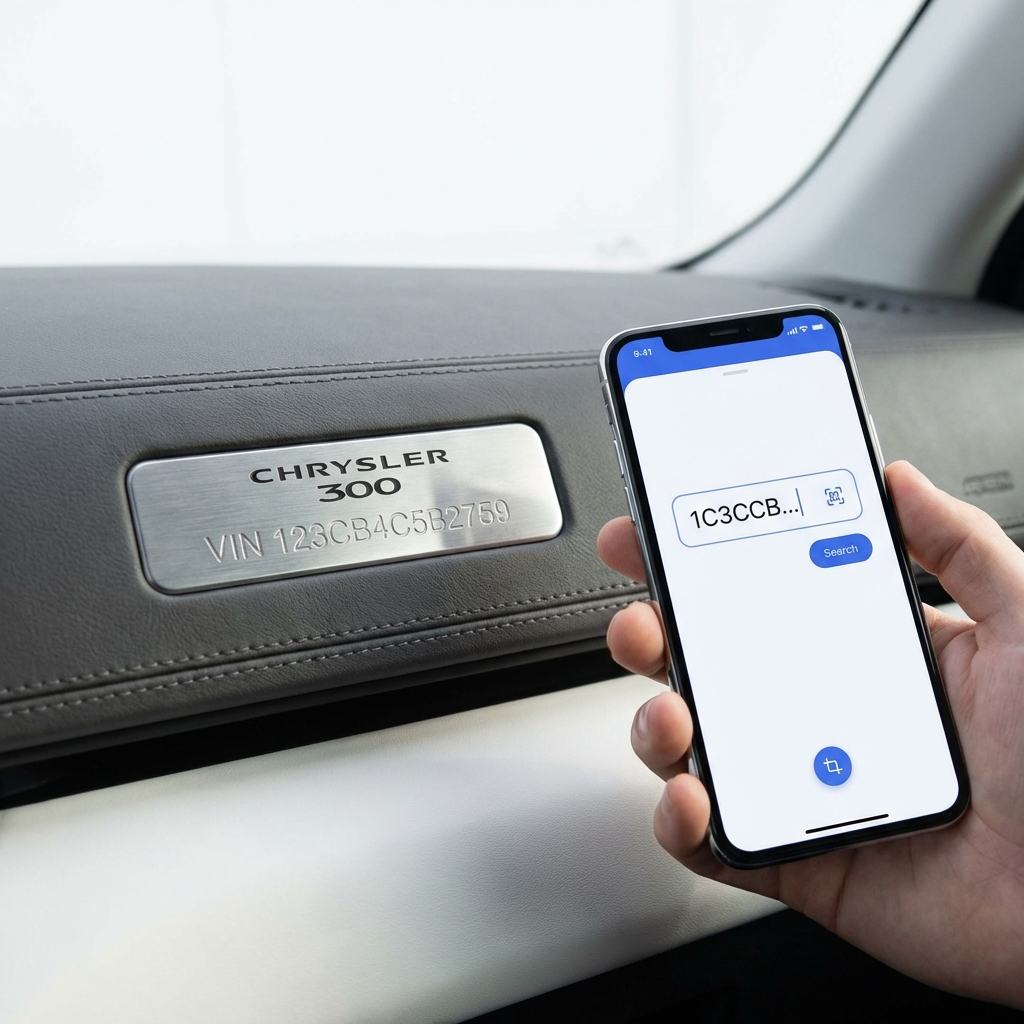
If you are looking at a chrysler 300 for sale, mid‑2010s second generation examples often balance improved real‑world reliability and used pricing. The 2015–2018 model years are commonly recommended as reasonable starting points, but no year is problem free and VIN‑level checks plus a focused pre‑purchase inspection remain essential. Consider powertrain choice, service history, and title status when comparing listings.
A step-by-step workflow for estimating a truck's market value that centers on comparing consumer valuation tools, adjusting for mileage and condition, and checking wholesale market signals. The guide explains private-party, trade-in and dealer retail values and shows how a vehicle history report and pricing insights can change an asking price.
This guide helps research oriented buyers evaluate suv used cars for sale under $25,000 by combining safety ratings, reliability data, local pricing context, and vehicle history checks. It outlines a simple framework, a pre visit checklist, and a decision scoring worksheet so you can compare finalists before contacting a dealer. Use the steps here to narrow candidates and confirm risk signals with a vehicle history report and a pre purchase inspection.
When searching suv used cars for sale, prioritize model year, trim and powertrain before choosing a make or model. This guide explains how safety ratings, dependability studies and local pricing insights combine to produce a short list you can verify with a vehicle history report. It also provides a stepwise checklist you can use before contacting a dealer.
If you are considering a Chrysler 300, knowing which model years tend to be more reliable can reduce risk and save time. This guide focuses on how to combine VIN checks, market pricing context and a focused pre purchase inspection to evaluate specific listings.
The mid 2010s second generation examples, particularly 2015 to 2018, often appear as reasonable starting points for many buyers, but no year is guaranteed problem free. The article explains data sources, common problems and an actionable screening process to help you decide which chrysler 300 for sale is worth pursuing.
2015-2018 Chrysler 300 years often balance improved reliability trends and accessible used pricing.
Automatic transmission faults and electrical issues are the most frequent problem clusters to check.
Always run a VIN vehicle history report and schedule a focused PPI before contacting a dealer.
Quick answer: which Chrysler 300 years tend to be most reliable?
If you are looking at a chrysler 300 for sale, the mid 2010s second generation examples, especially 2015 to 2018, often strike a practical balance between improved reliability trends and accessible used pricing, subject to VIN checks and inspection findings Edmunds model history.
That balance reflects editorial and market guidance rather than a guarantee for any single car. Powertrain choice and documented maintenance often matter more for a specific vehicle than calendar year alone.
Overall, 2015-2018 model years tend to show fewer average failures in aggregated sources while still being priced within reach for many buyers. Use a vehicle history report and pricing insights to prioritize candidates before spending time at the dealer.
What this article covers
This article explains how experts and datasets measure reliability, common failure patterns to watch for, what to confirm on a VIN report, and a stepwise framework to evaluate any listing. It also gives a focused pre-purchase inspection checklist and sample decision scenarios.
How experts and data measure Chrysler 300 reliability
Primary data sources to check
Reliability conclusions come from multiple sources: federal complaint and recall records, owner complaint aggregators, repair cost summaries, and editorial market analyses. NHTSA complaint records and recalls give a safety and defect history that is VIN relevant and publicly searchable NHTSA vehicle complaints.
Owner reported databases and repair aggregators collect symptom descriptions and failure frequencies from owners and repair shops, which helps show which systems produce the most reports over time. Use those datasets to focus inspections rather than to predict a single car's future needs.
How to interpret complaint and reliability summaries
Complaint counts do not equal failure rates for every vehicle. A model year with concentrated complaints points to areas to check on a VIN report and in a PPI. Aggregators such as RepairPal and complaint collections show which systems appear most often in owner reports and can guide targeted checks RepairPal reliability summary.
Editorial sources and pricing guides like Consumer Reports, Edmunds and KBB summarize reliability trends and market value, which helps balance reliability expectations against typical used prices KBB overview.
Most common problems to watch for
Owner reported and aggregated datasets identify automatic transmission faults, such as erratic shifting or failure to engage, and electrical issues as the top mechanical clusters to prioritize when evaluating a Chrysler 300 CarComplaints summary.
Electrical complaints can include instrument cluster faults, accessory failures, or intermittent starting issues. These symptoms often show up in owner descriptions before a shop diagnosis confirms root cause.
Use VIN lookup and vehicle history reports to confirm reported transmission or electrical complaint history
Use report entries to match reported symptoms
On a short check you can often confirm whether transmission or electrical issues appear in the vehicle history or in owner complaint logs. If those items appear, plan a deeper PPI that emphasizes those systems.
Transmission issues: signs and severity
Transmission faults often show as delayed engagement, harsh or erratic shifts, slipping, or warning lights. These symptoms can be transient early on and may worsen with time, so documented service for transmission fluid changes, software updates, or repairs reduces uncertainty RepairPal transmission notes.
If the listing or VIN report mentions prior transmission repairs, request details: what parts were replaced, where the work was done, and whether there are service receipts. A well documented repair history tends to be a positive signal.
Electrical complaints: symptoms to test
Test for inconsistent gauges, flickering interior lights, failing accessories and reliable engine starts. Note any aftermarket electronics that may affect electrical stability and ask the seller about previous electrical diagnostics.
When multiple electrical symptoms appear together, technicians often trace them to grounding, module faults, or wiring issues, which can be variable in cost to repair depending on root cause.
What to look for on a short test drive
During a test drive, note shift quality under light and heavy throttle, whether the transmission slips or hunts for gears, and if any warning lights appear. Check electrical items like windows, infotainment, lighting and HVAC controls for consistent function.
Document everything you notice and ask for time to run a VIN report and schedule a PPI if the vehicle shows transmission or electrical signs that matter to your priorities.
Why a VIN-level check and NHTSA lookup reduce buying risk
What NHTSA complaint and recall records show
NHTSA complaint and recall records often concentrate in older model years, so a VIN lookup helps you see whether a specific car was subject to recalls or owner complaints and whether repairs were recorded. Use the NHTSA lookup before deeper interest to flag possible issues NHTSA vehicle complaints.
A recall does not necessarily devalue a car if it was remedied, but an unrepaired recall or a pattern of serious complaints should be a red flag and a negotiation point.
How to read a VIN-level vehicle history report
Important fields to review on a vehicle history report include title status, accident history, ownership history, mileage checks, and service history. These items directly affect expected maintenance and resale risk and are essential for underwriting a used purchase decision Consumer Reports reliability.
If the report shows inconsistent mileage entries, a salvage or rebuilt title, or repeated claim events, treat those as priorities for further investigation or as reasons to walk away depending on severity.
Which model years are reasonable candidates: a generational overview
First generation versus second generation trends
The Chrysler 300 has multiple generations with different engineering details. Aggregated repairs and owner reports show that earlier examples and some older model years report higher volumes of complaints, especially around transmission and electrical systems.
Later second generation years after the 2014 refresh tend to report fewer average failures in aggregated data, which helps explain why many buyers narrow their search to mid 2010s examples RepairPal model notes.
For many buyers the 2015 to 2018 model years tend to offer a reasonable balance of improved reliability trends and used pricing, but reliability for a specific car depends on powertrain choice, service history, title status and a focused pre purchase inspection.
Why mid-2010s refresh matters
The 2014 refresh and subsequent model years included updates that reduced some common failure points and aligned the model with contemporary powertrain and electronics packages. That pattern is visible in market guidance and reliability summaries, and supports prioritizing 2015-2018 as reasonable candidates for many buyers Edmunds model history.
Remember that model year improvements reduce aggregate risk but do not eliminate per-vehicle variables such as maintenance, region and prior damage.
How powertrain and transmission choices affect real-world reliability
V6 Pentastar versus Hemi V8: trade-offs
Powertrain choice is a major factor in ownership cost and likely service needs. The V6 Pentastar tends to offer better fuel economy and lower routine costs, while the Hemi V8 provides more power but can carry higher fuel and maintenance costs depending on use and servicing.
When comparing listings, check whether the car has documented engine service and whether the seller provides specific records for tuneups, oil changes and any major engine work.
Get a vehicle history report and a focused inspection
If transmission or electrical items appear in the VIN report, consider running a vehicle history report and scheduling a focused pre purchase inspection that prioritizes those systems before you contact the dealer.
The automatic transmission variants used across model years have different service histories and complaint patterns. During your test drive, evaluate shift smoothness, delays on acceleration and whether the transmission holds gear under load. If the VIN report or owner notes list transmission repairs, ask for the repair receipts and details.
Also confirm that the oil and filter change history matches manufacturer intervals where possible, since consistent maintenance tends to reduce long term transmission risk RepairPal service guidance.
A practical framework to evaluate any Chrysler 300 listing
Must-have listing information for chrysler 300 for sale
Require a VIN before you do more. A VIN report should show title status, accident history and ownership records. If the listing lacks a VIN, deprioritize it until the seller provides one.
Also ask for a price analysis label or pricing insights to see how the listing compares to local market context by model year, trim, powertrain and mileage KBB pricing guidance.
How to triage listings quickly
Quick triage steps: confirm VIN availability, scan the vehicle history report for title or accident flags, note transmission or electrical mentions, and compare price analysis labels across similar listings. Use those results to create a short list for PPI scheduling.
Deal breakers include salvage title entries, inconsistent mileage history, or repeated claims for major failures that lack documented repairs. These items usually justify walking away or demanding a thorough PPI and a large price concession.
What to focus on in a pre-purchase inspection
Transmission function and leaks
Ask the technician to test the transmission at idle and on a road test, checking for rough shifts, delayed engagement and fluid condition. Have the shop inspect for external leaks and verify whether any prior transmission work appears complete.
Documented fluid service and a history of prompt repairs are reassuring signs, while repeated unresolved complaints in the VIN report are grounds for caution RepairPal transmission notes.
Electrical system and accessory checks
Request a battery and charging system test, full check of the instrument cluster and accessories, and a short scan for stored codes. Intermittent electrical faults can be time consuming to diagnose, so a targeted technician check helps you estimate likely cost and risk.
If technicians find historical codes for modules or records of module replacement, ask for receipts and the scope of the repair to understand whether the issue was resolved permanently.
Suspension, oil leaks and visual inspection
Have the inspector check for suspension wear, chassis corrosion and engine oil leaks. Suspension problems can be costly on higher mileage cars, and oil leaks affect long term maintenance costs and reliability perceptions.
Remember that a PPI is a snapshot; it reduces uncertainty but does not predict all future repairs. Combine its findings with a vehicle history report before deciding.
Reading pricing insights and deciding what counts as a fair deal
Price analysis labels explained
Price analysis labels such as Great Deal, Good Deal or Fair Deal are shorthand tools that compare a listing against local market data for that model year, trim and mileage. Use the label as a starting point, then confirm what drives the label: condition, mileage, history or missing records Edmunds pricing context.
A Good Deal for a car with a solid VIN report and recent PPI may be preferable to a cheaper listing that lacks records and shows complaint history for transmission or electrical issues.
How to compare apples to apples in your market
When comparing listings, hold model year, trim, powertrain and mileage constant. Compare service history and title status, and adjust price comparisons for confirmed repairs or unresolved issues. Local market context affects fair value, so check multiple listings in your area rather than relying on a single listing price.
If a listing’s lower price reflects a known repair need with documented scope and cost, use that information to negotiate. If the lower price stems from incomplete records or unclear service entries, prefer verified candidates.
Title, ownership history, mileage and service records: interpreting what matters
Title status and salvage history
Title status is a primary risk filter. A clean title and single owner history are positive signals but not guarantees of condition. Salvage, rebuilt or branded titles often indicate prior damage that affects value and risk.
Always confirm how a branded title was resolved and whether repairs were professionally documented. A repaired salvage car may be acceptable in some contexts, but fully documented repairs and a clear inspection are essential.
Service records and single-owner signals
Consistent service records and single owner history reduce uncertainty about maintenance. Look for oil change intervals, transmission services and receipts that line up with mileage checks on the VIN report.
If records are incomplete, ask targeted questions and use the PPI to check items that would otherwise be verified by service receipts, such as fluid condition and recent repairs Consumer Reports guidance.
Common buyer mistakes and red flags to avoid
Typical mistakes include skipping a VIN check, ignoring transmission symptoms on a test drive, and accepting a listing without service records. Each of these errors increases the chance of buying a higher risk vehicle, especially given the common failure clusters for this model CarComplaints summary.
Avoiding these mistakes is procedural: run a VIN report, demand service records, and schedule a targeted PPI focused on transmission and electrical systems.
Example scenarios: choosing between two chrysler 300 for sale listings
Scenario A: lower price, incomplete history
Listing A is cheaper but lacks a VIN in the ad and provides no service receipts. The vehicle history report, once requested, shows inconsistent mileage entries and a note of past transmission work without clear receipts. For most buyers this increases uncertainty and usually demands a cautious approach or walking away.
Without records, a low price often compensates for risk; the buyer must decide whether they have the budget and tolerance to absorb potential repairs uncovered by a PPI.
Scenario B: higher price, complete records and PPI
Listing B costs more but includes a VIN, a clean title, single owner history, and service records showing regular maintenance and a PPI that reports no transmission faults and only minor suspension wear. That documented transparency tends to reduce negotiation friction and supports proceeding to dealer contact.
When comparing these two, many buyers find the documented 2015-2018 candidate with good records a safer choice than the cheaper but undocumented older model Edmunds model history.
Step-by-step decision flow before contacting the dealer
Run VIN and read the vehicle history report
1. Get the VIN from the listing. 2. Run a vehicle history report and check title status, ownership history and mileage consistency. 3. Look for past damage, odometer problems, and service history entries.
If you find major flags, ask the seller for repair receipts and details before scheduling a PPI.
Schedule a PPI and compare pricing
4. If the VIN report is acceptable, schedule a focused PPI that prioritizes transmission and electrical checks. 5. Compare the PPI findings to pricing insights to determine whether to make an offer, request repairs or walk away.
Keep records of your reports and questions to use in negotiation or to justify passing on a listing.
Final recommendations and next steps
Start your search by prioritizing 2015-2018 model years as reasonable candidates, but treat that range as a starting filter rather than a guarantee. Run VIN checks, review vehicle history reports, and schedule a focused PPI for any car that passes an initial triage KBB overview.
Prioritize transmission and electrical inspections, confirm service history, and use pricing insights to decide whether a given chrysler 300 for sale matches your reliability and budget goals. Combining those steps reduces purchase uncertainty and helps you decide which listings merit dealer contact.
Owner reported datasets show transmission complaints are among the most common issues for the Chrysler 300, and earlier model years tend to have higher complaint volumes. A VIN report and PPI can identify whether a specific car shows those problems.
A vehicle history report is essential. It reveals title status, ownership history, mileage checks and reported incidents, all of which materially change expected risk and help prioritize inspections.
2015 to 2018 model years often show improved reliability trends and reasonable pricing, but safety and condition depend on the vehicle's VIN history, service records and a focused inspection.
Use the checklist and stepwise flow in this article to prioritize listings and document findings. When a VIN report, pricing insights and a targeted PPI line up, you will have clearer grounds to negotiate or to proceed with confidence.
If doubts remain after those steps, consider moving to the next well documented listing rather than accepting unclear history.

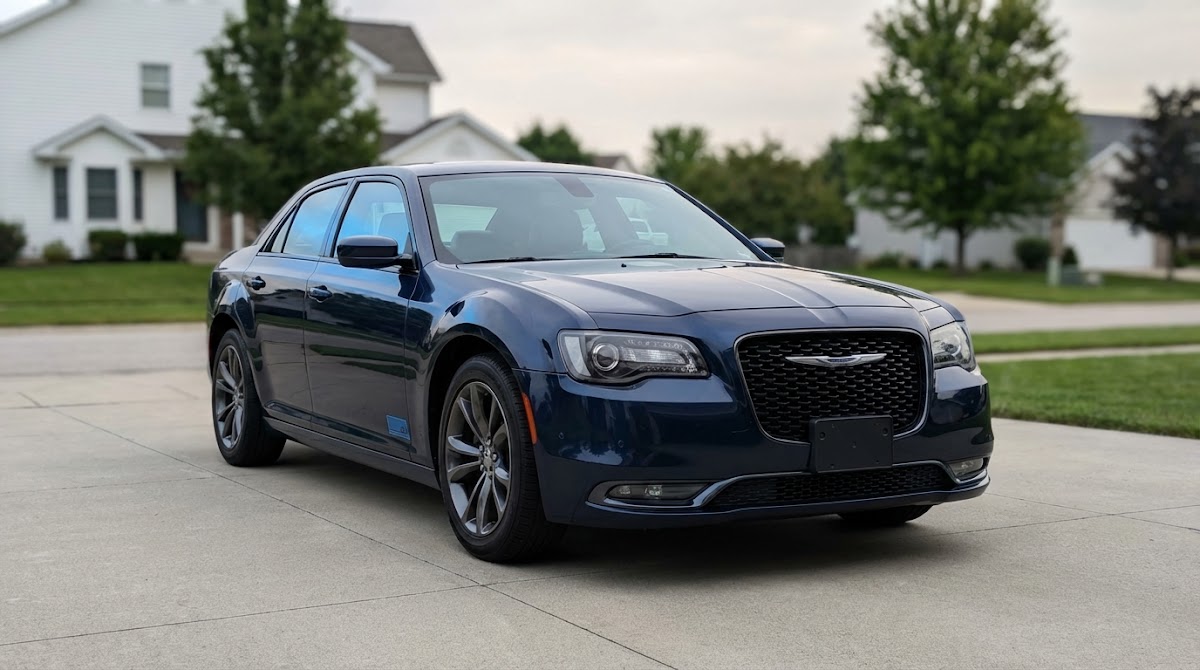
 Blog
Blog