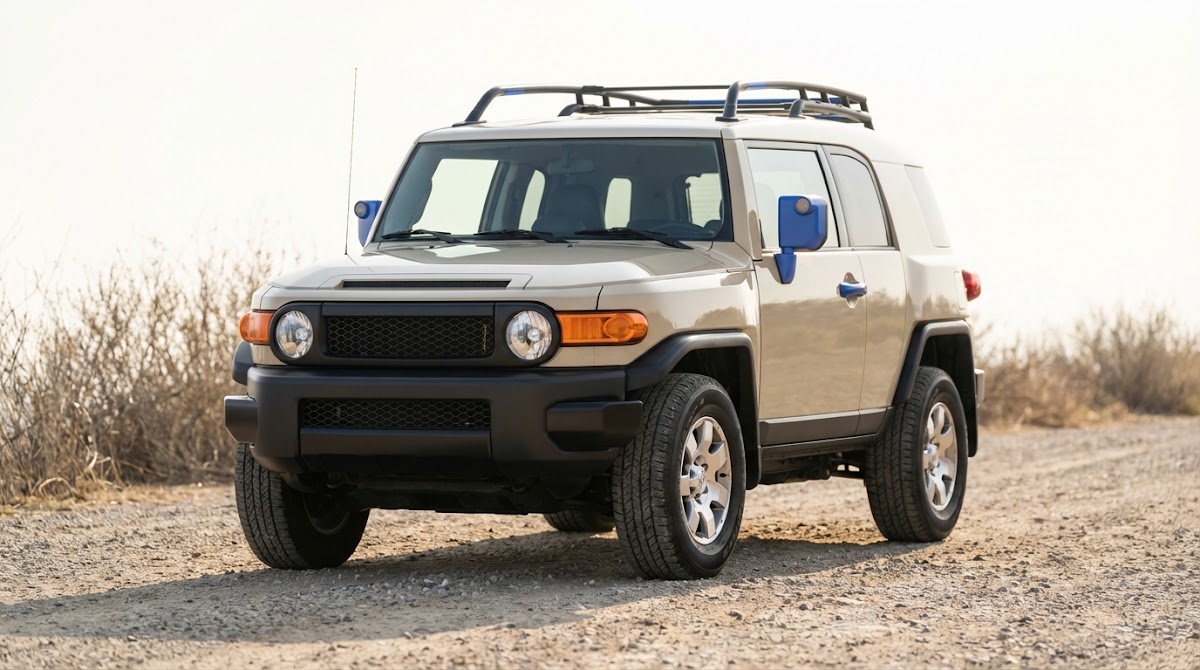
The Toyota FJ Cruiser is a compact to midsize SUV with a distinctive retro look and a focus on off-road capability. It was produced as a niche model and gained a loyal following among outdoor and retro-SUV buyers.
Because Toyota ended regular production in 2014, the pool of available vehicles is finite. That production end interacts with steady demand from enthusiasts and buyers who value preserved examples, which helps explain why prices remain elevated for certain condition bands.
This guide breaks down the supply and demand mechanics, explains what to verify when you spot a fj cruiser for sale, and offers a step-by-step checklist to help first-time and research-oriented buyers make a defensible choice.
Production ended in 2014, creating a fixed supply that underpins rarity-driven pricing.
Low-mileage, single-owner, no-accident examples typically command the largest premiums.
Broad aftermarket support helps keep many examples repairable, but some OEM parts remain scarce.
Quick overview: what an FJ Cruiser is and why buyers still pay premiums
The FJ Cruiser is Toyota's retro-styled, off-road-focused midsize SUV, introduced as a niche model and produced until Toyota ceased regular production in 2014, a factor that underpins its limited supply and long-term rarity Toyota media release.
Buyers often notice several common pricing drivers when they search for anfj cruiser for sale: a capped production run, active enthusiast demand, above-average value retention, and broad aftermarket support for common parts. This article unpacks those drivers and shows what to check in a listing.
Later sections explain how to use vehicle history reports and price analysis labels to compare listings and set realistic expectations.
Limited supply: how Toyota's production stop set a fixed pool of vehicles
Toyota ended regular FJ Cruiser production in 2014, which left the market with a finite pool of vehicles rather than an ongoing stream of new units; that production end is the foundational reason many examples are treated as rarer than continuously produced midsize SUVs Toyota media release.
A fixed supply means used prices can be more sensitive to persistent demand. If buyer interest remains steady, the same number of buyers compete for fewer available examples over time, and that competitive pressure tends to support higher-than-average resale values compared with models still in production.
Demand factors: enthusiast, collector and use-case pressure
Enthusiast and collector attention keeps demand elevated for certain FJ Cruisers, especially low-mileage, single-owner, no-accident examples and models with desirable factory options, which specialist coverage cites as a reason for sustained premiums Hagerty coverage.
Different buyer groups shape prices. Off-road users value ruggedness and aftermarket readiness, retro-SUV buyers value the styling and brand cachet, and collectors chase preserved examples. Listings that match those preferences often command premiums.
Run a report before you call the dealer
Before contacting a dealer, consider pulling a vehicle history report and checking local pricing context to verify mileage and title information.
When evaluating a listing, documented ownership history and visible, desirable factory options usually narrow the buyer pool but increase willingness to pay among those buyers who value those attributes.
Pricing benchmarks: how FJ Cruisers hold value versus comparable SUVs
Market analyses from recent years show FJ Cruisers retaining value better than many comparable midsize SUVs, meaning price benchmarks for age and mileage often sit above the midrange for similar vehicles iSeeCars research, and price trend trackers like CarGurus.
Interpreting these benchmarks means looking at price bands by condition: pristine, low-mileage examples sit in the top bands, while average condition vehicles cluster lower. Use national valuation guides as a starting point and then cross-check local listings to set a realistic target.
Condition, history and options: the single biggest price differentiators
Single-owner, low-mileage, no-accident reported listings and a documented service history are the signals most often associated with higher prices; specialist coverage and valuation guides highlight these attributes as primary premium drivers Kelley Blue Book market overview.
Factory options and trims that were rare or well regarded when new, like TRD packages or certain appearance groups, create market subsegments that attract buyers willing to pay more for those combinations.
Always verify claimed history with a vehicle history report and request service records when possible rather than relying on photos or short descriptions in the listing.
Parts, aftermarket support and maintenance economics
Aftermarket suppliers and catalog listings show broad availability for many common replacement and upgrade parts, which helps owners repair and restore older FJ Cruisers and supports ongoing value retention in the market RockAuto catalog.
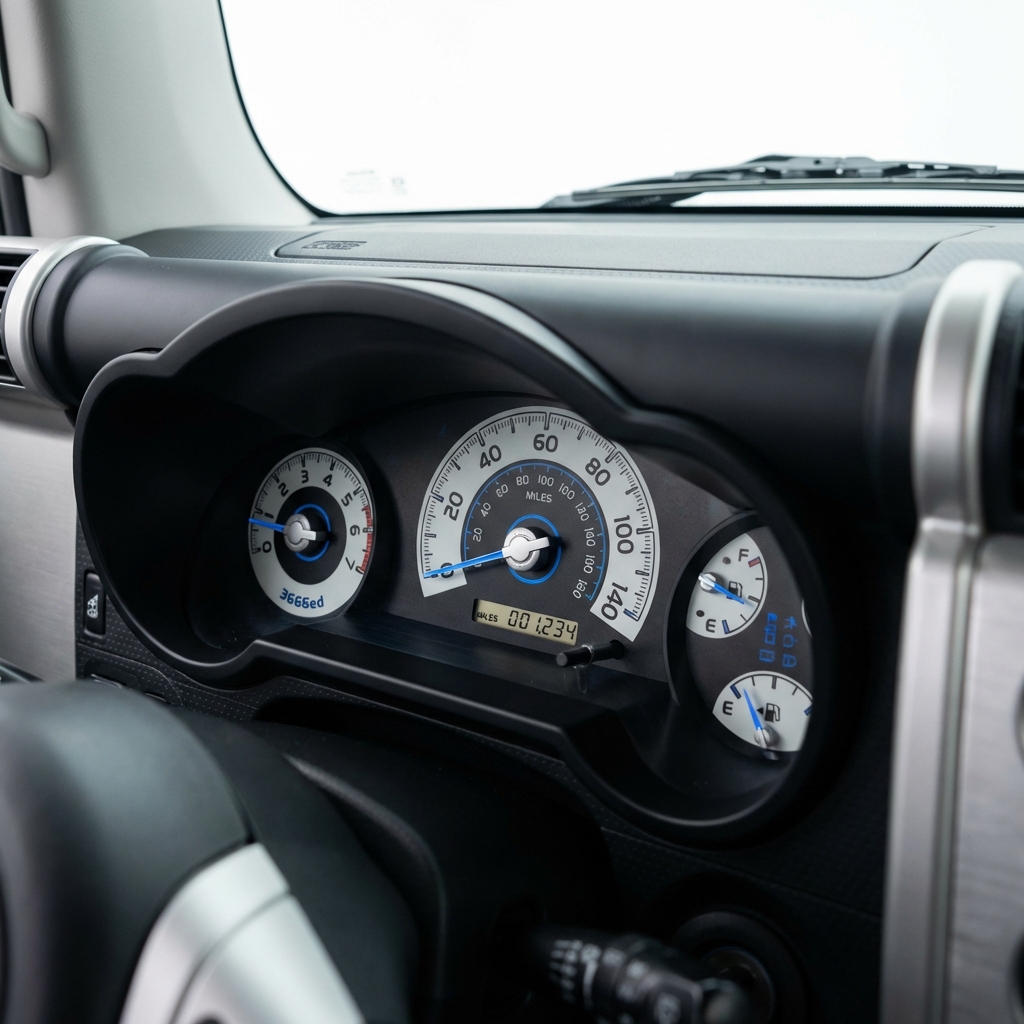
That said, some OEM or discontinued components can be harder or more expensive to source, and buyers should treat potential replacement-cost risk as part of the total cost to own. Expect some components to require longer search times or higher cost when compared with continuously produced models.
How modifications and popular upgrades change market value
Common modifications such as suspension lifts, larger tires, upgraded suspension components and roof racks create distinct market segments: certain buyers prefer trail-ready builds and will pay premiums for well-documented, high-quality upgrades, while other buyers prefer stock condition and may discount modified examples Hagerty coverage.
Poorly documented modifications or changes that affect safety or drivability tend to reduce the pool of interested buyers, especially among mainstream shoppers who value predictable ownership costs.
When a modification is cleanly documented and performed to professional standards, it can support a higher asking price, but buyers should verify receipts, parts provenance and who performed the work before assuming added value.
Step-by-step: evaluating a fj cruiser for sale listing
Start an evaluation by confirming the VIN in the listing, then pull a vehicle history report from our VIN report to check title status, ownership history and any reported incidents; trusted valuation services can provide national pricing context to compare against the asking price Kelley Blue Book market overview.
Next, cross-check the history report against photos and the seller's description. Verify the odometer consistency, note whether service records are available, and confirm the title status is clear. If the listing shows modifications, request documentation and the seller's receipts.
Use price analysis labels and national valuation ranges as benchmarks, then adjust for local market context and condition. If a vehicle sits above national benchmarks, ask what justifies the premium and confirm those factors in the history report or service records.
CarFax Deals can act as a decision-support layer by surfacing vehicle history context and price analysis labels that help you compare listings faster before contacting a dealer. See our how-to-use guide, but always confirm key details directly with the seller.
Decision criteria: what justifies paying a premium
Objective criteria that commonly justify premiums include verified low mileage, single-owner status confirmed in the ownership history, documented service history, desirable factory options, and intact OEM condition; valuation studies and expert commentary identify these as primary justifiers for higher prices iSeeCars research.
To decide if a premium is reasonable, combine national valuation benchmarks with local market comparisons. Factor in likely future maintenance costs and parts availability, since those can erode value over time, and adjust your target price accordingly.
Common buyer mistakes and how to avoid them
Frequent errors include relying only on photos, skipping VIN verification, assuming modifications are beneficial, and failing to confirm title status; maintenance and reliability guidance suggests these checks are important for older SUVs Edmunds model overview.
Low advertised mileage should always be verified via the vehicle history report and service stamps. Simple steps like asking for recent service receipts and arranging an independent inspection reduce the chance of overpaying or encountering unexpected costs.
Three practical scenarios: price expectations and buyer profiles
Scenario A: A low-mileage, one-owner, no-accident example typically attracts collectors or buyers seeking preserved examples. These vehicles often sit in the top valuation band and are purchased by buyers who prioritize condition and provenance iSeeCars research, see CarBuzz.
Scenario B: A lightly modified trail rig with documented upgrades appeals to off-road buyers who value capability. When modifications are well documented and professionally installed, these trucks can command higher offers from the right buyer pool.
Scenario C: A high-mileage daily driver with cosmetic wear usually suits budget buyers who plan to use the vehicle rather than preserve it; these examples are commonly priced lower and require careful inspection for mechanical wear and potential parts replacement.
Where to look and how to cross-check listings safely
Essential verification steps include running a vehicle history report, checking national valuation guides, and reviewing parts catalogs to estimate maintenance risk; use valuation services and parts listings to form a realistic idea of potential ownership costs Kelley Blue Book market overview.
Searching parts catalogs for common items and rare OEM components helps estimate repair feasibility. Broad aftermarket availability makes many repairs feasible, but rare OEM parts can increase cost and lead time, which should be reflected in your offer decision RockAuto catalog.
Buying tips and next steps for serious buyers
Pre-contact checklist: confirm the VIN using our VIN decoder and run a vehicle history report, request service records and photos of the underbody, verify title status, and set a realistic target price using local pricing benchmarks and price analysis labels iSeeCars research.
Arrange a professional inspection if the vehicle is older, has extensive modifications, or shows signs of off-road use. Prioritize suspension, tires, rust-prone areas and drivetrain condition in the inspection, and consider likely parts and maintenance costs before making an offer Edmunds model overview.
Factor aftermarket support into your decision. If common parts are readily available, that reduces long-term ownership risk; for rare OEM components, build potential replacement cost into your maximum offer.
Summary: why older FJ Cruisers remain expensive and how to buy wisely
In short, older FJ Cruisers often remain expensive because production ended in 2014, creating a capped supply, while sustained enthusiast demand and better-than-average value retention keep price benchmarks elevated; aftermarket support helps maintain many examples in service Toyota media release. Other coverage tracks shifting price trends HotCars.
When you find a fj cruiser for sale, verify the VIN, run a vehicle history report, compare national pricing insights to local listings, and factor likely maintenance costs into your offer. Use the checklist earlier in this article to make an evidence-based decision rather than relying on photos or hype.
Older FJ Cruisers can be rewarding to own if you match the right example to your needs. The keys are verification and realistic pricing: confirm the VIN, run a vehicle history report, compare pricing benchmarks, and budget for parts or potential repairs.
Use the checklist in this article when you review listings. An evidence-based approach reduces the chance of overpaying and helps you find an example that fits your use case and budget.

 Blog
Blog