How long will a Ford Maverick truck last? Practical guide for buyers
This article explains what buyers mean when they search for ford mavericks for sale and how to judge lifespan expectations. It covers typical mileage ranges for modern compact trucks, Ford maintenance guidance, recalls to watch, and step by step checks to evaluate a used listing.
This guide explains which tacoma trucks for sale show the strongest reliability and safety signals to watch out for, and why mid-2010s and many pre-2016 Tacomas appear most often in complaint and recall records. The article shows how to use vehicle history reports, recall checks, and a focused inspection to reduce risk when evaluating a used Tacoma.
This article helps buyers searching tacoma trucks for sale understand which Tacoma engine tends to be most reliable. It summarizes reliability ratings, owner-complaint clusters, and maintenance-cost differences between the 2.7L I4 and the 3.5L V6, and gives actionable checks to reduce engine-related risk.
Audi reliability varies significantly by model, model year and powertrain, so the most reliable Audi for one buyer is not the same for another. This guide shows research-oriented used car buyers how to compare models using industry dependability studies, owner-reported trends, and per-VIN vehicle history reports. It focuses on checklists, inspection priorities and scenario-based recommendations to reduce risk when shopping a used Audi.
This guide helps research-oriented buyers understand how long a Ford Maverick can last and how to judge lifespan when shopping used. It explains typical mileage benchmarks, Ford maintenance guidance, powertrain differences, recalls to watch, and practical checks to apply when comparing listings.
The focus is on realistic, evidence-based steps you can take before contacting a dealer, including how to use a vehicle history report and pricing insights to reduce uncertainty. The article does not promise outcomes but aims to help you make better informed comparisons among ford mavericks for sale.
Modern compact trucks often reach 150,000 to 200,000 plus miles when maintained to factory schedules.
Check VIN-specific NHTSA records and a vehicle history report before you commit to a purchase.
Documented service history and single-owner records usually reduce ownership uncertainty more than lower mileage alone.
What people mean when they search for ford mavericks for sale and lifespan expectations
When people search for ford mavericks for sale they often want to know two things: whether a specific listing will run reliably for years, and whether major components already need expensive repairs. Those concerns mix mileage, years of ownership, and component-level durability into a single question.
"How long" can mean total miles a vehicle can reach, typical years of ownership for average drivers, or the expected life of specific systems such as the hybrid battery or transmission. The Ford Maverick is a relatively new compact pickup, so long-term fleet data are not as abundant as for older models and should be interpreted cautiously, especially for high-mileage predictions Consumer Reports overview.
With routine, manufacturer-recommended maintenance, modern compact trucks like the Ford Maverick commonly reach about 150,000 to 200,000 plus miles, roughly 10 to 15 years for many drivers, but Maverick-specific long-term hybrid data remains limited so verify service and recalls by VIN.
Buyers looking at listings are usually comparing mileage, maintenance history, and asking price to decide which trucks to pursue. Checking a vehicle history report is an early step because it helps verify title status and past service claims. That verification changes how you read a listing and which questions you will ask the seller or dealer.
How long modern compact trucks typically last and what that implies for a Maverick
Modern compact trucks commonly reach about 150,000 to 200,000 plus miles when they receive routine, manufacturer-recommended maintenance, which for many owners translates to roughly 10 to 15 years of ownership under average driving patterns RepairPal reliability overview.
Those industry ranges provide a useful benchmark for the Maverick but remember the model's limited time on the road means there are fewer multi-hundred-thousand-mile examples to study. Use the benchmark as a planning tool rather than a certainty and prioritize documented service history when evaluating longer-life potential.
Ford maintenance schedules, warranties, and how following them extends Maverick life
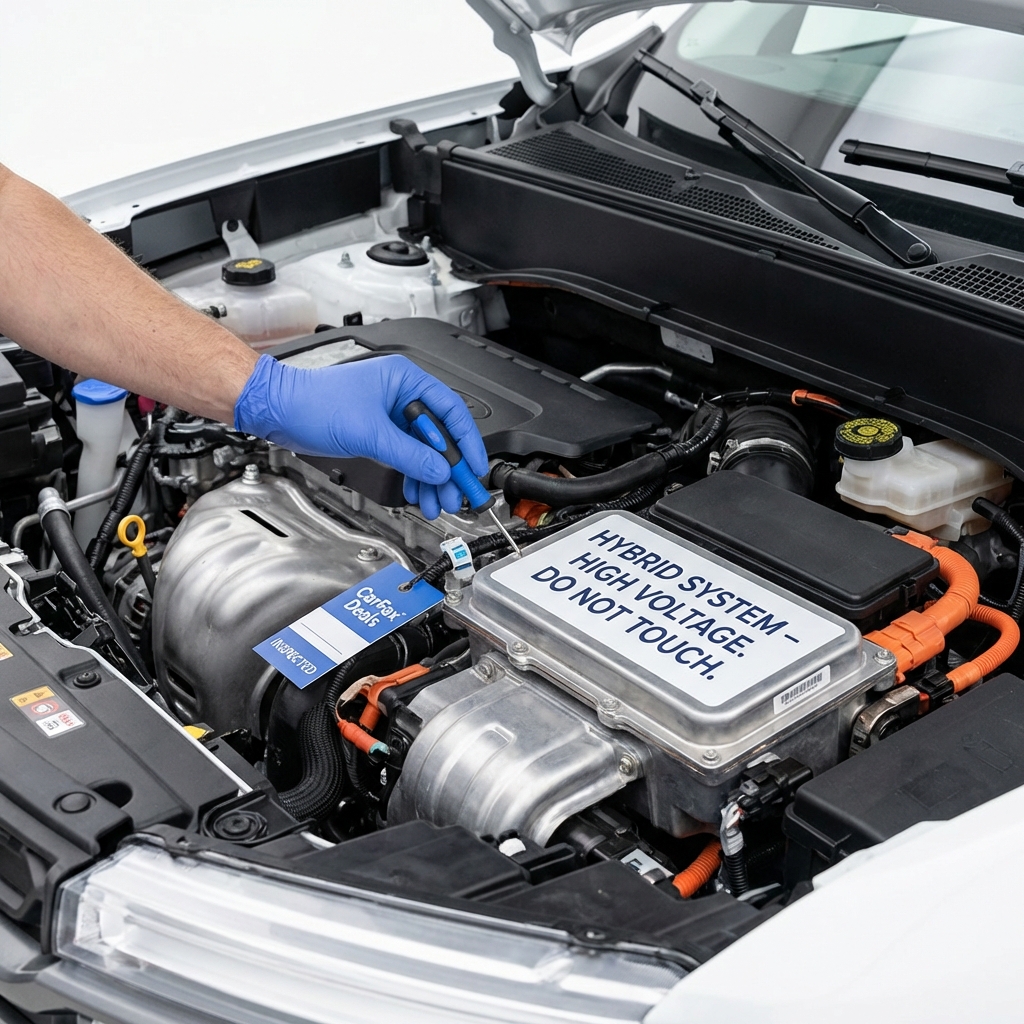
Ford publishes maintenance schedules and warranty details that include hybrid-specific recommendations and routine service intervals. Following those intervals tends to extend component life for both gasoline and hybrid Mavericks Ford maintenance and owner resources.
Key items on the schedule include regular oil and filter changes, periodic inspections, and hybrid-system checks where applicable. Adhering to these items reduces wear and helps catch small problems before they become costly repairs.
Run Vehicle History Report
Check manufacturer service intervals and warranty notes for the specific model year you are considering so you can compare what a seller reports against Ford's recommendations.
Understanding warranty coverage is also important. Ford provides defined terms for powertrain and hybrid components that can affect repair responsibility in early years. Confirming any remaining warranty coverage on a used listing can reduce short-term repair exposure.
Real-world testing, owner reports, and recalls to watch for
Long-term editorial tests and owner reports through 2024 and 2025 do not show a pattern of pervasive, model-wide catastrophic failures, but reviewers have reported software updates and occasional minor driveline or accessory issues in fleet or long-term test units Edmunds long-term test summary. Additional reliability ratings are available from J.D. Power.
Agency records show a small number of recalls and complaints for the Maverick. Because recall status and complaints are tied to the VIN, buyers should check NHTSA records for a specific vehicle before purchase to confirm whether open recalls apply to that truck NHTSA vehicle page.
Powertrain choices: hybrid versus gasoline Mavericks and longevity trade-offs
Choosing between the Maverick hybrid and gasoline powertrains changes maintenance patterns. Ford's guidance includes hybrid-specific checks that, when followed, can support longer component life for hybrid systems Ford maintenance and owner resources.
Public data on high-mileage Maverick hybrid batteries and inverters is still limited. That means long-term durability questions for hybrid-specific components remain somewhat open until more examples accumulate higher miles on the used market, so factor that uncertainty into your purchase decision.
For many buyers the hybrid can offer lower fuel cost and a different maintenance profile, but confirm documented service on hybrid-related items when comparing listings and consider whether the asking price reflects potential future battery service questions.
A practical maintenance checklist to keep a Maverick running longer
Follow Ford's oil and inspection intervals, monitor brakes and tires, and verify hybrid-system checks where applicable. Routine adherence to published intervals helps prevent avoidable wear and supports long life Ford maintenance and owner resources.
Beyond oils and filters, track brake pad and rotor condition, tire tread and alignment, suspension wear, and fluid levels. Hybrid owners should pay attention to any manufacturer-recommended diagnostics or software updates that pertain to battery management and charging systems.
Using a vehicle history report is a practical step to confirm past maintenance, title status, and ownership records. A report can reveal whether key services occurred on time and whether the truck has a branded title that would materially affect longevity expectations RepairPal reliability overview.
How to evaluate a used listing when shopping for ford mavericks for sale
Start by checking the vehicle history report for title status, accident history, ownership history, and service records. Confirming these items changes the risk profile for a listing and is a basic step before any test drive or inspection RepairPal reliability overview.
compare listing history and pricing insights
Use when reviewing VIN-based reports
After reviewing the history report, use pricing insights or price analysis labels to compare the listing to local market context and decide whether the asking price seems fair. Pricing context helps prioritize which listings merit close inspection and which may be overpriced for the condition Kelley Blue Book pricing and resale guidance.
Be sure to confirm whether any open recalls apply to the VIN and ask the seller for service invoices and recent software updates. These items reduce uncertainty about past care and software-related fixes the manufacturer may have issued NHTSA vehicle page.
Decision criteria: which Maverick to prioritize for longer ownership
When lifespan matters most, prioritize low documented mileage, a consistent service history, and single-owner records when possible. Those factors typically reduce the risk of hidden maintenance gaps and help predict remaining useful life Kelley Blue Book pricing and resale guidance. Additional local perspectives on resale can be found at Corwin Ford Spokane.
Consider powertrain and trim because they affect maintenance needs and potential resale value. Simpler configurations with documented service tend to be easier and cheaper to maintain over the long run than heavily optioned trucks with scarce service records.
Common buyer mistakes and pitfalls when assessing Maverick longevity
A frequent mistake is overweighting a single data point like low price or low miles while skipping a VIN history check. Low miles without service documentation still leaves risk about how the vehicle was used and maintained RepairPal reliability overview.
Another common pitfall is ignoring recall records or software-related service bulletins. Open recalls can require important repairs or updates, and software fixes can address drivability or accessory issues reported by owners NHTSA vehicle page.
Practical scenarios: comparing two used Mavericks and what to choose
Scenario A: A newer-year Maverick with low miles but limited service records. In this case, a clean VIN history with documented recent maintenance reduces uncertainty, but lack of invoices means you should request inspection and consider asking the dealer to confirm service items on record.
Scenario B: An older-year Maverick with higher miles but a full service history and single-owner records. The consistent service documentation often outweighs additional miles because it shows regular care and can make future maintenance needs more predictable.
Use pricing insights to compare the two. If the lower-mile truck is priced significantly higher without documented service, the documented-history truck can be the safer choice for longer ownership even with higher miles. Ask for an independent inspection when records are incomplete or when pricing does not match the history.
Resale and total cost to own: what to expect for Mavericks over time
Resale and depreciation for the Maverick vary by powertrain and trim, with pickup variants generally retaining value differently than compact cars. Local market conditions also strongly influence resale outcomes, so consider local pricing trends when evaluating a used listing Kelley Blue Book pricing and resale guidance. Regional writeups such as Stivers Ford South discuss local demand and retention in some markets.
Estimate total cost to own by adding expected maintenance and repair exposure to depreciation. Use published maintenance intervals and typical service needs to create a realistic budget rather than relying solely on the sticker price when comparing listings.
Red flags that should make you pause or walk away
Clear red flags in a history report include salvage or branded titles, flood damage indicators, or inconsistent service records. These items increase long-term ownership risk and often justify walking away or insisting on a detailed independent inspection NHTSA vehicle page.
Unexplained software or electrical issues that do not have documented repairs can also be problematic. Ask the seller whether software updates have been applied and verify any work with invoices or dealer service records.
Final checklist and next steps before you contact a dealer
Before contacting a dealer, run a VIN history check, search NHTSA for open recalls, and request service invoices when possible. Confirm any remaining warranty coverage and ask about recent software or hybrid-system work Ford maintenance and owner resources.
Use pricing insights to see whether the listing aligns with local market context and consider an independent inspection when records are incomplete or service gaps are present. Vehicle history reports and pricing context reduce uncertainty but do not eliminate future repair risk.
With routine, manufacturer-recommended maintenance, modern compact trucks like the Maverick commonly reach about 150,000 to 200,000 plus miles, which for many drivers translates to roughly 10 to 15 years.
Both powertrains can last if properly maintained; hybrids need specific checks and warranty considerations, and long-term high-mileage data for Maverick hybrids is still limited.
Ask for the VIN to run a history report, service invoices, title status, and any records of software or warranty work; also check for open recalls.
Choosing a Maverick for long-term ownership means balancing mileage, documented service, powertrain choice, and local resale context. Use VIN-based history checks and pricing insights to compare listings, ask for service invoices, and schedule an independent inspection when records are incomplete.
With careful checks and routine maintenance, many Mavericks should provide years of useful service, but remain attentive to recalls and emerging owner reports as more high-mileage examples enter the used market.

 Blog
Blog