Is a GMC a good car to buy? A practical guide for used-GMC shoppers
Deciding whether a GMC is a good car to buy depends on the exact model, model year and trim more than the brand name. Use targeted checks at the dealership, including a vehicle history report, recall lookup and safety ratings, to reduce risk. This guide explains what to check, how GMC models typically compare on safety, reliability and resale, and gives a step-by-step pre-purchase checklist.
A step-by-step workflow for estimating a truck's market value that centers on comparing consumer valuation tools, adjusting for mileage and condition, and checking wholesale market signals. The guide explains private-party, trade-in and dealer retail values and shows how a vehicle history report and pricing insights can change an asking price.
This guide helps research oriented buyers evaluate suv used cars for sale under $25,000 by combining safety ratings, reliability data, local pricing context, and vehicle history checks. It outlines a simple framework, a pre visit checklist, and a decision scoring worksheet so you can compare finalists before contacting a dealer. Use the steps here to narrow candidates and confirm risk signals with a vehicle history report and a pre purchase inspection.
When searching suv used cars for sale, prioritize model year, trim and powertrain before choosing a make or model. This guide explains how safety ratings, dependability studies and local pricing insights combine to produce a short list you can verify with a vehicle history report. It also provides a stepwise checklist you can use before contacting a dealer.
Deciding whether a GMC is a good car to buy starts with avoiding brand-level assumptions. The right answer depends on the model, model year and trim, and whether the vehicle has documented maintenance and no open safety campaigns.
This guide walks research-oriented used-car buyers through safety, reliability and resale patterns for common GMC families and offers a practical pre-purchase checklist to use at a gmc car dealership.
GMC performance varies by model, model year and trim more than by brand alone.
Full-size GMC trucks often hold resale value better than smaller GMC crossovers.
Run a VIN-based vehicle history report and a recall check before you visit the lot.
What a gmc car dealership shopper should know up front
GMC as a brand does not answer the core question on its own, because safety, reliability and ownership cost vary more by model, model year and trim than by badge. Large consumer reliability research places GMC near the industry average overall, but that average masks differences between full-size trucks and some smaller crossovers, so evaluate the exact model year you are considering and avoid assuming brand-level performance applies to every variant Consumer Reports brand overview.
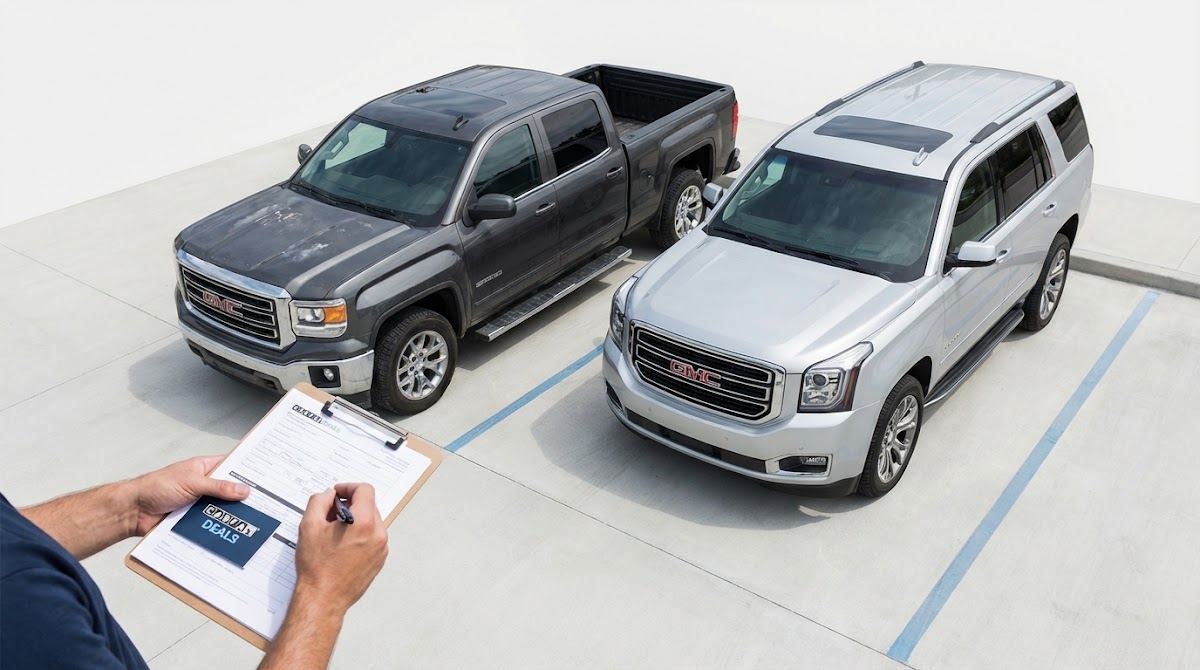
Start with a short set of checks before you visit a gmc car dealership. Obtain a vehicle history report to confirm title status and ownership history, ask for maintenance and service records, and note the exact model year and trim. Then compare official crash-test ratings for that combination, and confirm any open recalls for the vehicle VIN or model year NHTSA recall database.
Why model year and trim change the picture, in practice: powertrain updates, safety equipment changes and midcycle refreshes can shift reliability and safety ratings between close model years. That means two otherwise similar GMC crossovers may have different risk profiles based on the year and installed options, so focus on the particular VIN and trim when possible, and check IIHS ratings IIHS vehicle ratings.
Why brand-level answers are not enough
Brand averages are useful for orientation but not for buying decisions. Consumer and industry studies summarize broad patterns, yet they cannot replace a model-specific check because reliability and safety can swing between years and trims. Use those studies to prioritize which models need deeper checks, not as a final verdict J.D. Power dependability findings.
How model year and trim change the picture
Trim affects the installed powertrain, optional towing packages and electronics. Those differences often change both ownership cost and the kinds of failures a used car may develop. Treat trim-level equipment as part of the vehicle you are evaluating and verify service history that matches the installed options.
How GMC performs on safety, reliability and resale
On safety, official crash-test programs show mixed results across GMC model types. Some GMC trucks and larger SUVs rate strongly for crashworthiness while several crossovers have more varied outcomes depending on model year and test configuration, so check IIHS and NHTSA results for the exact model and year you are evaluating IIHS vehicle ratings.
Run a VIN-based vehicle history report before you visit the lot
Before you visit a gmc car dealership, get or request a vehicle history report for the exact VIN and note any open recalls you find.
Industry-level reliability summaries place GMC close to the industry average, but that average disguises differences between model families. Full-size GMC trucks tend to score better on towing performance and related durability measures, while some smaller GMC crossovers show more mixed reliability results across different study years Consumer Reports brand overview.
Resale behavior also differs by vehicle type. Full-size trucks from GMC tend to retain value relatively well compared with smaller SUVs and crossovers, which show resale performance that depends more on market demand and the specific model year Kelley Blue Book resale analysis.
Crash-test and recall landscape
Check both IIHS and NHTSA for crash-test scores, airbag and crashworthiness notes, and any recall campaigns that apply to your vehicle. Ratings can vary by trim because safety equipment differs, so rely on the test results for the exact trim and model year rather than the brand page alone NHTSA ratings. NHTSA recall database.
Industry reliability summaries and where GMC sits
Consumer-oriented dependability studies and manufacturer summaries place GMC near the middle of mainstream brands, which means many GMC models are competitive on ownership stability but you should expect model-level variation. Use those studies to identify which model families are more consistent and which require a closer pre-purchase check J.D. Power dependability findings.
Resale patterns by vehicle type
Full-size pickup buyers often see stronger resale for GMC trucks, particularly in market segments that value towing and payload capacity. Smaller GMC SUVs and crossovers can be much more market-dependent, so compare local pricing and price-analysis labels when possible to set realistic expectations Kelley Blue Book resale analysis.
Model-by-model differences: trucks, SUVs and crossovers to watch
Below are high-level differences across popular GMC families to help you decide where to dig deeper. These are directional summaries, not guarantees, and you should verify the exact model year and trim for any used listing. See our how-to guide how-to guide.
Sierra and Yukon: towing, ownership cost and resale
1. Sierra and Yukon typically perform better for towing capability and related durability needs. Buyers prioritizing resale and towing often find these models more predictable, but maintenance tied to heavy use can push ownership costs higher. Look for service records that show routine maintenance after towing use Kelley Blue Book resale analysis.
2. High-trim crew-cab trucks can add complexity through advanced electronics and optional powertrains, so confirm those systems were serviced at recommended intervals and inspect for signs of heavy work or towing.
Acadia and Terrain: where to check model-year quirks
1. Acadia and Terrain results are more mixed and often depend on the model year and specific trim. Changes in engines or transmissions across years can change reliability rankings, so check model-specific data rather than assuming the two nameplates behave identically IIHS vehicle ratings.
2. For family buyers, emphasize safety ratings and service history that documents regular maintenance, especially for models with optional third-row seating or complex infotainment systems.
How powertrain and trim affect maintenance and reliability
Powertrain choices, aftermarket towing setups and higher trims commonly raise maintenance costs. Complex turbocharged or diesel options and heavy towing use increase the chance of expensive repairs, so match expected use to the confirmed service history for that vehicle RepairPal reliability data.
Essential pre-purchase checklist to use at a gmc car dealership
Documents and reports to request before you commit time at the lot. Ask for a vehicle history report or run a VIN report that shows title status, ownership history, reported accidents and mileage checks. Request full service history for the VIN and ask whether scheduled maintenance was performed at recommended intervals NHTSA recall database. VIN report
Safety and recall checks to run. Confirm open recalls by VIN or model year and compare IIHS and NHTSA safety ratings for that exact trim and year. If the dealer cannot provide a VIN-based recall check, run the lookup yourself using the vehicle VIN before a test drive IIHS vehicle ratings.
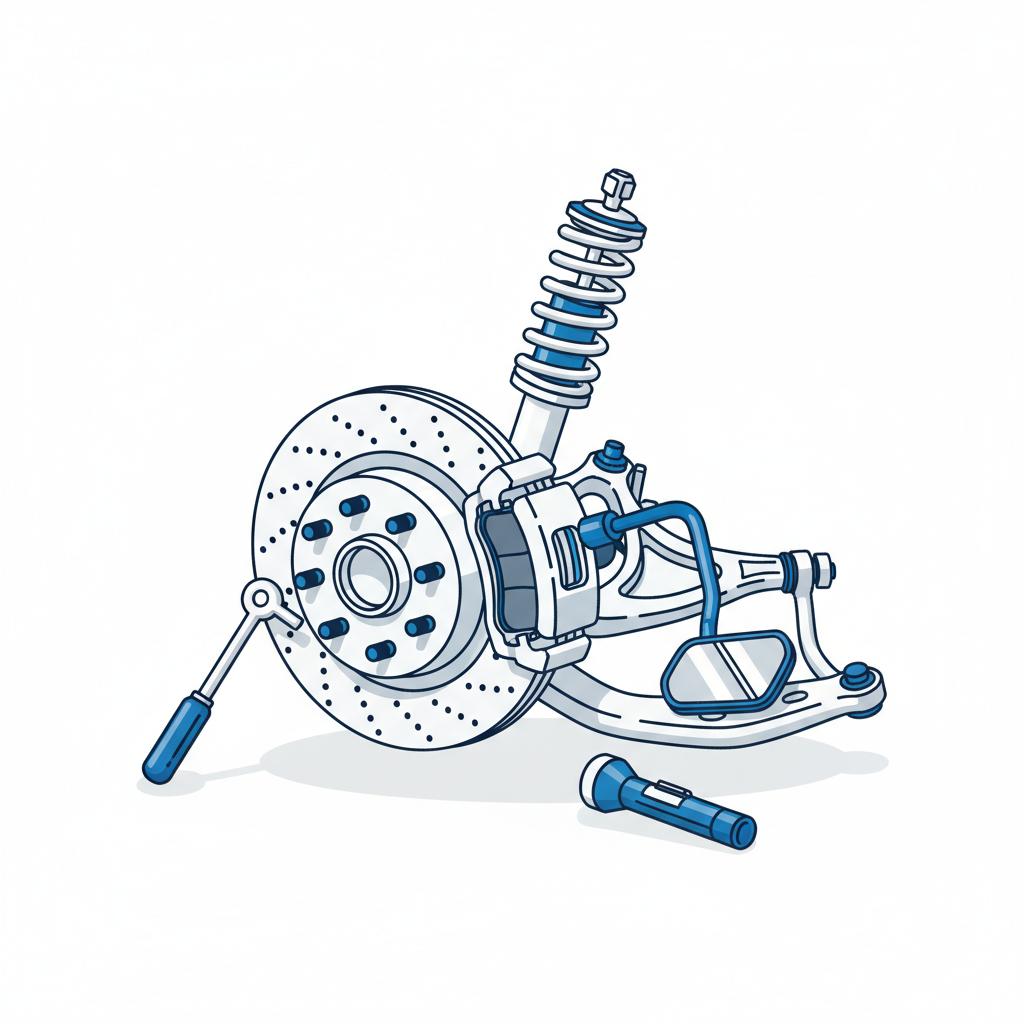
When to arrange a professional inspection. If the vehicle history report or service records raise questions, or if you plan towing or heavy use, arrange an independent pre-purchase inspection that focuses on powertrain, suspension and braking systems.
Use pricing context to compare the listed price with local listings and a price analysis label, such as a fair or good deal notice. That helps set a negotiation range and highlights listings that need closer inspection of records and recalls Kelley Blue Book resale analysis.
Documents and reports to request
Must-haves: vehicle history report, service and maintenance receipts, the exact VIN, and a written disclosure of any known issues. If the dealer cannot produce clear records, treat that as a risk factor and consider other listings.
Safety and recall checks to run
Do the VIN recall lookup and confirm the results with the dealer. Check whether recall repairs were completed and whether safety equipment like airbags and seatbelt pretensioners show repair history when applicable NHTSA recall database.
When to arrange a professional inspection
Arrange the inspection when the vehicle has gaps in service history, a complex powertrain, or when you plan heavy use. A focused inspection can reveal deferred maintenance and components stressed by towing.
How to evaluate maintenance, repair and total cost to own
Sources for repair-cost estimates include independent repair-cost databases and reliability trackers. Those sources indicate GMC ownership costs often fall in the mid-range among mainstream brands, but costs vary with model, trim and how the vehicle was used, so use those estimates as ranges rather than precise numbers RepairPal reliability data.
Factors that push ownership costs higher include frequent towing, complex powertrains, higher trims with more electronics, regional labor rates and deferred maintenance. Confirm whether heavy towing or commercial use was common for the vehicle as those uses accelerate wear on transmission, brakes and suspension Consumer Reports brand overview.
Using pricing insights to compare local listings helps you see whether a particular vehicle is priced above or below market. Price-analysis labels from trusted sources can signal if a listing may be worth closer inspection, or if similar vehicles in the area present better value after accounting for mileage and service history Kelley Blue Book resale analysis. (read more on our blog blog)
Sources for repair-cost estimates
Look up model-level repair and reliability summaries from independent sites that aggregate repair orders and owner reports. Compare multiple sources to form a reasonable expectation for annual ownership and common repair issues.
Factors that push ownership costs higher
Towing frequency, complex powertrains, and high-trim electronics are common cost drivers. When a vehicle has evidence of heavy use in the service history, plan for higher near-term maintenance needs.
Using pricing insights to compare local listings
Compare price-analysis labels and local listings to find comparable vehicles with clearer service history and fewer open recalls. CarFax Deals and similar services help surface vehicle history context and pricing insights so you can compare listings faster without assuming dealer statements alone are complete.
Common mistakes buyers make with GMC listings
Trusting brand reputation instead of checking the specific car is a frequent error. Because GMC performance varies by model and year, assuming every GMC will meet brand-level expectations can miss model-specific issues identified in reliability studies Consumer Reports brand overview.
Overlooking recalls and incomplete service history is another common mistake. Always run a VIN-based recall check and request documentation for completed recall remedies; dealer statements alone may not confirm that recall work was done NHTSA recall database.
Quick VIN and record checks to avoid common listing errors
Run checks before a test drive
Ignoring how intended use affects long-term cost. If you plan to tow or use a vehicle for heavy work, give extra weight to documented servicing of the drivetrain and cooling systems. Lack of such records raises ownership risk.
Trusting brand reputation instead of checking the specific car
Assuming brand-level quality without checking the VIN and service history can lead to unexpected costs. Use model-specific reliability resources and the vehicle history report to confirm the real condition.
Overlooking recalls and incomplete service history
Do not accept verbal assurances about recalls. Always verify recall completion for the VIN and check whether safety-related campaigns remain open.
Ignoring how intended use affects long-term cost
Match the vehicle s documented use to your expected use. A truck used frequently for towing will likely need more short-term maintenance than a lightly used town vehicle.
Practical scenarios: three used-GMC buyer examples
Family SUV buyer comparing Acadia trims. A family buyer focused on safety would compare IIHS and NHTSA ratings for the exact Acadia model year and trim, request full service history that confirms routine maintenance, and get a pre-purchase inspection for third-row fit and restraint systems IIHS vehicle ratings. See how to check car safety ratings How to Check Car Safety Ratings.
Contractor needing a Sierra for towing and resale. A contractor would prioritize towing capacity, drivetrain condition and resale patterns for Sierra and Yukon models. For this buyer, service records showing regular transmission and differential service are especially important to control long-term cost Kelley Blue Book resale analysis.
First-time buyer evaluating a certified pre-owned Terrain. A first-time buyer should use vehicle history reports and pricing insights to compare certified pre-owned offers, look for a clear service history, and obtain an independent inspection to confirm no deferred repairs RepairPal reliability data.
Scenario 1: Family SUV buyer
Checklist steps: run a VIN-based history report, compare IIHS/NHTSA safety ratings for the trim, and confirm service records for child-safety system maintenance.
Scenario 2: Contractor with towing needs
Checklist steps: verify towing-package service entries, inspect for frame and suspension wear, and compare resale history to set a replacement budget.
Scenario 3: First-time buyer using certified pre-owned listings
Checklist steps: use pricing insights to compare certified offers, confirm included warranty terms, and request a recent maintenance inspection report.
Final takeaways and next steps when visiting a gmc car dealership
Bring this short checklist to the lot: a VIN for the vehicle, a request for the full vehicle history report, printed service records if available, and the results of a VIN recall lookup. These items help you verify title status, ownership history and any open safety campaigns NHTSA recall database.
Whether a GMC is a good buy depends on the specific model, model year and trim. Use a VIN-based vehicle history report, safety ratings, service records and an independent inspection to assess the particular vehicle rather than the brand alone.
How to prioritize concerns by buyer type. If safety is the top concern, prioritize IIHS and NHTSA ratings and service history for safety equipment. If ownership cost or towing matters more, focus on powertrain service records and resale trends for that model family Consumer Reports brand overview.
Suggested follow-up actions. Run VIN-based checks, compare pricing insights across local listings, and schedule an independent pre-purchase inspection when records are incomplete. Use vehicle history reports to reduce uncertainty before you negotiate or sign paperwork Kelley Blue Book resale analysis.
Obtain a VIN-based vehicle history report to confirm title status, ownership history and any reported accidents before you visit the dealer.
Full-size GMC trucks generally retain resale value more consistently than smaller GMC crossovers, but resale depends on model year, trim and local market demand.
Yes. An independent pre-purchase inspection is recommended when service history is incomplete, the vehicle has heavy-use indicators, or you plan towing.
A thoughtful used-GMC purchase relies on verifying the exact VIN, checking safety ratings and recalls, and confirming service history. Use pricing insights and an independent inspection where records are incomplete.
These steps reduce uncertainty and help match a vehicle s condition to your needs before you commit at a gmc car dealership.

 Blog
Blog