Which CR-V to stay away from? — Which CR-V to stay away from?
This guide identifies Honda CR-V model years and conditions that commonly show elevated risk, and it gives a VIN and inspection focused checklist to reduce purchase risk. The most consistently documented engine risk is oil dilution tied to many 2017 to 2019 CR-Vs with the 1.5L turbo, so verify oil level and service campaign history before you buy. Use vehicle history reports and VIN checks to confirm recalls, service records, and title status.
Carfax coupon codes rarely work, and the codes listed on coupon sites are usually expired. The discounts that do exist are bundles (three reports for $64.99, five for $99.99), AAA member pricing, and free reports from dealers and listings. The simplest guaranteed discount is CarfaxDeals at $7.99 per report versus $44.99 at Carfax.com.
A Carfax VIN lookup takes the 17-character vehicle identification number and returns the car's recorded history: accidents, title brands, odometer readings, owners, and service records. Free VIN tools only decode specs or check recalls and theft. The full Carfax report costs $44.99 on Carfax.com and $7.99 at CarfaxDeals.
You can get a free Carfax report from the Carfax.com used car listings, a dealer website, the seller, Carfax Car Care (for a car you already own), or listing sites that include one. There is no free report for any VIN you type in. When no free report exists, a paid one costs $44.99 at Carfax or $7.99 at CarfaxDeals.
This article helps buyers identify which Honda CR-V model years and conditions commonly show elevated risk, and it gives a VIN and inspection focused checklist to reduce purchase uncertainty. The guidance is practical and evidence based, using manufacturer communications, aggregated reliability signals, and vehicle history checks.
If you are shopping for a used CR-V, start with the VIN. Running a vehicle history report and confirming service campaigns, recalls, and title status often saves time and reduces risk before you schedule a test drive.
Be cautious with many 2017 to 2019 CR-Vs that use the 1.5L turbo; verify oil level and service campaign history.
Run a VIN based vehicle history report to confirm recall completion, title status, and recorded repairs before visiting a dealer.
A focused test drive and underbody inspection identify common transmission and corrosion red flags.
Quick answer: which Honda CR-V years to be cautious about
honda crv for sale - short summary for busy buyers
If you need a short, evidence based answer, be extra cautious with many 2017 to 2019 CR-Vs that use the 1.5L turbo engine because multiple manufacturer communications and complaint records link that powertrain to oil dilution and low oil level symptoms, and those entries should be verified on a VIN record before purchase (run a VIN report) Honda service bulletin archive.
Transmission and driveline complaints also appear across several mid generation model years, so add a focused test drive and transmission service history to your checks; and always run a VIN based vehicle history report for recalls and title issues, not just to confirm mileage or ownership.
Run a vehicle history report before you visit
Before you visit a dealer, run a VIN report and check for service campaigns to reduce uncertainty about oil and transmission history.
How this article uses VIN reports and aggregated data
This article relies on vehicle history checks and VIN tools like EpicVIN, manufacturer service communications, and aggregated reliability signals to show which model years and conditions commonly need extra scrutiny. Aggregated data suggest later fifth generation years improved after factory updates, but VIN confirmation is still essential for each car Consumer Reports model page.
Use this guide as a practical checklist and not as a substitute for a VIN level inspection and documented service history review.
CR-V generations and where common problems appear
Overview of generation boundaries and typical powertrains
The fifth generation CR-V introduced the 1.5L turbocharged engine that is central to many owner reported oil dilution entries, and that generation spans model years commonly cited in owner complaint databases. Later fifth generation model years tend to show fewer major owner reported faults after factory fixes and campaigns, but outcomes still depend on maintenance and trim Consumer Reports model page.
Knowing which generation a listing belongs to helps you focus. If the listing advertises a 1.5L turbo, treat the oil level and service history as a priority during your checks.
How regional use and age change risk profiles
Age and regional climate change which systems are most likely to show problems: older CR-Vs are more likely to show corrosion and rear underbody wear, especially when used in salted road climates, while mid generation cars may show driveline or powertrain specific complaints depending on maintenance history Owner complaints database.
Keep local market context in mind when comparing pricing insights and price analysis labels; two cars with the same model year can differ a lot in real world risk if one was driven in a salted road region and the other was not.
Oil dilution and the 1.5L turbo: what to check on 2017 to 2019 CR-Vs
What oil dilution is and why it matters
Oil dilution describes fuel or other fluid mixing with engine oil, which can reduce the oil's protective properties and lead to low measured oil level, smells, and possible long term wear; manufacturer service communications and NHTSA complaint records link these symptoms to many CR-Vs that use the 1.5L turbo in roughly 2017 to 2019, so confirm service campaign and technical bulletin status for the specific VIN NHTSA vehicle page.
Not every 1.5L turbo will show problems, and many vehicles were subject to factory updates and campaigns, but you should treat reported oil dilution as a verifiable service history item rather than a guess.
Buyers should pay extra attention to many 2017 to 2019 CR-Vs with the 1.5L turbo for documented oil dilution and low oil level symptoms, and they should also verify transmission history and recall status on any model year using VIN based reports.
How to verify whether a car was affected or serviced
Ask the seller for documented service campaign completion or TSB related repairs tied to oil dilution and for oil change records that show frequent checks around the times of the campaigns; when you run a vehicle history report, look for entries that reference technical service campaign work or specific oil related repairs and note dates and mileage.
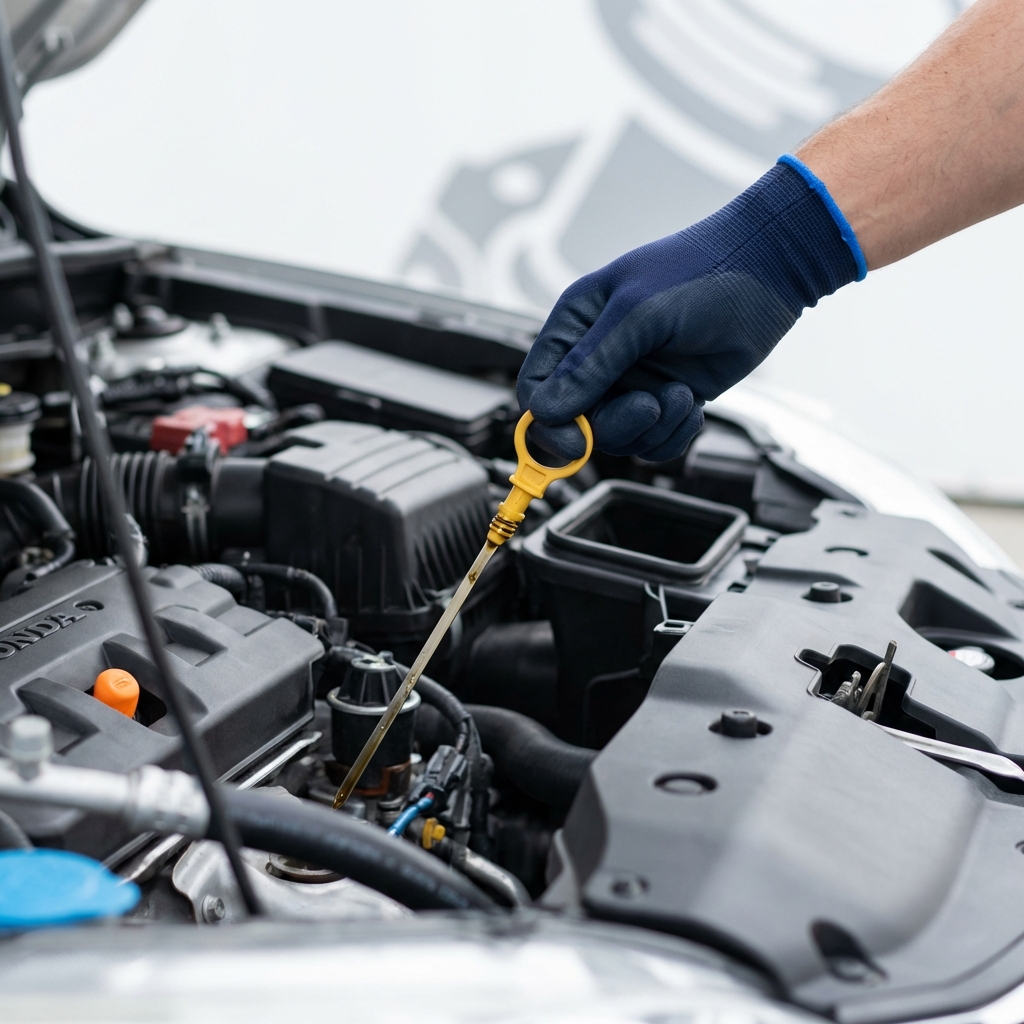
If you can, check oil level and smell on site. A strong fuel smell in the oil or an unusually low reading after a recent fill may indicate dilution, and any such finding should prompt you to request VIN level service documentation before deciding.
Transmission and driveline issues to watch for on test drives
Common symptoms to detect while driving
Owner complaint aggregators and repair databases show elevated transmission and driveline complaint rates concentrated in several mid generation CR-V years, so during a test drive pay attention for hesitation on acceleration, gear hunting during shifts, slipping sensations, or unusual noises during upshifts and downshifts RepairPal common problems and technical guides such as Rohnert Park Transmission.
Brief, repeated gear hunting or a delayed engagement from stop are signs worth noting and asking the seller about; if those symptoms appear, request documented transmission repairs in the VIN history before considering the car.
Service records and what transmission history matters
Request transmission service records, fluid change history, and any entries that list transmission-related repairs in the vehicle history report; a single, well-documented repair with follow up checks is different from repeated repairs across a short period, which is a higher risk signal.
When reading service entries, note the mileage at each repair and whether the same fault repeats; persistent or recurrent transmission repairs in the VIN record tend to increase the chance of future issues.
Safety recalls, campaigns, and how to verify VIN specific status
Where to check recalls and what open campaigns mean for buyers
Always check the vehicle's VIN against NHTSA, the KBB recall lookup, or a VIN decoder like VIN decoder and manufacturer recall and campaign lookups before purchase, because safety recalls and campaigns have affected multiple CR-V model years and open campaigns are tangible items to resolve before completing a sale NHTSA vehicle page.
An open safety recall does not necessarily mean the car is unsafe to drive today, but it does mean there is documented remedial action that should be completed and recorded. Ask for proof of completed recall work or confirm the remedy with the dealer prior to purchase.
If a required remedy remains open, that is a reasonable negotiation point or a condition to delay purchase until the work is completed and documented; keep in mind that some widely publicized campaigns, such as airbag inflator campaigns, affected multiple model years and should be confirmed on a VIN basis IIHS vehicle ratings.
Request printed or digital documentation of completed recall work and add those documents to the vehicle record you keep for any final decision.
Corrosion and underbody checks, especially for older CR-Vs
Areas to inspect on cars from salted road climates
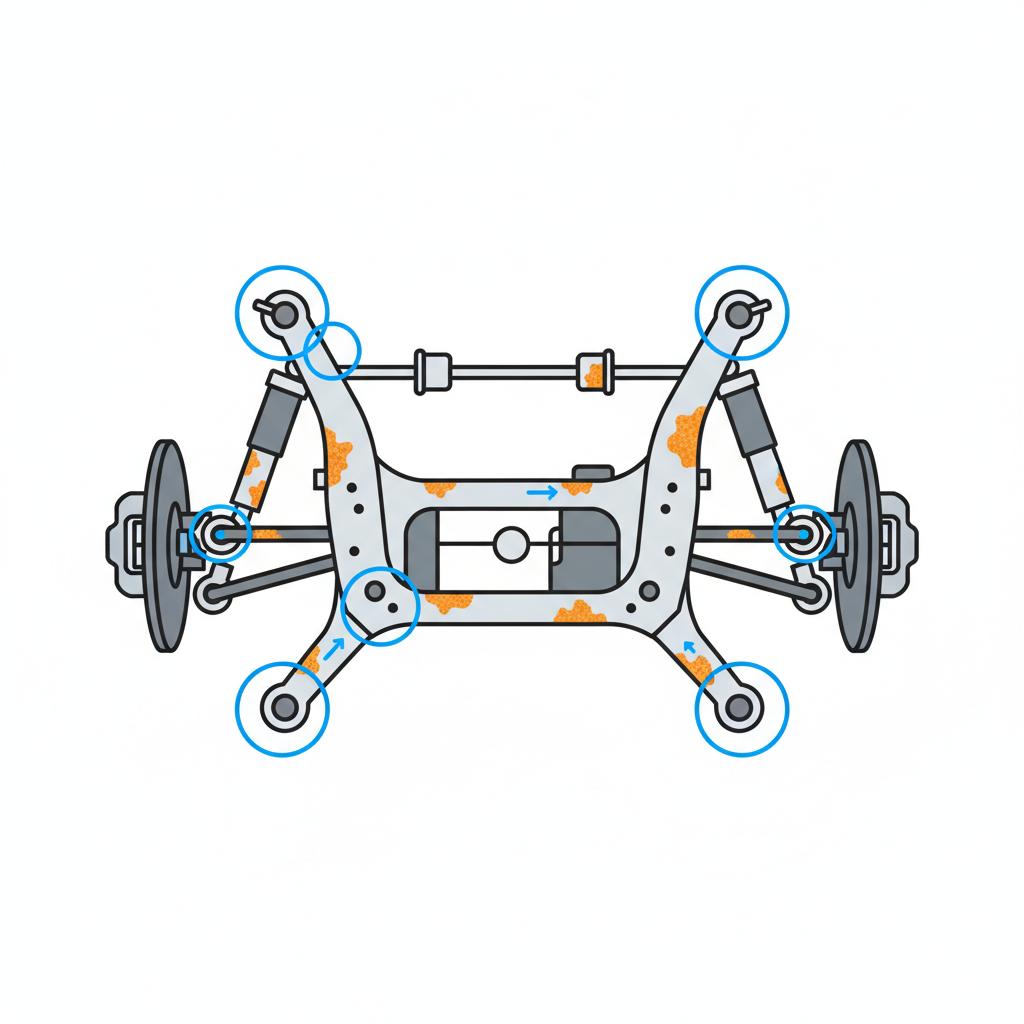
Corrosion and rear underbody complaints concentrate on older CR-Vs and on vehicles from salted road regions; focus your visual check on the rear subframe, control arm mounts, and exhaust hangers where owners commonly report damage and wear Owner complaints database.
Minor surface rust is common on older vehicles, but obvious structural rust at suspension mounts or subframe attachment points can affect safety and repair costs and is a clear reason to get a professional underbody inspection.
When corrosion becomes a structural concern
If you find perforation through structural metal, loose mounts, or significant rust around welds and fasteners, seek a professional inspection and written assessment; visible structural corrosion on critical mounts is a stronger reason to walk away than cosmetic rust on body panels.
Document the inspection findings and include photos and the inspector's notes in the VIN record you save for future reference.
How to inspect and test drive a used CR-V: a practical sequence
Pre visit: what to request from the seller
Before you visit, obtain the VIN and run a vehicle history report to check title status, ownership history, recorded services, and any flagged campaigns or branded titles; this step lets you skip cars with salvage or other flagged records and focus your time on the most promising listings RepairPal common problems.
Also request documented proof of any service campaigns, oil related repairs, and transmission work that appear in the VIN record so you can verify dates and mileage during the visit.
a brief pre-visit VIN and inspection checklist
Save report PDF for your records
At visit: step by step inspection and test drive checklist
On site, do these steps in order: check exterior and underbody for obvious corrosion, verify tires and suspension, open the hood and check oil level and smell, start cold and listen for unusual noises, and do a test drive that includes city and highway segments to feel for transmission and drivability issues.
During the test drive, avoid the car if you feel consistent slipping, hard shifts, hesitation under load, or detect a fuel smell coming from the engine oil; these cues should trigger requests for VIN level service documentation or a professional inspection.
A VIN based pre purchase checklist for Honda CR-V buyers
Essential documents and report items to confirm
Copy this VIN centered checklist for each listing: confirm clean title status, no branded or salvage title, review ownership history, search service entries for oil dilution or transmission repairs, verify completed recall and campaign work, and compare pricing insights to local market context.
When a vehicle history report shows repeated oil contamination entries or several transmission repairs, treat those as higher risk signals and request more detailed invoices for the listed services.
How to interpret key entries in a vehicle history report
Look for specific entries that mention campaign or TSB work tied to the 1.5L turbo oil dilution bulletins, and map service dates and miles to the current odometer to see if faults repeat within short intervals; repeated entries matter more than a single isolated repair.
Also check for inconsistent mileage, multiple owners in a short time, or title brands that can change the total cost to own and the resale outlook.
Decision framework: weigh age, service history, and local context
How to combine service records, reliability data, and pricing to decide
Use a tiered approach: prioritize cars with clean VIN histories and documented completion of service campaigns, then consider aggregated reliability and pricing insights to compare local market alternatives; later fifth generation years often show fewer major reported faults after factory fixes, but VIN confirmation remains decisive IIHS vehicle ratings.
Factor in local corrosion risk and maintenance culture. A well documented older car that had regular maintenance can be preferable to a newer car with no service records.
Tradeoffs: newer with unknown history versus older with documented maintenance
A newer car without service records may carry unknown risk, while an older car with full VIN documentation gives you clarity about past faults and repairs; the latter often makes the maintenance budget more predictable even if the vehicle is older.
Weigh pricing insights against the documented repair history and expected remaining ownership costs to decide which listing fits your risk tolerance.
Common buyer mistakes and where people get tripped up
Mistakes when reading listings
Buyers often assume a car is fine because it 'looks good' in photos and skip the VIN check; that error overlooks title brands, campaign completion, and service history entries that are only visible on a vehicle history report Honda service bulletin archive.
Another common mistake is relying only on price analysis labels without checking the VIN for specific repairs or recalls that materially affect safety or ownership costs.
Inspection and documentation errors to avoid
Do not skip a focused transmission test drive or neglect to check oil level and smell on 1.5T cars; skipping these steps can miss actionable diagnostic cues that show up only when you drive or inspect the engine oil.
Also do not accept verbal assurances about completed campaigns without seeing documentation in the VIN report or printed proof from the seller.
Practical examples and scenarios: how the checklist changes the decision
Scenario A: 2018 CR-V with partial service records
Imagine a 2018 CR-V with incomplete service entries that list an oil related repair but do not show a completed campaign. In that case, treat the car as higher risk, request full invoices for the listed oil work, and consider walking away if documentation remains incomplete or if the VIN shows repeated oil entries NHTSA vehicle page.
Without clear proof of campaign completion, the uncertainty about recurring oil dilution and future engine checks increases the total cost to own and tilts the decision toward decline or heavy negotiation.
Scenario B: 2019 CR-V with full campaign documentation and clean VIN
By contrast, a 2019 CR-V that shows documented completion of service campaigns tied to 1.5T issues, a clean title, normal test drive behavior, and no recurrent transmission entries is a much clearer candidate; still verify the invoices and check recent oil samples or records if possible Consumer Reports model page.
Even with campaign completion, factor in expected maintenance and local corrosion risk before finalizing a purchase.
When to walk away: clear stop conditions for CR-V purchases
High risk signs that justify declining a deal
Stop if the VIN shows a salvage or branded title, repeated oil contamination or repeated transmission repairs, or if the seller cannot provide documentation of completed safety campaigns. These are reasonable stop conditions as they materially increase ownership uncertainty Honda service bulletin archive.
Visible structural corrosion on critical underbody mounts, loose subframe attachments, or perforation at suspension points are also legitimate reasons to walk away unless a qualified inspector certifies repairability.
How open recalls or incomplete campaigns should influence decisions
An open safety recall or an incomplete manufacturer campaign is a documented condition you should resolve before purchase; ask for proof of completed remedy or arrange for the dealer to complete the work and provide written confirmation.
If the seller refuses to resolve open recalls or cannot provide documentation of campaign completion, treat that as a strong negotiation point or a reason to pause the purchase.
Summary and next steps: using VIN reports and inspections to reduce risk
One page checklist to save or print
Key actions: run a vehicle history report for the VIN, check for oil dilution and service campaigns on 1.5L turbo units, request transmission repair history and test drive the car for shifting symptoms, inspect the rear subframe and control arms if the car is from a salted road area, and confirm title status before you bid or sign.
These steps focus on the central risks: oil dilution on many 2017 to 2019 1.5T models, transmission reports in several mid generation years, and regional corrosion on older cars. Use pricing insights to compare listings but rely on VIN documentation to make the final call.
Most documented oil dilution entries relate to many 2017 to 2019 CR-Vs that use the 1.5L turbo. Verify completed service campaigns and look for oil related repairs in the VIN history.
Hesitation under load, gear hunting during shifts, delayed engagement, or a slipping sensation are useful indicators to document and investigate further with service records.
Run the vehicle's VIN through official recall lookup tools and request documented proof of completed recall work from the seller before finalizing a purchase.
Use the one page checklist in this article to structure your next vehicle search. Prioritize cars with documented campaign completion, clean VIN histories, and normal test drive behavior before making a decision.
If uncertainty remains after these checks, arrange a professional inspection and keep all documents from the seller and report as part of your records.


 Blog
Blog