How many miles is too high for a used CR-V? A practical guide
A used CR-V's odometer number is a starting filter, not a final verdict. Use mileage bands to sort listings, then confirm service history, title status, and model-year issues with a vehicle history report before deciding. Well-maintained CR-Vs commonly exceed 200,000 miles, so documented maintenance and a focused inspection matter more than the raw total.
A step-by-step workflow for estimating a truck's market value that centers on comparing consumer valuation tools, adjusting for mileage and condition, and checking wholesale market signals. The guide explains private-party, trade-in and dealer retail values and shows how a vehicle history report and pricing insights can change an asking price.
This guide helps research oriented buyers evaluate suv used cars for sale under $25,000 by combining safety ratings, reliability data, local pricing context, and vehicle history checks. It outlines a simple framework, a pre visit checklist, and a decision scoring worksheet so you can compare finalists before contacting a dealer. Use the steps here to narrow candidates and confirm risk signals with a vehicle history report and a pre purchase inspection.
When searching suv used cars for sale, prioritize model year, trim and powertrain before choosing a make or model. This guide explains how safety ratings, dependability studies and local pricing insights combine to produce a short list you can verify with a vehicle history report. It also provides a stepwise checklist you can use before contacting a dealer.
Mileage is one of the first details shoppers notice in a listing, and it often shapes whether a search continues or stops. For buyers focused on reliability and predictable costs, the number on the odometer is a useful screening tool, but it should not replace verification of service history and title. This guide explains practical mileage bands for the Honda CR-V in 2026, when to raise or lower your caution level, and the inspection steps that matter most for higher-mile examples.
We use evidence-based mileage bands and inspection priorities to help you decide which listings deserve a closer look. The goal is to reduce uncertainty by combining odometer context with vehicle history reports, documented maintenance, and a compact checklist you can use at the dealer or private sale.
Mileage bands help filter listings, but maintenance records and title status matter more than the raw odometer.
Many CR-Vs can exceed 200,000 miles when regularly maintained, so high miles alone are not an automatic rejection.
Run a VIN-based vehicle history report and confirm recent major services before scheduling an inspection.
Quick answer: Is a high-mileage CR-V automatically a deal breaker?
Short summary
For most buyers, mileage is a useful short-hand but not an absolute gatekeeper. If you see a high odometer, first check the vehicle history report and service records before rejecting the listing. The phrase honda crv used for sale can help when searching listings, but let the paperwork guide whether a car is worth an inspection.
Many CR-Vs reach very high totals when maintained, so an elevated mileage figure alone should not automatically end your consideration. Large-sample analyses show that a sizable share of CR-Vs commonly pass 200,000 miles when cared for, which means total miles are a signal to probe, not an automatic fail.
Who this quick answer applies to
Who this quick answer applies to
This guidance is aimed at research-oriented buyers and first-time shoppers who want to balance price and risk. If you are shopping listings with the phrase honda crv used for sale, use mileage bands to sort candidates, then prioritize vehicles with documented maintenance and a clear title.
Why mileage matters: how odometer readings affect reliability and price
How mileage correlates with mechanical wear
Mileage approximates accumulated wear on moving parts, so higher miles generally increase the probability of wear-related repairs. However, some systems age with time as much as with use, so a low-mile car that was stored or neglected can still have failures. Use a vehicle history report to combine mileage with service entries and ownership patterns before judging condition RepairPal Honda CR-V reliability and common repairs.
How markets and pricing respond to mileage
Buyers and dealers use mileage as a primary input when setting offers and asking prices because it correlates with expected future repair costs and remaining useful life. That said, model-year refreshes, trim, and local supply can change how much a given odometer reduces a car's market value, so local pricing context matters when comparing listings J.D. Power pricing insights.
Powertrain choice also shifts priorities. Turbocharged or later-generation powertrains may have different maintenance profiles than naturally aspirated engines, so adapt inspection priorities accordingly. Check any known investigations or recalls that apply to the specific VIN as they can change urgency and expected repair exposure NHTSA recalls and investigations for Honda CR-V.
Mileage bands for the CR-V: practical cutoffs and caveats
Low mileage definition and examples
A practical rule of thumb for 2026 is: low under 10,000 miles per year, average roughly 10,000 to 15,000 miles per year, and high over 15,000 miles per year. Use these bands to filter listings, but remember age and condition can shift meaning. For a 2018 CR-V, under about 80,000 miles would usually count as low by this rule; for a 2014 model, the same total suggests higher annual use.
Check the VIN before you walk away
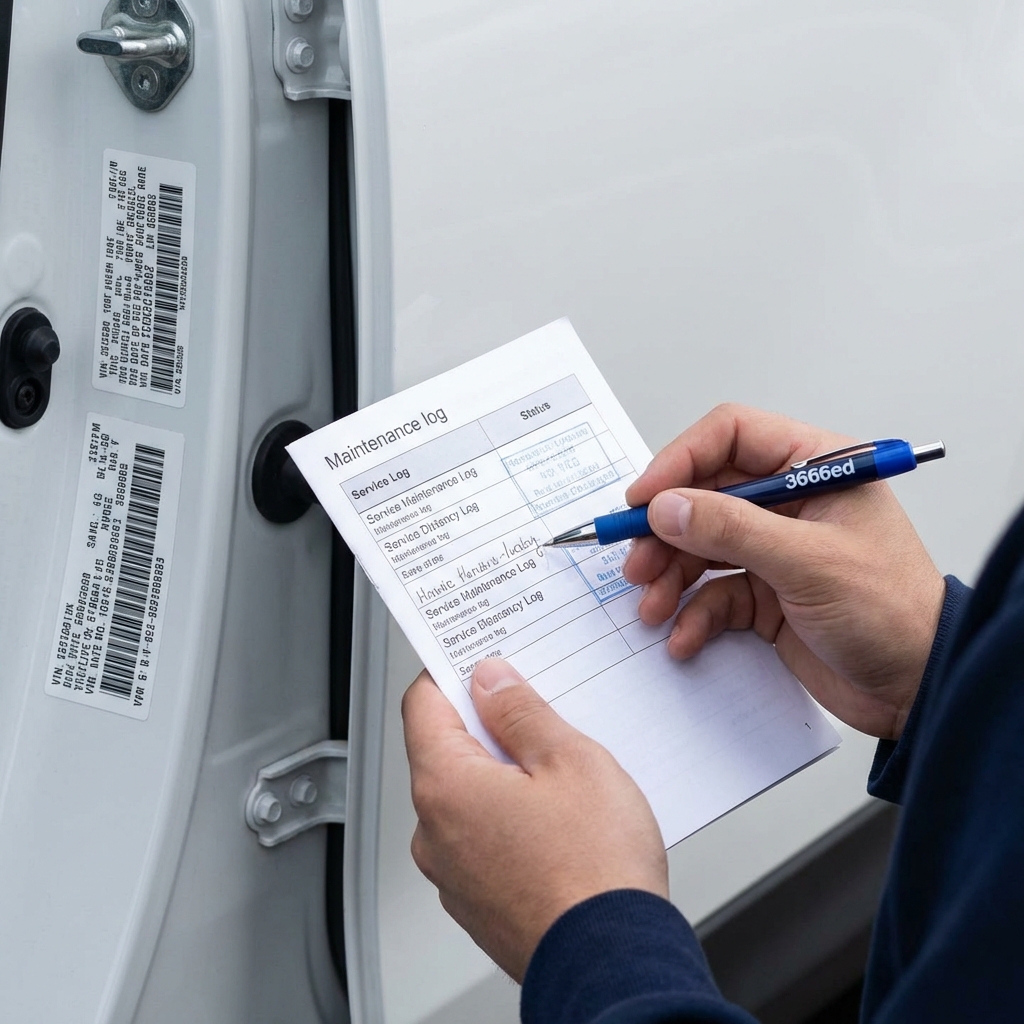
Before dismissing a high-mileage listing, run a VIN-based vehicle history check to confirm maintenance entries and title status.
Average annual mileage bands help set inspection priorities. Cars in the 10,000 to 15,000 miles per year range often show expected wear patterns without hitting the accelerated-service thresholds that high-mile cars may approach. When you see an average-mileage CR-V, focus the inspection on routine items and confirm recent services in the history report Edmunds used Honda CR-V buying guide.
High-mileage thresholds and when to be cautious
High mileage, defined here as over about 15,000 miles per year, raises the probability of component replacement or major service needs. That does not make all high-mile cars poor buys, but it does shift the questions you must answer before an offer. For some CR-V years and powertrains, transmission or engine service history will lower your risk more than the odometer alone iSeeCars analysis on long-lived vehicles.
When high mileage can be acceptable: maintenance, ownership, and title signals
What to look for in service history
Complete, dated service records that show regular oil changes, scheduled inspections, and timely repairs are one of the strongest indicators a high-mileage CR-V can still be reliable. A sequence of consistent entries from independent shops or dealers, aligned with the odometer progression, tends to reduce uncertainty about a vehicle's future condition Consumer Reports Honda CR-V reliability.
Major services that reduce long-term risk
Confirming major services matters more for high-mile CR-Vs. Examples include documented transmission servicing where applicable, confirmed timing-chain or valve work if recommended for specific years, and records of any turbocharger service on turbo trims. These entries lower the chance of imminent costly repairs and shift the total cost-to-own calculus in favor of a higher-mile vehicle RepairPal Honda CR-V reliability and common repairs.
Ownership count and title status
Ownership history and title status are critical modifiers. A single-owner vehicle with a clean title and uninterrupted service history is easier to evaluate than a car with multiple owners, salvage or rebuilt branding, or title gaps. Use the VIN-based vehicle history report to confirm ownership records and any title issues before scheduling an in-person inspection Run CarFax Report.
A concise inspection checklist for a high-mileage CR-V
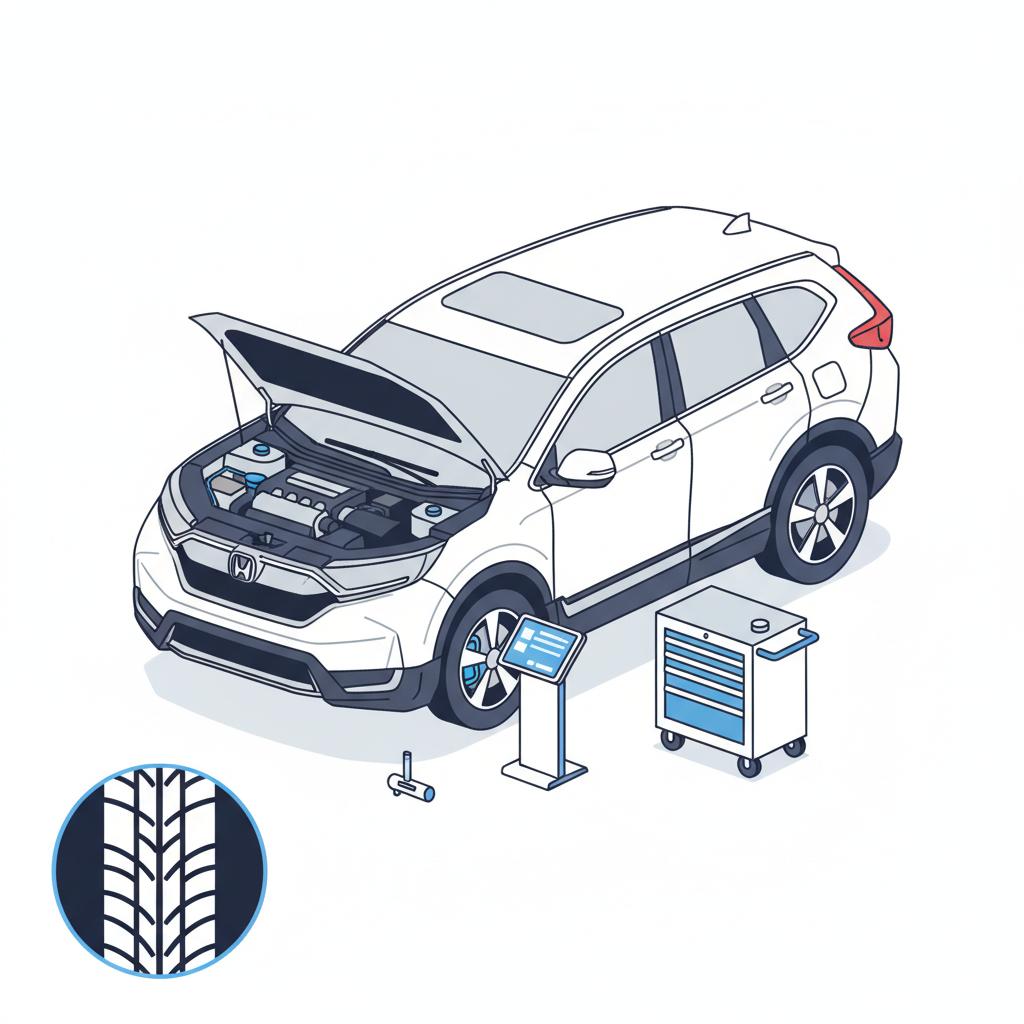
Use a focused checklist to capture the defects most correlated with high-mileage CR-V problems. Start with an exterior and underhood walkaround, then a targeted test drive that emphasizes transmission behavior, engine response under load, and suspension noise. Pair this with a VIN check to confirm recent maintenance and any recorded accidents RepairPal Honda CR-V reliability and common repairs.
Focused pre-test-drive inspection for a high-mileage CR-V
Use with the vehicle history report
Engine and powertrain checks: look for oil leaks, bluish exhaust, or smoke on cold start. On turbo trims, listen for turbo surge or rattles and check for excessive soot at the exhaust. These signs point to higher engine wear or turbocharger attention that may require near-term service RepairPal Honda CR-V reliability and common repairs.
Transmission and test-drive signs: during the test drive, note shift smoothness, hesitation, and any slipping under load. Older model years with known transmission complaints need a firmer test-drive standard and possibly a pre-purchase inspection with a transmission specialist. If shifts are firm and consistent across temperatures, that reduces short-term transmission risk NHTSA recalls and investigations for Honda CR-V.
Chassis, brakes, and visible wear: inspect tires for even wear, check suspension for clunks or excessive bounce, and look at brake rotor condition. High-mileage CR-Vs commonly show visible wear, but uneven tire wear or torn boots can indicate neglected undercarriage maintenance and suggest deeper inspection needs Edmunds used Honda CR-V buying guide.
How to use a vehicle history report with the checklist: before an in-person visit, run a VIN report to confirm service entries, title status, and reported accidents. Use documented maintenance dates to cross-check the odometer progression and prioritize shops that recorded major services. This combined approach often changes whether a high-mile listing is worth an inspection Run CarFax Report.
Model-year and generation issues: when mileage matters more
Known problem areas by generation
Certain CR-V model years and generations have recurring complaints that make mileage more meaningful. Transmission-related items and some engine complaints have been reported for specific years; when those model years show high miles, raise inspection depth and demand clearer maintenance proof before advancing.
Check reliability sources and aggregated owner reports for the specific model year you are considering so you can adjust your mileage threshold. Where a generation had known issues, a lower mileage level may still warrant the same scrutiny as a higher-mile vehicle from a more reliable year Consumer Reports Honda CR-V reliability.
How recalls and investigations change inspection priorities
Recalls do not in themselves condemn a car, but outstanding recalls or open investigations tied to the VIN should be resolved before purchase. Confirm recall completion via the vehicle history report and the NHTSA database, and factor any unresolved campaigns into whether to proceed with a test drive NHTSA recalls and investigations for Honda CR-V.
Adjusting your mileage threshold by generation
If a generation received engineering fixes in a refresh, later model years can tolerate higher miles compared with early-production cars that kept the earlier design. Always check whether the later model year resolved the issues that make mileage riskier; this can materially change your walk-away threshold J.D. Power dependability insights.
How mileage typically affects price: valuing a used CR-V in your market
Mileage discounts are a primary lever buyers use to lower price, but the size of the discount depends on model year, trim, and local supply. A high-mile CR-V in an area with scarce clean examples may price attractively and still be worth inspecting, while the same odometer in a market flush with low-mile options could be less appealing J.D. Power pricing insights.
Consider price analysis labels and local market context when comparing listings. Labels that flag a Great Deal or Fair Deal can help you narrow choices, but always cross-check the underlying mileage and maintenance evidence the label uses. A lower price that reflects high mileage may still be attractive if the service history shows major items were already handled Edmunds used Honda CR-V buying guide and Cargurus buying guide.
Use annual mileage bands as a starting filter, then vet maintenance, title status, and model-year issues with a VIN report and focused inspection to decide whether a high-mile listing is acceptable.
When balancing local price against odometer-driven discounts, ask whether the savings justify the increased inspection or repair risk. If the local market supports it, a higher-mile CR-V with solid maintenance records can offer value; if not, the mileage discount may not be enough to compensate for uncertainty.
Common mistakes buyers make with high-mileage CR-Vs
Rejecting a car solely on odometer is a frequent mistake. That approach misses many well-maintained vehicles that have higher-than-average use but complete service records. Instead, use mileage bands as a filter, then request the vehicle history report and maintenance receipts before dismissing a listing iSeeCars analysis on long-lived vehicles.
Skipping the VIN and maintenance verification is another error. Buyers who skip a history report often miss title issues, odometer inconsistencies, or missing major services that matter more than total miles. Always run a VIN-based report prior to arranging a test drive Run CarFax Report.
Underestimating generation-specific risks is common. Treat certain model years with known transmission or engine complaints with extra caution, even if the odometer seems acceptable. Adjust inspection depth and negotiate accordingly if the generation has documented recurring issues Consumer Reports Honda CR-V reliability.
Conclusion: a short decision flow and next steps
Decision flow: first apply the mileage bands to filter listings, then run a vehicle history report to confirm ownership, title status, and maintenance entries. If the report checks out, arrange a focused inspection and test drive that targets transmission behavior, engine response, and visible wear. This stepwise approach balances price savings with repair risk and helps you decide whether a high-mile CR-V is worth pursuing Edmunds used Honda CR-V buying guide.
When to walk away: decline listings with inconsistent service records, title issues, or unresolved safety campaigns linked to the VIN. When to pay for an inspection: if the vehicle history report looks complete but odometer and generation raise concerns, a paid inspection can reveal costly items before you make an offer NHTSA recalls and investigations for Honda CR-V.
There is no single cutoff; use bands such as under 10,000 miles/year as low, 10,000 to 15,000 as average, and over 15,000 as high, then confirm service history and title before deciding.
Not necessarily. Many CR-Vs reach 200,000+ miles when well maintained, so inspect maintenance records and confirm major services before ruling one out.
Ask for a VIN-based vehicle history report, dated service records showing recent major services, and documentation of any recall repairs or transmission work.
A used CR-V's odometer number starts the conversation; the vehicle history and service evidence decide the outcome. By applying mileage bands, confirming maintenance and title status, and using a focused inspection, you can identify listings where higher miles are acceptable and spot those that need to be avoided. If you find a listing that fits your criteria, arrange a test drive and consider a paid inspection for additional peace of mind.


 Blog
Blog