This guide shows a practical workflow that pairs Kelley Blue Book values with local market data and vehicle history checks so you can produce a defensible price range. It explains the inputs every valuation needs and how to adjust guide numbers using local comparables, auction indices, history reports, and inspections.
Carfax coupon codes rarely work, and the codes listed on coupon sites are usually expired. The discounts that do exist are bundles (three reports for $64.99, five for $99.99), AAA member pricing, and free reports from dealers and listings. The simplest guaranteed discount is CarfaxDeals at $7.99 per report versus $44.99 at Carfax.com.
A Carfax VIN lookup takes the 17-character vehicle identification number and returns the car's recorded history: accidents, title brands, odometer readings, owners, and service records. Free VIN tools only decode specs or check recalls and theft. The full Carfax report costs $44.99 on Carfax.com and $7.99 at CarfaxDeals.
You can get a free Carfax report from the Carfax.com used car listings, a dealer website, the seller, Carfax Car Care (for a car you already own), or listing sites that include one. There is no free report for any VIN you type in. When no free report exists, a paid one costs $44.99 at Carfax or $7.99 at CarfaxDeals.
If you are trying to determine what a used car is worth, start with a structured workflow rather than a single published number. This article explains how to use Kelley Blue Book in combination with other valuation guides, local listings, vehicle history checks, and inspections to reach a defensible low-mid-high price range.
The goal is to give research-first buyers and sellers a reproducible method: collect exact vehicle details, consult multiple guides, check recent local comparables and market indices, verify history with a VIN report, get an inspection, and document assumptions before deciding how to sell or trade the car.
Use KBB, Edmunds, and NADA together and align inputs to build a defensible price range.
A vehicle history report and a pre-sale inspection often change value more than small cosmetic details.
Local comparable listings and auction indices help you adjust guide values for real market conditions.
What 'kelley blue book car' means and why values differ
The phrase kelley blue book car commonly refers to published value estimates that buyers and sellers use as a baseline when checking a vehicle's worth. Kelley Blue Book provides separate estimates for private sale, trade-in, and dealer retail, and it is most useful when compared against other published guides and local listings for context, not as a final single price; see Kelley Blue Book car values for how those estimates are calculated Kelley Blue Book car values.
Those three value perspectives represent different transaction types and motivations: a private sale typically yields the highest net price, trade-in tends to be lower but more convenient for sellers, and dealer retail reflects a dealer's costs and margin. Understanding which perspective matters for your situation helps set realistic expectations and choose the right next steps, as explained by consumer-facing valuation guides Edmunds valuation guidance.
Regional and time-based market shifts also change what a guide number means on any given day. Auction and market indices show that local demand, seasonality, and recent auction trends can push actual transaction prices up or down from a published estimate, so checking recent local listings alongside indices is an important step Manheim Used Vehicle Value Index and see additional coverage at Manheim Used Vehicle Value Index.
Start your verification with a guide and local comps
Pull a guide value, then immediately gather 3 to 5 recent local listings for the same model and trim; this gives you a quick reality check before deeper research.
Start by gathering the exact VIN, current mileage, model year, and full trim name, and note visible factory and aftermarket options; these inputs are the foundation for any reliable car value check and are the same fields valuation guides require Kelley Blue Book car values.
Document condition honestly using standard categories such as Excellent, Good, Fair, and Poor and note any mechanical concerns or cosmetic issues. Accurate condition and mileage inputs materially change published guide outputs and help you justify adjustments when presenting a price range to a buyer or dealer Edmunds how-to guide.
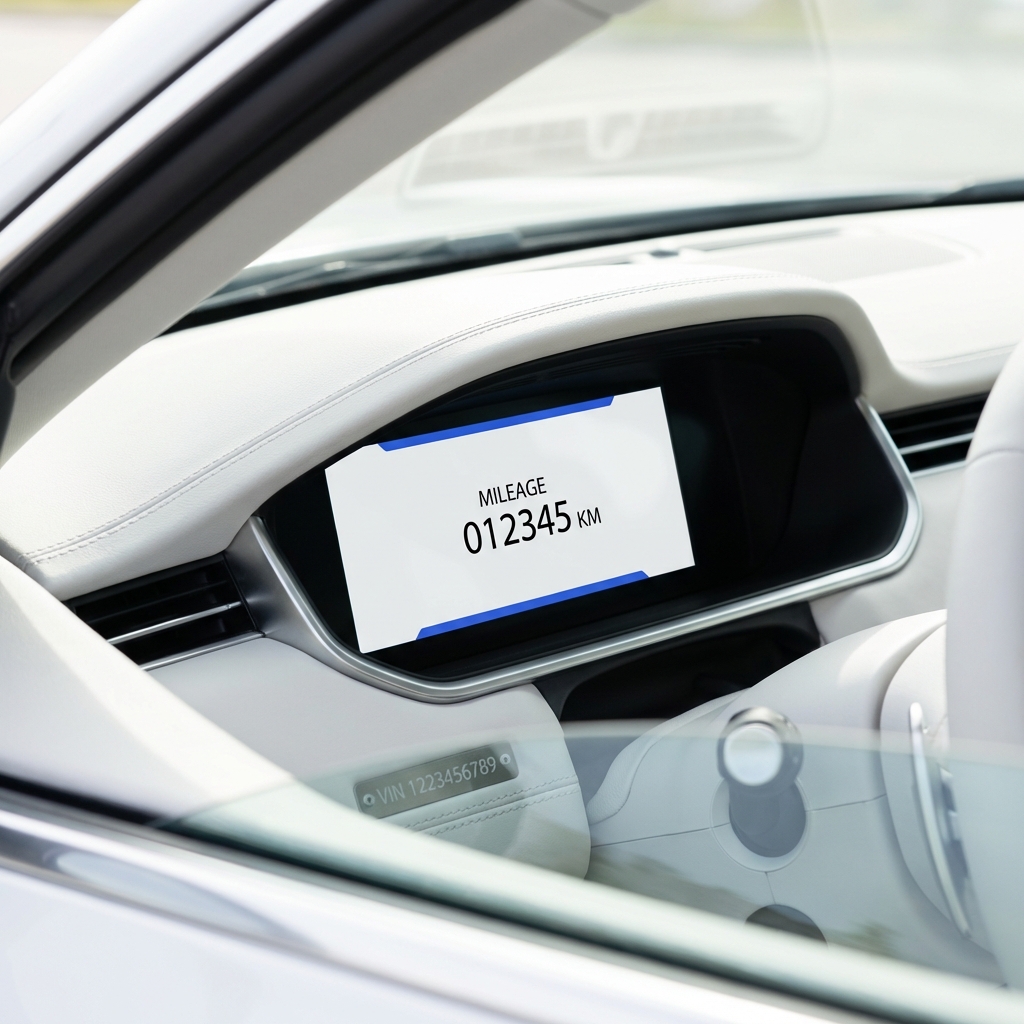
Practical tips: photograph the dash for the exact mileage, take close-ups of options and wear points, and record option codes when visible. These notes make it easier to match your car to local comparables and reduce disagreement when you compare guide results to real listings.
How to use Kelley Blue Book, Edmunds, and NADA together
Each guide reports similar but distinct outputs: KBB, Edmunds, and NADA produce private sale, trade-in, and dealer retail perspectives that should be compared to form an initial value range Edmunds valuation guidance.
When you check multiple guides, align your inputs so the comparisons are apples-to-apples: use the same VIN or exact model/trim, the same mileage, and the same condition rating across each site. Differences that remain after aligning inputs usually reflect methodology or market timing rather than input error NADA Guides how-to.
Combine Kelley Blue Book with at least two other guides, collect recent local comparable listings, pull a vehicle history report, get a pre-sale inspection, and document every assumption; then set a low-mid-high range based on that evidence.
Weight a guide more heavily when its data and perspective match your planned transaction: for example, use the private sale estimate if you intend to sell directly, and use trade-in numbers when evaluating dealer offers; adjust for local listings and recent trends if the guides seem out of step with the market Kelley Blue Book car values.
Translating published guide numbers into a usable range
Take the private/trade/retail outputs from each guide and line them up to create a low, mid, and high estimate. The low estimate can reflect expected trade-in or a quick sale, the mid estimate a reasonable private-sale target, and the high estimate a list price that allows negotiation; this approach follows standard valuation workflows Edmunds how-to guide.
When you move from guide values to an expected transaction price, document every assumption you make: condition rating, any added or removed options, recent repairs, and local demand. Keeping a short note for each adjustment makes it easier to explain and defend your price to buyers or dealers Kelley Blue Book car values.
Use the range for negotiation or listing by choosing an initial listing price near the high estimate if you have time to wait, or near the mid estimate if you want a quicker sale. Always state that your listed price is based on guide values and local comparables to show you are using an evidence-backed approach.
Adjust for market trends and recent local comparable sales
Auction indices and industry studies signal that regional and time-based volatility affects value; these indicators help you scale guide outputs up or down when local conditions differ from national averages Manheim Used Vehicle Value Index and further explanation is available at Understanding the Manheim Used Vehicle Value Index.
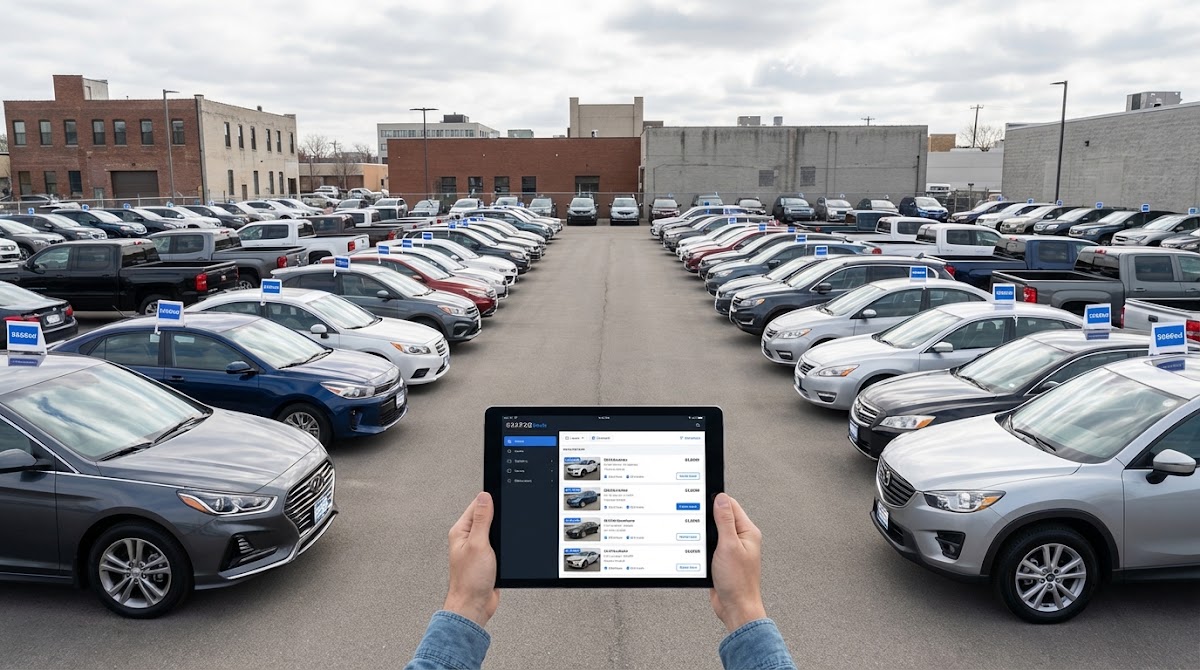
To refine your range, collect recent local comparables that match trim, mileage, and condition. Search dealer listings and private-sale ads and note asking prices, days on market, and whether listings include service records or a vehicle history report; this local data often reveals whether guide values are realistic in your area J.D. Power market study.
When local supply or demand diverges-strong demand in your city or a sudden regional supply shortage-scale adjustments more aggressively. Keep the evidence you used for any large adjustment so you can show comparables or index trends when negotiating.
How vehicle history reports and title status affect value
Vehicle history report elements that commonly justify adjustments include title status, ownership history, reported accidents, service history, and mileage checks; pull a history report to confirm these items before finalizing a price Consumer Reports how-to. Also see our VIN report tool VIN report.
Use careful language: no accident reported is not the same as accident free. Treat history reports as evidence that require verification, and where a report shows damage or title brands, expect downward adjustments unless credible repairs and supporting documentation exist Edmunds valuation guidance.
When history findings increase buyer confidence-such as consistent ownership records and full service history-they can support asking near or above mid-range. Record the specific history items that justify a higher price so you can present them to potential buyers or dealers.
Pre-sale inspection and mechanical checks that commonly change price
A professional pre-sale inspection typically examines the engine and transmission, suspension, brakes, and signs of previous collision repair; inspectors commonly flag issues that materially affect value and should be documented in a short report Consumer Reports inspection guidance.
quick inspection checklist for pre-sale review
Use as a summary for decisions
History reports do not replace a physical inspection because unseen mechanical wear and localized corrosion often appear only on a close inspection. If an inspection reveals issues, quantify repair estimates and subtract them from your mid-range price or use them as negotiation points Consumer Reports how-to.
Document inspection findings and update your low-mid-high range accordingly. Clear documentation of inspection items and repair estimates makes your pricing defensible and speeds negotiation with buyers and dealers.
Adjust for options, powertrain choices, and maintenance history
Factory options and verified aftermarket equipment can move value, so list exact options and supporting evidence when you compare to guides; valuation guides adjust for trim and options during their calculations Kelley Blue Book car values.
Powertrain choices such as hybrid or electric can alter local demand; in some markets, an EV or hybrid may command a premium, while in others it may reduce demand. Consider local charging infrastructure and buyer interest when adjusting for powertrain NADA Guides how-to.
Well-documented maintenance records tend to support a higher asking price because they reduce perceived risk for buyers. Include service receipts or a consistent service history as part of your listing materials when you ask near the top of your range.
Decision criteria: accept an offer, trade it in, or sell privately
Weigh net proceeds after fees, time-to-sell, and convenience. A higher private-sale price may not be worth the time and administrative burden for some sellers; compare the net cash you would receive from each path before deciding Edmunds decision guidance.
Trade-in simplifies paperwork and can reduce sales tax in some jurisdictions, but trade-in numbers typically sit near the low end of a guide-based range. Use trade-in offers as one data point and compare them to your documented mid-range and local comps Consumer Reports how-to.
If you choose private sale, list competitively using your evidence and be prepared to show a vehicle history report and inspection. If you prefer speed and less hassle, accept a dealer offer or trade-in after confirming the net proceeds and any fees.
Common valuation mistakes and how to avoid them
Top mistakes include over-relying on a single guide, ignoring local market shifts, and failing to check history report flags; avoid these by cross-checking KBB, Edmunds, and NADA and by collecting recent local comps Kelley Blue Book car values.
Inaccurate condition or mileage inputs lead to skewed guide outputs. Use photographs and a short checklist to ensure your inputs match how guides interpret condition when you request an estimate NADA Guides how-to.
Corrective steps include pulling a VIN vehicle history report, scheduling a pre-sale inspection, and documenting comparables before responding to offers. These steps reduce surprises and make negotiation clearer for both sides Consumer Reports how-to.
A step-by-step workflow to produce a defensible price range
Order of operations: collect VIN and exact vehicle details, check Kelley Blue Book, Edmunds, and NADA with aligned inputs, gather recent local comparables, pull a vehicle history report, get a pre-sale inspection, then set a low-mid-high range based on evidence Kelley Blue Book and Kelley Blue Book car values.
Record assumptions and evidence for each point in your range: note the guide source, the comparable listings you used, inspection findings, and history report highlights. A short table or a document with links and photos is often enough to present your case to buyers or dealers Edmunds how-to guide.
Checklist for sharing: VIN, photos, vehicle history report, inspection report, comparables list, and your documented low-mid-high range. Use this packet to speed up offers and to show buyers you have done careful research.
Practical scenarios: three buyer examples and how to value each
Scenario A: strong local demand for a fuel-efficient commuter. Start with the mid estimate from guides and increase it if local comps show higher asking prices and short days on market. Emphasize fuel economy, recent maintenance, and a clean title when you present comparable evidence Kelley Blue Book car values.
Scenario B: single-owner history but a minor accident reported. A history report with a minor accident often requires careful documentation of repairs and possibly a modest downward adjustment from mid-range; buyers will focus on the repair quality and service records when deciding whether to pay near the mid estimate Consumer Reports how-to.
Scenario C: a low-mileage older model with a full service history. Low mileage and complete service records can justify asking near the high estimate, provided inspection results support the claim. Present service receipts and inspection notes with your comparables to validate a higher asking price Edmunds how-to guide.
Final checklist before you finalize price or accept an offer
Verify VIN, title status, ownership history, and service records via a vehicle history report before closing any deal; this step helps confirm there are no title brands or unresolved liens that affect transferability Consumer Reports how-to.
Confirm that your chosen price fits the documented low-mid-high range and that local comparables support the number. Keep the comparables and inspection notes ready to present to buyers or dealers if needed Manheim Used Vehicle Value Index.
Final documents to have ready include the vehicle history report, inspection report, service receipts, title, and a printed list of comparables. These materials make transactions smoother and reduce last-minute disagreements.
Summary and next steps: how to act on your Kelley Blue Book-based estimate
Kelley Blue Book values are a starting point and are most useful when combined with other guides, local comparables, history reports, and inspection evidence to produce a defensible price range Kelley Blue Book car values.
Immediate next moves: pull a vehicle history report, schedule an inspection, collect 3 to 5 local comparables, and decide whether you will aim for private sale, trade-in, or dealer retail. Document your assumptions and keep evidence to support your asking price.
Kelley Blue Book provides published estimates that are useful as a baseline, but accuracy depends on correct VIN, mileage, trim, condition inputs and local market conditions, so you should compare multiple guides and local comps.
Yes, a vehicle history report helps identify title issues, reported accidents, and service records that commonly justify adjustments to guide values and support your asking price.
It depends on priorities: trade-in tends to be faster and simpler but often pays less; private sale can yield higher net proceeds if you have time and documentation.
Follow the checklist and document your evidence before you list, accept an offer, or trade in. A clear, evidence-backed price range helps you negotiate confidently and reduces the risk of surprises during transfer.
If you want more verification, pull a VIN vehicle history report and schedule a pre-sale inspection before finalizing any transaction.

 Blog
Blog