Is a Kia Stinger a reliable car? A practical guide for buyers
This guide helps research-minded buyers decide whether a Kia Stinger is right for them. It gives a conditional verdict on reliability, summarizes safety ratings and recall patterns, lists common owner-reported problems, explains ownership-cost drivers, and provides a step-by-step checklist to evaluate any Kia Stinger for sale using vehicle history reports and pricing context.
A step-by-step workflow for estimating a truck's market value that centers on comparing consumer valuation tools, adjusting for mileage and condition, and checking wholesale market signals. The guide explains private-party, trade-in and dealer retail values and shows how a vehicle history report and pricing insights can change an asking price.
This guide helps research oriented buyers evaluate suv used cars for sale under $25,000 by combining safety ratings, reliability data, local pricing context, and vehicle history checks. It outlines a simple framework, a pre visit checklist, and a decision scoring worksheet so you can compare finalists before contacting a dealer. Use the steps here to narrow candidates and confirm risk signals with a vehicle history report and a pre purchase inspection.
When searching suv used cars for sale, prioritize model year, trim and powertrain before choosing a make or model. This guide explains how safety ratings, dependability studies and local pricing insights combine to produce a short list you can verify with a vehicle history report. It also provides a stepwise checklist you can use before contacting a dealer.
This guide helps research-oriented buyers answer the simple question: is a Kia Stinger a reliable car? It summarizes public safety testing and owner-reported issues, and it gives a clear, step-by-step checklist you can apply to any listing.
The focus is practical. You will learn which records to check, what to inspect in listings and at the dealer, and how to use vehicle history reports and pricing context to compare options. The goal is to reduce uncertainty and help you prioritize the least risky Kia Stinger for sale in your market.
The Stinger mixes strong crashworthiness with a mixed owner-reported reliability profile that varies by year and trim.
Common buyer risks include turbocharger and electrical issues, which can raise repair costs relative to non-performance sedans.
Use a VIN-level vehicle history report, recall verification, and a pre-purchase inspection to reduce uncertainty when shopping.
Quick answer and what the Kia Stinger is
Run a quick VIN and recall check before you visit a dealer
Use this before a test drive
The short, conditional answer is that the Kia Stinger can be a reasonable choice for buyers who value performance and are willing to prioritize inspection and history checks, but its reliability record is mixed depending on model year and maintenance history.
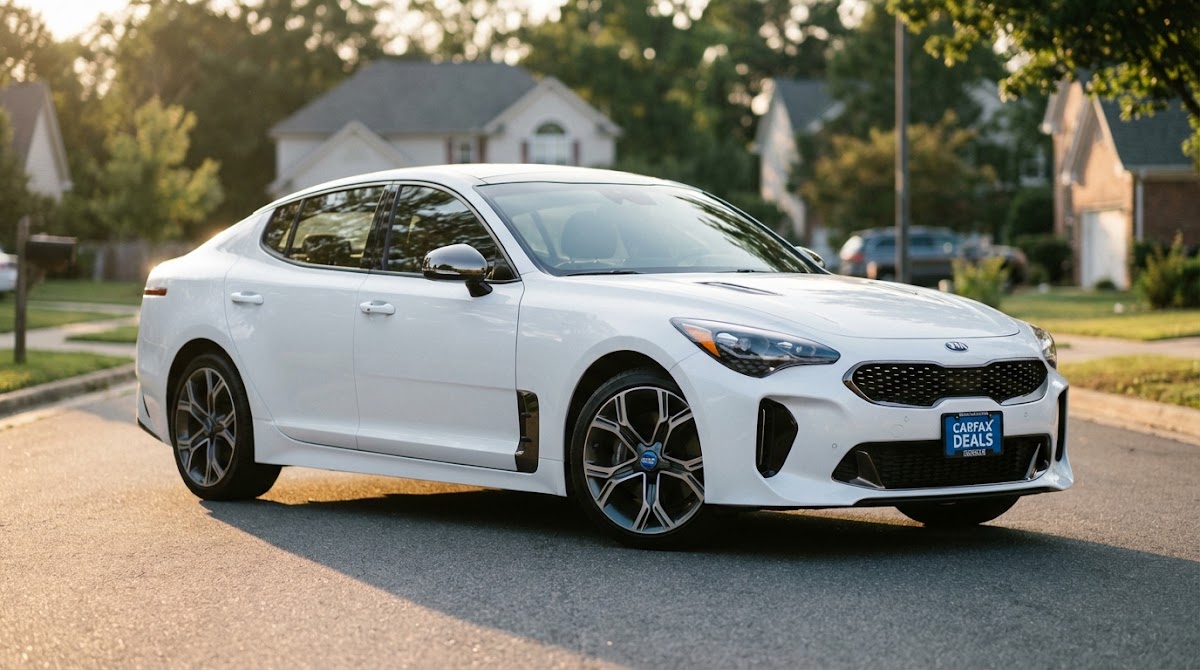
The Stinger is a performance-oriented mid-size sedan that pairs sporty engines and sharper tuning with practical interior space, and those performance components can raise the chance of higher repair costs compared with non-performance sedans.
Public safety testing generally shows solid crashworthiness for the Stinger in the years evaluated, though ratings vary by equipment and model year IIHS vehicle ratings and safety information.
At the same time, government defect records and aggregated owner complaints document recurring engine and electrical problems on some model years, so buyers should check the specific year and trim before deciding.
When you are looking at any Kia Stinger for sale, focus on model year, trim, and service history. A vehicle history report and verified repair records change the picture more than generalizations about the model.
Safety ratings, recalls and defect records
Independent crash testing gives the Stinger generally solid results, but those scores are tied to the model year and available safety equipment, so a safe overall impression needs model-year confirmation IIHS vehicle ratings and safety information.
In addition to crashworthiness, public recall and complaint records show patterns buyers should know. NHTSA pages and Cars.com list multiple recalls and owner complaints for Stinger model years around 2018 to 2022, with many reports focused on engine and electrical systems; confirming recall completion is a key step before purchase NHTSA vehicle page.
Recalls can range from minor software updates to components that affect drivability. For a used Stinger, ask the seller or dealer for proof that recall campaigns were completed at a certified repair facility, and verify the VIN on government recall lookup tools or dealer records.
Consumer reports and aggregated ownership summaries also describe reliability as mixed for the Stinger when compared with the broader brand average, which means some years and powertrains show more problems than others and merit closer review Consumer Reports model page.
Owner-reported problems: what buyers commonly see
Across complaint sites and owner forums, the most commonly mentioned categories are engine and turbocharger-related symptoms, electrical gremlins, and drivetrain or transmission complaints, which can appear more frequently on certain early production years CarComplaints Stinger overview.
Engine and turbocharger issues often show as oil leaks, reduced boost, or check-engine lights. On listings, look for notes about recent turbocharger work, oil consumption, or vague statements like recent engine service without documentation.
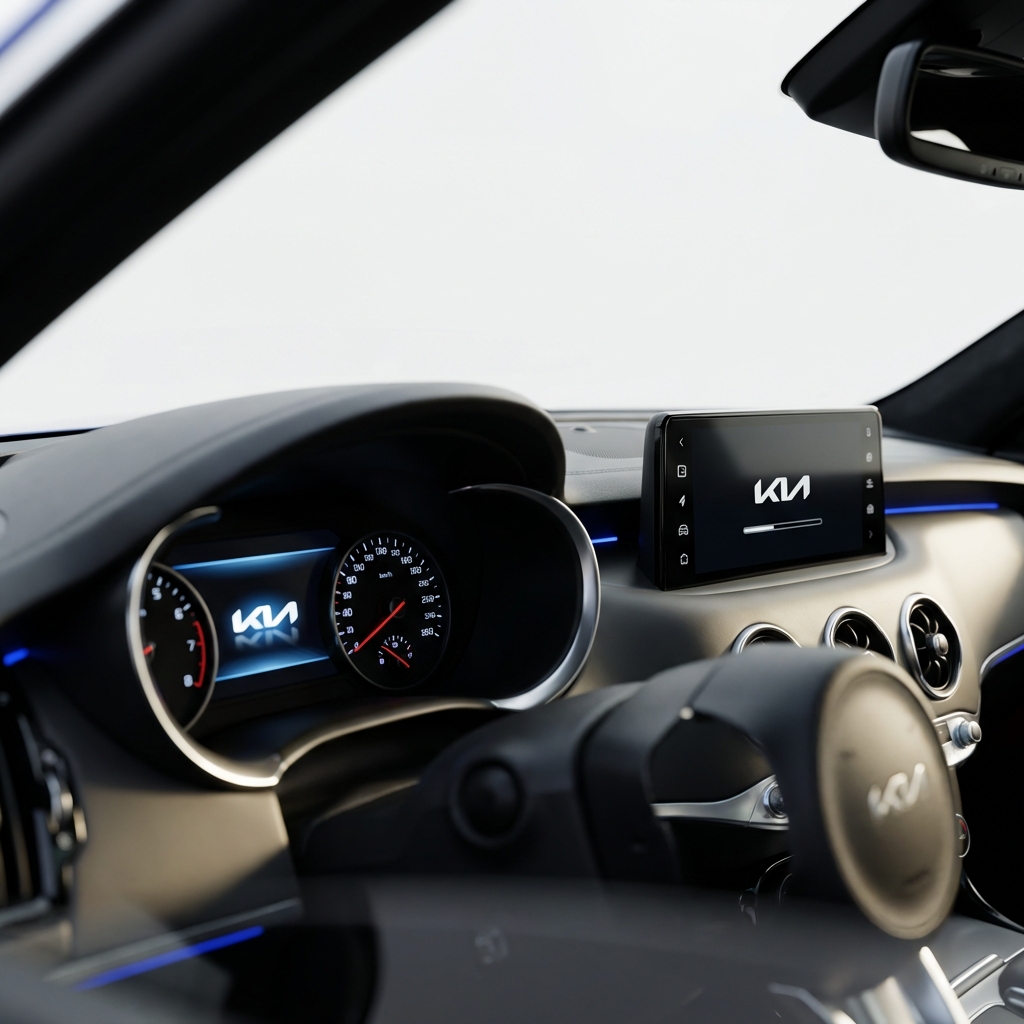
Electrical complaints can range from dashboard warning lights to intermittent accessory failures. These issues sometimes appear as recurring diagnostic trouble codes or flickering displays and can be harder to spot without a VIN-level history and a test drive that stresses systems.
Run Vehicle History Report before visiting the dealer
Before you visit a dealer, run a vehicle history report to confirm recalls and service records; this makes visible the events that matter most for used performance sedans.
Drivetrain and transmission symptoms may show during a test drive as rough shifts, delayed engagement, or unusual noises. If a listing notes a recent transmission repair, request documentation that explains the work and parts used.
Prioritize listings that include a documented service history, single-owner notes, or repair invoices. Absence of records, especially on performance trims, raises the need for professional inspection.
Reliability ratings, ownership costs and total cost to own
Aggregated reliability ratings describe the Stinger as mixed. Some resources place it near the brand average, while noting that performance components and turbocharged engines can increase repair frequency and cost on certain years Consumer Reports model page.
Total cost-to-own drivers for the Stinger tend to include fuel and insurance, both of which are higher for performance sedans, and intermittent higher repair bills when turbo or drivetrain components need service Edmunds pricing and TCO overview.
Owners may see moderate-to-high annual ownership costs compared with non-performance midsize sedans. That pattern is driven partly by the vehicle's engine choices and partly by the market for parts and labor for performance components.
When comparing total cost-to-own across model years, factor in local repair-cost variation, expected fuel use for the chosen powertrain, and whether key recalls or major repairs were completed under warranty or by certified facilities.
Step-by-step framework to evaluate a Kia Stinger for sale
Start your evaluation with a VIN-level vehicle history report. Use the report to confirm title status, ownership history, and service events before you schedule an in-person inspection; this is the most efficient way to surface prior damage or large maintenance events CarFax Deals guide to vehicle history reports.
Step 2, review service history and prefer single-owner, clean-title examples. A documented maintenance record that shows regular oil changes, scheduled timing checks, and any turbocharger or transmission service reduces uncertainty.
Step 3, inspect the listing details and photos for oil stains, aftermarket modifications, and evidence of deferred maintenance. Price analysis labels and local pricing context help set realistic ranges and highlight listings that may be underpriced because of hidden issues Edmunds pricing overview.
Step 4, arrange a test drive and a pre-purchase inspection with a mechanic who knows turbocharged engines and performance drivetrains. Ask the mechanic to check for oil leaks, boost pressure behavior, transmission shifting patterns, and any unusual noises.
Step 5, if repairs are documented, request invoices that list parts and labor. Confirm whether major repairs were performed by certified shops and whether any remaining warranty coverage or extended service agreements apply.
Step 6, use pricing insights and price analysis labels to compare similar listings by mileage, trim, and recall completion. This helps you decide if the asking price reflects likely near-term repair needs or is aligned with market expectations.
Common buying mistakes and inspection pitfalls
Relying on cosmetic condition alone is a frequent mistake. A well-presented exterior or refreshed interior does not reveal the presence of intermittent electrical faults or latent engine issues that can show up after purchase.
Ignoring recall or service gaps is another common pitfall. Some Stinger model years have documented recalls and owner complaints related to engine and electrical systems, so skipping recall checks can leave you responsible for repairs that should have been addressed under recall campaigns NHTSA vehicle page.
Skipping a professional pre-purchase inspection is risky, particularly for a performance sedan. Mechanics can spot signs of turbocharger wear, transmission problems, and prior repair work that a visual inspection or a short test drive might miss.
Also avoid accepting vague service statements like recent work without invoices. Always ask for paperwork that shows what was done, who performed the work, and which parts were replaced.
Buying scenarios, best-year considerations and final checklist
Low-mileage commuter: If you need a comfortable daily sedan with occasional spirited driving, prioritize later-production model years with documented recall completion, moderate miles, and a verified maintenance history.
Performance enthusiast: If you want the most engaging trims, focus on clean-title examples with documented turbo and drivetrain service, and budget for potentially higher repair and insurance costs that come with performance powertrains.
Budget-conscious shopper: Look for post-recall later-production years with evidence of routine maintenance, and choose higher-mileage examples only when service history and a mechanic inspection give confidence about major components Edmunds ownership overview.
The Kia Stinger has generally solid safety ratings but a mixed reliability record driven by engine and electrical complaints on some years; check VIN-level history, recall completion, and service records before buying.
Final short checklist before you contact a dealer: verify the VIN report, confirm recall completion, inspect for oil leaks and turbo signs, test transmission shifting, prefer single-owner and clean-title examples, and compare price analysis labels for local context.
Remember that some later-production years have tended to be better values in available data, but mileage, maintenance history, and recall completion are the primary factors that determine whether a used Stinger is a smart buy Consumer Reports model page.
Final thoughts for research-minded buyers
The Kia Stinger offers performance and practical space, and it can be a reasonable used purchase when buyers take an evidence-based approach that emphasizes VIN-level history, recall verification, and a focused mechanical inspection.
No single model label guarantees reliability. For research-first buyers, using vehicle history reports and price analysis labels helps surface risk and compare listings more quickly so you can prioritize the least risky examples.
Owners and aggregated complaint sites most often report engine and turbocharger symptoms, electrical gremlins, and occasional drivetrain or transmission issues. These tend to be more common on certain model years and are best evaluated with service records and a mechanic inspection.
Safety ratings vary by year and trim. Later-production years that completed recall campaigns and have documented maintenance tend to be safer choices, but check the specific year, trim, and equipment using independent ratings and a VIN report.
Expect fuel and insurance costs to be higher than non-performance midsize sedans. Also plan for moderate-to-higher repair bills if turbo or drivetrain work is needed. Compare total cost-to-own estimates across model years and factor local repair rates.
A Kia Stinger can be a sensible choice for buyers who accept some variability in reliability in exchange for performance. The deciding factors are model year, maintenance history, recall completion, and a mechanic inspection.
If you follow the checklist and use VIN-level reports and pricing context, you can identify listings that match your tolerance for ownership cost and repair risk.

 Blog
Blog