This guide helps research focused buyers decide which Mazda CX-5 model years to prioritize when shopping used. It explains why second generation CX-5s (2017 and later) tend to earn stronger safety and reliability marks, and shows how to combine IIHS and NHTSA crash ratings, Consumer Reports and RepairPal reliability context, and VIN vehicle history reports to pick the right year and trim. Use the short checklist and step by step framework to narrow candidates and confirm recalls and service history before contacting a dealer.
A step-by-step workflow for estimating a truck's market value that centers on comparing consumer valuation tools, adjusting for mileage and condition, and checking wholesale market signals. The guide explains private-party, trade-in and dealer retail values and shows how a vehicle history report and pricing insights can change an asking price.
This guide helps research oriented buyers evaluate suv used cars for sale under $25,000 by combining safety ratings, reliability data, local pricing context, and vehicle history checks. It outlines a simple framework, a pre visit checklist, and a decision scoring worksheet so you can compare finalists before contacting a dealer. Use the steps here to narrow candidates and confirm risk signals with a vehicle history report and a pre purchase inspection.
When searching suv used cars for sale, prioritize model year, trim and powertrain before choosing a make or model. This guide explains how safety ratings, dependability studies and local pricing insights combine to produce a short list you can verify with a vehicle history report. It also provides a stepwise checklist you can use before contacting a dealer.
Buying a used Mazda CX-5 involves choices about model year, trim, and powertrain that affect safety, reliability, and ownership cost. This guide helps research oriented buyers understand which years tend to perform better and what checks to run before contacting a dealer.
We focus on practical steps: where to find official safety ratings, how to interpret reliability and complaint aggregates, which recurring problems to watch for, and how to use a VIN vehicle history report and local price labels to prioritize listings.
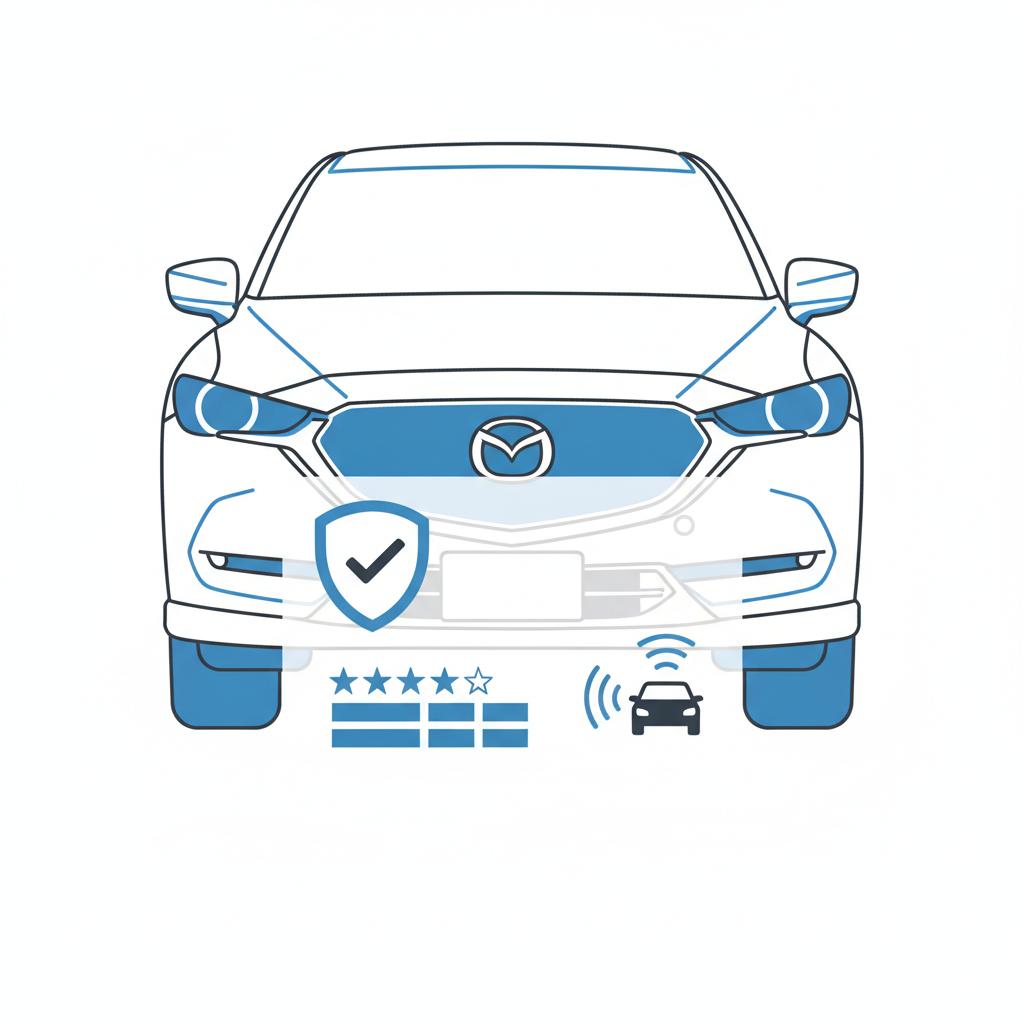
Later second generation Mazda CX-5s (2017 and newer) often balance strong crashworthiness with above average reliability when checked year by year.
Triangulate IIHS/NHTSA safety pages, Consumer Reports or RepairPal reliability context, and a VIN vehicle history report before buying.
Prioritize clean title, single owner, no accident reported, and consistent service history to reduce risk.
Quick answer and how to use this guide
Short summary: which years are worth prioritizing
For most research oriented buyers, later second generation Mazda CX-5s, broadly the 2017 and newer model years, tend to offer the strongest combination of crashworthiness and above average reliability; check the official safety pages for the model and trim you are considering to confirm specifics for a year and trim IIHS Mazda CX-5 ratings.
That general conclusion should be tempered by year and trim differences: some years show higher complaint clusters on certain engines or turbo variants, and safety or driver assist availability changed across the refreshes. Before acting, triangulate official crash ratings with Consumer Reports reliability notes and RepairPal complaint clusters, and then confirm any candidate VIN with a vehicle history report and a recall check.
Use a VIN, title and price label checklist to prioritize CX-5 listings
Run this checklist before contacting a dealer
How to read the rest of the article quickly
Use the section headers as a map. Start with Safety ratings and Reliability trends if safety and dependability are your top priorities. Move to Common problems and the Inspection checklist when you are under a listing and have a VIN. Refer to the Step by step framework to make a purchase decision that matches budget and feature priorities.
As you scan listings, prioritize clean title, single owner, no accident reported, and well maintained labels on the history report to narrow the field before any test drives or calls.
Why the model year matters for Mazda CX-5: definition and context
Overview of generations and mid cycle refreshes
The CX-5 has distinct generations and mid cycle updates that matter for safety equipment, powertrain choices, and available driver assist systems. For a used buyer, generational boundaries and refresh years are shorthand for what features and engineering updates the car may include. To confirm the exact safety equipment and crash ratings for a specific model year and trim, consult the official crash test pages for that year and trim.
Changes that occur during a mid cycle refresh often include suspension tuning, infotainment updates, and incremental safety equipment improvements. Starting around the early 2020s, many CX-5 trims received refined driver assist options and updated sensors that can affect ratings and repair complexity over time J.D. Power VDS release.
Which model year changes tend to matter most
When comparing years, focus on three categories of change: crashworthiness and structure updates, powertrain revisions (including the introduction or change of turbocharged engines), and the availability of active safety features. Each of those can affect both short term reliability experience and long term ownership costs.
Driver assist and active safety lists expanded on many CX-5s after 2021, which often improved safety ratings for certain trims but also added components that can increase repair complexity if they fail. For that reason, some buyers accept higher up-front cost for the added safety features while others prefer earlier trims with simpler systems to reduce potential repair complexity.
Safety ratings and changes by model year
How to read IIHS and NHTSA pages for a specific year
To evaluate crashworthiness for a candidate CX-5, look up the model year and exact trim on the IIHS and NHTSA pages and compare frontal, side, and rollover ratings. Trim level can change available safety equipment, so confirm the trim when you match a listing to an official rating page NHTSA pages.
When you read those pages, pay attention to which driver assist features were present for that specific trim and year, and whether any tests note limitations tied to certain options or packages. That helps set expectations for both on-road protection and the complexity of potential repairs if a sensor or module needs service.
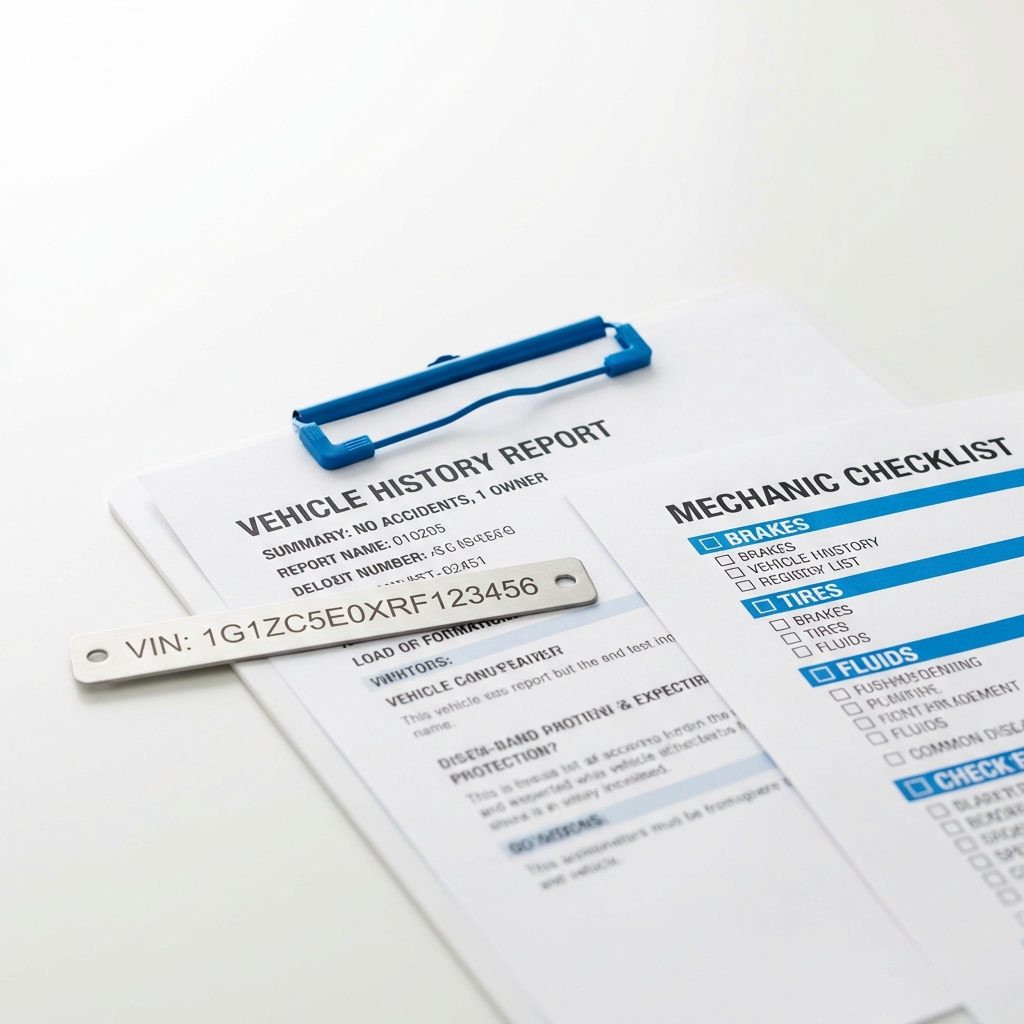
Run a vehicle history report for any CX-5 you shortlist
Before you contact a dealer, run the safety and recall checks on a candidate VIN so you know which safety features and open recalls apply to the exact vehicle you are considering.
Pattern-wise, many second generation CX-5 model years, beginning in 2017, earn good or acceptable crashworthiness marks, making later second generation years a reasonable baseline for buyers prioritizing standard crash protection; confirm the specific year and trim on the official rating page for final judgment IIHS Mazda CX-5 ratings.
Reliability trends and dependability by year
Where to find Consumer Reports and RepairPal data
Consumer Reports and RepairPal offer complementary perspectives: Consumer Reports aggregates owner surveys and lab testing, while RepairPal collects repair frequency and common problem types. Use both sources to get a sense of year level signals and to spot recurring complaints that matter for the trims you are considering Consumer Reports Mazda CX-5 review.
Overall, the CX-5 often rates above average for reliability in aggregated sources, but year to year variation is present. When reliability differences show up in dependability studies, they also tend to correlate with resale strength and typical ownership cost patterns.
How dependability links to resale and TCO
Industry dependability results can be used as a proxy for likely long term repair frequency and resale demand. Choosing years that score better in dependability reports often reduces estimated total cost to own when other factors are similar, because better dependability tends to mean fewer unexpected repairs and stronger resale interest J.D. Power VDS release.
That said, use dependability studies as one input. Combine them with real world complaint clusters and vehicle history to account for how a specific VIN was maintained and whether common problems for a year and trim were addressed.
Common problems, recalls, and issue clusters to check
Recurring complaints reported on RepairPal and NHTSA
RepairPal and NHTSA complaint records show recurring clusters on certain CX-5 years and trims. Commonly reported items include reports of oil consumption and engine or turbo related complaints on particular powertrain variants; verify whether a candidate car has a history of those issues before assuming suitability RepairPal Mazda CX-5 page.
When you see a recurring complaint that matches the engine type of a listing, check the vehicle history report for repeated repairs or long maintenance gaps that could signal an unresolved issue.
How to check the recall database for any VIN
The NHTSA recall search is the authoritative place to confirm open recalls for a specific model and year. After you have a VIN, run the recall search and interpret the results to see whether safety related recalls remain open for the exact vehicle you are evaluating NHTSA recall search for Mazda CX-5. Also check the manufacturer's recall lookup Mazda Recall Information.
Service history entries in a vehicle history report can reveal repeated repairs such as oil system work or turbocharger repairs. Use those entries to decide whether to proceed to inspection and test drive or to remove a listing from your short list.
How to use a vehicle history report and price analysis when evaluating listings
Which report items matter most: title, ownership, accident, service
A vehicle history report should be your first filter. Key items to review include title status, ownership history, accident history, service history, and mileage checks. These items let you prioritize listings that match your risk tolerance, such as clean title and single owner for lower record complexity. vehicle history report
When you read the report, flag repeated repairs, inconsistent mileage trends, or salvage/rebuilt title indicators. Those items often matter more than cosmetic issues when estimating long term cost and resale potential.
How to combine report findings with price analysis labels
Price analysis labels such as Great Deal, Good Deal, and Fair Deal provide local market context. Use those labels to set realistic offer ranges and to prioritize which listings to contact first, but do not let a single label replace VIN-level verification and a visual inspection.
After a history review and a label check, confirm open recalls by VIN and plan a pre purchase inspection for vehicles with any sign of recurring mechanical work or high option content.
A step by step framework: pick the best year for your priorities
Step 1: set your priorities (safety, cost, features)
Start by ranking what matters most: safety rating, long term ownership cost, and feature set. Safety oriented buyers should favor later second generation years with more driver assist options; budget buyers may prefer earlier trims with simpler systems and fewer potential repair points.
Write a short buyer priority list before you filter listings. That helps keep your decisions consistent when several similar listings are available.
Later second generation Mazda CX-5s (2017 and newer) generally offer a strong balance of crash protection and above average reliability, but the right year depends on your priorities, trim, and the VIN level history; confirm using safety ratings, reliability sources, and a vehicle history report.
Step 2: narrow by years and trims using ratings and reports
With priorities set, narrow candidates by consulting IIHS and NHTSA safety pages for the year and trim, then check Consumer Reports and RepairPal for reliability context. Use dependability study results when you want to weigh resale and long term cost in the decision Consumer Reports Mazda CX-5 review.
For each shortlisted year and trim, note any recurring complaint clusters and whether recalls or service bulletins affect that model year. That reduces surprises later in inspection or ownership.
Step 3: confirm VIN level history, recalls, and local price
Finally, run a VIN vehicle history report and a recall check for each candidate. Compare the report findings against price analysis labels to set a realistic offer and to prioritize in person inspections or calls to the dealership NHTSA recall search for Mazda CX-5.
If a VIN shows repeated engine or oil system repairs that match known complaint clusters, treat that as a higher risk and either remove it from your short list or require a specialist inspection.
How trim, engine and options change the picture
Which powertrains to prioritize for reliability
Engine choice matters. Naturally aspirated engines and lower option trims generally have simpler systems and fewer potential high cost repair points than turbo variants. If long term repair cost is a priority, give extra weight to trims with well documented reliability and fewer turbocharged powertrains reported with complaints RepairPal Mazda CX-5 page.
Confirm the exact engine code and transmission variant in the vehicle history report and in the dealer listing before scheduling an inspection or test drive.
How high option content affects repair risk and value
High option content, especially advanced driver assist systems or larger infotainment modules, can increase both safety and repair complexity. These systems may improve crash ratings but add components that can be costly to repair if they fail or are damaged.
Weigh the value of convenience and safety features against the potential for more expensive repairs when deciding whether to prioritize a heavily optioned CX-5 for your budget.
Typical mistakes buyers make and how to avoid them
Overreliance on a single source of data
Buyers often rely on a single review or a single price label. That can miss year specific complaint clusters or open recalls. Always triangulate across IIHS/NHTSA pages, reliability sources, and VIN history before forming a final view IIHS Mazda CX-5 ratings.
Use a vehicle history report to confirm service history and to spot repeated repairs that a single listing description might omit.
Ignoring recalls or service gaps
Some buyers skip recall checks until after purchase. That increases risk and may affect safety. Run a recall search by VIN and confirm the repair history items that address safety recalls before you finalize an offer NHTSA recall search for Mazda CX-5.
If you find gaps in routine maintenance on the history report, treat those vehicles as higher risk and consider a pre purchase inspection or a maintenance contingency in your offer.
Practical examples and scenarios: which years to favor by buyer type
Family buyer who prioritizes safety and features
A family buyer often benefits from a later second generation CX-5 with more driver assist features and higher safety equipment content, bearing in mind the need to check exact trim and whether the safety features were standard on that year and trim. Confirm those features on the IIHS or NHTSA pages for the model year you are considering IIHS Mazda CX-5 ratings.
After narrowing by year and trim, run a VIN level report and a recall check, and prioritize listings with clean title, single owner, and consistent service history.
Budget buyer who prioritizes low repair cost
Budget conscious shoppers may prefer earlier second generation years or lower option trims with naturally aspirated engines to reduce repair complexity and potential long term cost. Use RepairPal and dependability study context to spot trims with fewer reported high cost repairs RepairPal Mazda CX-5 page.
For budget buyers, insist on a vehicle history report and a focused inspection that checks engine health and looks for signs of oil consumption or prior engine repairs.
Inspection checklist and test drive items specific to the CX-5
Visual checks tied to common problems
Visually inspect for oil leaks, smoke on cold start, and check turbo plumbing and intercooler lines on turbo variants. Look for fresh mechanical repairs that might indicate recurring problems, and compare service records in the history report to visible repair evidence.
Also check for water damage and body repairs that could affect sensor alignment for advanced safety systems.
Test drive signs to watch for (engine noise, oil usage)
On the road, listen for unusual engine noise, check for hesitation under load, and note transmission behavior during shifts. For suspected oil consumption, monitor oil level behavior across the test drive if possible and review recent oil change entries in the vehicle history report.
When in doubt, add a specialist compression and leak down test to a pre purchase inspection for any engine showing signs of oil consumption or roughness.
When in doubt, add a specialist compression and leak down test to a pre purchase inspection for any engine showing signs of oil consumption or roughness.
Ownership cost, resale and negotiation considerations
How dependability affects total cost to own
Dependability results correlate with typical repair patterns and resale demand, so years that score higher in industry studies tend to cost less to own over time on average. Use those studies as one input when estimating ownership cost, then adjust for local labor and parts costs.
Factor in the potential for higher repair costs on trims with advanced driver assist systems or turbocharged engines when setting your maintenance and contingency budget.
Using local price analysis when making offers
Use local price labels to set realistic offer ranges. If a listing is labeled a Good Deal or Great Deal locally, confirm that the VIN history supports the pricing before making an offer, and use any identified issues as negotiation points.
Always document the VIN-level findings that justify your offer so you can present clear, evidence based reasons if you need to negotiate with the dealer.
Conclusion: checklist and next steps
One page checklist to take to the dealer
Checklist to bring when you contact a dealer or inspect a CX-5: VIN and vehicle history report, NHTSA recall check results, IIHS/NHTSA ratings printout for the model year and trim, service history summary, and your price analysis target. Prioritize listings with clean title, single owner, no accident reported, and consistent maintenance records.
Run a final VIN vehicle history report and recall search before you make an offer, and consider a pre purchase inspection for any vehicle with recurring repairs or high option content.
Where to save useful links and searches
Save the IIHS and NHTSA pages for the model year you are considering, a Consumer Reports reliability summary, and RepairPal notes for the CX-5 to your research folder. Use price analysis labels to keep local context in your decisions and treat CarFax Deals as a decision support layer that surfaces vehicle history reports and pricing insights when available.
Following this process helps you narrow candidates to the model years and trims that best match your priorities while reducing the risk of surprise repairs or unresolved recalls NHTSA recall search for Mazda CX-5.
Run an NHTSA recall search by VIN and compare results to the vehicle history report; follow dealer guidance for recall repairs before purchase.
Later second generation years (2017 and newer) generally show stronger safety and reliability marks, but year and trim differences matter and should be checked with reliability sources and VIN history.
Non turbo variants tend to have simpler systems and potentially lower repair complexity, while turbo trims can offer more performance but may show different complaint clusters; confirm service history and inspect the turbo system if choosing a turbo model.
Use the checklist and framework in this guide to make a targeted short list before you contact any dealer. Run the VIN vehicle history report and recall check for each candidate, and consider a pre purchase inspection for vehicles with recurring repairs or high option content.
CarFax Deals can serve as a decision support layer to surface vehicle history reports and pricing insights, helping you compare listings faster and prioritize lower risk candidates without implying any guarantees.


 Blog
Blog