What is the best year for a Toyota Tundra? A practical used buying guide
This guide helps research oriented buyers decide which model year to target when looking for a Toyota Tundra used for sale. It highlights generation differences, common problems by year, and a step by step pre purchase framework that emphasizes VIN checks, service history and inspections.
A step-by-step workflow for estimating a truck's market value that centers on comparing consumer valuation tools, adjusting for mileage and condition, and checking wholesale market signals. The guide explains private-party, trade-in and dealer retail values and shows how a vehicle history report and pricing insights can change an asking price.
This guide helps research oriented buyers evaluate suv used cars for sale under $25,000 by combining safety ratings, reliability data, local pricing context, and vehicle history checks. It outlines a simple framework, a pre visit checklist, and a decision scoring worksheet so you can compare finalists before contacting a dealer. Use the steps here to narrow candidates and confirm risk signals with a vehicle history report and a pre purchase inspection.
When searching suv used cars for sale, prioritize model year, trim and powertrain before choosing a make or model. This guide explains how safety ratings, dependability studies and local pricing insights combine to produce a short list you can verify with a vehicle history report. It also provides a stepwise checklist you can use before contacting a dealer.
Choosing a used Toyota Tundra means balancing reliability, towing needs and long term ownership costs. This guide walks through generation differences, known problem areas by year, and a clear pre purchase workflow so you can compare listings with confidence.
The focus is practical. Read this if you plan to search for a toyota tundra used for sale and want a step by step approach that reduces uncertainty before you contact a dealer.
Late second generation Tundras, roughly 2014 to 2021, are commonly recommended for used buyers seeking a balance of durability and fewer systemic complaints.
2022 and newer Tundra models replaced many V8s with turbocharged V6 and hybrid options, changing fuel economy and performance tradeoffs.
Always run a VIN level vehicle history report and schedule a pre purchase inspection before shortlisting any used Tundra.
Quick answer: which Toyota Tundra year is likely best for most used buyers
For many used buyers, late second generation Toyota Tundra models roughly from 2014 to 2021 offer the best balance of conventional V8 durability and fewer systemic complaints compared with older first generation trucks, according to reliability evaluators and aggregated reports Consumer Reports.
The third generation, starting in 2022, changed the powertrain approach with turbocharged V6 engines and the i-FORCE MAX hybrid option, which alters fuel economy and performance tradeoffs but still lacks long term, multi ownership durability data as of 2026 Edmunds model overview.
Regardless of year, a VIN level recall and defect check is essential because government and manufacturer records document multiple recalls and service campaigns across generations NHTSA recall database. You can also check the NHTSA recalls page for broader recall search results NHTSA recalls.
Run a VIN report and compare pricing labels
Compare local listings with price analysis labels and a VIN report before shortlisting any truck.
One sentence recommendations by buyer profile: commuter and family buyers often favor late second generation trucks for predictable maintenance and familiar V8 drivetrains; towing and heavy use buyers may also prefer those years for proven towing setups; buyers prioritizing the newest tech or better EPA numbers can consider 2022 and newer but should plan for more active monitoring of owner reports.
Understand the Tundra generations and what changed
The Tundra is easiest to evaluate by generation: first generation covers roughly 2000 to 2006, second generation runs from 2007 to 2021, and the third generation begins in 2022. Each generation reflects different engineering priorities and common ownership tradeoffs.
First generation models are mechanically simple and parts are widely available, but many of those trucks show age related issues today that affect chassis longevity and resale. Second generation Tundras kept traditional V8 powertrains through most of their run and benefited from incremental refinements that improved reliability and occupant features Consumer Reports.
The third generation introduced a shift in powertrain design, replacing many V8s with turbocharged V6 engines and offering the i-FORCE MAX hybrid option. That change generally improves EPA rated fuel economy for some configurations and offers strong torque, but it also represents a new architecture where long term durability across many high mileage owners is still being observed Edmunds model overview.
Which generation to target depends on priorities. If towing and a familiar V8 are primary, late second generation years are often preferred. If the priority is the newest safety or efficiency packages and accepting some uncertainty on long term maintenance, 2022 and newer models may be worth a closer look.
Why VIN checks, recalls and service history matter for every Tundra
NHTSA and Toyota recall records show that multiple model years have received safety recalls and technical service campaigns, so a VIN level check can reveal outstanding recalls or campaigns that a model year summary alone will not show NHTSA recall database. See Toyota's press release for model specific campaign notices Toyota press release.
A manufacturer's recall lookup can also list service campaigns that may have been completed under warranty or during dealer service; confirming completion by VIN reduces the chance of unexpected repair obligations Toyota recall lookup.
For many buyers, late second generation years around 2014 to 2021 balance conventional V8 durability and fewer systemic complaints, but individual vehicle history, condition and inspected issues should determine the final choice.
A vehicle history report complements recall checks by showing title status, reported accidents, ownership history and mileage checks. Those items change the risk profile of a listing in ways that model year alone cannot capture, and they help prioritize inspections and negotiation points.
How resale value and pricing context affect which year you should target
Independent value analyses show the Tundra tends to retain value strongly relative to many full size pickup competitors, so resale expectations should be part of the year selection process Kelley Blue Book values.
High retained value changes the total cost to own because a steeper resale can offset higher upfront pricing, while older low priced examples may carry higher maintenance or restoration risk. Use local market context when comparing listings; two trucks with similar mileage and trim can vary significantly by region.
Price analysis labels such as Great Deal, Good Deal and Fair Deal help prioritize listings at a glance, but they work best when combined with a VIN check and service history confirmation. Treat labels as one input, not a substitute for the vehicle history and inspection steps.
A practical pre-purchase framework for evaluating a used Tundra
Step 1: Run a VIN level vehicle history report to confirm title status, ownership history, reported accidents and mileage checks. The report answers many questions before you schedule an inspection.
Step 2: Review service history and dealer notes. Look for consistent maintenance records and ask whether major services were completed at recommended intervals; gaps matter more than perfect records.
Combine a VIN report with an OBD scan and photo checklist
Use during the viewing
Step 3: Schedule a pre purchase inspection that focuses on chassis and frame condition, suspension wear, and transmission behavior. Include an OBD scan to detect stored fault codes that may not trigger a warning light but indicate underlying issues RepairPal reliability notes.
Use the results to prioritize repairs or walk away. A structured workflow reduces ad hoc decisions and helps compare multiple listings consistently.
Decision criteria: weighing reliability, powertrain choice and ownership cost
Reliability evaluators generally rate late second generation years more favorably on average, which often implies lower expected maintenance needs compared with older first generation trucks Consumer Reports.
Translate ratings into expected maintenance by estimating local labor rates, typical service intervals for the model year and likely wear items. That creates a more realistic total cost to own than a single reliability score.
Fuel economy and powertrain tradeoffs matter. Traditional V8 models are familiar and often cheaper to repair for shops used to older truck architectures. Newer turbocharged V6 and hybrid i-FORCE MAX powertrains can reduce fuel costs but introduce newer systems whose long term maintenance profile is still emerging, so factor uncertainty into ownership cost estimates Edmunds model overview.
Common problems and red flags by model year
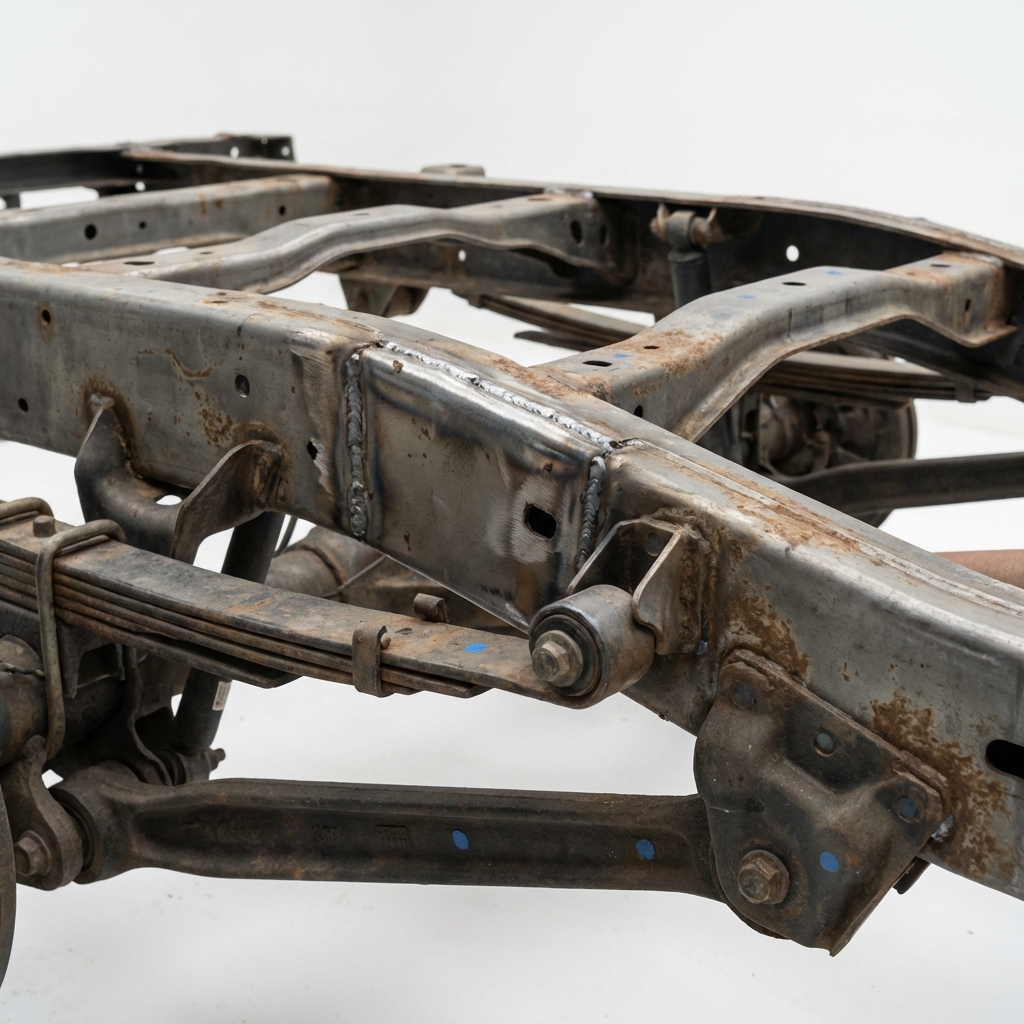
Older Tundra trucks have recurring corrosion and frame related concerns reported in public repair databases and owner reports; these issues affect safety and resale and should be checked in person or by inspection RepairPal reliability notes.
Certain model years have reported transmission and drivetrain complaints in owner and complaint databases. During a test drive, pay close attention to shifting behavior, delay under load and unusual driveline noises, which are commonly reported symptoms.
Red flags in records or photos include inconsistent mileage history, title brands, large gaps in service history and unaddressed rust on frame members. Those items often change a reasonable offer into a pass or a subject to inspection condition.
Inspection priorities: what to check in person and what to photograph
Chassis and frame inspections should look for surface rust that is cosmetic and deeper corrosion that suggests structural concern. Ask for photos of the undercarriage and look for signs of welding or patch panels indicating previous frame repairs NHTSA recall database.
Check suspension components, bushings and wheel bearings for play and visual wear. During slow speed maneuvers, listen for clunks and check for uneven tire wear that may indicate alignment or suspension issues.
Photograph electronics and body panels to document inconsistent paint, mismatched panels or repairs. Use dated photos to preserve a record for negotiation and further inspection scheduling.
Test drive and OBD checks: what to listen for and scan results to avoid
During a test drive, include transmission and driveline tests such as accelerating at different loads, towing mode checks if available and hill starts to reveal hesitation or load related shifts. These routines can surface problems that do not appear in idle diagnostics Consumer Reports.
An OBD scan often reveals stored fault codes that may not trigger a dashboard light. Common codes associated with drivetrain or emissions issues should be interpreted with a technician; ask the seller for a recent scan or bring a handheld scanner to the viewing.
Record OBD outputs and test drive notes so a mechanic can quickly assess whether codes and symptoms indicate an urgent issue or routine maintenance. Sharing results speeds up decision making and can reduce surprise repairs.
Trim, options and model year details that change value and ownership experience
The exact trim and powertrain often matter more than year alone. Towing capacity, payload and available safety features can vary by trim and change insurance and fuel costs Kelley Blue Book values.
Option packages that add payload or towing equipment generally increase resale value but can also add mechanical complexity. Conversely, simple work truck trims may cost less to maintain but have lower long term resale.
Always confirm model year, trim and powertrain via the listing and the VIN report before comparing prices. Small differences in equipment and final drive ratio can change ownership expectations.
Real world scenarios: best year by buyer profile and budget
Commuter and family buyers who want predictable maintenance and familiar drivetrains often target late second generation Tundras around 2014 to 2021 because those years combine V8 durability with refined features and are commonly recommended in reliability summaries Consumer Reports.
Towing and heavy use buyers may also prefer well maintained second generation trucks for proven towing setups. Focus on service records showing regular transmission and differential maintenance when towing is expected.
Buyers prioritizing the newest fuel economy or tech can consider 2022 and newer turbo and hybrid models but should accept that the long term behavior of those systems across 100k plus miles remains an open data point, so plan inspections and a slightly higher risk tolerance Edmunds model overview.
Emerging questions for 2022 and newer turbo and hybrid powertrains
What we know so far is that 2022 and later Tundra models use turbocharged V6 engines and the i-FORCE MAX hybrid system which shift fuel economy and performance tradeoffs compared with older V8s Edmunds model overview.
Open data gaps remain around long term durability of the turbo and hybrid systems through multiple high mileage ownership cycles. Buyers should monitor owner reports and updated reliability studies as more high mileage examples accumulate.
Until larger reliability samples exist, treat 2022 plus powertrains as promising but not fully proven for multi owner, high mileage use; factor that uncertainty into your maintenance reserve and inspection checklist.
How CarFax Deals can fit into your used Tundra search
CarFax Deals functions as a verification and pricing context layer by surfacing vehicle history reports that may include accident history, ownership history, service history, mileage checks and title status along with price analysis labels.
Use the platform to check title status, ownership and service history while comparing similar dealership listings and to view price analysis labels such as Great Deal, Good Deal and Fair Deal. Treat these signals as inputs for your inspection and negotiation planning rather than guarantees of condition Kelley Blue Book values.
Final checklist and next steps before contacting a dealer
Summarized checklist: run a VIN vehicle history report, confirm title status, verify service records, schedule a pre purchase inspection, perform an OBD scan and document test drive notes. Use pricing insights to compare similar listings and to prioritize inspections.
Deal breakers include major frame corrosion, branded titles without full disclosure, and significant odometer discrepancies. Issues that can be negotiated or scheduled for repair include routine wear items and non structural body repair when priced appropriately.
Compare final candidates using price analysis labels and VIN history and prepare a concise list of questions for the dealer. A calm, documented approach helps you shortlist with confidence.
Many evaluators favor late second generation years, roughly 2014 to 2021, for a balance of V8 durability and fewer systemic complaints.
Not necessarily. 2022 and newer introduce turbocharged V6 and hybrid powertrains that improve fuel economy for some buyers, but long term durability across many high mileage owners is still being observed.
A VIN level vehicle history report combined with a pre purchase inspection and an OBD scan is the most effective single workflow to reduce risk.
Shortlist a few candidates, run VIN vehicle history reports and schedule inspections. Combine price analysis labels with service records to make an informed choice and then confirm items from the final checklist during dealer conversations.
A calm, documented approach helps turn listings into confident purchase decisions.

 Blog
Blog