Can a trackhawk go 200 mph? Evidence and buyer guidance
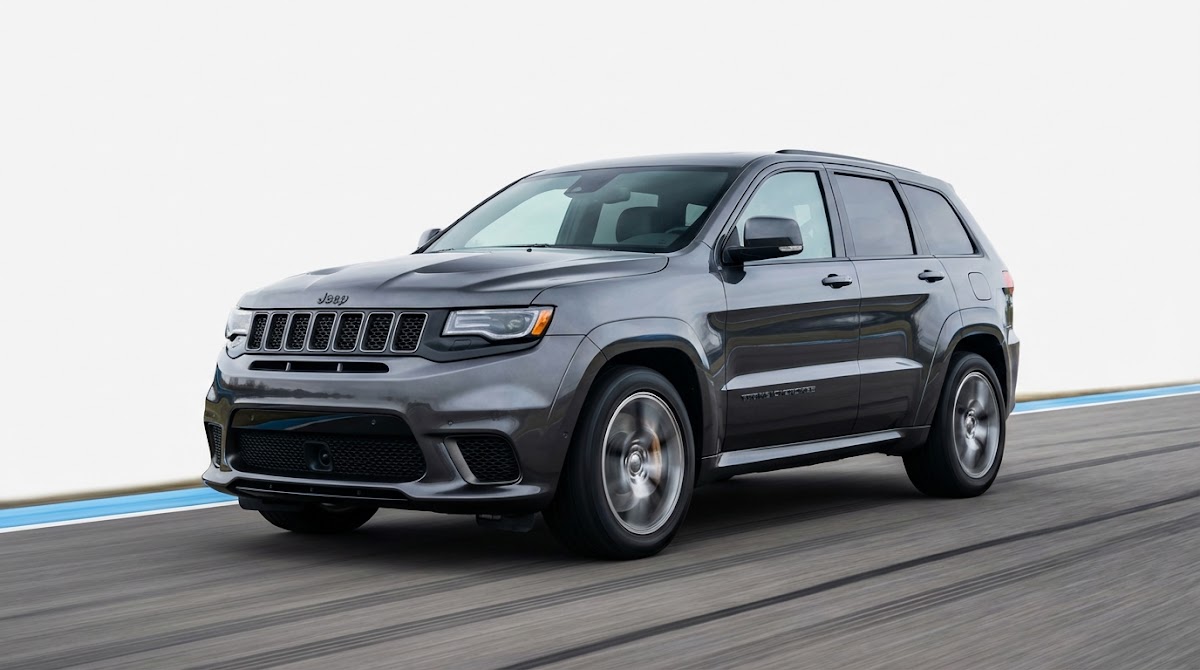
If you are searching trackhawk for sale, this article explains what a stock Jeep Grand Cherokee Trackhawk can realistically do and what it takes to aim for 200 mph. Manufacturer specs and independent road tests place the stock top speed near the high 170s to about 180 mph, and sustained 200 plus mph capability typically requires major modifications, special tires and professional testing.
A step-by-step workflow for estimating a truck's market value that centers on comparing consumer valuation tools, adjusting for mileage and condition, and checking wholesale market signals. The guide explains private-party, trade-in and dealer retail values and shows how a vehicle history report and pricing insights can change an asking price.
This guide helps research oriented buyers evaluate suv used cars for sale under $25,000 by combining safety ratings, reliability data, local pricing context, and vehicle history checks. It outlines a simple framework, a pre visit checklist, and a decision scoring worksheet so you can compare finalists before contacting a dealer. Use the steps here to narrow candidates and confirm risk signals with a vehicle history report and a pre purchase inspection.
When searching suv used cars for sale, prioritize model year, trim and powertrain before choosing a make or model. This guide explains how safety ratings, dependability studies and local pricing insights combine to produce a short list you can verify with a vehicle history report. It also provides a stepwise checklist you can use before contacting a dealer.
If you are looking at a trackhawk for sale because of extreme speed claims, this article gives a clear, evidence based view of what a stock Jeep Grand Cherokee Trackhawk can do. We summarize factory specifications and independent road tests, then explain the engineering limits that typically prevent a stock SUV from reaching 200 mph.
The goal is practical: help you spot verified claims, know what documentation to request, and decide what additional inspection steps make sense before pursuing a purchase.
Factory specs and mainstream road tests place the stock Trackhawk's top speed around 180 mph, not 200 mph.
Sustained 200 plus mph runs require power, gearing, aerodynamic and tire upgrades plus professional testing.
Ask for dyno sheets, tire certification and independent run logs when a listing claims extreme speed.
Quick answer for buyers: can a Trackhawk reach 200 mph?
Short summary for shoppers searching trackhawk for sale
Short answer for buyers: a stock Jeep Grand Cherokee Trackhawk is not documented to reach 200 mph in verified, repeatable public tests; factory figures and major road tests put the stock top speed near the high 170s to about 180 mph, so buyers should treat 200 mph claims with caution Jeep archived product page.
The Trackhawk's 6.2L supercharged HEMI and 707 hp give strong straight line acceleration, but published manufacturer material and mainstream test outlets show the production car's top speed does not reach 200 mph in stock form Car and Driver first drive.
Run a vehicle history report for any Trackhawk listing
Read the buyer checklist later in this article if you are evaluating any Trackhawk for sale that claims unusually high top speeds.
This piece gives evidence from factory specifications and road tests, explains the engineering limits that stop an SUV from reaching sports car top speeds, and outlines the common modifications tuners use to exceed 200 mph.
Later sections offer a practical buyer checklist, red flags, and safety and legality guidance so you can evaluate a listing or ask a seller the right questions.
What the Trackhawk is and what factory specs say
Engine, power and factory published top speed
The Trackhawk uses a 6.2L supercharged HEMI V8, rated at about 707 hp in its factory configuration, and that power level is the starting point for published top speed estimates from the manufacturer Jeep archived product page.
The vehicle's power and drivetrain are engineered for high performance within the constraints of an SUV body, but manufacturer materials from the original release continue to be the baseline reference for stock top speed figures through later model years up to 2026.
What manufacturer pages and archived specs show for stock performance
Jeep's archived product pages and the original specification sheets list a published top speed in the vicinity of the high 170s to around 180 mph for the stock Trackhawk, and that published figure is the primary factory benchmark for buyers evaluating performance claims Jeep archived product page.
Road test outlets that validate acceleration and top speed as part of their testing programs typically report results consistent with those factory figures rather than with 200 mph stock claims Car and Driver first drive.
Why a stock Trackhawk tends to stop short of 200 mph: aero, gearing and tires
How aerodynamics and SUV shape affect top speed
An SUV body shape produces higher aerodynamic drag than a low drag sports car, which means the same engine power delivers a lower terminal speed when drag rises with the square of velocity; for the Trackhawk this aerodynamic penalty is a core reason stock runs stop well below 200 mph Road & Track analysis.
Higher frontal area and a less favorable coefficient of drag create a power requirement that increases quickly as speed climbs, so even with available engine power the airflow forces become a limiting factor for top speed on an SUV platform.
The Trackhawk's mass and ride height also influence how designers tune aerodynamics and cooling, and those packaging needs can conflict with the low drag setups seen on dedicated top speed cars.
Final drive, gearing and tire diameter limits
Factory final drive ratios and transmission gearing create a practical gearing cap on top speed; the Trackhawk's stock gearing is balanced for acceleration and drivability rather than for sustaining excessive top speed on long runs MotorTrend first test.
To raise theoretical top speed without adding extreme power, tuners re gear the final drive or alter tire diameter, but those changes have trade offs for acceleration, component stress and daily usability.
Tire speed ratings and construction limits
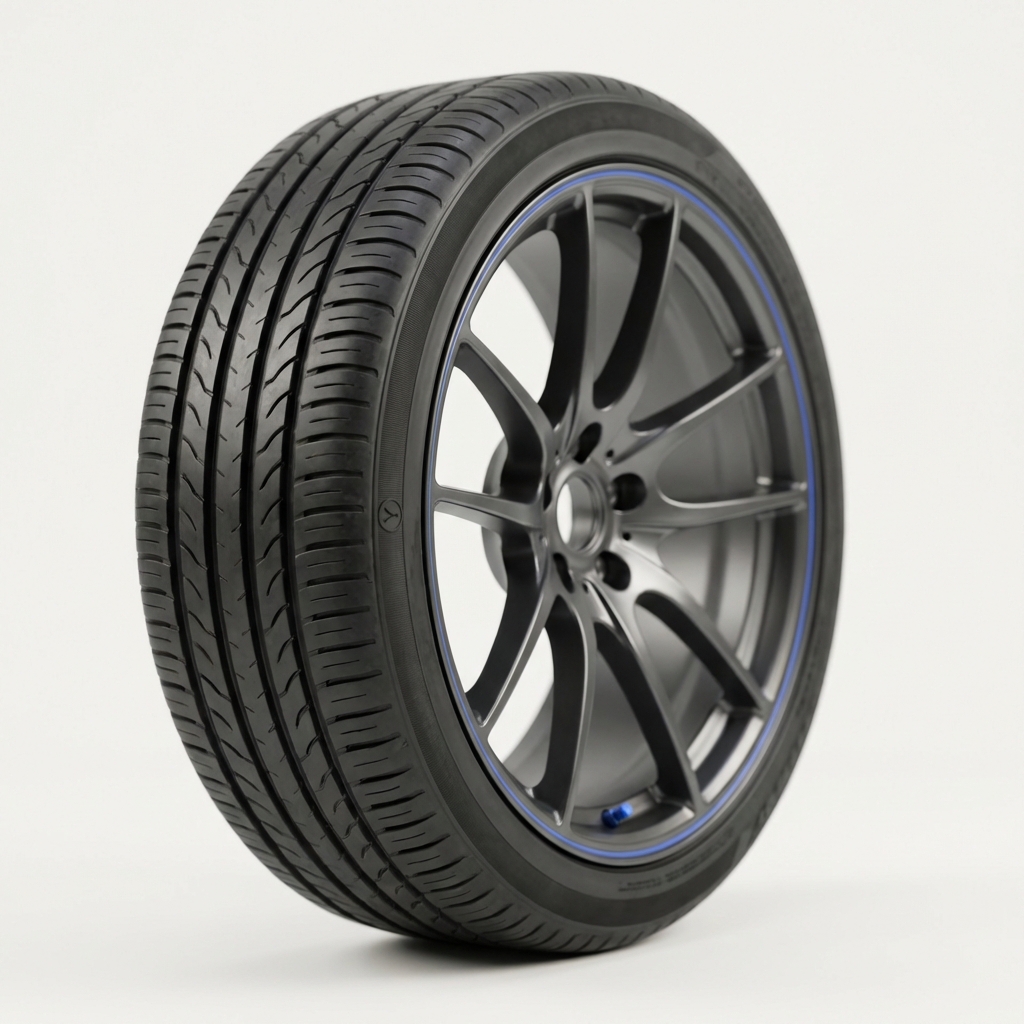
Tires are often the practical hard limit for sustained very high speeds because OE tire constructions and speed ratings are not validated for continuous 200 plus mph operation; achieving such speeds safely requires tires with explicit certification for those velocities NHTSA guidance on speeding risks.
Beyond the rating, tire construction, heat tolerance and wheel compatibility must be confirmed, because a tire failure at extremely high speed would have catastrophic consequences and void many insurance and warranty considerations.
What independent road tests actually measured for the Trackhawk
On track top speed test results from major outlets
Independent outlets that include high speed testing in their protocols, such as MotorTrend and Car and Driver, report on track top speed results that align with the factory published figures rather than demonstrating a stock Trackhawk at 200 mph MotorTrend first test.
Those tests provide the best publicly available verification for factory capability, because they use controlled environments and instrumentation to record acceleration and top speed runs.
compare published top speed claims against documented tests
Use original test reports where available
Test publications typically publish measured 0 to 60 and quarter mile times alongside their top speed runs, and the combination of acceleration and top speed data gives a consistent picture of what the stock driveline and aero package will allow.
Public road test data do not include repeated, verified stock runs above roughly 180 mph in the outlets that performed controlled testing, so claims of higher stock top speed are not supported by those mainstream measurements Car and Driver first drive.
What it takes to make a Trackhawk exceed 200 mph: common modifications and what they change
Power upgrades and engine tuning approaches
Specialist tuners document uprated Trackhawk builds that combine increased supercharger boost, supporting fuel and cooling upgrades, and refined engine management to raise peak power, and tuners state such power increases are a core component in efforts to exceed 200 mph Hennessey Performance tuning pages (see other extreme builds documented by other tuners).
Power alone is not enough; to translate extra horsepower into a higher terminal speed you often need to address gearing and aerodynamic drag as well.
Gearing, differential work and transmission considerations
To reach a higher top speed tuners commonly re gear the final drive and may alter transmission calibration to allow sustained high speed rotation without over revving the engine, but these changes increase stress on the drivetrain and can affect reliability.
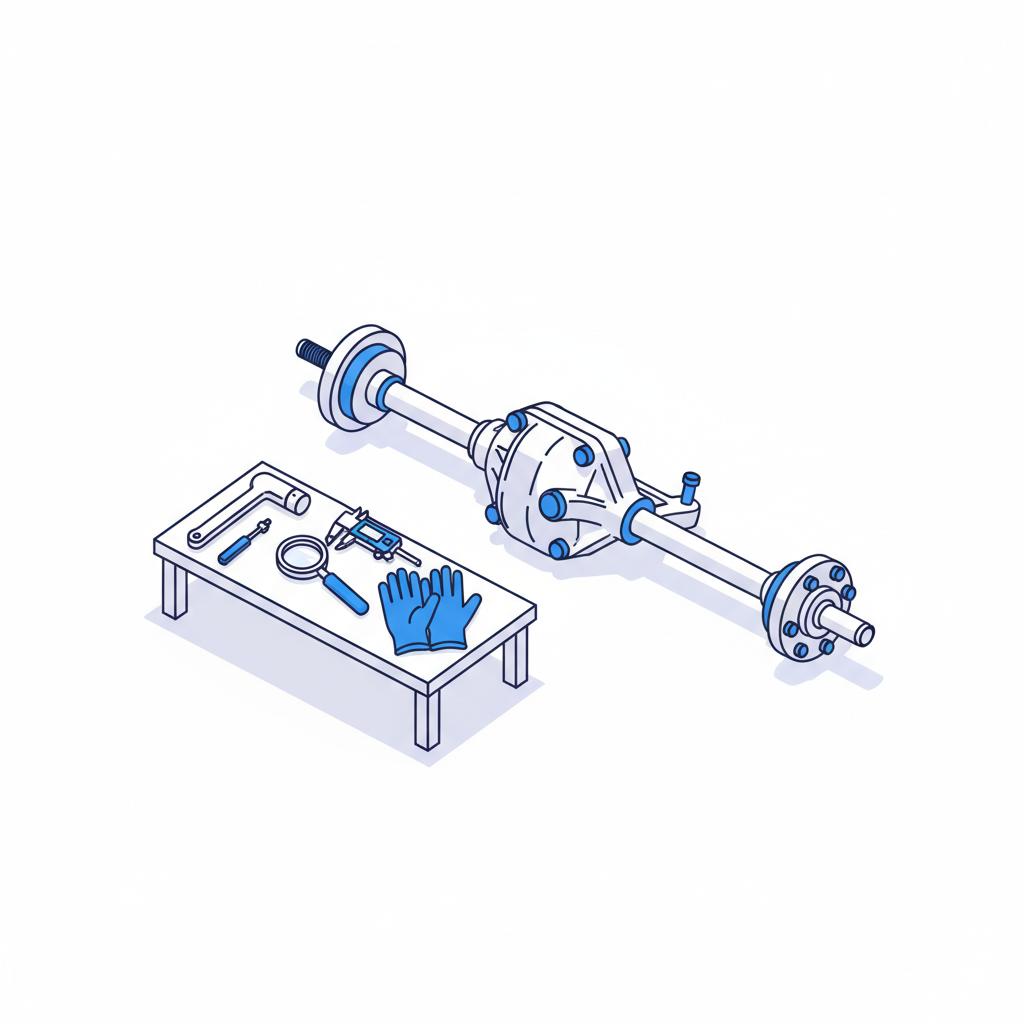
Many tuned builds replace or reinforce driveshafts and differentials, and clients should request documented component upgrades and dyno sheets to validate claims rather than relying on a builder's promotional text.
Aerodynamic changes and high speed tire choices
Aerodynamic modifications aim to reduce drag and manage lift at high speed, and tuners often fit purpose designed front splitters, rear diffusers and underbody work to change airflow, though those alterations must be balanced against cooling needs and road usability.
High speed runs also require tires with explicit certification for the target speed; tuners often use specialty tires rated and tested for sustained 200 plus mph operation, and buyers should insist on certification sheets and run validation from independent labs.
Tires, gearing and reliability trade offs to evaluate
Tire selection and certification for sustained high speed
OE tires on a Trackhawk are generally not rated for sustained 200 plus mph use, so an upgraded tire with an appropriate speed rating and documented validation is essential for safety and for any credible top speed claim Road & Track analysis.
Look for manufacturer statements or certification documents that confirm the tire was tested at the claimed speeds and that the tire was mounted and balanced for the vehicle's specific wheel and load conditions.
Drivetrain stress and component wear risks
Running at much higher sustained speeds raises temperatures and mechanical loads across the gearbox, differential and driveshaft, which can accelerate wear or cause failures unless parts are reinforced or replaced with higher capacity components.
If a listing advertises a conversion that allows 200 plus mph, request evidence of upgraded components, installation invoices and any dyno or track run logs that show how the build was validated.
What to ask a tuner or seller about validation
Ask for dyno sheets that show power and torque curves, documented run sheets from closed course tests, tire certification, and a detailed invoice list for any chassis or drivetrain reinforcements.
If the seller cannot provide independent test validation and clear component documentation, treat the claimed capability as unverified and factor uncertainty into your assessment of a Trackhawk for sale.
Safety, legality and where high speed testing belongs
Legal restrictions on public roads
Driving at 200 mph on public roads is illegal and extremely dangerous, and federal and national road safety guidance highlights the risks and legal consequences of excessive speed NHTSA guidance on speeding risks.
Any responsible verification of very high speed runs should therefore be carried out only on professionally managed closed courses under supervised conditions with emergency response plans in place.
Safety protocols for closed course testing
Closed course tests use safety crews, emergency access planning, and run procedures designed to protect drivers and observers; independent verification is stronger when runs are performed under such controlled processes and when instrumentation logs are available.
Buyers should ask whether a reported high speed run was done on a certified facility and whether the run was supervised by professionals who document environmental and track conditions.
Why professional facilities and teams matter
Professional facilities can validate speed with calibrated timing equipment and provide safety oversight; without that environment, video clips and single run claims are weak evidence for a safe, repeatable 200 plus mph capability.
Insist on independent documentation when a seller or tuner states a vehicle can safely reach extreme speeds, and consider consulting a specialist before testing or driving such a vehicle at high speed.
How to evaluate a Trackhawk for sale: a buyer checklist
Vehicle history and documentation to request
Start with a vehicle history report to confirm title status, ownership history and service records; these documents help reveal whether the car has a known modification history and whether major repairs are recorded Jeep archived product page.
Ask the seller for tuner invoices, dyno sheets, and documentation that ties any claimed modifications to the specific VIN of the car you are considering.
Technical inspection items for speed modified cars
Have a qualified independent mechanic inspect drivetrain upgrades, reinforced components, tire make and certification, and any aerodynamic modifications that affect structural mounting or cooling systems.
Request test logs showing the conditions of any claimed high speed runs, including facility name, supervisory personnel, and instrumentation used for validation. See the run verification tool at Run CarFax Report for run report generation.
Pricing context and long term ownership considerations
Use pricing insights to compare listings and to estimate how modification cost and potential repair needs influence total cost to own; modified vehicles can carry higher long term maintenance risk and insurance costs.
When you see a Trackhawk for sale with high speed claims, weigh the documented upgrades and verification evidence against the asking price and consider how much you would need to spend to return the car to a near stock, road friendly condition if desired.
Common mistakes, exaggerated claims and red flags
Red flag: a listing that relies solely on a single run video or unverified tuner page without dyno sheets, independent run logs, or tire certification.
Red flag: confusion over tire speed ratings and misreading of markings that do not confirm sustained 200 plus mph certification.
Red flag: lack of invoices showing replacement or reinforcement of drivetrain components when the seller claims repeated high speed use.
Conclusion and next steps for shoppers
Quick recap
Evidence from factory specifications and independent road tests centers the stock Trackhawk's top speed near the high 170s to about 180 mph, and reaching 200 plus mph typically requires extensive modifications to power, gearing, aerodynamics and tires MotorTrend first test.
Because of safety, legal and reliability concerns, buyers evaluating a listing that claims 200 plus mph should ask for documented run logs, tire certification and detailed invoices before assuming the claim is validated.
Who to contact next for verification
Consider consulting specialist tuners for an estimate of conversion scope and cost, and ask a qualified independent inspector to review the car and its documentation before purchase.
Use vehicle history reports and pricing insights to frame your negotiation and to decide whether the documented upgrades and evidence justify pursuing a particular Trackhawk for sale.
Based on manufacturer specifications and independent road tests, a stock Trackhawk is documented to reach roughly the high 170s to about 180 mph; sustained 200 plus mph capability generally requires extensive mechanical and aerodynamic modifications plus tires rated for those speeds.
No. Manufacturer specs and independent road tests place the stock Trackhawk's top speed near the high 170s to about 180 mph; verified stock runs above 200 mph are not documented.
Typical upgrades include increased power from tuning or an upgraded supercharger, re geared final drive, aerodynamic reductions and tires certified for sustained 200 plus mph use.
Request dyno sheets, closed course run logs with instrumentation, tire certification documents and detailed invoices for drivetrain and chassis reinforcements.
Take verification seriously when a seller claims unusually high top speeds. Use vehicle history reports and documented test evidence to reduce uncertainty before you contact a dealer or tuner.
If you cannot obtain independent run logs, dyno sheets and tire certification, treat the 200 mph claim as unverified and consider professional inspection before buying.

 Blog
Blog