This guide explains how to trade car for car with a dealer, using a step-by-step workflow that reduces uncertainty. It covers preparing the vehicle and paperwork, running VIN and recall checks, estimating trade-in versus private-sale outcomes, comparing multiple offers with pricing insights, and completing lender and state paperwork.
Carfax coupon codes rarely work, and the codes listed on coupon sites are usually expired. The discounts that do exist are bundles (three reports for $64.99, five for $99.99), AAA member pricing, and free reports from dealers and listings. The simplest guaranteed discount is CarfaxDeals at $7.99 per report versus $44.99 at Carfax.com.
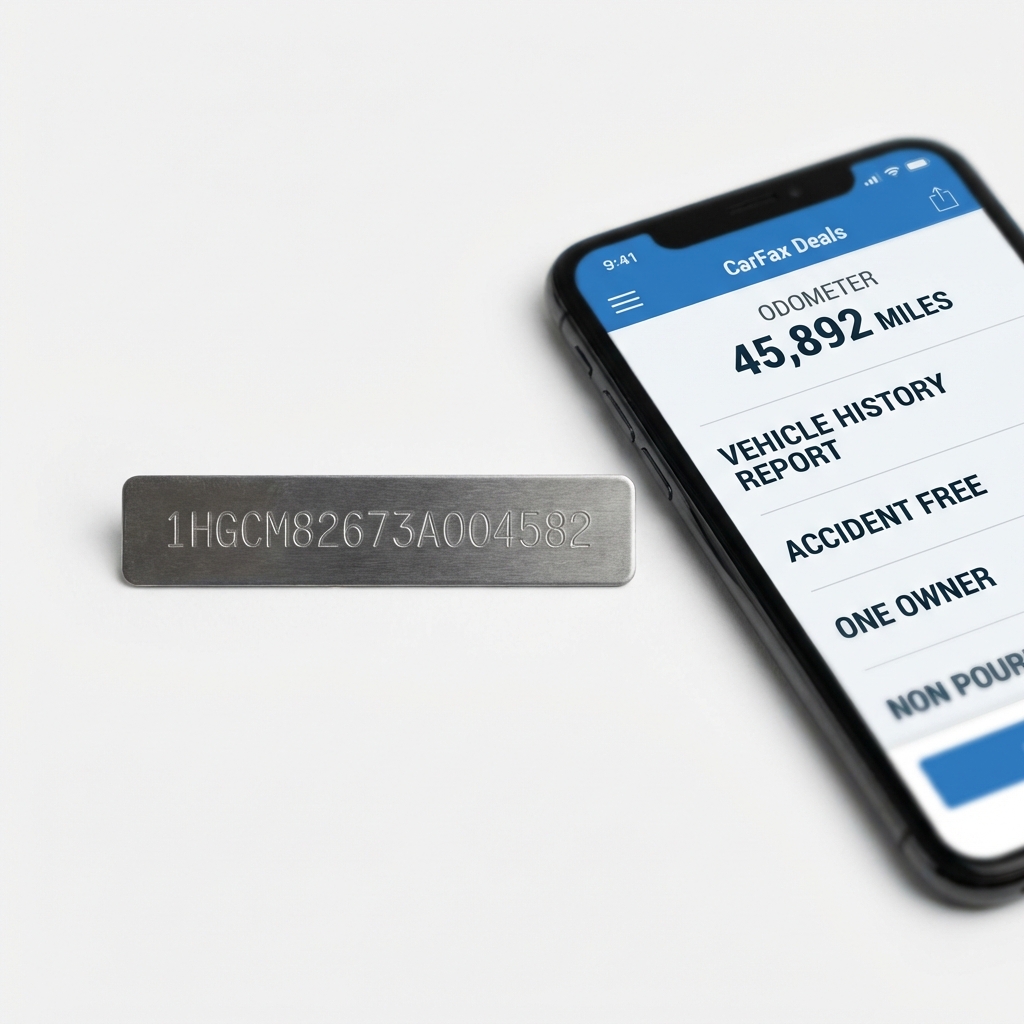
A Carfax VIN lookup takes the 17-character vehicle identification number and returns the car's recorded history: accidents, title brands, odometer readings, owners, and service records. Free VIN tools only decode specs or check recalls and theft. The full Carfax report costs $44.99 on Carfax.com and $7.99 at CarfaxDeals.
You can get a free Carfax report from the Carfax.com used car listings, a dealer website, the seller, Carfax Car Care (for a car you already own), or listing sites that include one. There is no free report for any VIN you type in. When no free report exists, a paid one costs $44.99 at Carfax or $7.99 at CarfaxDeals.
Trading a car involves more than handing over keys. For research-first buyers, the smartest approach combines practical preparation with verification and careful comparisons. This guide lays out an evidence-based sequence that helps you reduce uncertainty and decide whether to trade or sell privately.
You will learn what to prepare, which checks to run before you visit dealers, how to estimate realistic net outcomes, and the exact paperwork and lender steps to confirm before closing a deal. Follow the checklist at the end when you visit appraisers.
Prepare the car and paperwork, run VIN and recall checks, and compare multiple written offers to set realistic trade-in expectations.
Vehicle history reports and pricing insights help research-first buyers reduce uncertainty when evaluating dealer offers.
Confirm exact lender payoffs and state transfer steps before finalizing any trade to avoid delays or unexpected costs.
Why trade a car with a dealer? Definition and quick context
A dealer trade-in is a single transaction where you hand over your current vehicle in exchange for credit toward a purchase or sale through a dealership. This differs from a private sale, where you sell directly to an individual buyer and often receive higher net proceeds but must manage buyer screening and extra paperwork, as noted by Consumer Reports and Kelley Blue Book Consumer Reports on selling vs trading.
Dealership trades can be more convenient because they combine sale and purchase into one step, reduce the time you spend meeting buyers, and often let you apply equity immediately to another vehicle, a point covered in practical trade guides Kelley Blue Book's how-to guide.
Local market factors, including wholesale and retail spreads and seasonal demand, shape realistic trade-in value. Use local market indexes to understand how timing and region can change offers Manheim market insights.
What a dealer trade-in is and how it differs from a private sale
A dealer trade-in is often faster and simpler, because dealers handle paperwork and take on buyer screening. A private sale typically requires more time and effort for the seller but tends to yield higher net proceeds when the market supports it, as explained by Consumer Reports Consumer Reports on selling vs trading.
You may choose a trade when convenience, timing, or avoiding private-sale tasks matter more than maximizing proceeds. In certain markets and seasons, a private sale can deliver more cash, but it comes with listing, showings and screening responsibilities Kelley Blue Book's guidance.
A step-by-step framework for trading a car
Follow a clear sequence so you do not miss required documents or verification steps. The high-level order is: prepare the vehicle and documents, verify VIN and recall history, estimate trade-in versus private-sale value, collect multiple offers, confirm lender payoff and tax handling, and complete state transfer forms FTC guidance on used car transactions.
For research-first buyers, slot vehicle history reports and pricing insights into the verification and valuation steps. A VIN check and a history report help spot title or accident signals before you visit dealers, while pricing insights frame realistic trade-in value NHTSA recall search information.
Use this article as a checklist. Work down the steps and mark each task done. Confirm state-specific tax and registration rules with your DMV and lender early in the process to avoid last-minute surprises FTC's checklist and consumer tips.
Overview: prepare, verify, value, compare, close
Think in five actions: prepare the car and documents, verify the vehicle history, value the car against market context, compare offers, and close while confirming payoff and title transfer. Each action reduces a common source of risk and helps you set realistic expectations Edmunds step-by-step trade guidance.
How to use this article: a checklist approach
Work linearly through sections and use the scenarios and checklist near the end to prepare materials before any dealer visit. Keep copies of all documents and timestamps of lender communications to document commitments. See our how-to-use guide for details.
Small preparation steps can improve dealer appraisals. Clean the car inside and out, fix minor defects that affect appearance, check tire pressure and fluid levels, and address simple safety items. These actions often help appraisal impressions and can make a difference when dealers compare similar listings Kelley Blue Book's preparation tips.
Gather the right documents: the title if you hold it, maintenance records, service history, registration, keys and any spare remotes. Having proof of consistent service or a single-owner history tends to reduce buyer and dealer uncertainty FTC guidance on necessary documents.
Photograph the car systematically: exterior four corners, odometer, engine bay, trunk and any known damage. Keep both physical and digital copies of records to speed the process and to support transparent conversations with dealerships Edmunds on documents and photos.
Cleaning and small repairs that improve appraisals
Focus on appearance and obvious defects. A clean interior and fixed exterior scuffs present better to appraisers. Avoid costly repairs that far exceed likely returns; small cosmetic and maintenance items are usually the best investments before an appraisal Kelley Blue Book advice on repairs.
Gather title, maintenance records and service history
Bring any title paperwork or lender contact information if the car is financed. Maintenance logs and receipts show the vehicle was regularly serviced and can reduce questions about mileage or neglected repairs FTC on maintenance records and title status.
What to photograph and what to keep copies of
Photographs and copies help if there is a later dispute about condition. Take clear images of wear points and the odometer, and store service records in a digital folder for quick sharing with dealers.
Check VIN, recalls and vehicle history reports before you accept offers
Run a VIN check early. Official recall databases can show open recalls that should be remedied and safety items to disclose. Running these checks before visiting dealers prevents surprises and lets you discuss open recalls with documentation NHTSA recall lookup. You can also run a free check through the NICB VINCheck NICB VINCheck or order a detailed VIN report from our VIN report.
Vehicle history reports commonly include ownership history, reported accidents, title status and mileage checks. Review these sections carefully and note any discrepancies to reconcile before negotiation FTC guidance on vehicle history reports. If you want another recall lookup option, try the Carfax recall tool Carfax recall check.
If you find discrepancies, document and raise them during appraisal. Dealers use the same signals when they price a trade-in, so reconciling errors or understanding reported events helps you set realistic expectations NHTSA recall information.
How to run a VIN check and what to expect
VIN checks vary by provider but typically display title records, theft reports and accident indicators. Use the VIN check to confirm title status and to surface any major events that will reduce appraisal value FTC explanation of VIN and title checks.
Using recall lookups and interpreting open recalls
An open recall may be repairable at no cost through authorized service centers; document recall status and expected repairs before meeting dealers. Dealers will note open recalls when determining trade-in value NHTSA recall lookup.
Reading a vehicle history report: title, accidents and mileage checks
Read title status and ownership history first. A clear title or single-owner history usually reduces uncertainty. Note reported accidents and mileage checks; any serious or inconsistent entries are key negotiation points and can lower offers FTC on reading history reports.
Set realistic value expectations: trade-in versus private sale and local market context
Estimate net proceeds by comparing trade-in offers to private-sale expectations. Remember to include taxes, registration, and the time cost of a private sale when you calculate net outcomes FTC on taxes and fees.
Use wholesale and retail indexes to set realistic trade-in ranges. Market data from wholesale indexes show where dealers buy, and retail listings show what consumers pay; both help gauge the realistic trade-in value in your area Manheim market insights.
Prepare the vehicle and documents, run VIN and recall checks, estimate trade-in versus private-sale value using pricing insights, collect multiple written offers, confirm lender payoff and tax handling, and complete state transfer forms.
Private sale often yields higher net proceeds but takes more time and requires buyer screening and paperwork. Consider whether the extra effort is worth the likely net gain for your timeline and comfort level Consumer Reports comparing private sale and trade.
Estimating net proceeds: taxes, fees and time costs
Include sales tax treatment, registration fees and dealer charges in any comparison. Tax rules and registration steps vary by state, so confirm details with your DMV and the dealer to avoid unexpected costs FTC on tax and registration considerations.
Using wholesale and retail indexes to judge offers
Wholesale indexes and local pricing context explain typical spreads dealers expect. Use that context to judge whether an offer is aligned with local market conditions rather than assuming one dealer's offer reflects a national average Manheim market insights.
When private sale is worth the extra effort
If your vehicle is in high demand locally, has a well-documented service history, or you have time to manage listings and showings, a private sale can be worth the effort. Balance the likely net proceeds against the time and risk of dealing with individual buyers Kelley Blue Book on selling vs trading.
How to get and compare offers from dealers
Get written offers from several dealers. Use online appraisal tools to start, then take the car in for in-person appraisals and ask each dealer for a written offer you can compare side by side Kelley Blue Book's offer comparison guidance.
Compare each written offer against private-sale estimates and local market indexes. Price analysis labels and pricing insights help you see quickly which offers fall into reasonable ranges and which do not Kelley Blue Book on pricing insights.
Compare VIN and pricing signals across offers
Use all items before deciding
Check dealer transparency signals such as dealer profile information and reviews to judge the reliability of offers. Dealers that provide clear paperwork and a transparent appraisal process are easier to verify when you follow up on payoff and title steps Manheim market commentary.
Where to get multiple appraisals and what to ask
Start with online tools and then get in-person appraisals to confirm. Ask each dealer how they handle open recalls, how they treat recent repairs, and whether the offer is conditional on inspection to avoid surprises at closing Edmunds on appraisal questions.
Using pricing insights and price analysis labels to compare offers
Price analysis labels summarize how an offer compares to similar listings and help you filter offers quickly. Use them with local pricing context to see whether an offer is a reasonable starting point or below expected ranges Kelley Blue Book on price analysis.
How dealer transparency signals affect your evaluation
Dealer transparency signals, like clear dealer profiles and reviews, reduce the risk of unexpected fees or paperwork delays. Use transparency as one of the comparison metrics alongside the written price to choose the most reliable offer Kelley Blue Book guidance.
Confirm loan payoff, negative equity and lender steps
Obtain a written payoff statement from your lender before accepting any offer. The exact payoff amount can differ from the online balance, so get the written number and any instructions for closing the loan Edmunds on lender payoff steps.
If you owe more than the car's trade-in value, discuss options for negative equity. Dealers commonly either roll the remaining balance into new financing or require payoff at sale; confirm what will happen in writing before you sign Edmunds on handling negative equity.
Document all lender communications and note expected timing for payoff. Lender timing and state procedures can affect when title moves and when liability transfers, so keep copies of payoff statements and confirmation emails FTC recommendations on paperwork and records.
How to get an exact payoff statement
Contact your lender and request a written payoff amount with an expiration date. Ask whether the lender will send a payoff letter directly to the dealer and what is required to release title Edmunds on obtaining payoff statements.
Options for handling negative equity
Negative equity commonly is rolled into the new loan, paid off at closing, or partially covered by a down payment. Compare how each option affects monthly payments and total cost before you accept an offer Edmunds on negative equity choices.
Timing and lender communication tips
Confirm when the lender will release title and what documentation the dealer needs. Poor timing can delay registration or transfer of liability, so coordinate lender and dealer steps in writing FTC tips on coordinating lender and dealer.
Complete the trade: title transfer, taxes and state paperwork
At closing, complete state-required forms such as title assignment, odometer disclosure and bill of sale as applicable. State requirements vary, so check your DMV for precise forms and procedures before you sign anything FTC on state paperwork.
Confirm how sales tax and registration are handled. Sometimes the trade-in credit affects taxable amounts, and dealers often assist with registration, but tax rules differ by state and should be verified with your DMV FTC tax and registration guidance.
Keep copies of all signed paperwork and note the date when liability transfers. Retain the bill of sale, the signed title assignment, and any lender payoff confirmation for at least several years in case questions arise FTC recordkeeping advice.
Title assignment and odometer disclosure
Follow your state's title transfer steps exactly. Many states require an odometer disclosure for vehicles under a certain age and a signed title assignment to release ownership, so verify those items with your DMV FTC on title requirements.
Bill of sale, registration and tax considerations
Ask the dealer what they will file and what you must file yourself. Understand whether the trade-in credit reduces taxable sales price in your state and get a clear invoice showing how taxes were computed FTC guidance on tax treatment.
What to keep copies of and next steps after the sale
Keep the bill of sale, title assignment, payoff confirmation and any correspondence about recalls or repairs. Check your DMV records later to confirm registration and liability transfer.
Common mistakes and how to avoid them
One frequent error is skipping VIN and recall checks; unreported recalls or title issues can reduce offers and complicate closing, so run these checks before you accept an offer NHTSA recall lookup.
Confirm VIN and payoff before you sign
Before you accept an offer, confirm the VIN history and get a written payoff statement from your lender to avoid last-minute surprises.
Avoid costly repairs that will not be recovered in a trade-in. Small, visible fixes usually make sense, but major investments rarely translate into higher trade-in offers and may be better saved for a private-sale strategy Kelley Blue Book on repair decisions.
Do not finalize a trade without confirming how negative equity is handled and having the lender payoff in writing. Misunderstanding payoff steps or timing can delay title transfer or leave you temporarily responsible for payments Edmunds on payoff confirmation.
Missing VIN and recall checks
Always run a VIN and recall search before visiting dealers. Open recalls can affect safety and may be addressed by manufacturers at no charge, but they will still influence trade-in value until documented repairs are made NHTSA recall lookup.
Over-investing in repairs that do not raise appraisal value
Be selective with repairs. Simple cleaning and small fixes usually improve offers. Large mechanical or cosmetic projects often do not return their cost in a dealer appraisal Kelley Blue Book preparation tips.
Failing to confirm payoff or tax treatment
Confirm payoff amounts, tax treatment and title transfer requirements with both lender and dealer before signing. State tax rules and lender timing can change net proceeds unless clarified ahead of time FTC on payoff and tax confirmation.
Practical scenarios, sample checklist and next steps
Scenario: trading a financed family sedan. Prioritize getting the lender payoff, documenting maintenance history, and comparing dealer offers to private-sale estimates if you have time. If negative equity exists, determine whether rolling it into new financing is acceptable or if paying it down is preferable Edmunds on financed trades.
Scenario: trading an older high-mileage car. Focus on quick verification with VIN and recall checks and accept that trade-in offers may be closer to wholesale levels; a private sale is often less attractive for very high-mileage vehicles Consumer Reports on selling older vehicles.
Quick checklist to bring to every appraisal
Bring keys and remotes, title or lender contact details, maintenance records, printed VIN and recall checks, a written payoff statement if applicable, and copies of your ID. Use the checklist to avoid last-minute delays and to support clear comparisons between offers FTC's document checklist.
Next steps: compare the written offers you collected, decide whether to accept a trade or pursue a private sale, confirm payoff and tax steps, and complete state paperwork. Keep records of every step to protect yourself in case questions arise later Kelley Blue Book on next steps. See our blog for related posts.
Yes, running a VIN check and a recall lookup before visiting a dealer helps reveal title issues, reported accidents, and open recalls so you can discuss them during appraisal.
Not always; a private sale often yields higher net proceeds but requires time for listings, showings and buyer screening; trade-ins are more convenient and faster.
Request a written payoff statement from your lender, confirm whether negative equity will be rolled into new financing or paid at sale, and document all lender communications before closing.
Trade decisions depend on local market context, the vehicle's condition, and your priorities for time versus proceeds. Use VIN checks, vehicle history reports and pricing insights to compare offers and confirm payoff and state paperwork before you sign.
Keeping clear records and asking for written payoffs and offers reduces risk and helps you close the trade with confidence.


 Blog
Blog