What is the most reliable used car to buy under $10,000? — Practical guide
This guide helps buyers find reliable options when searching for used cars near me under $10 000 by combining editorial model recommendations with VIN-level checks and pricing comparisons. It highlights commonly recommended model families, explains key inspection steps, and gives a repeatable three-step framework to reduce risk before contacting a dealer.
A step-by-step workflow for estimating a truck's market value that centers on comparing consumer valuation tools, adjusting for mileage and condition, and checking wholesale market signals. The guide explains private-party, trade-in and dealer retail values and shows how a vehicle history report and pricing insights can change an asking price.
This guide helps research oriented buyers evaluate suv used cars for sale under $25,000 by combining safety ratings, reliability data, local pricing context, and vehicle history checks. It outlines a simple framework, a pre visit checklist, and a decision scoring worksheet so you can compare finalists before contacting a dealer. Use the steps here to narrow candidates and confirm risk signals with a vehicle history report and a pre purchase inspection.
When searching suv used cars for sale, prioritize model year, trim and powertrain before choosing a make or model. This guide explains how safety ratings, dependability studies and local pricing insights combine to produce a short list you can verify with a vehicle history report. It also provides a stepwise checklist you can use before contacting a dealer.
Finding a reliable used car under $10,000 requires balancing model-level reliability with VIN-level verification. This guide combines editorial recommendations and practical checks so you can evaluate listings with less uncertainty.
We focus on the most commonly suggested model families and then show the exact steps to confirm safety, maintenance history, and fair pricing before you contact a dealer. Use the three-step framework in this article to prioritize inspections and make side-by-side comparisons.
Toyota Corolla and Honda Civic are frequently recommended compact choices for buyers under $10,000, but local history matters.
Always run VIN-level recall and history checks and get a paid pre-purchase inspection before you buy.
Compare asking price to local KBB and Edmunds values and prioritize documented maintenance when choosing a listing.
Quick answer and how to use this guide
For many buyers searching for used cars near me under $10 000, compact models like the Toyota Corolla and Honda Civic, plus midsize sedans such as the Toyota Camry and Honda Accord, tend to be the most commonly recommended starting points; editors and reliability databases repeat these families as reliable choices for budget buyers, though local availability and mileage matter for every listing Consumer Reports.
This short verdict does not replace VIN checks and a service-history review. A given Corolla or Civic can be a great purchase or an expensive surprise depending on maintenance and title history.
The rest of this guide pairs those broad model-level recommendations with exact actions: VIN-level checks, a price comparison workflow, and a prioritized pre-purchase checklist to apply to any listing you find.
quick local price gap check using KBB value
use to flag large deviations
What 'used cars near me under $10 000' actually covers
Under $10,000 typically describes older compact and midsize cars or later-generation, higher-mileage examples from the early 2010s in many markets. That price band often includes model years that vary by region and season, so the same model can trade differently in different cities.
Realistic model-year ranges for compact cars in this bracket are often mid-2000s to early-2010s depending on mileage. For midsize sedans, mid-2000s to around 2011 examples commonly appear at or below this price cap according to national editorial lists and valuation guides Kelley Blue Book (KBB).
Season and region change availability. In colder states, dependable AWD small SUVs can be more common and slightly pricier. In warm-weather regions, compact sedans may dominate supply and sometimes sell for less.
A simple rule of thumb for target mileage bands: aim for under 150,000 miles for age-sensitive engines when possible, and treat higher mileage as acceptable only when documented maintenance and recent major services are present.
Framework: how to balance reliability, safety and price
Use a three-step framework for every listing: 1) confirm VIN-level history, 2) verify maintenance and service records, 3) compare price against local valuations and a price-label context. Each step narrows risk before you visit or pay.
Brand-level dependability trends can help prioritize searches, but model year and service history still predict individual outcomes best. Dependability studies and repair-cost databases are useful for trend context rather than final decisions J.D. Power.
Start a VIN-level check for your saved listing
Apply this three-step framework to one saved listing before you contact the dealer.
Platforms that surface vehicle history reports and dealer transparency signals can shorten this workflow by grouping VIN checks, price labels, and dealer information in one view. Use that grouping to compare listings faster and to document differences across options.
Which models commonly appear as reliable sub-$10k options (by category)
Compact cars: what to look for
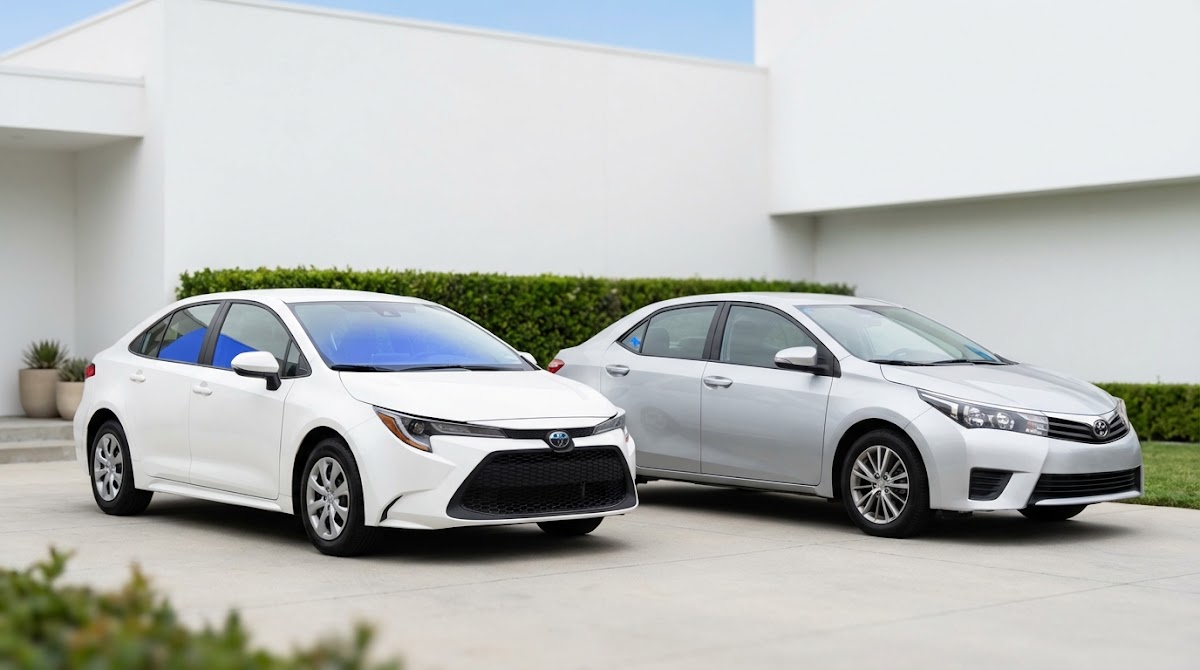
Compact model families most often recommended for budget buyers include the Toyota Corolla and Honda Civic. Editors and reliability guides repeatedly list these families as compact picks for buyers targeting lower purchase prices U.S. News & World Report.
When evaluating any Corolla or Civic, prioritize documented service history, signs of head gasket or oil-consumption repairs where model-appropriate, and a clear title status. These factors matter more than trim level for older compacts.
When evaluating any Corolla or Civic, prioritize documented service history, signs of head gasket or oil-consumption repairs where model-appropriate, and a clear title status. These factors matter more than trim level for older compacts.
Midsize sedans: common years and trims
For sedans, the Toyota Camry and Honda Accord model families are commonly recommended for buyers focused on long-term reliability and lower running costs in this price range according to valuation and editorial sources Edmunds.
Look for models with consistent scheduled maintenance, lower-mileage examples when available, and engines that use timing chains if you want to avoid imminent belt service on older belt-driven engines.
Small SUVs: advantages and maintenance caveats
Smaller SUVs such as older Subaru Forester and Honda CR-V models frequently appear among small-SUV suggestions under $10,000, but they carry model-specific maintenance notes such as potential head-gasket concerns or AWD-related upkeep needs RepairPal.
If you prioritize winter traction, consider how AWD maintenance and oil-consumption history will affect ownership cost before choosing a small SUV over a compact sedan.
Safety and recalls: what to check (VIN-level steps)
Crash-test ratings and standard safety features often change between generations and even between trims. That means you should confirm the exact model year and trim before assuming safety equipment is present.
Run two VIN-level checks for every car: a national recall lookup and a model-year crash-rating lookup. Use the VIN-based recall lookup to confirm outstanding campaigns, then compare the model year to published crash ratings to confirm standard equipment and structural performance.
Compact families like the Toyota Corolla and Honda Civic, along with midsize Camry and Accord examples and some small AWD SUVs, tend to be the most commonly recommended choices, but reliability for any single car depends on its model year, service history and title status.
A vehicle history report can show some recall-related repairs and service entries but may not list outstanding campaigns, so always confirm recall status at the manufacturer or government recall database before finalizing a purchase.
Pre-purchase checklist: the exact documents and inspections to get
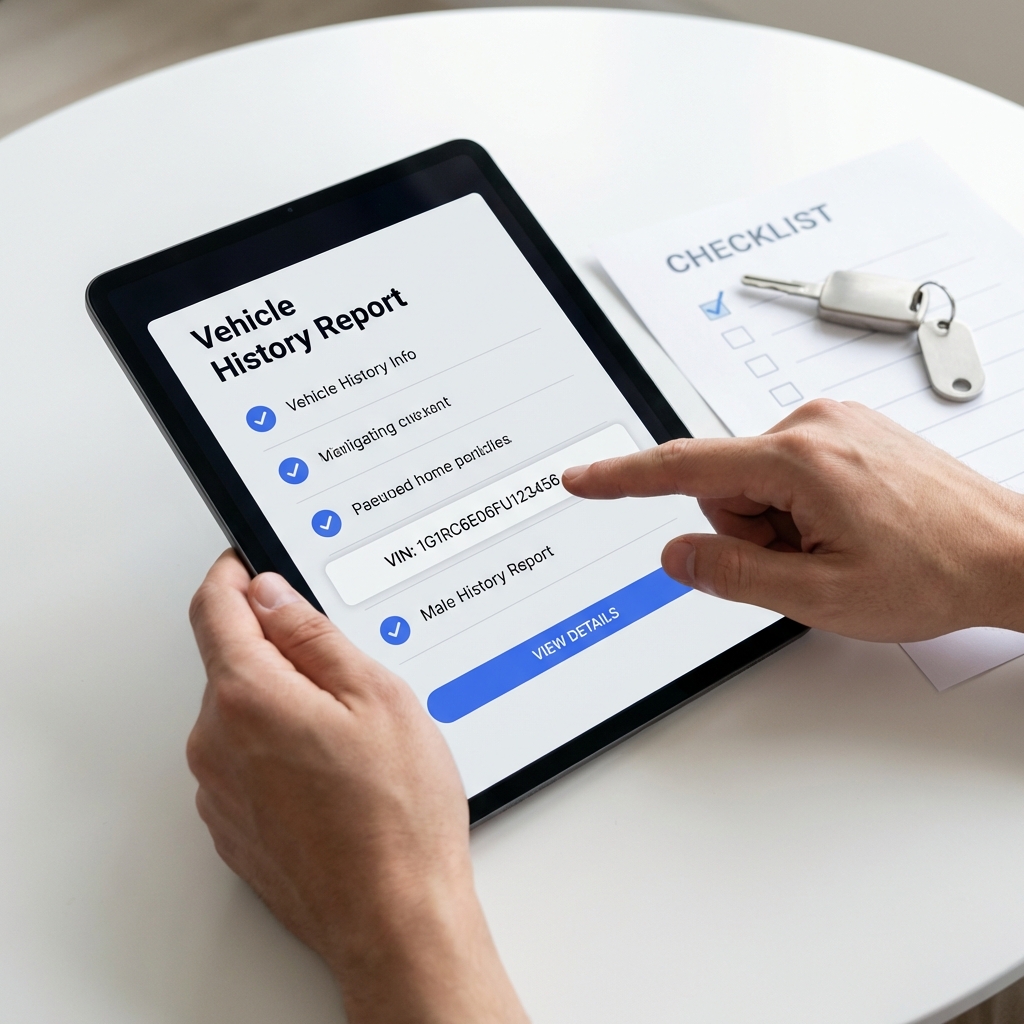
Require a vehicle history report as the first document. The report should show title status, ownership history, and any reported accidents or branded titles; use it to screen out clear title problems before an inspection Consumer Reports.
Ask the seller for maintenance and service records. Confirm routine services and look specifically for timing-belt services or major scheduled maintenance, which can change ownership cost dramatically if missing.
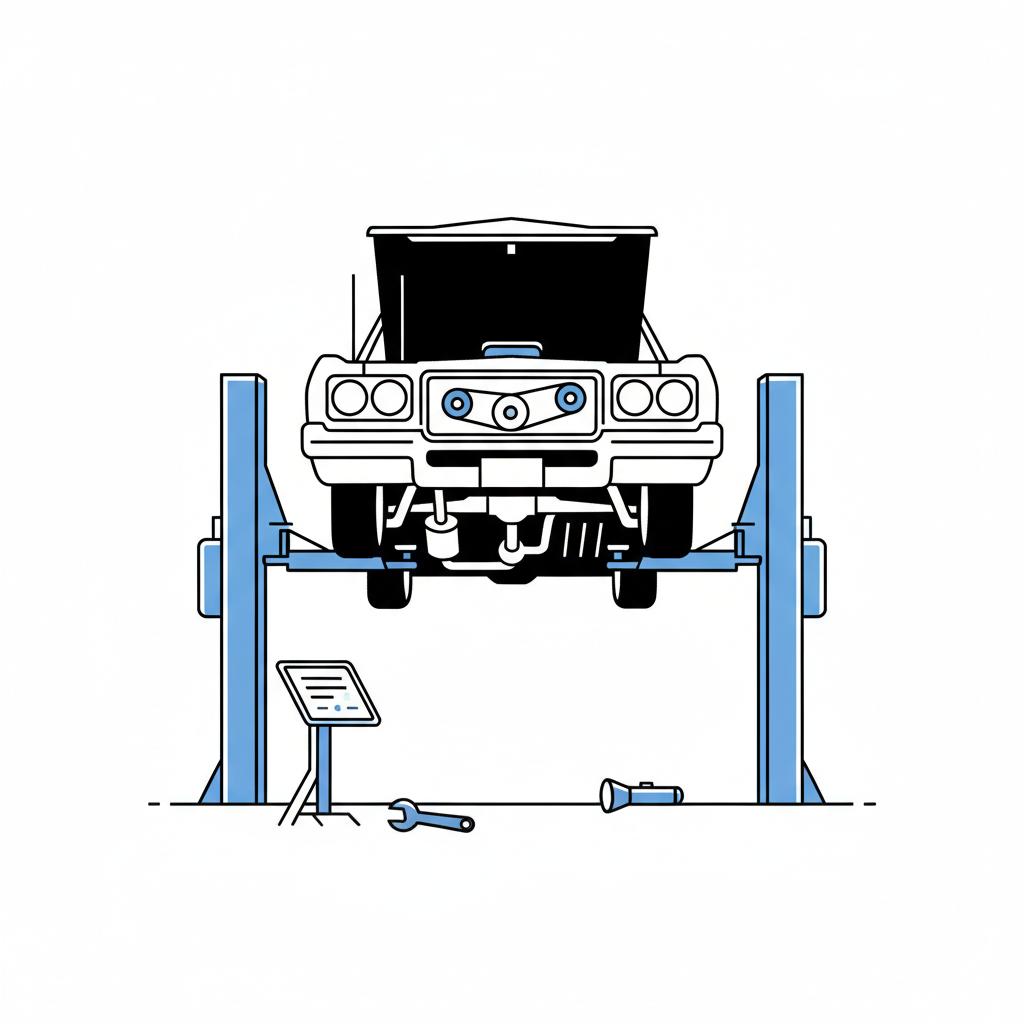
Pay for a pre-purchase inspection from a trusted mechanic. A PPI typically checks the engine, transmission, frame, suspension, and signs of past structural repair, and it can reveal issues that do not appear in online listings.
Common red flags and what they usually mean
Red flags to watch for include salvage or branded titles, inconsistent maintenance documentation, high mileage without evidence of major scheduled services, and signs of structural repair. Each of these can signal higher future repair costs or compromised safety and should prompt deeper verification.
When a title is branded salvage or rebuilt, it usually raises both repair and resale risk. If the seller provides full repair invoices and a recent PPI that explains the work, the risk can be mitigated, but not fully removed.
Inconsistent or sparse service history often predicts deferred maintenance. If a listing shows major gaps in ownership history or mileage jumps, ask for receipts and a detailed VIN report before continuing.
Compare asking price to local valuation and price-label context
Pull local KBB and Edmunds valuations for the exact model year, trim, mileage, and zip code before you negotiate. Local values commonly shift with region and season, so the same car may be a better or worse value depending on local supply Kelley Blue Book (KBB).
Price analysis labels such as Great Deal, Good Deal, and Fair Deal should be used alongside inspection results. A Great Deal label on a listing with incomplete records and no PPI is not the same as a Great Deal backed by a clean title and full service history.
As a practical rule, flag listings that differ from local median valuations by more than one pricing band for closer review. Use a simple calculator to check the asking price minus the local KBB value to see the price gap and prioritize inspections accordingly.
Maintenance and model-specific issues to verify (timing belt, head gasket, AWD systems)
Common high-cost items for older models include timing-belt replacement, head-gasket repairs, and oil-consumption issues. These items can make an otherwise reliable model expensive to own if they have not been addressed by prior owners RepairPal.
Confirm timing-belt versus timing-chain design for the engine in the exact model year. If the car uses a timing belt, verify service records for belt replacement and related tensioner or water-pump work. Missing records for belt service on older belt-driven engines are a clear inspection priority.
Subaru models and other AWD systems sometimes show head-gasket or oil-consumption patterns that raise long-term ownership risk. For those models, ask specifically about head-gasket repairs and oil-consumption checks during the PPI and in the service history.
Three practical listing examples and step-by-step evaluations
Example A: a high-mileage Corolla with full service records. Check the VIN report for title status and accident history, confirm recorded oil changes and timing-belt or chain notes, and compare asking price to local KBB value. If records show timely major services, the ownership cost risk is lower than a similar car with sparse records Consumer Reports.
Example B: a late-2000s Camry with a branded title. Ask for full repair invoices and a recent pre-purchase inspection explaining the brand and the repair scope. If documentation is complete and a trusted mechanic signs off, weigh the savings against likely resale and insurance impacts before proceeding.
Example C: an older Forester with a recent head-gasket repair. Confirm the VIN report entries and request receipts for the head-gasket work, then have the PPI inspect for related issues such as oil contamination or coolant leaks. Recent, well-documented repairs can reduce risk but expect higher future maintenance vigilance for that model family.
Steps to buy: from test drive to final paperwork
During the test drive, check for unusual noises, consistent acceleration and braking, clear steering, and proper HVAC function. Test drives reveal typical running issues and can confirm whether earlier maintenance notes align with vehicle behavior.
Before payment, re-run VIN-level checks for outstanding recalls and confirm title status matches the seller's paperwork. Collect the title, bill of sale, any service records, and the PPI report before completing the transaction Edmunds.
Use dealer transparency signals such as posted dealer reviews and a clear dealer profile to assess the seller's reputation. Those signals can help confirm consistency between listing claims and the dealership's track record.
Owning costs after purchase and how dependability studies inform expectations
Use RepairPal and J.D. Power data to estimate repair likelihood and to set budget expectations. Brand-level dependability and repair-cost trends help predict which models may need more frequent repairs over time, but actual costs depend on mileage and maintenance history J.D. Power.
A simple budgeting approach is to set aside a contingency equal to a percentage of the car's purchase price annually for unexpected repairs and to plan routine maintenance based on manufacturer schedules. Local labor rates and prior maintenance records will shift the required budget.
When to walk away: clear stop signs
Walk away from cars with major title or structural repair history unless full invoices and a thorough PPI explain the repairs and their quality. Branded salvage titles typically increase repair and resale risk and complicate insurance, which often justifies avoiding the purchase.
Also walk away when critical service records are missing for engines known to require timing-belt replacement or similar high-cost work. Missing documentation for these items makes future cost unpredictable and often places the buyer at disadvantage.
If a buyer still wants to proceed with a red-flag car, require detailed receipts, a documented recent PPI, and consider negotiating a condition-based price adjustment to reflect the added risk.
Conclusion: a short checklist and next steps
Three immediate actions before you contact a dealer: run VIN and recall checks, confirm maintenance records for timing-belt and major services, and schedule a paid pre-purchase inspection. These steps reduce uncertainty and help compare listings meaningfully Kelley Blue Book (KBB).
Compare the asking price to local KBB and Edmunds valuations and document all findings for side-by-side comparison. Use a price gap check to prioritize inspections and visits.
Keep a checklist of questions and documents for every listing. That record helps you compare reliability, safety, and price across multiple cars and supports confident decisions when the right combination appears.
Start with a VIN-level vehicle history report to confirm title status, ownership history and any reported accidents, then compare the asking price to local valuations and request service records.
Corolla and Civic families are commonly recommended for budget buyers, but individual reliability depends on model year, maintenance history and title status, so verify records and run a PPI.
A branded title increases risk; accept only if full repair invoices exist, a trusted mechanic confirmed quality work in a recent inspection, and the price reflects the added risk.
Use the short checklist and the three-step framework to create a repeatable process for every listing you consider. Document VIN checks, maintenance records, and inspection reports so you can compare options objectively.
If a listing clears the VIN, service history, and PPI steps and the price aligns with local valuations, you will be in a much stronger position to negotiate or buy with confidence.

 Blog
Blog