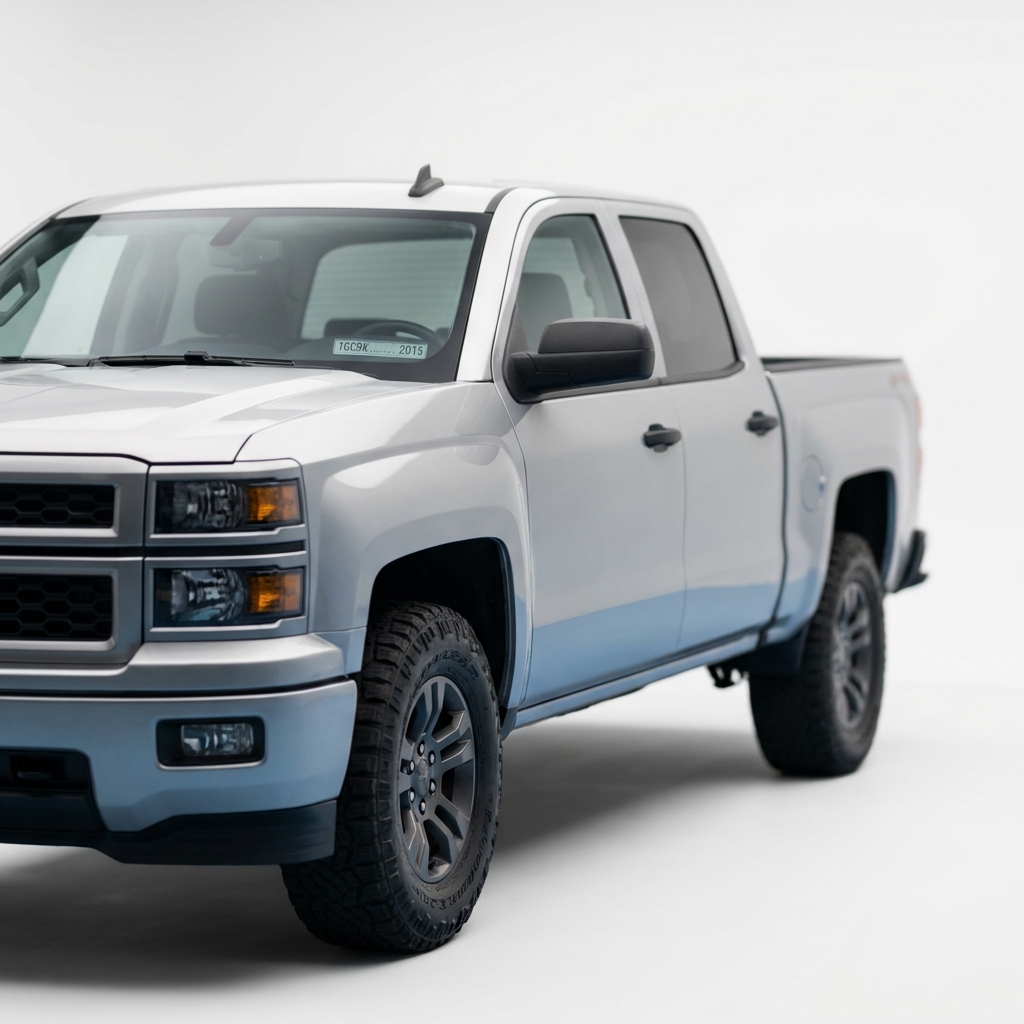
What is the best year to buy a used Chevy Silverado 1500?
This guide explains how to evaluate a used chevy silverado for sale by combining model-year safety checks, aggregated reliability signals and local pricing context. It shows how to use NHTSA and IIHS pages, RepairPal and Consumer Reports summaries, and price guides to narrow choices, then confirm condition with a vehicle history report and service records.
This guide explains which tacoma trucks for sale show the strongest reliability and safety signals to watch out for, and why mid-2010s and many pre-2016 Tacomas appear most often in complaint and recall records. The article shows how to use vehicle history reports, recall checks, and a focused inspection to reduce risk when evaluating a used Tacoma.
This article helps buyers searching tacoma trucks for sale understand which Tacoma engine tends to be most reliable. It summarizes reliability ratings, owner-complaint clusters, and maintenance-cost differences between the 2.7L I4 and the 3.5L V6, and gives actionable checks to reduce engine-related risk.
Audi reliability varies significantly by model, model year and powertrain, so the most reliable Audi for one buyer is not the same for another. This guide shows research-oriented used car buyers how to compare models using industry dependability studies, owner-reported trends, and per-VIN vehicle history reports. It focuses on checklists, inspection priorities and scenario-based recommendations to reduce risk when shopping a used Audi.
Buying a used Chevy Silverado 1500 works best when you match model-year evidence to your priorities. This guide focuses on the steps research-oriented buyers can take to reduce uncertainty: check safety and recall records, consult aggregated reliability summaries, compare market pricing, then confirm condition with VIN-level reports.
The goal is to help you create a short list of candidate years and then verify each truck with a vehicle history report and service records. The advice is conditional and stepwise so you can adapt it to your budget, towing needs and comfort with maintenance.
Use NHTSA model-year pages and VIN lookup to catch open recalls and investigations.
Combine Consumer Reports and RepairPal trends with a vehicle history report to prioritize inspections.
Set a target price using KBB and local listings, then reconcile with price analysis labels.
Why a used chevy silverado for sale needs model-year context
When you search for a used chevy silverado for sale, the model year, trim and powertrain shape most of the risk and value decisions you will make.
Model years differ in safety equipment, powertrain choices and known faults; those differences change which years tend to be better fits for different buyers.
Safety ratings and recalls can vary between body styles and production runs, so verify model-year pages on official sites to see what applies to the exact configuration you are considering. For example, check the NHTSA model-year pages and VIN lookup for open recalls and investigations NHTSA recalls page. (You can also search the general NHTSA recalls center at https://www.nhtsa.gov/recalls.)
Key terms you will see in listings and reports include vehicle history report, title status, ownership history, pricing insights and price analysis label. Knowing these phrases helps you interpret what a dealer or listing is showing.
Aggregated reliability sources like Consumer Reports and RepairPal can show trends across generations and engine options, but they do not replace a VIN-level check of service history and title status Consumer Reports overview.
Use aggregated reliability to set inspection priorities and to narrow model-year candidates; then confirm any specific truck with service records and a vehicle history report before you contact a dealer.
Deciding among model years also means choosing which trade offs you accept between price, known issues and available features.
Trim and powertrain choices, such as V6, V8 or diesel, often change typical maintenance costs and common failure modes, so note the powertrain when you compare listings.
At the listing stage, look for price analysis labels and comparable local listings to judge whether a listing falls within expected price bands.
Model-year guidance narrows the field but it cannot prove a single VIN is problem free; use a vehicle history report to resolve ownership records, service gaps and title brands.
Short checklist to start: identify model year and trim, search NHTSA and IIHS pages for that year, consult reliability summaries, then order a vehicle history report for any candidate.
A step-by-step framework to evaluate any used chevy silverado for sale
Follow a clear sequence: safety and recalls, aggregated reliability, pricing context, then VIN-level checks and inspection. This order helps you filter risky listings before spending time on inspections.
Step 1, safety and recalls: search NHTSA by model-year page and run a VIN search when you have a specific truck. Open recalls and active investigations change the immediacy of repair needs and can influence whether to keep evaluating a listing NHTSA recalls page.
Step 2, aggregated reliability: consult IIHS crash ratings for structural and occupant protection context, and read reliability summaries from Consumer Reports and RepairPal to learn which systems owners report most often IIHS ratings page.
When you use reliability summaries, focus on system groups not individual anecdotes. Aggregated data helps you prioritize inspection items such as the transmission, electrical systems and fuel or emission components.
Step 3, pricing context: pull current values from Kelley Blue Book and compare against local listings and price analysis labels to set a realistic target range for the model year and trim you prefer Kelley Blue Book values.
Step 4, VIN-level checks and dealer records: order a vehicle history report and ask the dealer for service records to confirm title status, ownership history and recorded maintenance before you negotiate or schedule a test drive Consumer Reports overview.
Decision flow: if safety or recall checks show open recalls and repairs are not documented, pass or require repair; if aggregated reliability signals raise specific concerns, require focused inspection; if price falls outside KBB and local comparable ranges without a clear reason, renegotiate or pass.
Use price analysis labels as a quick filter: a favorable label can justify a closer inspection, but always confirm with a vehicle history report and service records before you commit.
When you reach inspection, use a prioritized checklist rather than a general look over; this saves time and helps you compare multiple listings consistently.
Safety and recalls: model-year checks that matter
Authoritative recall and investigation listings at NHTSA should be part of every model-year check because they show recalls and open investigations by model year and VIN NHTSA recalls page.
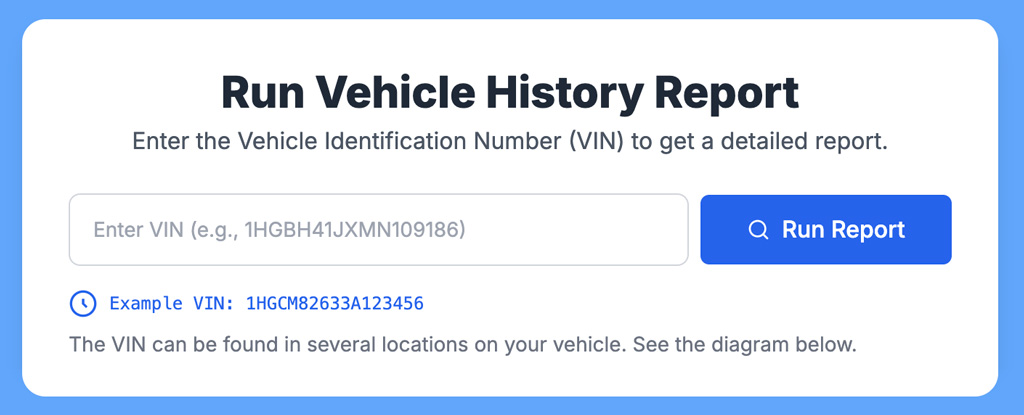
Run Vehicle History Report to confirm recalls and ownership details
Check the NHTSA model-year page and run a VIN search to see open recalls before moving forward with an inspection.
How to search: on the NHTSA site, use the model-year landing pages for a broad view and the VIN lookup or a VIN decoder when you have a specific truck; the VIN search reveals recalls tied to that exact vehicle and any owner-reported complaints. Use the VIN lookup at vinrcl.safercar.gov or try a VIN decoder.
If you find an open recall on a candidate truck, ask the dealer for proof that the recall repair was completed, or factor the repair into your decision. Dealers and sellers should be able to confirm outstanding recalls and provide repair receipts when available - you can also check the manufacturer's recall center here.
IIHS crash ratings help you compare structural and crash protection differences across model years and cab or bed configurations. These ratings can explain why some years or body styles are more desirable for family or daily-driver use IIHS ratings page.
Interpret IIHS results in the context of the exact model year and body style you are reviewing, since small changes in structure or airbags can change rating outcomes between consecutive years.
When a recall or rating concern arises, document your findings and request written confirmation from the seller that the issue was addressed. If repair records are missing, a clear note on the vehicle history report or dealer communication should influence whether you proceed.
Reliability signals from RepairPal and Consumer Reports
Aggregated reliability databases and owner surveys show which systems appear most often in complaints and repairs; Transmission, electrical and certain fuel or emission components are recurring areas of concern across multiple model years RepairPal reliability summary.
Use these system-level signals to direct the pre-purchase inspection. If transmission issues are reported for a model year, request a longer test drive that includes shifts under load and ask the mechanic to check for fluid leaks, shift patterns and error codes.
Consumer Reports and RepairPal provide complementary perspectives: owner satisfaction and problem frequency on one side and aggregated repair cost and common failures on the other. Use them together to form a balanced inspection plan Consumer Reports overview.
Remember the limits of aggregated data: these sources report trends, not guarantees. A specific VIN may have been well maintained and show few issues, while another from the same year may have multiple problems.
Prioritize inspection items that align with reported failure modes: transmission operation, battery and charging system, wiring and controls, and fuel and emission hardware. Make sure the inspector examines these areas and provides documented observations.
When discussing reliability with a shop, ask if they have experience with Silverado model years you are considering; local shops often recognize recurring faults and can provide practical guidance on likely maintenance costs.
Price and resale value: using market data to set a target for a used Silverado
Kelley Blue Book current values provide a baseline for fair market pricing by model year, trim and mileage; compare the KBB range to local listings and recent sold prices to refine your target for a candidate truck Kelley Blue Book values.
J.D. Power studies on initial quality and dependability help set expectations for longer term ownership costs and which model years may retain value more predictably J.D. Power dependability findings.
To set a realistic offer range, start with KBB mid or private-party values, adjust for local demand and mileage, then check the listing's price analysis label for a quick comparison point.
Local market context can shift a fair price substantially. High local demand, limited local supply or a particular trim scarcity may push prices above generic KBB ranges, while oversupply or high mileage lowers realistic expectations.
Compare KBB range to local listings and price analysis labels
Use local listings and price analysis labels to adjust range
Use the tool above to capture the key numbers you need to compare a listing against your target. Fill in KBB low and high, then the local average to see whether the listing sits inside a reasonable band.
When a listing carries a favorable price analysis label, treat it as an indicator to inspect further rather than a confirmation of condition. Always reconcile labels with the vehicle history report and service records.
If KBB and local data disagree, dig into why: check mileage differences, trim and options, accident history or whether a rebuild title or other title brand applies.
Inspection checklist and common mistakes when buying a used Silverado 1500
Focus your inspection on systems that show up most often in owner reports: transmission operation, electrical system function, and fuel and emission components. Ask the inspector to road test shifts, check for diagnostic trouble codes and inspect wiring harnesses where accessible RepairPal reliability summary.
Also examine suspension components, steering play and signs of frame repair or rust, and check for flood damage indicators such as water stains or replaced interior panels.
VIN, title and service-history red flags include branded titles, gaps in service history, inconsistent odometer readings or unrepaired recalls; use a vehicle history report to surface these issues and confirm ownership history Consumer Reports overview.
Common buyer mistakes: relying solely on aggregated reliability when skipping a VIN report, assuming a favorable price label means the truck is problem free, and skipping a focused mechanical inspection because the truck looks clean.
To avoid these errors, require a vehicle history report and a written inspection sheet that documents the items you care about, then compare that evidence to the listing and price analysis label before deciding.
Practical scenarios: which model years tend to fit different buyer goals
Budget buyer: Strong candidates are model years where depreciation has reduced price but where safety and reliability remain acceptable based on recall checks and aggregated reliability signals. Confirm any candidate with a vehicle history report and service records to reduce risk Kelley Blue Book values.
Reliability-first buyer: prioritize years with stronger dependability signals from Consumer Reports and fewer owner-reported faults; focus on single-owner, well maintained examples and verify with service records Consumer Reports overview.
Choose a model year after checking NHTSA recalls and IIHS ratings, reviewing aggregated reliability summaries for that year and powertrain, and confirming the specific truck with a vehicle history report and service records.
Tow and capability buyer: for towing needs, pay special attention to powertrain history and cooling system service, and prefer documented maintenance for heavy-use components. Diesel or V8 choices change expected maintenance and resale patterns, so verify service history for those powertrains RepairPal reliability summary.
These scenarios are guidelines. Use model-year safety checks, aggregated reliability signals and local pricing context to create a shortlist, then confirm each truck with a vehicle history report and inspection.
Use the NHTSA VIN lookup or the model-year pages to find open recalls and investigations, and ask the seller for documentation of completed recall repairs.
No. Aggregated reliability surveys identify trends and inspection priorities but do not prove the condition of a specific VIN; always get a vehicle history report and a professional inspection.
Start with Kelley Blue Book values, adjust for local listings and mileage, and use price analysis labels as a quick filter while confirming details with a vehicle history report.
A model-year guided approach reduces guesswork but does not replace VIN-level verification. Use NHTSA and IIHS pages, aggregated reliability signals and pricing data to narrow candidates, then order a vehicle history report and a focused inspection before committing.
If you want consistent comparisons, capture KBB ranges, note price analysis labels and require written repair or service proof for any recall items you find.

 Blog
Blog