Is buying a used Porsche a good idea? A practical guide for research-first buyers
A used Porsche for sale can be a sensible choice for research-oriented buyers who accept higher maintenance and repair risk and plan VIN-level checks and inspections. Dependability studies show Porsche tends to perform well among premium brands, but model year and specific history matter. This guide outlines the checks, cost expectations, and inspection steps to decide whether a particular listing fits your needs.
A step-by-step workflow for estimating a truck's market value that centers on comparing consumer valuation tools, adjusting for mileage and condition, and checking wholesale market signals. The guide explains private-party, trade-in and dealer retail values and shows how a vehicle history report and pricing insights can change an asking price.
This guide helps research oriented buyers evaluate suv used cars for sale under $25,000 by combining safety ratings, reliability data, local pricing context, and vehicle history checks. It outlines a simple framework, a pre visit checklist, and a decision scoring worksheet so you can compare finalists before contacting a dealer. Use the steps here to narrow candidates and confirm risk signals with a vehicle history report and a pre purchase inspection.
When searching suv used cars for sale, prioritize model year, trim and powertrain before choosing a make or model. This guide explains how safety ratings, dependability studies and local pricing insights combine to produce a short list you can verify with a vehicle history report. It also provides a stepwise checklist you can use before contacting a dealer.
This guide helps research-first buyers decide whether buying a used Porsche makes sense for their needs. It outlines the market context, how to assess price and depreciation, and the key VIN-level checks and inspection steps that most reduce risk.
Use the checklists and scenario guidance to compare specific listings and to build a realistic total cost to own estimate before you negotiate or sign paperwork.
Buying a used Porsche can make sense for research-oriented buyers who accept higher maintenance and repair risk.
Run a VIN-level vehicle history report and get a Porsche-aware independent inspection before making an offer.
Depreciation and ownership costs vary by model year, mileage, and certification status.
Quick answer and who should consider a used Porsche
If you are searching a used porsche for sale and you are a research-first buyer, a used Porsche can make sense when you accept higher maintenance and potential repair costs in exchange for strong build quality and driving character. Frame your decision around long-term running costs and a willingness to verify the exact car by VIN.
Overall dependability studies place Porsche among stronger premium brands, but results vary by model and model year, so treat brand-level signals as a starting point rather than a guarantee J.D. Power vehicle dependability study.
A used Porsche can be a sensible purchase for research-oriented buyers who accept higher maintenance and potential repair costs, provided they perform VIN-level vehicle history checks and a Porsche-aware pre-purchase inspection.
Before you dive into listings, expect to run VIN-level vehicle history reports, schedule a Porsche-aware pre-purchase inspection, and build a total cost to own estimate from local quotes and published ownership studies.
Which buyers are a good fit? If you value driving experience and understand that maintenance and insurance usually cost more than for mainstream brands, you may find a used Porsche rewarding. If tight running budgets or minimal repair tolerance are essential, consider lower-cost alternatives or certified inventory with remaining warranty.
What a used Porsche market looks like and the buyer context
The used Porsche market includes sports coupes and convertibles like the 911 and Cayman, SUVs such as the Cayenne and Macan, and electrified cars like the Taycan, each appearing for sale with different mileage and service histories. Limited editions and low-mileage sports models often show up with higher asking prices, while older, higher-mileage examples commonly sell at steeper discounts.
Market and valuation reports note that some model-years and limited editions retain value better, whereas early-generation cars and high-mileage units can depreciate faster; use national valuation context combined with local comparables to judge a listing Kelley Blue Book and Hagerty market reports.
Mileage, certification, and remaining factory or certified pre-owned warranty materially affect buyer choices. A certified pre-owned car with documented service history can justify a premium because it reduces short-term uncertainty, but any extra price should be weighed against remaining warranty time and the vehicle's past maintenance record.
When scanning local inventory, make a short list that separates low-mileage, well-documented examples from higher-risk bargains that need deeper verification; this helps focus inspections and VIN checks on the cars with the best match to your priorities.
A practical decision framework for evaluating a used Porsche
Step 1: Start with pricing context. Use price analysis labels and local market comparables to see if a listing sits within a reasonable range for that model year, trim and mileage. Valuation context is a first filter before you invest time in a particular car.
Step 2: Verify history and ownership with a VIN-level vehicle history report that checks title status, ownership history, service entries and mileage consistency. A VIN report is the highest-impact early step to surface risk, and it should be run before in-person visits Edmunds used Porsche buying guide.
Step 3: Schedule a Porsche-aware pre-purchase inspection and estimate future maintenance and repair exposure. Treat the inspection as a deal contingency; if the inspection or VIN report reveals unresolved issues, be prepared to walk away or renegotiate.
Use dealer transparency signals, like dealer profiles and review history, as part of your evaluation but do not substitute them for VIN checks and independent inspections. Keep brand mentions light and focus on documented history and pricing insights when comparing listings.
How to evaluate price and depreciation for a used Porsche
Depreciation is model-year dependent. Some limited-edition models and certain sports coupes retain value well, while earlier-generation cars and high-mileage examples often sell at discounts. Use valuation reports and local comparables to triangulate a fair asking price Kelley Blue Book and Hagerty market reports.
Look for indicators that support a higher asking price: documented service history, a clean title, single-owner records, and remaining warranty or certified pre-owned status. Conversely, missing service records, evidence of heavy use, or unresolved title flags should push the expected fair price downward.
When you compare listings, build a short table for each candidate: model year, trim, mileage, service notes, price analysis label if available, and local comparable prices. That quick comparison helps you decide whether a listing is within a reasonable negotiation range or outside your target total cost to own.
Maintenance, repair and ownership cost expectations
Consumer testing and ownership-cost databases consistently show that routine maintenance and repair costs for Porsche are typically higher than for mass-market brands; expect parts and specialist labor to be cost drivers for many models Consumer Reports used-car buying guide.
Repair cost databases report that annual repair and maintenance for common Porsche models are materially above the industry median, with sports models often costing more to maintain than some SUVs RepairPal Porsche ownership cost estimates and broader reporting on Porsche maintenance costs MarketWatch Porsche maintenance cost.
Estimate annual ownership costs based on maintenance, insurance and fuel or charging
Use local quotes to refine estimates
To estimate your total cost to own, start with published ranges from databases, then replace generic values with local shop quotes and insurance estimates. This produces a practical ownership number that you can use in purchase comparisons without overstating precision.
Insurance, scheduled major services, and parts availability are common cost drivers. For electrified Porsches, include charging costs and battery-related service considerations; long-term electrified ownership questions remain open and need VIN-level service documentation when possible.
Safety ratings, recalls and why VIN checks matter
Crash ratings and recall scopes differ by model year and trim; always check IIHS and NHTSA pages for the exact model year, and use VIN-level lookup to confirm open recalls and equipment fitment IIHS and NHTSA safety and recall lookup.
Open recalls can affect safety and negotiation leverage. If a VIN check shows unresolved airbag or software recalls, make remediation a written condition of sale or require the dealer to provide proof that recalls were addressed before closing.
Because safety and recall outcomes change over time, re-run a VIN-level check shortly before signing to confirm nothing new has appeared since you first reviewed the car. This step reduces the risk of unexpected safety-related expenses after purchase.
VIN-level verification and the pre-purchase inspection checklist
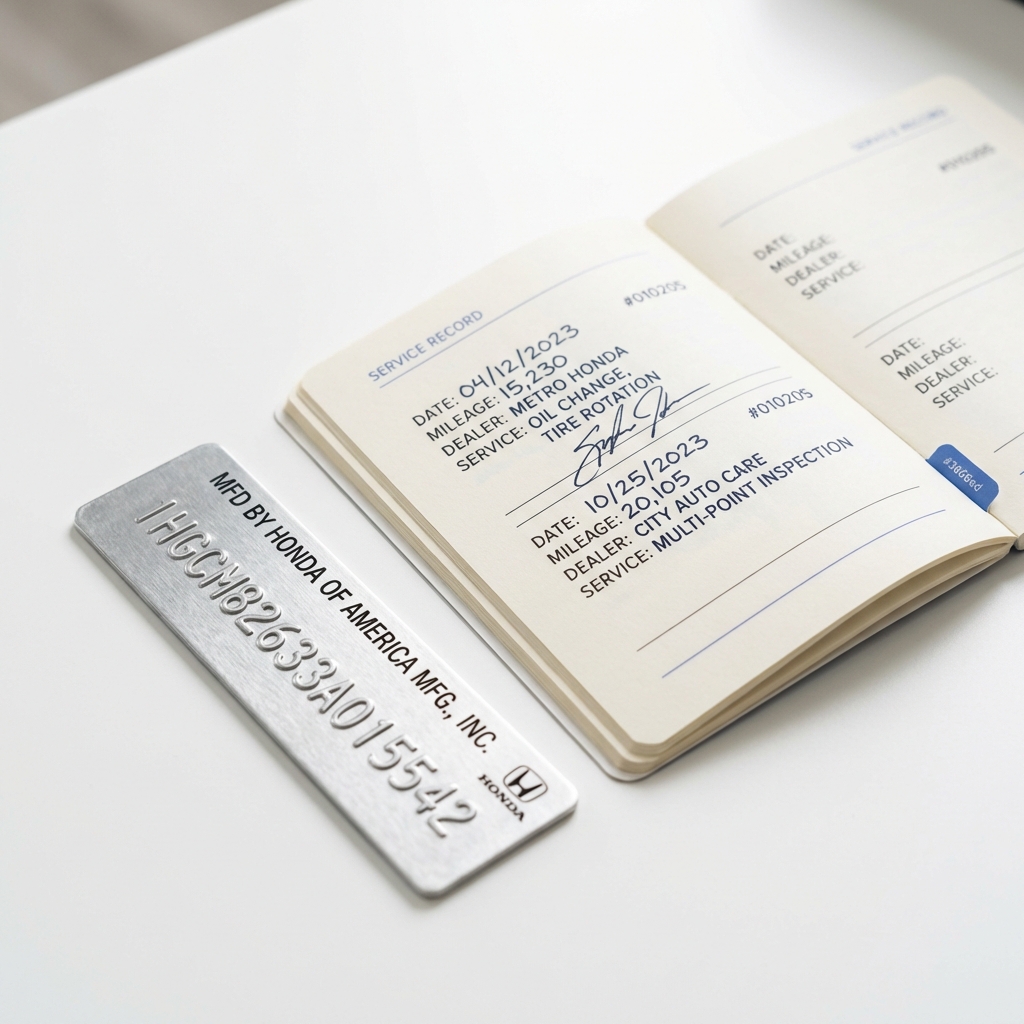
Key vehicle history report checks include title status, number of owners, service history entries, no accident reported flags, and a mileage check. Confirming these items at the VIN level reduces uncertainty about past use and major incidents Edmunds used Porsche buying guide.
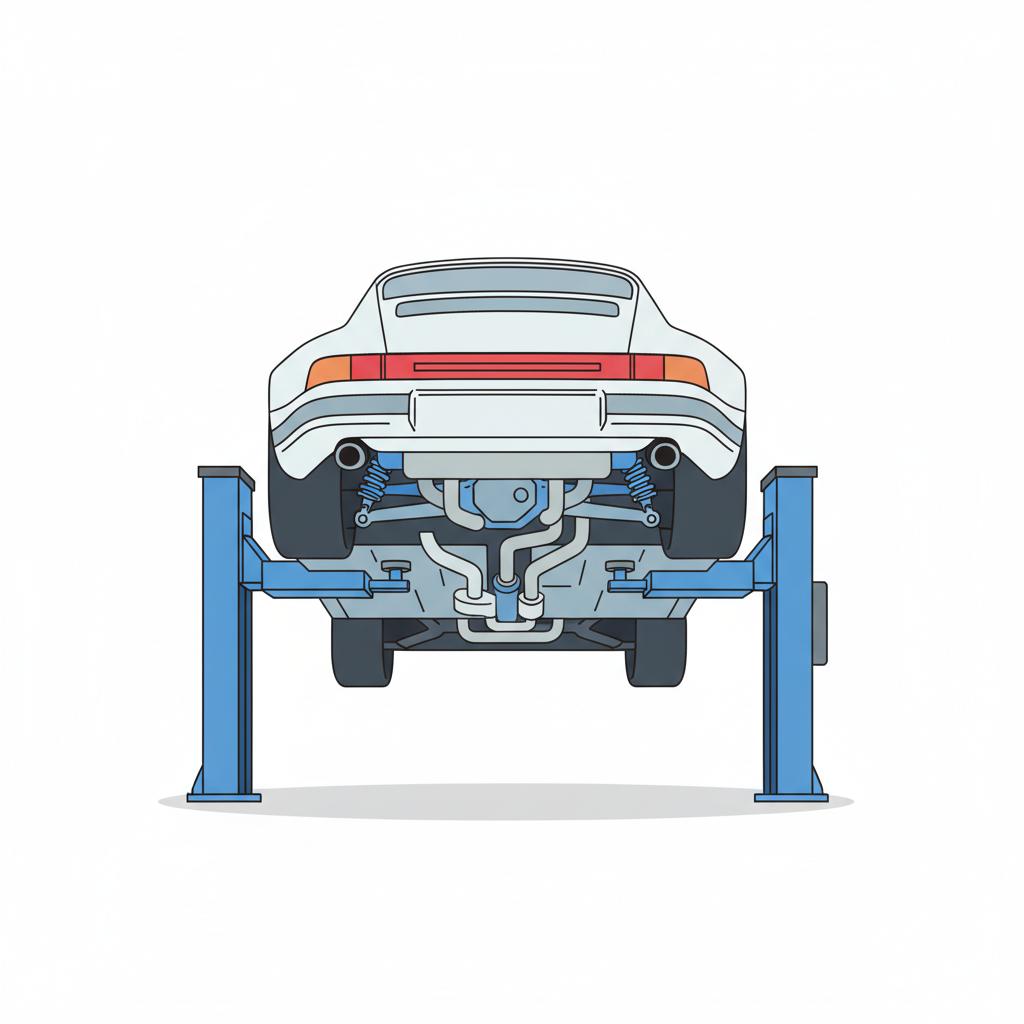
On the inspection side, ask a Porsche-aware mechanic to focus on the engine and transmission, oil leaks, suspension components, brake condition, electrical systems, and any model-specific weak points. A mechanic with Porsche experience is more likely to spot issues that general shops might miss Consumer Reports reliability guidance.
Use a written inspection checklist and make the inspection a contingency in your purchase offer. If the inspection reveals unresolved major issues or repair estimates that push the total cost beyond your budget, be prepared to walk away.
Verify history and pricing before you inspect
Run a VIN-level vehicle history report and compare pricing labels before scheduling an in-person inspection to focus time on the most promising listings.
Choose an inspector who is independent from the selling dealer whenever possible. Independent inspections reduce conflicts of interest and often provide clearer estimates for upcoming maintenance the car will likely need.
Known model-specific issues to check for
Older 996 and early 997 911 models have documented IMS bearing concerns on certain engines; later engines and revisions reduced that specific risk, so verify engine type and service records against specialist resources before buying Edmunds used Porsche buying guide.
Transmission considerations differ by type. PDK transmissions have different wear and service profiles than manuals; review service history for clutch or mechatronics work and ask the inspector to verify smooth shifting and software updates where applicable RepairPal Porsche ownership cost estimates.
If you suspect a model-specific problem, consult specialist repair databases or owner's-club technical resources and treat any unresolved pattern of failures as a negotiation point or a deal breaker depending on repair cost estimates.
How to pick the best year, trim and options for your needs
Prioritize remaining warranty and certified pre-owned status if you want lower short-term risk; these attributes often justify higher asking prices because they reduce the likelihood of near-term large repairs and provide documented service channels J.D. Power vehicle dependability study.
Consider option packages that affect long-term maintenance or safety. Adaptive suspensions, specific powertrain choices, and high-performance brake packages can change maintenance costs and repair complexity. Choose options aligned with planned use and maintenance tolerance.
Balance trade-offs: a lower purchase price may come with higher expected maintenance and less documentation. If you prioritize predictable costs, pay more for a well-documented, lower-mileage example with warranty coverage; if you accept higher running costs, a bargain example with clean title might fit.
Step-by-step buying checklist you can follow today
Before contacting the dealer: run a VIN vehicle history report, compare the asking price to local comparables and price analysis labels, and check safety ratings and recall history for the exact model year.
At inspection: require documented service records, obtain an independent pre-purchase inspection, and test drive for normal operating behavior including cold-start diagnostics and transmission performance. Bring a prioritized list of model-specific checks for the inspector to review.
Before signing: confirm title status and any liens, get agreed repairs or recall remediations in writing, and understand any return or contingency terms. Use the inspection and VIN report as the basis for a final price discussion if issues appear.
Common mistakes buyers make and how to avoid them
Skipping VIN checks or relying only on photos and dealer descriptions risks missing title issues or undisclosed damage. Make a VIN-level report the first step for every serious listing you consider Edmunds used Porsche buying guide.
Underestimating insurance and maintenance leads to unpleasant surprises. Use ownership-cost databases and local insurance quotes to build a conservative estimate of annual costs and stress-test your budget before committing.
Simple mitigations: require an inspection contingency, insist on written service records, and compare at least three local comparables before making an offer.
Practical buyer scenarios: which Porsche fits which buyer
Family buyer considering a Cayenne or Macan: prioritize space and safety ratings, confirm service history for heavy-use items like brakes and tires, and prefer examples with documented dealer maintenance or certified pre-owned status to reduce short-term uncertainty Kelley Blue Book and Hagerty market reports.
Collector or weekend-sports-car buyer: look for low-mileage, well-documented 911 or Cayman examples, focus on ownership records and original equipment, and expect higher maintenance attention to preserve value and performance.
First-time premium-brand buyer: favor cars with remaining warranty or certified status, require a pre-purchase inspection, and use vehicle history reports to check title and ownership. Build a conservative ownership estimate before finalizing the purchase.
Final considerations and a short checklist to close the deal
A used Porsche is a good fit when you value driving character, can afford higher routine maintenance compared with mainstream brands, and will run VIN-level checks and independent inspections as part of your process.
Red flags that should stop the purchase include unresolved recalls, missing or contradictory service records, title or mileage inconsistencies, and inspection findings that imply large upcoming repairs. Make VIN-level verification and a Porsche-aware independent inspection final conditions for closing whenever possible Consumer Reports used-car buying guide.
When clear documentation and a reasonable price align with a clean inspection, the car can be a suitable choice for the right buyer. If documentation or inspection results are poor, walk away and apply the same checklist to the next listing.
Yes. Run a VIN-level vehicle history report before serious interest to confirm title status, ownership history, and recorded service entries.
Typically yes. Consumer testing and repair databases report that routine maintenance and repairs are often higher than industry medians for many Porsche models.
Not necessarily. Certified pre-owned cars reduce short-term risk but you can buy non-certified examples if you have complete service records and an independent inspection.
If you find a well-documented, inspected Porsche priced within local comparables and you can afford likely maintenance costs, the car can be a good fit for the right buyer. If documentation or inspection results raise doubts, prioritize another listing until the evidence aligns with your budget and risk tolerance.


 Blog
Blog