This guide helps research-first buyers decide which model years to avoid when considering a used toyota corolla for sale. It explains how model year affects recalls, crashworthiness, and typical failure modes, and shows the exact VIN-level checks and reports to run before you contact a dealer. Follow the checklist to compare listings with clearer risk signals.
A step-by-step workflow for estimating a truck's market value that centers on comparing consumer valuation tools, adjusting for mileage and condition, and checking wholesale market signals. The guide explains private-party, trade-in and dealer retail values and shows how a vehicle history report and pricing insights can change an asking price.
This guide helps research oriented buyers evaluate suv used cars for sale under $25,000 by combining safety ratings, reliability data, local pricing context, and vehicle history checks. It outlines a simple framework, a pre visit checklist, and a decision scoring worksheet so you can compare finalists before contacting a dealer. Use the steps here to narrow candidates and confirm risk signals with a vehicle history report and a pre purchase inspection.
When searching suv used cars for sale, prioritize model year, trim and powertrain before choosing a make or model. This guide explains how safety ratings, dependability studies and local pricing insights combine to produce a short list you can verify with a vehicle history report. It also provides a stepwise checklist you can use before contacting a dealer.
When you search for a used toyota corolla for sale, model year often appears as a quick filter. Model year is a useful starting point because it groups cars by design, safety features, and common service items, but it cannot replace VIN-specific checks. This article helps research-first buyers use public records and vehicle history reports to move from a year-based filter to a verified buying decision.
We focus on public recall records, crash-test trends, and aggregated reliability signals. You will learn which model-year ranges show higher reported risk, how to check VINs and vehicle reports, and a practical checklist to use before you contact a dealer. The goal is to turn model-year guidance into VIN-validated actions.
Model-year patterns point to risk bands, but every car requires a VIN-level check before purchase.
Mid-2000s through about 2010 show higher reported recall and complaint clusters in public records.
Mid-2010s and post-2019 redesigns tend to offer better crash protection and reliability signals.
How buyers of a used toyota corolla for sale should think about model years
Model year matters because it groups together common designs, systems, and factory fixes. A single model year can share the same engine, transmission, and restraint systems, so when one year has a cluster of problems it can affect many vehicles in that range.
For used buyers, the high-level patterns you read about are a starting point, not a final answer. Individual cars can differ by maintenance, repairs, and whether recalls were addressed. Always verify the vehicle by VIN before deciding.
Run a vehicle history and recall check first
If you are evaluating a listing now, run a VIN-level recall lookup as one of the first verification steps before arranging a test drive.
Primary authoritative sources matter. Use NHTSA and Toyota recall lookups for open and historical campaigns, IIHS for crashworthiness and crash-avoidance summaries, and aggregated owner-data sites for common failure signals. These sources let you move from model-year generalizations to VIN-specific risk checks.
When you collect these records, ask for a vehicle history report and confirm title and ownership entries rather than relying on a seller summary. A clear VIN-level review tends to reduce uncertainty and surfaces issues that model-year summaries cannot show.
Start with VIN-based recall data from official sources. NHTSA maintains searchable recall records that document campaigns affecting many vehicles in a model-year range; check the NHTSA recalls page NHTSA recalls and use a VIN decoder to confirm the VIN format if needed VIN decoder.
For crash performance, consult IIHS vehicle ratings to see how crashworthiness and crash-avoidance features change by generation. For owner-reported failure patterns and service trends, use aggregated reliability resources that compile complaints and repair frequencies.
Start with VIN-based recall data from official sources. NHTSA and Toyota maintain searchable recall records that document campaigns affecting many vehicles in a model-year range, and those records should be checked for each candidate car before purchase NHTSA recalls and investigations.
For crash performance, consult IIHS vehicle ratings to see how crashworthiness and crash-avoidance features change by generation. For owner-reported failure patterns and service trends, use aggregated reliability resources that compile complaints and repair frequencies.
When you collect these records, ask for a vehicle history report and confirm title and ownership entries rather than relying on a seller summary. A clear VIN-level review tends to reduce uncertainty and surfaces issues that model-year summaries cannot show.
Why the model year matters for risk and safety
Model year groups usually share structural design and available safety equipment. When a later redesign adds stronger crash structures or advanced crash-avoidance features, crash-test outcomes can improve across that generation.
Conversely, systemic hardware or software flaws in a given generation can produce concentrated complaints or recall campaigns, which is why buyers should treat model year as a risk indicator, not an absolute rule.
Where to find authoritative data
Start with VIN-based recall data from official sources. NHTSA and Toyota maintain searchable recall records that document campaigns affecting many vehicles in a model-year range, and those records should be checked for each candidate car before purchase NHTSA recalls.
For crash performance, consult IIHS vehicle ratings to see how crashworthiness and crash-avoidance features change by generation. You can view IIHS ratings for the Corolla on the IIHS site. For owner-reported failure patterns and service trends, use aggregated reliability resources that compile complaints and repair frequencies.
Use a VIN report or history service to gather records; CarFax Deals provides VIN reports and guides on how to interpret them get a VIN report and refer to our how-to guide how to use VIN reports for step-by-step help.
Snapshot: model years and recall clusters to watch
Public records show that certain periods, especially mid-2000s through about 2010, include high-profile campaigns that affected many Toyota Corollas. These campaigns often centered on issues such as floor-mat and accelerator interactions and related safety actions.
Because recall status can vary by a vehicle's VIN and repair history, a model-year reference is only the starting point. Always confirm open recalls for the exact VIN before progressing further Toyota recall lookup and campaigns.
Known recall campaigns affecting many Corollas
Large-scale campaigns can cover multiple model years when the same parts or assemblies were used across a range. That is why buyers will see clusters of complaints and recalls that map to contiguous model-year windows.
These clusters are recorded in government and manufacturer recall databases, which also note remedy actions and which vehicles were included in each campaign.
How recall clusters map to model-year ranges
Recall clusters often line up with the years when a particular design was current. That alignment helps explain why some older Corollas show more historical recall activity; still, the exact recall and remedy history is a VIN-level detail.
When a recall appears in a model-year cluster, verify whether the remedy was completed and whether related service entries are present in the vehicle history report.
How to check recalls, VIN history, and vehicle reports
Do the VIN lookup early. Enter the vehicle VIN into official recall tools to check for open campaigns and historical actions. Document any open recalls and ask the seller or dealer how and when they were resolved.
Use a trusted vehicle history report to confirm title status, ownership history, service entries, and mileage checks. Look for consistent service patterns and any flags such as salvage or rebuilt titles.
When inspecting a vehicle history report, prioritize title status, ownership changes, and service history entries that match scheduled maintenance. These points often reveal whether the car was well maintained or underwent major repairs.
List official VIN lookup tools and how to enter a VIN
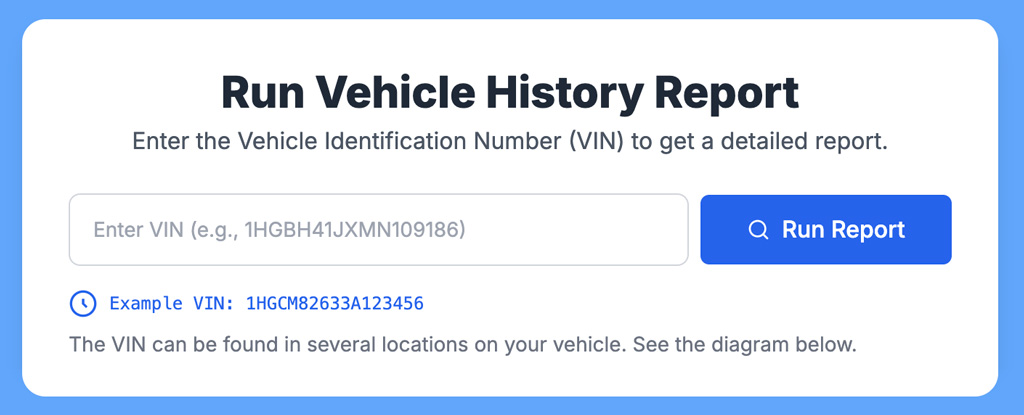
Enter the 17 character VIN without spaces
When inspecting a vehicle history report, prioritize title status, ownership changes, and service history entries that match scheduled maintenance. These points often reveal whether the car was well maintained or underwent major repairs.
VIN-level recall clearance is essential because some model-year problems were fixed by recall campaigns and others were not. Confirming recall completion and matching service records reduces the risk of buying a car with unresolved safety actions NHTSA recalls and investigations.
Step-by-step VIN recall lookup
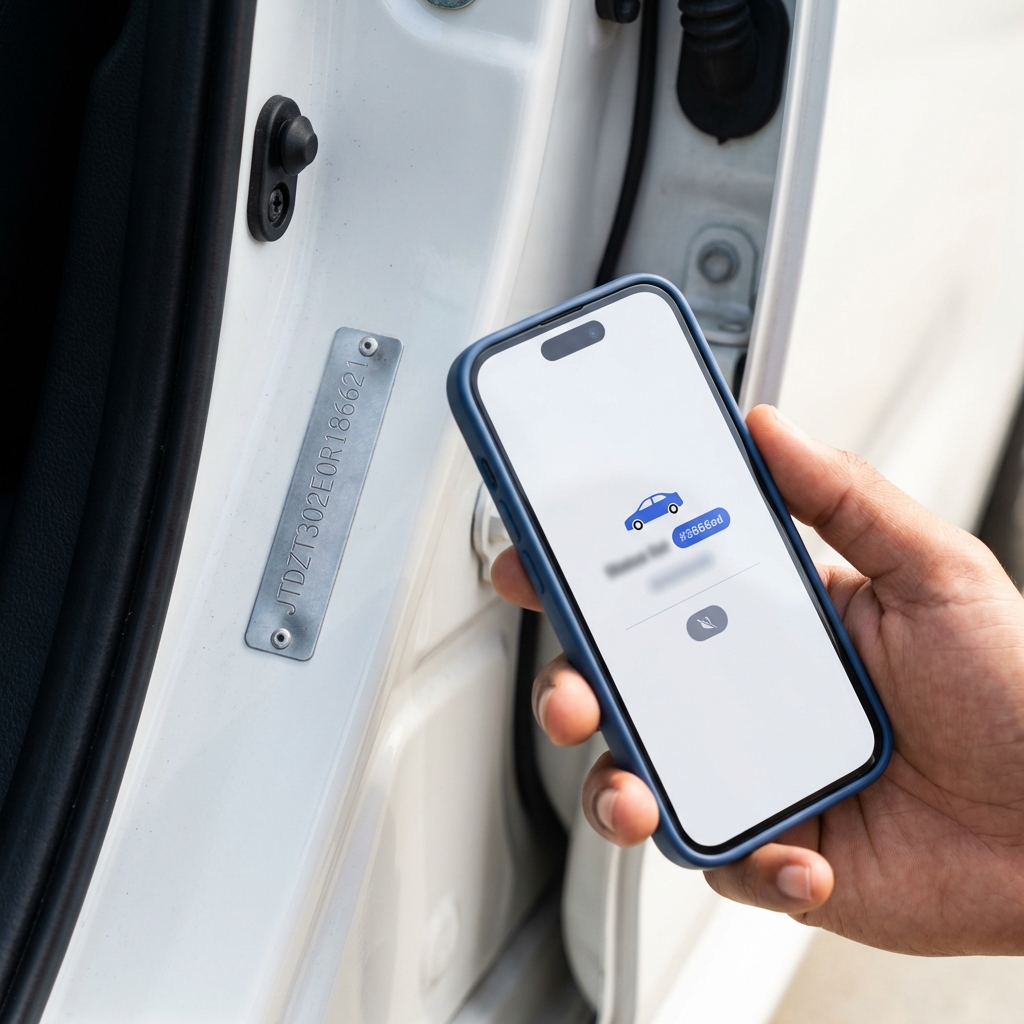
Find the VIN on the vehicle and on the listing. Use the VIN in both NHTSA and Toyota search tools to capture both government and manufacturer records. Record any open recalls and the remedy recommended.
If the VIN shows open recalls, request proof of remedy or plan to confirm completion before you finalize a purchase. Open safety recalls are avoidable risks and should be addressed by the seller or dealer before transfer.
What to look for in a vehicle history report
A vehicle history report should show title status, ownership history, mileage checks, and any service or collision records that were reported. Pay attention to inconsistent mileage entries and to titles flagged as salvage or rebuilt.
Also check whether scheduled maintenance entries appear. A consistent service history can offset some age-related concerns, while large gaps or missing records can increase uncertainty about long-term reliability.
IIHS crash tests and ratings indicate that Corolla generations introduced in the mid-2010s and the 2019 to 2020 redesign generally show improved crashworthiness and crash-avoidance performance. Those ratings can make later generations more attractive for safety-conscious buyers IIHS vehicle ratings.
Reliability aggregators like RepairPal and summaries from Consumer Reports tend to show better reliability signals for later-model Corollas, roughly 2014 and newer, compared with many pre-2010 examples. These trends reflect both improved engineering and newer safety and powertrain designs RepairPal Corolla reliability.
IIHS crashworthiness and crash-avoidance trends
Redesigns that add stronger structures and modern crash-avoidance technology often correspond with better IIHS outcomes. For Corollas, mid-2010s updates and the later redesigns changed the safety profile in measurable ways.
Use IIHS ratings to compare how a candidate model year performed in crashworthiness and whether advanced safety features were standard or optional on the trims you are considering.
RepairPal and Consumer Reports reliability signals
Aggregated owner data and reliability summaries can highlight recurring problem areas such as transmission or powertrain complaints for specific generations. These summaries are useful for spotting patterns but can be influenced by who reports and how samples are collected.
Because aggregated data has sampling limitations, combine these signals with VIN-level service records and an inspection to form a more complete picture of likely ownership cost and reliability Consumer Reports Corolla overview.
Years to avoid when shopping for a used toyota corolla for sale
Evidence suggests that buyers should be more cautious with mid-2000s through about 2010 Corollas because of concentrated recall activity and higher reported rates of certain powertrain or transmission complaints. Treat this range as higher risk on average, but not uniformly defective.
Public records indicate that mid-2000s through about 2010 show more concentrated recall campaigns and higher reported complaint rates, while mid-2010s and post-2019 redesigns generally show improved safety and reliability; always confirm the VIN-level history.
Not every car from these years is a poor buy. Many older vehicles were well maintained and had recall remedies completed. The key is to verify VIN-level recall status, service history, and title condition before assuming elevated risk.
Model-year ranges with concentrated complaints
Aggregated complaint databases and manufacturer recall records show higher frequencies of certain failures and campaigns in older Corolla model years, particularly those produced before 2010. These records help buyers identify years that historically produced more owner reports of powertrain or related issues Corolla complaints by year.
When you see listings from these ranges, prioritize VIN checks and a specialist inspection for transmission and powertrain systems to reduce the odds of an expensive repair after purchase.
Trim and powertrain caveats
Some complaints are trim or powertrain specific. For example, particular transmissions or higher-output engines can show different failure rates across otherwise similar model years. That means you must check the exact trim and powertrain combination, not just the year.
Ask the seller for the exact engine and transmission codes when available, and compare those details against owner-reported problem patterns to see whether the listing matches known trouble spots.
Years to prefer: later generations that tend to be safer and more reliable
Mid-2010s Corollas and the post-2019 redesigns tend to offer improved crash protection, modern safety features, and generally fewer systemic powertrain recalls. For many buyers, these years provide a better balance of safety and predictable ownership costs IIHS vehicle ratings.
Consumer Reports and reliability aggregators typically give later-model Corollas higher reliability signals than many pre-2010 cars, although actual outcomes depend on maintenance history and mileage Consumer Reports Corolla overview.
What improved in mid-2010s models
Mid-2010s updates commonly added structural strengthening and more robust restraint systems, and they often made certain crash-avoidance technologies available across more trims. That combination tends to produce better crash-test and avoidance results.
These changes, combined with fewer repeated systemic recalls in powertrain areas, help explain why mid-2010s models are frequently recommended for safety-conscious used buyers.
Benefits of the 2019-2020 redesign
The 2019 to 2020 redesign introduced updated structures, contemporary active-safety feature sets, and newer engine or transmission pairings. These elements together improved safety ratings and reliability signals for many trims in that generation.
For buyers weighing price against safety, the post-2019 redesigns often justify a higher asking price when a family needs stronger crash protection and lower expected repair frequency.
VIN-level pre-purchase checklist for used Corolla listings
Before you schedule a test drive, run a VIN recall lookup and obtain a detailed vehicle history report that shows title status, ownership history, and service entries. These checks reduce uncertainty and help you prioritize inspections.
Request the seller's maintenance records and ask whether any recall remedies were performed. If the seller cannot provide proof of recall repairs or consistent service records, treat that as a signal to probe further or to ask for a price reduction to cover inspection costs.
Essential report items to confirm before a test drive
Confirm VIN recall clearance, clear title status, and a consistent service history that includes scheduled maintenance. Also compare reported mileage against maintenance entries to detect rollbacks or inconsistencies.
Ask for photos of the engine bay and service receipts that match the VIN to further corroborate the report entries and reduce the risk of undisclosed repairs or title issues.
Which records to request from the dealer
Request detailed service records, repair invoices that correspond to major items, and documentation showing recall remedies if applicable. For dealer listings, check for dealer transparency signals like profiles and reviews to add context to the transaction.
Remember that tools such as vehicle history reports and platform filters can surface risk signals like salvage titles or mileage discrepancies; they do not replace a professional inspection but they do help prioritize which cars deserve a closer look.
Transmission and powertrain red flags to watch for
Older Corollas tend to have higher reported frequencies of transmission and powertrain complaints. Symptoms to watch for include hesitation under acceleration, hard or delayed shifts, and unusual noise when the transmission is under load RepairPal Corolla reliability.
Another sign is excessive oil consumption or repeated top-offs without clear service justification. These symptoms can point to engine wear or maintenance gaps that increase long-term ownership cost.
Symptoms that indicate deeper issues
On a test drive, hard shifts, slipping, or jerking during acceleration are cause for concern. Also listen for knocking or tapping noises and scan for check-engine lights that persist after warm-up.
If the car hesitates when you accelerate onto a highway or shows inconsistent power delivery, get a specialist transmission check before you agree to buy.
When to walk away or get a specialist review
If a listing shows recurring transmission repairs or if a test drive produces clear transmission symptoms, consider walking away unless the price and documented repairs offset the risk. In many cases, a specialist inspection clarifies whether an issue is solvable or likely to reoccur.
For older model years with known higher complaint rates, a pre-purchase inspection by a transmission specialist can save more than a standard evaluation, especially if the vehicle has high mileage.
How collision repairs and title history change risk
Title flags such as salvage or rebuilt signify prior significant damage or insurance write-offs. These statuses often reduce resale value and can signal increased long-term risk, especially if repairs were done poorly.
Photos and service records can reveal paint or body-repair patterns, uneven panel gaps, or mismatched paint that suggest prior collision repairs. When you see these signs, request a professional body inspection to assess structural integrity.
Types of title statuses and what they mean
Titles marked salvage, rebuilt, or flood indicate varying degrees of past loss or damage. Each status has different legal and insurance implications, and buyers should confirm what the flag means in their state and how it affects registration or coverage.
Verify title status in the vehicle history report and ask the seller for documentation on any major repairs that led to a title flag.
How to read service and body-repair signals
Look for repair invoices that list replaced structural components, airbag deployments, or major frame work. Also check for recent paint job records that may cover repaired panels.
If service records lack details for obvious repairs indicated by photos, consider commissioning a professional inspection before purchase to reduce the risk of hidden issues.
Typical buyer mistakes when evaluating used Corollas
One common mistake is over-relying on model year alone. Model year gives a useful signal, but it does not replace VIN-level checks, service records, or an inspection.
Another frequent error is skipping the VIN recall check or failing to request service history. These omissions can leave buyers unaware of open safety recalls or important repairs.
Over-relying on model year alone
Using only year as the decision rule misses important variations in ownership and maintenance. Two cars from the same year can have very different risk profiles depending on who owned them and how they were serviced.
Always treat year as a starting filter, not the final decision; corroborate it with VIN checks and reports.
Ignoring VIN and service detail
Not running a VIN lookup or accepting vague service claims increases the chance of surprise repairs after purchase. Request receipts and specific service entries that match the VIN to reduce this risk.
Ask sellers to show service dates and mileage on receipts so you can match them to the vehicle history report entries.
Practical scenarios: choosing between two used Corolla listings
Scenario A: an older year with low miles. You find a pre-2010 Corolla showing lower-than-typical miles for its age. Start by running a VIN recall lookup, review title status, and request full service records that show why the car has low mileage.
If service entries are consistent and the VIN shows completed recall remedies with no title flags, the purchase could be reasonable, but you should still prioritize a transmission and engine inspection due to higher reported complaint rates in older generations.
Example A: older year with low miles
Step 1, VIN recall lookup and history report. Step 2, confirm consistent maintenance entries. Step 3, arrange a specialist inspection focused on transmission and oil consumption. Step 4, price negotiation based on inspection findings.
Low mileage is a positive signal but it is not definitive. Verify that mileage entries are supported by service records and that the low mileage did not result from long-term storage without proper maintenance.
Example B: later year with higher miles
Scenario B: a 2016 or 2020 model with higher miles but strong service records. Run the same VIN checks plus confirm the presence of crash-avoidance features that improve safety outcomes.
For many buyers, a later generation with documented maintenance can present lower long-term risk than an older low-mile car with spotty service entries, even if the later car has higher miles.
How mileage and maintenance change year-based risk
Consistent, verifiable service history can offset year-based risk. When maintenance records show timely oil changes, transmission service, and documented repairs, an older Corolla's risk profile improves materially.
On the other hand, low mileage without matching service records or with long gaps in entries can be suspicious and should be treated as a red flag.
When high mileage is offset by good service history
If a higher-mileage, later-year Corolla has thorough service records and recent major maintenance items addressed, it can be a conservative choice compared with an older, lower-mileage car that lacks documentation.
Balance mileage against maintenance by estimating remaining life of wearable items and factoring likely near-term services into your negotiation.
Red flags when low mileage looks suspicious
Low mileage paired with a lack of service receipts, inconsistent VIN entries, or evidence of long storage can mask issues. In such cases, insist on a full inspection and on records that confirm the car was driven and maintained.
If you cannot reconcile mileage against service entries, consider walking away or seeking a deeper inspection before committing.
Balancing price, safety, and ownership cost when you shop
Newer model years often command a price premium but they can reduce expected safety and repair risk. For budget buyers, weigh the premium against likely near-term repairs, insurance cost differences, and the value you place on improved crash protection.
Estimate ownership cost by considering maintenance trends, likely required repairs based on model year signals, fuel economy differences by powertrain choice, and insurance impacts from better safety ratings.
Estimating total cost to own in different year choices
Make a short calculation: expected remaining life of wear items, likely repairs from known complaint patterns, and annual maintenance budget. Add insurance and expected fuel cost differences to form a simple ownership estimate.
This comparison helps indicate when a newer model year is worth the premium or when an older car with verified service history is the better value.
When a newer model year is worth the premium
For families or buyers prioritizing crash protection, later generations with better IIHS ratings and standard active-safety features can justify higher upfront cost. For budget buyers focused on immediate affordability, a well-documented older Corolla may be acceptable if inspections are clean.
Decide which trade-offs matter most to you and use the VIN-based checks and the inspection to confirm the chosen car meets those needs.
Conclusion: make the decision VIN by VIN
Year-based guidance helps narrow the field, but the final choice must be VIN-specific. Run NHTSA and Toyota VIN recall checks, get a full vehicle history report, and arrange targeted inspections for transmission and body repairs before you commit.
When in doubt, prioritize documented service history and completed recall remedies over a simple model-year label. Use the checklist below as your immediate next steps.
Recap and next steps
Next steps: run a VIN recall lookup, request a detailed vehicle history report, and schedule a targeted pre-purchase inspection focusing on transmission and collision repairs. These actions convert model-year signals into a practical buying decision.
Taking these steps can reduce uncertainty and help you compare listings using concrete evidence rather than assumptions about model year alone.
Public records and aggregated complaint data indicate that mid-2000s through about 2010 have more concentrated recall and complaint activity, so prioritize VIN checks and inspections for cars from those years.
Yes, if the VIN shows completed recall remedies, a consistent service history, and a clean title, an older Corolla can be a reasonable value; always confirm with a targeted inspection.
Run a VIN-level recall lookup and review the vehicle history report to confirm open recalls, title status, and documented service history before arranging a test drive.
Use the VIN-level checks and the short checklist in this guide before committing to a test drive. Doing so will help you compare listings with clearer risk signals and focus inspections on the items that matter most for long-term ownership.
If a listing lacks verification or service records, treat that absence as a prompt to request documentation or to seek another car with clearer evidence of maintenance and recall remedies.


 Blog
Blog