What's the best year for a used Toyota Sienna? A practical guide
This guide helps you decide which model years of the Toyota Sienna fit common buyer priorities. It covers the trade offs between proven third generation V6 years and the 2021 and later hybrid models, and lists VIN based checks to reduce risk. Use the steps here when you search for a used toyota sienna for sale to compare listings and verify service history.
A step-by-step workflow for estimating a truck's market value that centers on comparing consumer valuation tools, adjusting for mileage and condition, and checking wholesale market signals. The guide explains private-party, trade-in and dealer retail values and shows how a vehicle history report and pricing insights can change an asking price.
This guide helps research oriented buyers evaluate suv used cars for sale under $25,000 by combining safety ratings, reliability data, local pricing context, and vehicle history checks. It outlines a simple framework, a pre visit checklist, and a decision scoring worksheet so you can compare finalists before contacting a dealer. Use the steps here to narrow candidates and confirm risk signals with a vehicle history report and a pre purchase inspection.
When searching suv used cars for sale, prioritize model year, trim and powertrain before choosing a make or model. This guide explains how safety ratings, dependability studies and local pricing insights combine to produce a short list you can verify with a vehicle history report. It also provides a stepwise checklist you can use before contacting a dealer.
The Toyota Sienna often appears on family vehicle shortlists because of its space and practical features. Choosing which year to buy depends on priorities such as fuel economy, maintenance predictability and resale value.
This article compares the main year groups for used buyers and gives step by step checks to reduce risk when you see a listing. CarFax Deals can help as a verification layer by pairing dealership listings with vehicle history reports and pricing insights.
For many buyers the 2015 to 2019 Sienna balances proven V6 reliability with parts availability.
The 2021 and later Sienna uses a standard hybrid powertrain that improves fuel economy but has limited long term data.
Run a VIN specific vehicle history report and verify service and recall work before you buy.
Quick answer: which model years of the Toyota Sienna tend to be best for most used buyers
Short summary by buyer priority
If you are browsing used toyota sienna for sale and want a fast, practical answer, think in two groups: third generation models from 2011 to 2020, especially 2015 to 2019, and the fourth generation from 2021 onward that uses a standard hybrid powertrain. Consumer Reports and RepairPal commonly point to mid to late third generation years for a balance of reliability and parts support, so check the vehicle history report early in your search Consumer Reports.
When to favor an older V6 third-generation Sienna and when to consider a hybrid
Choose a 2015 to 2019 Sienna if you want a proven V6 platform, easier parts sourcing and a well understood ownership profile. Consider a 2021 or newer Sienna if fuel economy is a primary concern, but be prepared to request hybrid service records and battery documentation because long term hybrid data is still developing U.S. News.
Check VIN and service history now
Run a VIN check and compare service history details before you schedule a visit to a dealer.
Why model year and generation matter for the Sienna
What changed between third and fourth generation
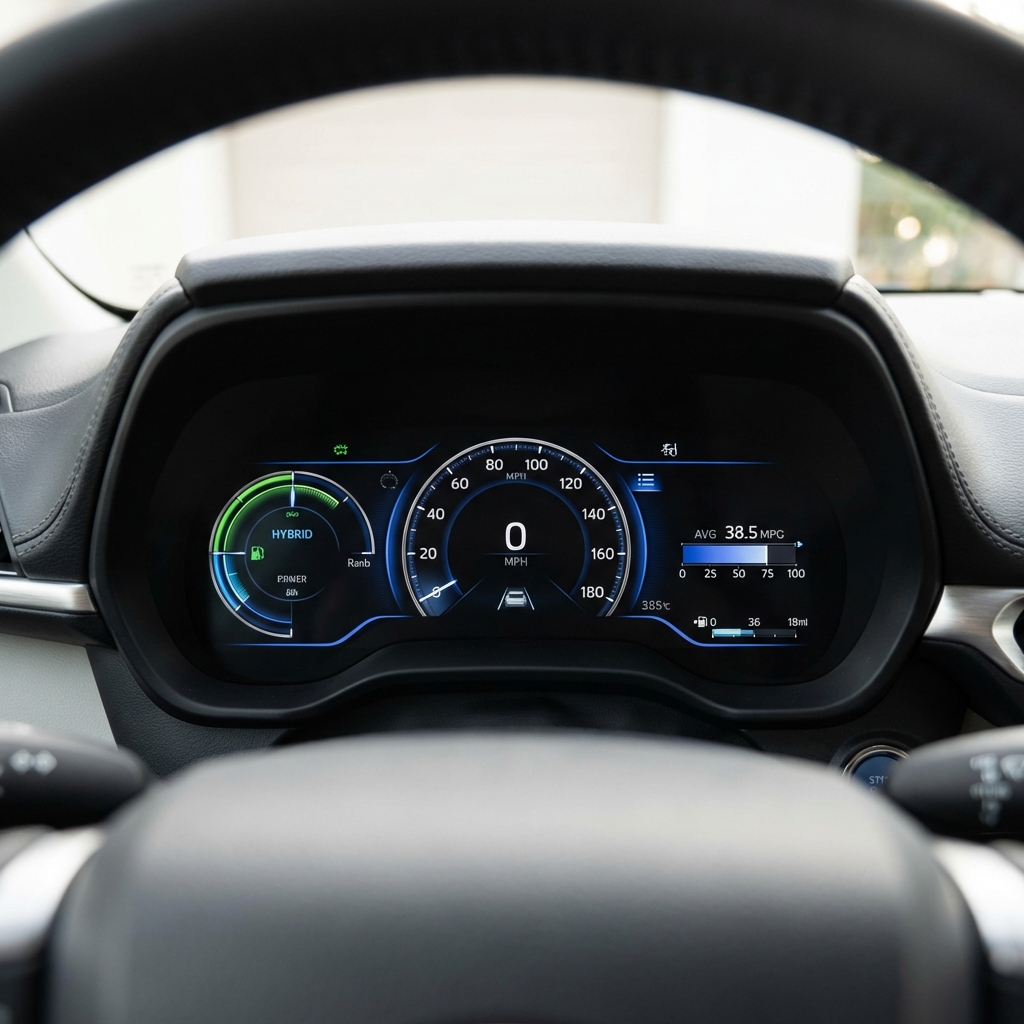
The 2021 Sienna moved from a standard V6 to a factory hybrid powertrain. That change alters fuel economy, service items and potential long term considerations such as high voltage component health. For fuel economy and hybrid system details, consult model summaries and used car reviews to set expectations U.S. News.
Later third generation years retain the V6 hardware that mechanics and parts networks are familiar with. That can mean easier repairs and more predictable maintenance patterns for many owners, according to reliability guidance published by consumer testing organizations Consumer Reports.
Mid to late third generation Siennas, roughly 2015 to 2019, often suit buyers who want proven V6 reliability and predictable maintenance; 2021 and newer hybrids suit high mile commuters looking for better fuel economy but require hybrid service and battery verification.
How safety records and recalls affect used buying risk
NHTSA recall and complaint records show recurring areas to check on many Sienna model years, such as sliding door mechanisms and several safety related campaigns; one practical step is to run a VIN specific lookup so you know whether a given vehicle has open actions NHTSA vehicle recalls page. You can also cross check manufacturer recall lookup tools for details Toyota recall lookup.
VIN based checks tell you about manufacturer campaigns tied to a specific vehicle. That matters because two cars of the same year can have different recall histories and different repair records, and those differences affect expected ownership cost and safety risk.
A step-by-step pre-purchase checklist for any used Toyota Sienna
Document checks: VIN, vehicle history report, service records
Request a full vehicle history report by VIN, and verify title status, ownership history and mileage consistency. A VIN report can flag reported collision history or title problems and should be your first document request when evaluating a listing Consumer Reports.
Ask the seller for complete service records. Note any long gaps in scheduled maintenance, and look for entries that show brake, transmission or hybrid system work. On 2021 and later hybrids, search the records for hybrid service or battery related entries RepairPal.
Mechanical and drive checks: transmission, sliding doors, hybrid system
During a test drive, feel for transmission hesitations, delayed downshifts or unusual vibration during shifts. Buyers and repair data sources note that transmission or shifting complaints are a common symptom to take seriously and to have examined by a technician if present RepairPal.
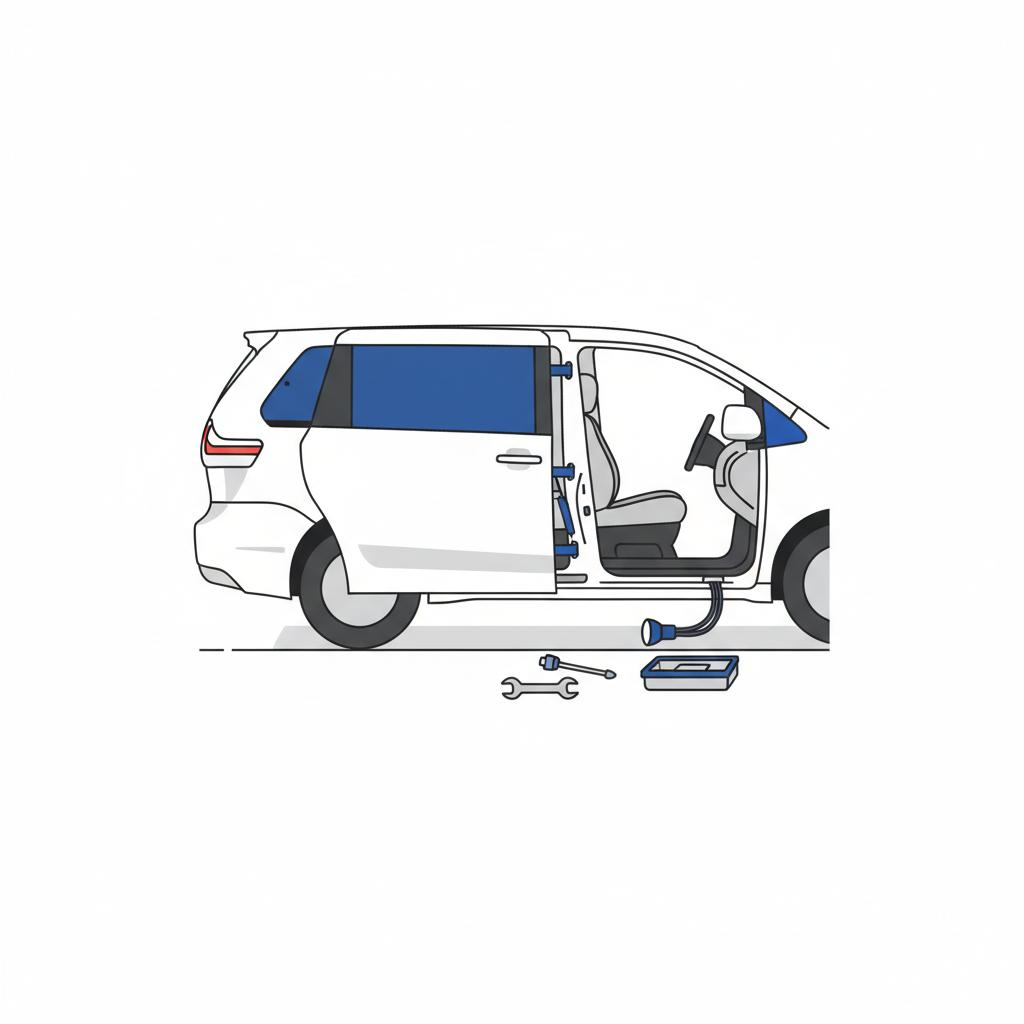
Test every sliding door multiple times, at cold start and after the vehicle has warmed. Sliding door mechanisms have appeared in NHTSA complaints across several model years, so a noisy or sticky door is a meaningful red flag to document for negotiation or for a specialist inspection NHTSA vehicle recalls page.
Pricing checks: comps and price labels
Compare the asking price to local comps and KBB guidance. Pricing and resale analyses show later third generation years and well maintained 2021 and later hybrids often retain value better than older examples, but local demand, trim and mileage matter a great deal KBB.
Use price analysis labels and local market context to decide if a listed vehicle is fairly priced. Ask how the seller set the price and what recent work or service is included in the sale paperwork.
Which years balance reliability, running cost, and resale value
Why 2015 to 2019 is often a sweet spot
Consumer testing and repair frequency data point to 2015 through 2019 as a common recommendation for many used buyers. These years tend to balance an established V6 platform with parts availability and known service patterns that independent garages understand Consumer Reports.
Owners choosing those model years can often expect moderate repair costs relative to the minivan segment, though annual cost depends on mileage and how well the vehicle was maintained, so a vehicle history report remains essential RepairPal.
Quick VIN and condition checklist to guide a listing review
Use this in listing review
When a 2021 and later hybrid makes sense despite unknowns
Models from 2021 onward share a factory hybrid system that improves fuel economy and reduces regular fuel cost for high mileage drivers. If a commuter drives many miles per year, the hybrid Sienna is often worth considering, provided you verify the hybrid system service history U.S. News.
Long term ownership questions remain around hybrid battery life and potential high voltage component service costs. As a result, ask the seller for battery state of health documentation if available, and consider a specialist hybrid inspection for any high mileage candidate RepairPal.
How mileage and trim change the equation
Trim and optional equipment change both resale value and repair complexity. Higher trims with more features can cost more to fix and may retain value differently than base trims, so match your budget to expected maintenance risk and local resale patterns KBB.
High mileage can outweigh a newer model year in some markets. A well maintained 2017 with full service history can be a safer long term buy than an unloved 2021 with gaps in records. Use the vehicle history report to confirm whether scheduled maintenance was performed.
Common problems and red flags specific to the Sienna
Recurring recall areas and complaint clusters
NHTSA records highlight recurring issues to check, including sliding doors and several safety related recalls across multiple years, so run a VIN lookup before you make firm plans to inspect a vehicle NHTSA vehicle recalls page. For related technical service bulletins see official bulletins that address some hybrid and accessory issues technical service bulletin.
Open recalls can sometimes be addressed by a dealer at no charge, but you still need the VIN level history to confirm whether recall work was performed and documented.
Symptoms to test for on a test drive
Listen for transmission hesitation, odd noises during shifting, and inconsistent acceleration. If you notice vibration or delayed engagement, document the symptoms and consider a mechanic review. Repair frequency sources advise treating transmission symptoms seriously rather than deferring them RepairPal.
Also check HVAC operation, steering feel and braking response. These systems matter for daily comfort and for diagnosing how well the vehicle was maintained over time.
What gaps in service history can mean
Long gaps or missing entries in service records increase uncertainty about deferred maintenance. A vehicle with consistent scheduled service entries is typically lower risk than one with large unexplained gaps, even if both show similar mileage Consumer Reports.
When records are incomplete, insist on a pre purchase inspection and factor potential upcoming service into your price assessment.
How pricing, trim, and local market conditions change which year is right for you
How to compare listings effectively
Compare listings by trim, powertrain and mileage rather than only by model year. KBB and local comps offer guidance, but local demand drives asking prices and can make later third generation or hybrid examples more expensive in some areas KBB.
Create a shortlist of comparable vehicles and note differences in documented maintenance, number of owners and any reported accidents. Those items often explain price differences more than a single year label.
The role of trim and powertrain in total cost
Higher trims add features that may cost more to repair. Hybrid powertrains reduce fuel use but can add complexity when high voltage components need service. Consider which costs you can absorb and which would be risk factors for ownership U.S. News.
When comparing prices, adjust your value assessment for included work, recent maintenance and any new tires or brake work, because those items affect near term outlays.
When mileage outweighs a newer model year
In many markets a lower mileage older Sienna is preferable to a higher mileage newer one. Mileage affects expected maintenance intervals and wear items, which in turn drives total cost to own. Use the vehicle history report and service records to confirm mileage claims Consumer Reports.
Factor in local labor rates and expected parts costs when estimating annual ownership expenses. RepairPal data places Sienna maintenance in a moderate range for the minivan class, but your region can change that expectation RepairPal.
Sample buyer scenarios: pick the year that matches your priorities
Scenario A: budget conscious buyer who wants proven reliability
Recommended range: 2015 to 2019. Why: these years pair the proven V6 with broad parts support and known repair patterns, which tends to make maintenance more predictable. Action items: insist on a full vehicle history report by VIN and a pre purchase inspection focused on transmission and scheduled maintenance entries Consumer Reports.
Example: If a 2017 listing shows complete service records and no open recalls, it is often a lower risk buy than an equivalent year without documentation. Use pricing guidance to compare similar trims in your area KBB.
Scenario B: commuter prioritizing fuel economy
Recommended range: 2021 and newer hybrid Sienna. Why: the factory hybrid system delivers notably better fuel economy for high mile drivers, but confirm hybrid service entries and battery condition. Ask for any inverter or battery work noted in service history U.S. News.
Example: A hybrid with detailed hybrid service records and a recent multi point hybrid battery check reduces uncertainty compared to one with no hybrid documentation. Consider a specialist inspection if the vehicle is high mileage.
Scenario C: long term owner worried about hybrid battery costs
Recommended approach: if you plan to keep the vehicle many years, weigh the unknowns in long term hybrid ownership. Request any available battery state of health reports and factor potential high voltage component costs into your total cost to own estimate RepairPal.
Example: For a buyer intending to keep a Sienna for more than a decade, a well documented late third generation V6 can be an attractive alternative because the V6 service patterns and parts costs are better understood.
Final checklist and next steps before you contact the dealer
Documents to request and verify
Request a vehicle history report by VIN, full service records, title status and any hybrid service documentation for 2021 plus models. Verify mileage and ownership entries and look for any reported damage or salvage titles Consumer Reports.
Confirm whether any open recalls were addressed by checking VIN level NHTSA records and asking the seller for repair invoices if recall work is listed NHTSA vehicle recalls page.
How to use vehicle history reports and pricing labels
Match the vehicle history findings against KBB and local comps to decide whether the asking price is reasonable. Price analysis labels can be a useful shorthand, but always dig into the history report for underlying reasons that affect value KBB.
If the listing has unexplained service gaps, missing receipts for major work or unresolved safety campaigns, consider walking away or arranging a specialist inspection. Those gaps often predict higher ownership costs and greater uncertainty RepairPal.
When to walk away or seek a specialist inspection
Walk away or ask for a deep inspection if the seller cannot produce a vehicle history report by VIN, if there are unexplained title issues, or if transmission symptoms appear during the test drive. These are documented risk signals that deserve professional review NHTSA vehicle recalls page.
When in doubt, pay for a specialist inspection that includes hybrid battery checks for 2021 and newer models. That cost can be small compared to potential high voltage repairs later.
Many sources recommend mid to late third generation years, especially 2015 to 2019, for a balance of reliability and parts support.
Not necessarily; 2021 and newer models improve fuel economy but buyers should request hybrid service records and battery documentation due to limited long term ownership data.
Request a full vehicle history report by VIN to confirm title status, mileage consistency and any reported collisions.
Decide whether you need the hybrid fuel economy or the known service profile of a V6 Sienna, then use the VIN level checks and the checklist here to verify any listing.
When a vehicle has clear service records and no open recalls, it is easier to assess long term ownership costs. If records are missing or symptoms appear during a test drive, arrange a specialist inspection before purchase.


 Blog
Blog