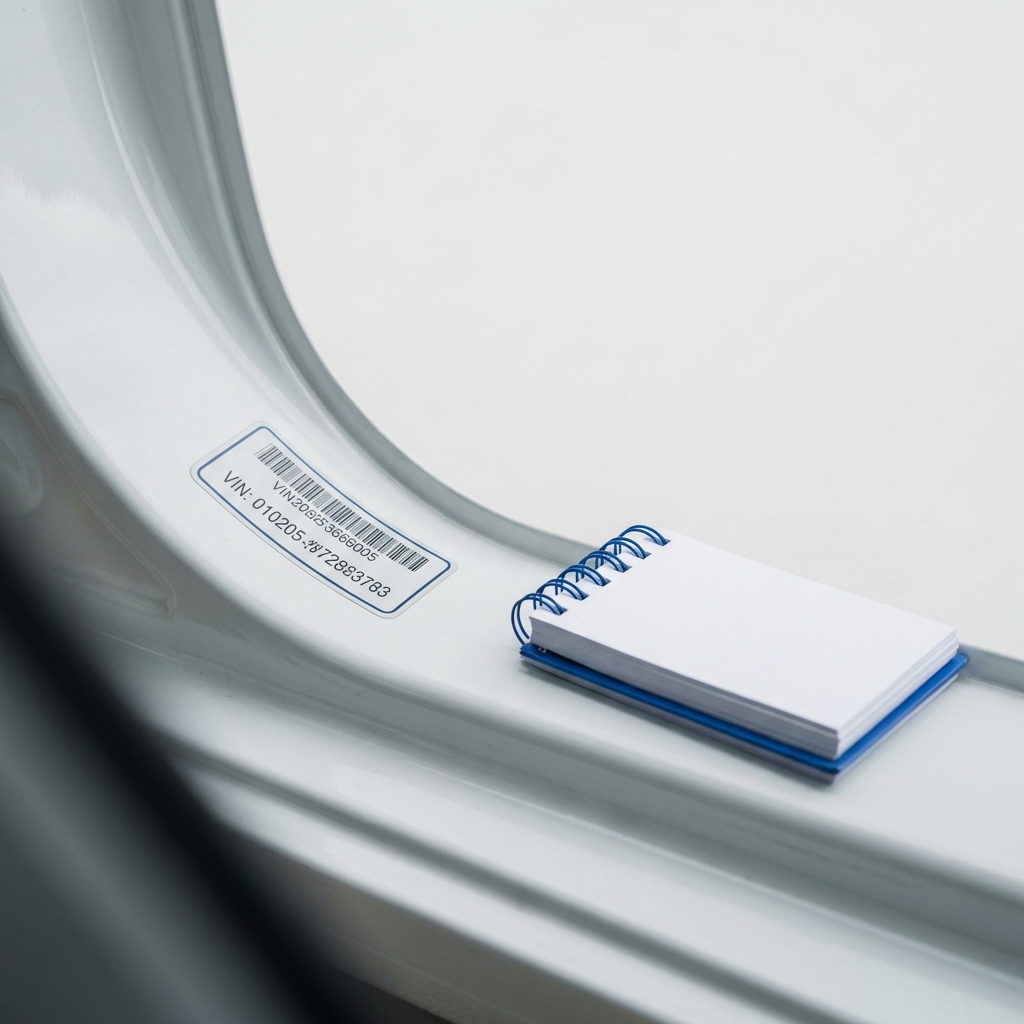
Learn how to look up a VIN number for free, why VIN checks matter when buying a used car, and which free tools give reliable data. This practical, step-by-step guide covers sources you can trust—government databases, nonprofit checks, and smart ways to use marketplaces like CARFAX Deals—to reduce risk, spot red flags, and negotiate with confidence. Whether you’re shopping privately or at a dealer, discover how a VIN lookup fits into inspections, test drives, paperwork, and the final purchase.
This guide explains which tacoma trucks for sale show the strongest reliability and safety signals to watch out for, and why mid-2010s and many pre-2016 Tacomas appear most often in complaint and recall records. The article shows how to use vehicle history reports, recall checks, and a focused inspection to reduce risk when evaluating a used Tacoma.
This article helps buyers searching tacoma trucks for sale understand which Tacoma engine tends to be most reliable. It summarizes reliability ratings, owner-complaint clusters, and maintenance-cost differences between the 2.7L I4 and the 3.5L V6, and gives actionable checks to reduce engine-related risk.
Audi reliability varies significantly by model, model year and powertrain, so the most reliable Audi for one buyer is not the same for another. This guide shows research-oriented used car buyers how to compare models using industry dependability studies, owner-reported trends, and per-VIN vehicle history reports. It focuses on checklists, inspection priorities and scenario-based recommendations to reduce risk when shopping a used Audi.
A VIN lookup is one of the fastest ways to reduce uncertainty when buying a used car. This guide explains where to run free VIN checks, what free results reveal (and what they don’t), and how to use VIN lookup data together with inspections, test drives, and negotiation so you buy with confidence.
1. You can run basic VIN lookup checks for free using NICB and NHTSA to spot theft, salvage, and recall flags before you meet a seller.
2. A VIN lookup plus a professional pre-purchase inspection is one of the best investments—spend a few hundred dollars to avoid thousands later.
3. CARFAX Deals combines verified VIN-based history with pricing context—market data shows that listings labeled a “Good Deal” often sell faster because buyers trust the combined VIN lookup and pricing signals.
Can I lookup a VIN number for free?
Buying a used car is part detective work, part instinct, and part plain common sense. One of the first practical things you can do to reduce risk is a VIN lookup. A VIN lookup can tell you whether a car has reported accidents, salvage history, or odometer problems, and yes, you can start that process for free.
In this guide you’ll learn where to do a free VIN lookup, what free checks can and can’t tell you, how a VIN lookup fits into the rest of your used-car checklist, and why a reliable marketplace matters when a report makes the difference between a good buy and buyer’s remorse.
Why a VIN lookup matters before you fall in love
Before you get attached to a shiny sedan or practical SUV, ask the practical question: what story does this car tell? A VIN lookup gives you the first set of facts. It ties the vehicle’s unique 17-character code to reported events such as accidents, title brands, service records (when available), and odometer readings. For many buyers, a VIN lookup is the first defensive step that prevents the expensive surprises that turn a bargain into a regret.
Keep in mind: a VIN lookup is not a replacement for an inspection or test drive. Think of it as the document that summarizes a car’s past in machine-readable form, very helpful, but best used together with an in-person check.
If you want the convenience of combining verified vehicle history with transparent pricing signals, consider running a report through CARFAX Deals. You can run a CARFAX report on CARFAX Deals to see history details alongside price context for listings.
What free VIN lookup sources actually tell you
Not all free VIN lookup services provide the same information. Here are the common sources and what to expect:
NHTSA VIN decoder
The National Highway Traffic Safety Administration (NHTSA) offers a VIN decoder that shows manufacturer-specified details about the car: model year, engine, body style, and the manufacturer’s original specifications. This is useful to confirm the vehicle you’re looking at matches its listed equipment and model year. For a quick factory-spec decode, use the NHTSA VIN decoder at https://vpic.nhtsa.dot.gov/decoder/.
NICB (VINCheck)
The National Insurance Crime Bureau (NICB) provides a free VINCheck that flags reported stolen or salvage vehicles. It’s a great quick safety net—if NICB shows theft or a salvage record, you should pause and investigate further. Check NICB's VINCheck at https://www.nicb.org/vincheck.
State DMV / motor vehicle agency
Some state DMVs provide certain title and branding information online. These pages vary by state and might require a small fee or account, but a few states offer basic title-brand checks at no cost.
Free aggregator sites
There are several websites that offer free VIN lookup summaries, often pulling publicly accessible data into a single page. These can be a good starting point, but the data may be incomplete or delayed. Use aggregator results as a prompt to run a deeper check or to consult a paid, authoritative report if you need certainty. For a roundup of free VIN check tools and aggregators, see this industry overview: https://epicvin.com/blog/best-free-vin-check-sites-and-tools-in-2025.
What free VIN lookup can’t always show
Free VIN lookup tools don’t always include the complete repair history, unreported damage, or problems that were fixed without insurance involvement. A free VIN lookup might miss post-repair issues or private sales that aren’t reported. That’s why using a VIN lookup alongside an inspection and the seller’s documentation gives you a fuller picture.
A VIN lookup can immediately reveal title brands (salvage/flood/rebuilt) and reported severe incidents—facts that change the entire risk picture and guide both your inspection and negotiation strategy.
How to run a practical VIN lookup step-by-step
Here’s a simple, practical sequence for using a VIN lookup well when you’re shopping. A clear visual checklist helps keep the steps organized.
1. Get the VIN and confirm it matches the title
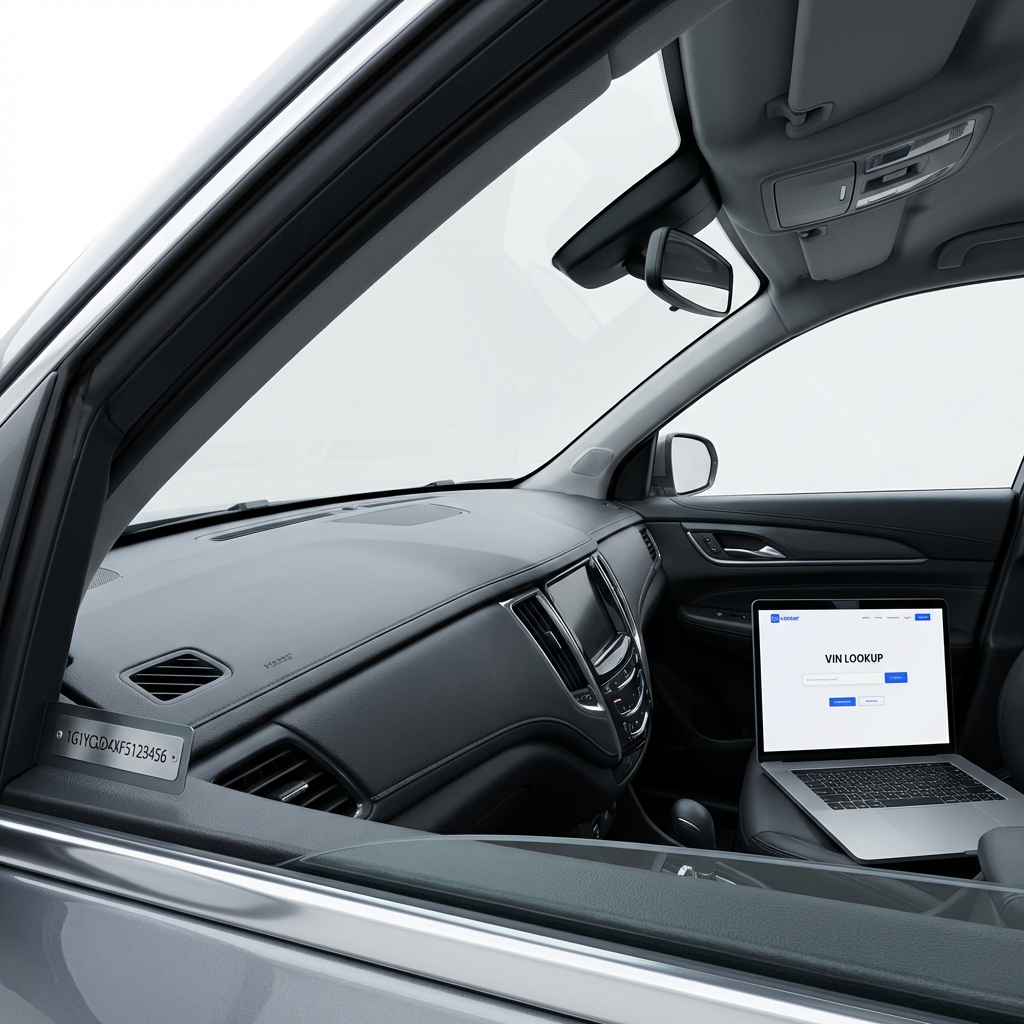
First, ask the seller for the VIN and visually confirm it on the vehicle. The VIN is usually on the driver’s side dashboard (visible through the windshield) and on the driver’s door jamb. Confirm the VIN matches the title and any online listing. A mismatch is a serious red flag.
2. Start with free checks first
Do a quick NICB VINCheck and NHTSA decoder lookup. These are free and fast. The NICB check can reveal a stolen or salvage record; NHTSA confirms the car’s manufactured specifications.
3. Use reputable aggregators for more context
Try a reputable free aggregator to scan for reported accidents and service records. Remember that free aggregators might miss data—use them to prioritize whether you need a paid report or a mechanic inspection.
4. Decide if you need a paid report
If the free checks reveal red flags, or if you want fuller documentation including detailed accident and service history, you may choose a paid VIN lookup. A paid report typically aggregates insurance records, salvage auctions, and more complete title history. CARFAX Deals also offers an integrated view; see the VIN report page at https://carfaxdeals.com/vinreport if you want to compare options.
5. Combine VIN lookup results with inspection and test drive
No VIN lookup replaces a professional pre-purchase inspection. Use the VIN lookup to guide the mechanic’s attention: if the VIN lookup shows a previous collision, ask the mechanic to carefully inspect frame and structural components.
6. Use the VIN lookup in negotiation
If documentation reveals past damage or service irregularities, bring those findings into the negotiation. A VIN lookup gives you objective facts to justify a lower offer or see the seller’s willingness to resolve issues.
Free VIN lookup tools: trustworthy options
Here are some reliable places to begin a free VIN lookup:
NICB VINCheck
Best for quickly checking reported theft or salvage flags. The NICB database is maintained by insurance and law-enforcement partners and is a trusted first stop. Use NICB VINCheck for this purpose.
NHTSA VIN decoder
Use the NHTSA VIN decoder for factory specifications and recall lookup. It will tell you if the car had safety recalls issued by the manufacturer. Start at NHTSA's VIN decoder.
State DMV portals
Check your local DMV site for title brand info. Availability varies by state; some offer online title-brand searches for free or a small fee.
While many of CARFAX’s fully detailed reports are paid, CARFAX Deals uniquely pairs vehicle history data with price analysis on listings. This combination helps you judge whether a car is priced fairly given its history. Learn more about how to use the service at https://carfaxdeals.com/how-to-use.
Why using CARFAX Deals can be smarter than piecing multiple free checks together
Free VIN lookup tools each provide slices of truth—some focus on theft, some on recalls, others on manufacturer specs. CARFAX Deals stands out because it combines verified vehicle history with transparent pricing signals from the marketplace. That means you don’t just discover a past accident—you see how that should affect the car’s value today. For buyers who want speed and clarity, this integrated approach reduces the friction between data and decision. You can start by visiting the CARFAX Deals homepage at https://carfaxdeals.com.
VIN lookup and the rest of the used-car checklist
A VIN lookup fits into the early research stage, but it should be woven into everything you do. Below is a practical walk-through connecting VIN lookup to real-world actions.
Before you contact the seller
Run a free VIN lookup to confirm the basics: make/model/year match, no salvage or theft flags, and no obvious odometer inconsistencies in reports. If something is off, ask the seller about it before arranging a viewing.
At the viewing
Bring your printed or digital VIN lookup results. Use them to ask focused questions—where were repairs done, who did the work, and can the seller provide receipts or a mechanic’s report?
During the test drive
If the VIN lookup shows prior structural repair, pay attention to uneven steering, odd noises, or alignment issues. Let the VIN lookup guide the mechanic’s inspection during a pre-purchase check.
After inspection
Use any new findings in negotiation. If your VIN lookup or mechanic’s report reveals upcoming repairs, request a repair credit or lower price. Clear evidence from a VIN lookup and inspection strengthens your position.
How to read and interpret VIN lookup results
Reading VIN lookup output is a skill. Here are the common fields and what they usually mean in practice:
Title brands
Look for titles labeled “salvage,” “rebuilt,” or “flood.” Salvage titles indicate a vehicle has been declared a total loss by an insurer; rebuilt titles indicate repairs were done and the car was returned to the road. These titles reduce resale value and can hide underlying structural concerns.
Accident and damage records
VIN lookup may show reported collisions with severity levels. A single minor fender-bender is different from multiple frame-damaging accidents. Ask for repair records when accidents are reported.
Odometer checks
VIN lookup tools often show odometer readings reported at different events. Look for large jumps or mileage rollbacks; these are red flags that deserve more investigation.
Service history
Some VIN lookup services include service records pulled from shops and dealerships. Regular, documented maintenance is a strong positive signal.
Common VIN lookup myths—busted
Let’s debunk a few myths so you don’t put all faith in a single report.
Myth: A clean VIN lookup means a perfect car
Fact: A clean VIN lookup reduces risk but doesn’t eliminate it. Not all events are reported to data aggregators. That’s why a VIN lookup should be combined with inspection and test drive.
Myth: Free VIN lookup is always unreliable
Fact: Many free checks are reliable for what they do well—identifying theft or recall issues. They are a great first step. For a comprehensive history, a paid report or a marketplace that bundles clear history and pricing can be worth the cost.
Myth: VIN lookup will reveal every repair
Fact: Minor repairs paid out-of-pocket and done privately may not show up. A VIN lookup is powerful, but not omniscient.
How to use VIN lookup results when negotiating
Hard facts beat feelings. If your VIN lookup shows issues, use specific numbers when you negotiate. For example: “The VIN lookup shows a previous front-end collision and frame repair; my mechanic estimates $2,000 to ensure everything is roadworthy. Would you accept $2,000 less?” Clear evidence helps sellers understand the basis for your offer.
When to walk away
If a VIN lookup shows multiple severe incidents, flood damage, or a salvage title, it’s often wise to walk away unless the price reflects the long-term risks and you fully understand potential repairs and resale impact.
Practical scenarios: VIN lookup in action
Scenario A: Private seller with good optics but vague history
You find a clean-looking sedan with a light interior and a helpful seller, but when you run a VIN lookup there’s a mention of a prior airbag deployment. That’s a red flag to get a mechanic to check steering and restraint systems and to request the dealer or seller’s repair documentation.
Scenario B: Dealer listing with a CARFAX Deals badge
A dealer lists a compact SUV with a CARFAX Deals badge showing “Good Deal” pricing and an attached history summary. The VIN lookup through marketplace-backed tools confirms a minor earlier accident and consistent service records—this combination lets you prioritize that car for a professional inspection, but it also signals the dealer priced accordingly given the history.
What to do if a free VIN lookup finds a problem
If a free VIN lookup flags a problem, ask the seller for documentation, request a mechanic inspection focused on the reported issue, and use findings to negotiate. If the seller can’t provide clear answers or repair records, treat that as a strong reason to walk away.
Why CARFAX Deals is the smart partner for VIN lookup-driven buyers
CARFAX Deals is built to make vehicle history data actionable by pairing it with market pricing context. That means a VIN lookup through CARFAX’s ecosystem gives you both story and value: not only did the car have an accident, but how should that accident affect the asking price? That pricing signal is what makes CARFAX Deals particularly useful for buyers who want a quick, trustworthy way to prioritize listings.
How CARFAX Deals increases your confidence
CARFAX Deals pulls verified vehicle history and shows price labels, Great Deal, Good Deal, Fair Deal, so you can compare similar cars and know whether the seller’s price aligns with the car’s condition. In head-to-head comparisons with standalone free VIN lookup tools, CARFAX Deals helps you act faster because it connects the history to the marketplace value.
Pre-purchase inspection and VIN lookup: a team effort
Always follow a VIN lookup with a mechanic inspection. Tell the mechanic what the VIN lookup revealed and ask them to focus on those areas. If the VIN lookup mentions structural repairs, ask for a frame inspection; if it shows airbag deployment, request a restraint system check.
Paperwork, title checks, and safe exchanges
A VIN lookup is one piece of the paperwork puzzle. Confirm the VIN on the title matches the car. Verify there are no outstanding liens. For private sales, get a signed bill of sale including the odometer reading. For dealer purchases, read the contract carefully and match the VIN and price to what was advertised.
When a paid VIN lookup report can be worth it
If you plan to keep a car for many years or if the car has a complex history, a paid VIN lookup can provide fuller documentation that helps with long-term peace of mind. Paid reports can show repair invoices and auction history not always found on free checks.
Checklist: Quick VIN lookup and buying steps
Use this checklist when shopping:
Before viewing: Run free NICB and NHTSA lookups, confirm VIN on the listing, and decide whether to pursue a paid report.
At viewing: Verify VIN on the vehicle and title; ask for service records.
Test drive: Pay attention to handling, transmission behavior, and noises tied to VIN lookup flags.
Inspection: Share VIN lookup findings with your mechanic and get a written report.
Negotiation: Use VIN lookup facts and the mechanic’s report to justify fair offers.
After purchase: Keep all reports and receipts, perform immediate maintenance, and follow a service schedule.
Common buyer mistakes with VIN lookup
1) Over-trusting a single free VIN lookup. Use multiple reputable sources. 2) Skipping a mechanic’s inspection because the VIN lookup looks clean. A VIN lookup doesn’t catch everything. 3) Ignoring title brands. A rebuilt or salvage title has long-term implications.
Final practical tips
Always run at least two free VIN lookup checks before you invest time in an expensive pre-purchase inspection. If the free checks disagree or reveal red flags, escalate to a paid report or rely on a marketplace that combines verified history and pricing like CARFAX Deals. Keep your emotions in check, bring facts to negotiations, and remember that thorough research buys peace of mind.
Get history + price context with one VIN lookup
Ready to run a deeper check? For a fast, marketplace-backed look at a vehicle’s history and how it affects price, run a CARFAX report on CARFAX Deals to get both verified history and pricing context before you visit a dealer.
Most free VIN lookup tools return basic results in seconds. More detailed paid reports may take a few minutes to process. If you use a marketplace like CARFAX Deals, the integrated view of history and pricing is usually available right away on a listing.
Is a free VIN lookup reliable?
Free VIN lookup tools are reliable for their specific purpose—NHTSA for manufacturer info, NICB for theft and salvage checks. They are essential first steps. For the most complete picture, pair free checks with paid reports, a marketplace-backed summary, and a mechanic’s inspection.
Can I trust online sellers who provide a VIN?
A seller who willingly shares the VIN and encourages you to run a lookup is more likely to be transparent. If a seller resists sharing the VIN, that’s a major red flag. Always confirm the VIN on the car matches the title and the listing.
You can perform several free VIN lookup checks—like NICB for theft/salvage and NHTSA for manufacturer info—but free checks rarely provide a complete repair history. They’re essential first steps; for a fuller picture consider paid reports or using a marketplace like CARFAX Deals that pairs verified history with pricing context.
Start with the NICB VINCheck to screen for theft or salvage flags, then use the NHTSA VIN decoder for manufacturer specs and recalls. After those, consult a reputable aggregator or marketplace listing to gather more context before deciding whether to buy a paid report or order a mechanic inspection.
Use concrete findings from the VIN lookup—accident reports, title brands, or odometer inconsistencies—to justify a specific price reduction. For example, if a VIN lookup shows a prior collision and your mechanic estimates $1,500 in necessary repairs, request a comparable reduction in price and be ready to walk away if the seller won’t negotiate.
A VIN lookup gives you crucial facts that, when combined with an inspection and a clear head, keep buyer’s remorse at bay—so yes, do the lookup, do the inspection, and drive off happy. Safe travels and happy car hunting!

 Blog
Blog