This article explains where to find parts for Volkswagen Beetles across classic and modern eras. It gives a prioritized sourcing framework, decision criteria for choosing OEM versus salvage or reproduction parts, and practical scenarios so you can act confidently when you need a replacement component.
Volkswagen Classic supports many Type 1 Beetle parts, making OEM sourcing feasible for many restorations.
Salvage marketplaces are a key channel for assemblies and hard-to-find panels across all Beetle eras.
Compare OEM, salvage, and reproduction options by part function, lead time, and return policy before buying.
Quick answer: are Beetle parts still available?
Short summary for buyers - volkswagen beetle for sale
Short answer: yes, you can still find parts for a Beetle, but where you look depends on whether the car is a classic air-cooled Type 1 or a New Beetle/A5-era model. Volkswagen's Classic parts program keeps many Type 1 items in production or available as remanufactured parts, while dealer channels and large online catalogs often cover routine maintenance items for later Beetles, and salvage marketplaces help find assemblies and rare pieces.
For a quick orientation, routine wear items such as filters, brake pads, bulbs, and common suspension parts are generally easy to source across eras, while rare trim, reproduction body panels, and some late-model electronics or powertrain components can require deeper searching and more patience.
Start your parts search with a clear checklist
Use the simple sourcing checklist below as you read on: confirm VIN and part number, then follow the prioritized search order to compare OEM, salvage, and aftermarket options.
The choices you make should balance function, cost, and lead time. If the part is safety or drivetrain critical, lean toward verified OEM or remanufactured items when possible; if it is cosmetic and hard to find, salvage or specialist reproduction vendors often provide usable options.
How to read this guide and next steps for buyers
Who this article helps
This guide is for research-oriented used car buyers and DIY owners who need a practical, step-by-step approach to locating parts for any Beetle era. It assumes you want to reduce risk before contacting a seller and that you will verify VIN, model year, and part numbers as you search.
A simple checklist to use while reading
Checklist to keep handy as you work: confirm the vehicle VIN, record the model year and trim, capture the exact part number or detailed photos, then search channels in priority order: Volkswagen Classic or dealer catalog, salvage marketplaces, mainstream parts catalogs, and finally specialist reproductions.
When evaluating listings, always inspect seller photos closely, ask for stamped part numbers when available, and confirm return or warranty terms. Keeping a short comparison table with price, lead time, and return policy helps avoid surprises.
What determines parts availability for different Beetle eras
Supply chains: OEM, aftermarket, salvage
Availability depends chiefly on three supply channels. OEM or brand-supported programs keep some legacy parts in production for classic models. Salvage and used-parts marketplaces provide serviceable original parts and assemblies for all eras, and aftermarket or reproduction suppliers cover body, trim, and a wide range of mechanical items, though fitment can vary.
The distinction is most visible between air-cooled Type 1 Beetles and later New Beetle/A5 models. Volkswagen Classic maintains a parts pipeline for many historic Type 1 components, while dealer and catalog channels better serve later models for common wear items; salvage sources are used across eras for assemblies and rare panels.
Why electronics and powertrain parts differ from wear items
Electronics and some powertrain parts are often low-volume and model-specific, which makes them harder to source and sometimes subject to dealer ordering or salvage searches. By contrast, filters, brake consumables, and basic suspension parts are common wear items with broad aftermarket support and shorter lead times.
When a part is both model-specific and critical to safety or drivability, buyers should confirm compatibility using VIN-based lookups or dealer catalogs and factor in potential extended lead times and higher cost.
Parts availability for classic air-cooled (Type 1) Beetles
What Volkswagen Classic covers
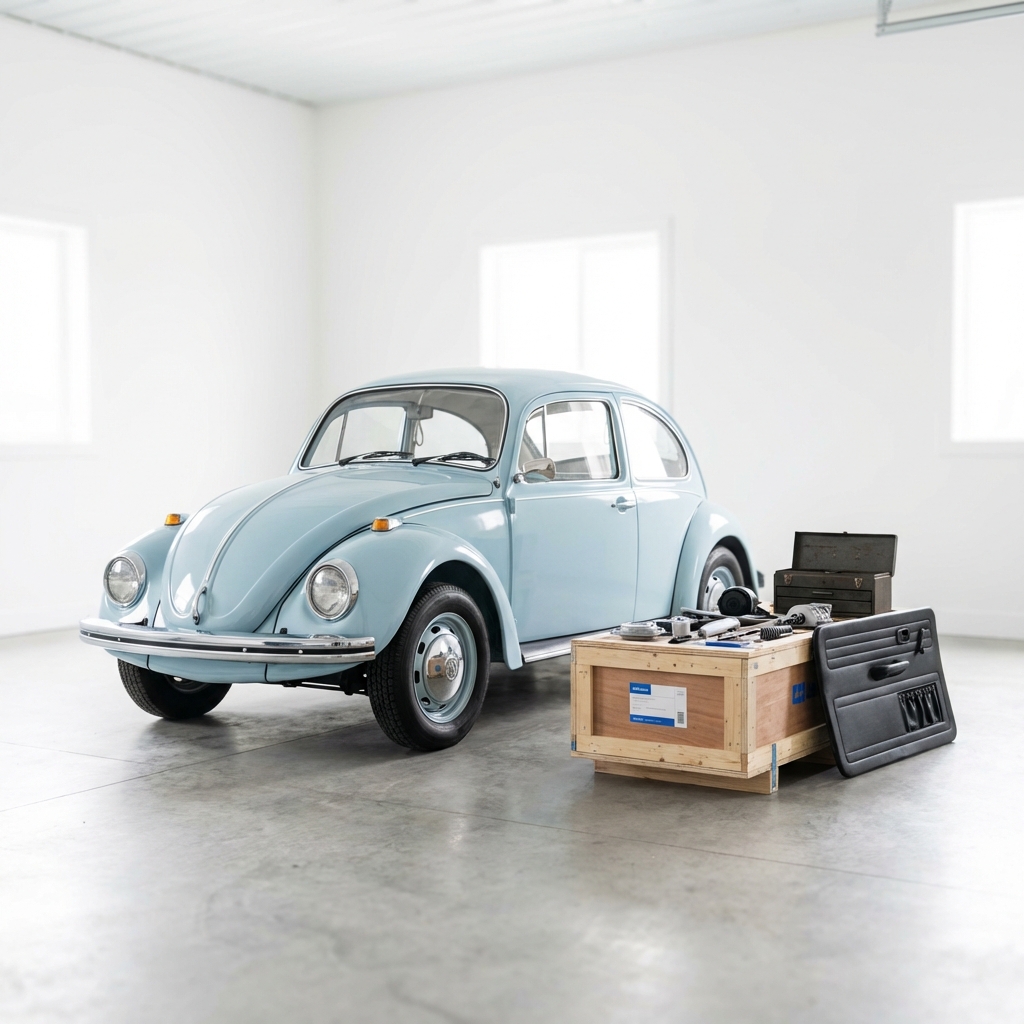
For Type 1 Beetles, Volkswagen's Classic Parts program continues to produce and distribute many original or remanufactured components, offering a reliable OEM-aligned source for common mechanical items and some rarer pieces, which helps preserve originality for restorations.
Using Volkswagen Classic is a sensible first check when you need parts that affect safety or authenticity; if a specific part is listed there, you can compare lead times and remanufacture notes against salvage or reproduction sources to decide the best option Volkswagen Classic parts information.
Where reproduction and specialist suppliers fit in
Reproduction and specialist suppliers supply many body panels, trim items, and interior components that are no longer produced in original form, and they often fill gaps that neither OEM nor salvage channels fully cover. Quality and fitment vary between vendors, so verify part numbers and review seller return policies before ordering.
For larger body panels or rare trim pieces, buyers commonly compare reproduction options against used panels from salvage sources to weigh cost versus fit and finish.
Parts availability for New Beetle and later models (1998-2019)
Dealer genuine parts and major online catalogs
New Beetle and A5-era models typically have good coverage for routine maintenance and wear items through dealer genuine parts and large online catalogs, so many common service parts are straightforward to source using VIN lookups or part catalogs.
For general searches, compare dealer listings with major online catalogs to check part numbers, pricing, and availability before committing to a purchase RockAuto Volkswagen catalog.
Common limits for late-model electronics and powertrain items
Model-specific electronics, control modules, and some powertrain components can be limited, especially toward the end of a model run. When parts are scarce, dealers may need to special-order items or you may find better luck with salvage assemblies that include the part and its mounting hardware.
For complex electronic modules, confirm whether programming or coding is required after installation and check seller notes on condition and included connectors or brackets, since those influence installation cost and complexity.
Step-by-step sourcing framework: where to look and in what order
Step 1: Confirm VIN, model year, trim and part number
Start with the vehicle VIN to confirm exact model, year, and trim, then use dealer catalogs or Volkswagen Classic to identify official part numbers. Recording the VIN and part number before you search reduces mismatch risk and speeds any dealer or catalog lookup.
Ask the seller to confirm the VIN when buying a used part that is vehicle-specific, and capture clear photos of stamped part numbers or mounting points for verification before purchase.
Step 2: Check Volkswagen Classic or dealer catalog
Next, check Volkswagen Classic for Type 1 items or use dealer parts catalogs for later models to see current OEM availability and remanufacture options. This step is especially important for safety-critical items or when originality matters for a restoration.
If the catalog shows availability, note the part number, expected lead time, and any remanufacture notes so you can fairly compare against salvage or aftermarket options.
Step 3: Search salvage marketplaces and used part catalogs
Search salvage marketplaces to find serviceable original assemblies and panels that can be less costly than new reproductions. Used-part databases are particularly valuable for rare trim or assemblies that are no longer produced.
When using salvage listings, ask for close-up photos of mounting points and any stamped numbers, and factor in shipping and potential refurbishment costs when comparing to new or reproduction parts Car-Part used parts marketplace.
Step 4: Compare OEM listings, aftermarket catalogs, and specialist reproductions
Finally, compare OEM listings with aftermarket and specialist reproduction options. Check part numbers, seller reputations, return terms, and any fitment notes. For body panels, consider whether minor trimming or adjustment will be needed when using reproduction parts.
Keep a short comparison table of price, estimated lead time, and return policy for each candidate part so you can make a documented decision that reflects cost and risk.
How to compare OEM, salvage, and aftermarket options
Pros and cons by scenario
OEM or genuine parts tend to offer the best match for fit and long-term reliability when available, but they can carry higher cost and longer lead times for rare items. Salvage parts can be cost-effective for assemblies and larger panels if condition is verified. Aftermarket or reproduction parts provide access to hard-to-find trim and body pieces but require careful fitment checks.
Choose OEM for critical safety or drivetrain components when OEM availability exists, salvage when cost or originality of assemblies matters, and reproduction when new but non-OEM parts are acceptable for restoration or cosmetic needs.
Questions to ask about fitment and warranty
Ask sellers whether a part is original equipment and if they can confirm stamped part numbers or show clear mounting-point photos. For aftermarket parts, request fitment notes, return windows, and whether any warranty applies, and record those answers before buying.
Return policies and documented compatibility are especially important for reproduction panels and electronic modules that may require additional parts or programming to fit correctly.
Decision criteria: when to use OEM, salvage, or reproduction parts
Reliability and safety considerations
Decide based on function: for safety- or drivetrain-related parts, favor OEM or tested remanufactured options if available. For cosmetic or low-risk components, salvage or reproduction parts can be appropriate if condition and fit are verified.
When in doubt, use VIN-based lookups to confirm compatibility and prioritize parts that come with clear return terms or certifications of condition.
Cost, lead time, and total cost to own
Consider price, lead time, and future resale impact. A lower upfront cost from salvage may increase installation or refurbishment work. Estimate the total cost to own including shipping, any necessary refurbishing, and potential rework if fitment is imperfect.
Document each option so you can compare not only purchase price but also the time and effort needed to bring the part to a usable state.
Typical costs and lead times to expect by part type and era
Common wear items vs reproduction body panels
Common wear items like filters, brake pads, bulbs, and routine maintenance parts are generally inexpensive and fast to source from dealer catalogs or mainstream online suppliers. Reproduction body panels and rare trim pieces often cost more and can have longer lead times, particularly when produced in low volumes.
Confirm current pricing and lead times with suppliers and dealers for the exact model year and VIN, since availability and manufacturing runs change over time and by region.
How lead times vary for low-volume OEM reproductions
Low-volume OEM reproductions for historic parts may have extended lead times because production runs are limited. When a specific component is essential to a restoration timeline, check Volkswagen Classic or dealer catalogs early to set realistic expectations.
Emerging options such as remanufactured or 3D-printed trim pieces are expanding the supply for rare parts, but these alternatives vary in quality and documentation, so verify sample photos and return terms before buying.
Common mistakes and red flags when sourcing Beetle parts
Fitment and part-number mismatches
Common mistakes include accepting vague photos, not verifying part numbers, and assuming reproduction fitment is exact. Always ask for clear photos of stamped numbers and mounting points and compare those to dealer or OEM part references.
Red flags include sellers with no VIN or part number, unusually low prices with no return option, and sellers who decline to answer fitment questions.
Poor seller photos and no return policy
Reject listings with poor or no close-up photos of the actual part, and prefer sellers with documented return policies or a short warranty window. For salvage parts, insist on detailed condition notes and photos of mounting surfaces.
When a listing raises doubts, request a short video of the part in hand or a close shot of any stamped numbers before proceeding.
Practical visualPractical scenarios: how a buyer would source three common parts
Scenario A: brake pads for a 1970 Type 1
Step 1, confirm VIN and brake system type for the 1970 Type 1. Step 2, check Volkswagen Classic for OEM or remanufactured brake hardware. Step 3, compare mainstream aftermarket pad manufacturers for exact fit using the part number, and only buy if the pad backing and dimensions match the stamped numbers or dealer catalog reference.
In many cases, brake consumables are widely available from mainstream suppliers, but document compatibility and return terms before purchase to avoid installation delays.
Scenario B: a tail lamp assembly for a 2002 New Beetle
Begin by confirming the VIN and exact trim for the 2002 New Beetle, then check dealer catalogs and major online parts catalogs for the genuine assembly and its part number. If genuine parts are unavailable or costly, search salvage marketplaces for an intact assembly to reduce installation complexity and avoid splicing connectors.
When buying a used assembly, request photos of the lens condition, mounting tabs, and the connector end, and confirm whether bulbs or sockets are included to avoid additional purchases.
Scenario C: a rare interior trim piece for a restored classic
For a rare interior trim piece on a restored classic, start with Volkswagen Classic to check OEM options, then search specialist reproduction vendors and salvage catalogs. If multiple reproduction options exist, compare photos, fitment notes, and seller return policies before choosing.
Expect to balance cost and originality: reproduction pieces may be new and clean but can require minor fitting work, while a used original part may need restoration but preserve authenticity.
How to verify fitment, VIN checks, and part number matching
Using VIN to confirm model, trim, and compatible part numbers
Use VIN-based lookups in dealer catalogs or Volkswagen Classic to confirm exact part numbers and compatibility. VIN checks reduce the risk of buying wrong-year parts and clarify whether a part fits specific trim or powertrain variants.
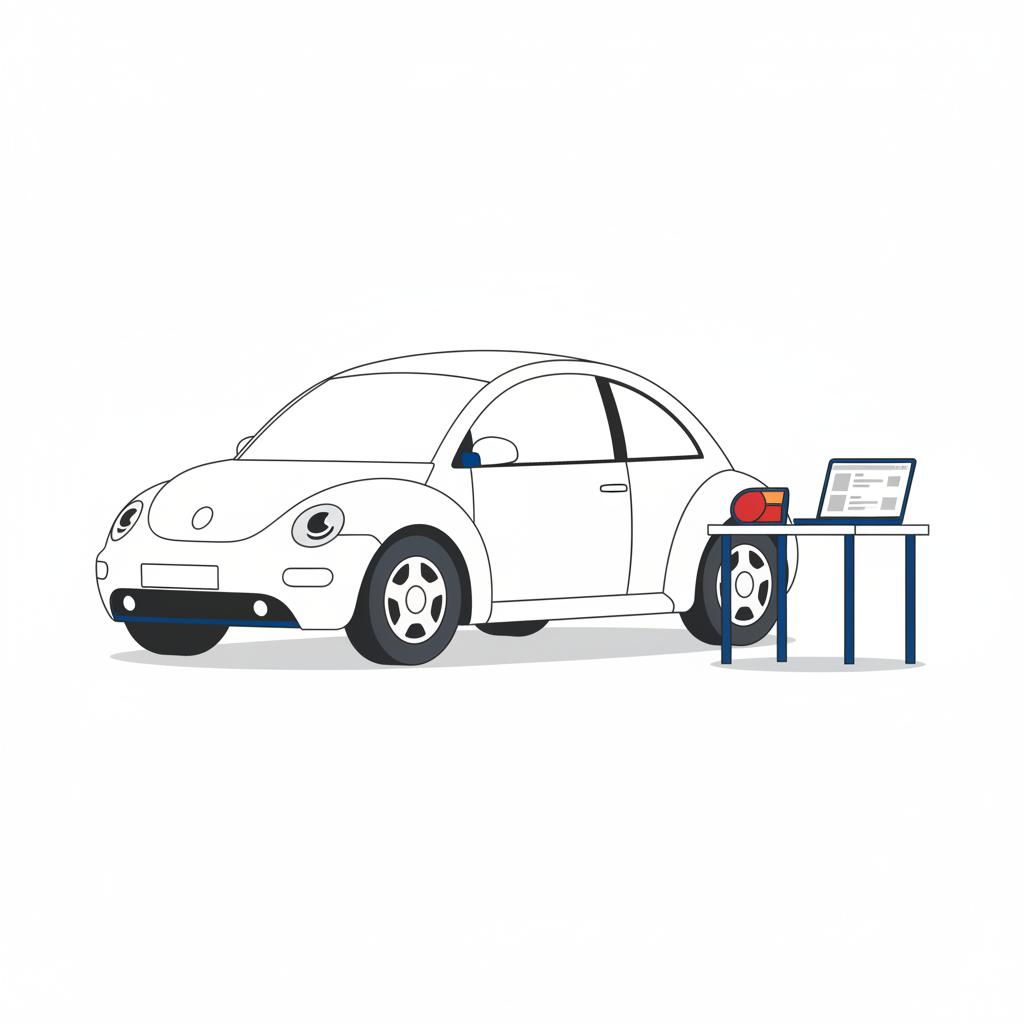
If a seller cannot provide the VIN or clear part numbers, treat the listing as higher risk and ask for more documentation before purchase.
Best practices for documenting fitment before purchase
Ask sellers for stamped part numbers, close-up photos of mounting points, and any condition notes. Keep screenshots and written confirmations of compatibility in case you need to request a return or dispute after delivery.
For electronic modules, record part numbers and any programming requirements communicated by the seller to avoid surprise labor costs after installation.
Summary and next steps for buyers
Key takeaways
Parts are generally available for Beetles, but availability depends on era and part type. Volkswagen Classic and salvage marketplaces are central to sourcing Type 1 and hard-to-find assemblies, while dealer catalogs and major online parts suppliers cover many common items for New Beetle and later models.
Quick action plan
Immediate next steps: confirm VIN and exact part number, follow the prioritized sourcing framework starting with Volkswagen Classic and dealer catalogs, and verify photos and return policies when comparing OEM, salvage, and reproduction options.
Careful documentation and a short comparison of price, lead time, and return terms will help you reduce risk before contacting a seller for a Beetle part.
Use the checklist and sourcing order in this guide as a routine step when researching parts. Confirm VIN and part numbers early, document seller responses, and compare price, lead time, and return policies to reduce risk before purchase.

 Blog
Blog