What is a red flag when buying a used car? A practical guide to spotting trouble
Learn the key red flags to watch for when buying a used car, from branded titles and flood damage to odometer rollback and sketchy seller behavior. This comprehensive guide explains how to read vehicle history reports, run a VIN check, perform a thorough test drive, and use a trusted pre-purchase inspection to avoid costly surprises. Includes a step-by-step inspection checklist, negotiation tips, and how CarFax Deals can help you find verified listings with vehicle history reports and transparent pricing context.
A step-by-step workflow for estimating a truck's market value that centers on comparing consumer valuation tools, adjusting for mileage and condition, and checking wholesale market signals. The guide explains private-party, trade-in and dealer retail values and shows how a vehicle history report and pricing insights can change an asking price.
This guide helps research oriented buyers evaluate suv used cars for sale under $25,000 by combining safety ratings, reliability data, local pricing context, and vehicle history checks. It outlines a simple framework, a pre visit checklist, and a decision scoring worksheet so you can compare finalists before contacting a dealer. Use the steps here to narrow candidates and confirm risk signals with a vehicle history report and a pre purchase inspection.
When searching suv used cars for sale, prioritize model year, trim and powertrain before choosing a make or model. This guide explains how safety ratings, dependability studies and local pricing insights combine to produce a short list you can verify with a vehicle history report. It also provides a stepwise checklist you can use before contacting a dealer.
Buying a used car should feel empowering, not risky. This guide answers the key question, “What is a red flag when buying a used car?” and walks you step-by-step through the sensory checks, VIN report use, and inspection habits that turn uncertainty into a confident decision.
1. A branded title (salvage, rebuilt, flood) is one of the strongest red flags and should trigger deeper investigation.
2. Musty smells, silt in the trunk, and electronic glitches are common signs of hidden flood damage.
3. CARFAX has provided vehicle-history data for over 30 years, and CARFAX Deals pairs that data with pricing insights to help buyers spot risks.
What is a red flag when buying a used car? Clear signs, smart checks, and a buying plan
What is a red flag when buying a used car? Right away: it’s anything that suggests hidden damage, unreliable service history, title problems, or seller behavior that hides facts. Spotting those red flags early saves time, money, and stress. This guide walks you through the most important warning signs, how to verify them, and what to do when you find one.
Why the question "what is a red flag when buying a used car?" matters
Used cars are great value when they’re honest and well maintained. But the second you ask yourself "what is a red flag when buying a used car?" you’re already doing the right thing: thinking critically. Not all problems are fatal, but many are - especially when they affect safety, legal ownership, or long-term repair costs.
One practical step early in any search is to run a comprehensive VIN check. Services like CARFAX Deals pair verified vehicle history reports with price context so you can quickly spot title brands, accidents, and mileage inconsistencies while comparing market value. Treat this as part of your research toolkit, not a replacement for a mechanic’s hands-on inspection.
Top red flags that should stop you in your tracks
Some warnings are immediate and severe. When asking "what is a red flag when buying a used car?", pay special attention to these:
Branded titles: salvage, rebuilt, flood, or lemon-title designations point to prior major damage or legal claims.
Flood or water damage signs: musty smells, silt in the trunk, corrosion under carpets, or electrical glitches.
Odometer discrepancies: mismatched records, inconsistent wear vs. miles, or history reports that show mileage rollbacks.
Structural repairs: evidence of welding, replaced frame members, or uneven panel gaps that point to major collisions.
Persistent dashboard warnings: check-engine lights or multiple system warnings that return after resets.
Seller evasiveness: missing title, refusal to allow independent inspection, cash-only pressure, or vague stories about ownership.
How to use the senses—and a VIN report
Many red flags are sensory: things you see, hear, or smell. At the same time, a VIN-based vehicle history report often reveals title brands, recorded accidents, and mileage snapshots. Combine both. Ask: "What is a red flag when buying a used car?" and then look, listen, and verify.
Before the visit: research that narrows risk
Start online. Use market comparators to check price, and run a VIN report to catch obvious history issues. If you ask early "what is a red flag when buying a used car?", and the CARFAX or VIN report shows a branded title or repeated damage entries - either walk away or prepare for intense due diligence. A quick visual summary can help you compare listings at a glance.
Why price anomalies scream caution
A vehicle priced well below local comparables begs questions. A very low price may hide major mechanical defects, title branding, or curbstoning (a fake private sale run by a dealer). Before arranging to see the car, confirm the VIN history and local price range for the exact year, make, model, and trim. If you want guidance on using reports and tools, see this usage guide: how to use VIN and market tools.
Quick sellers, cash-only, and odd meeting places
If the seller pushes urgency or a cash-only handoff, ask why. Pressure to skip inspections or move the sale along fast is one of the most consistent behavioral red flags. A transparent seller expects reasonable verification and time to complete a proper transfer.
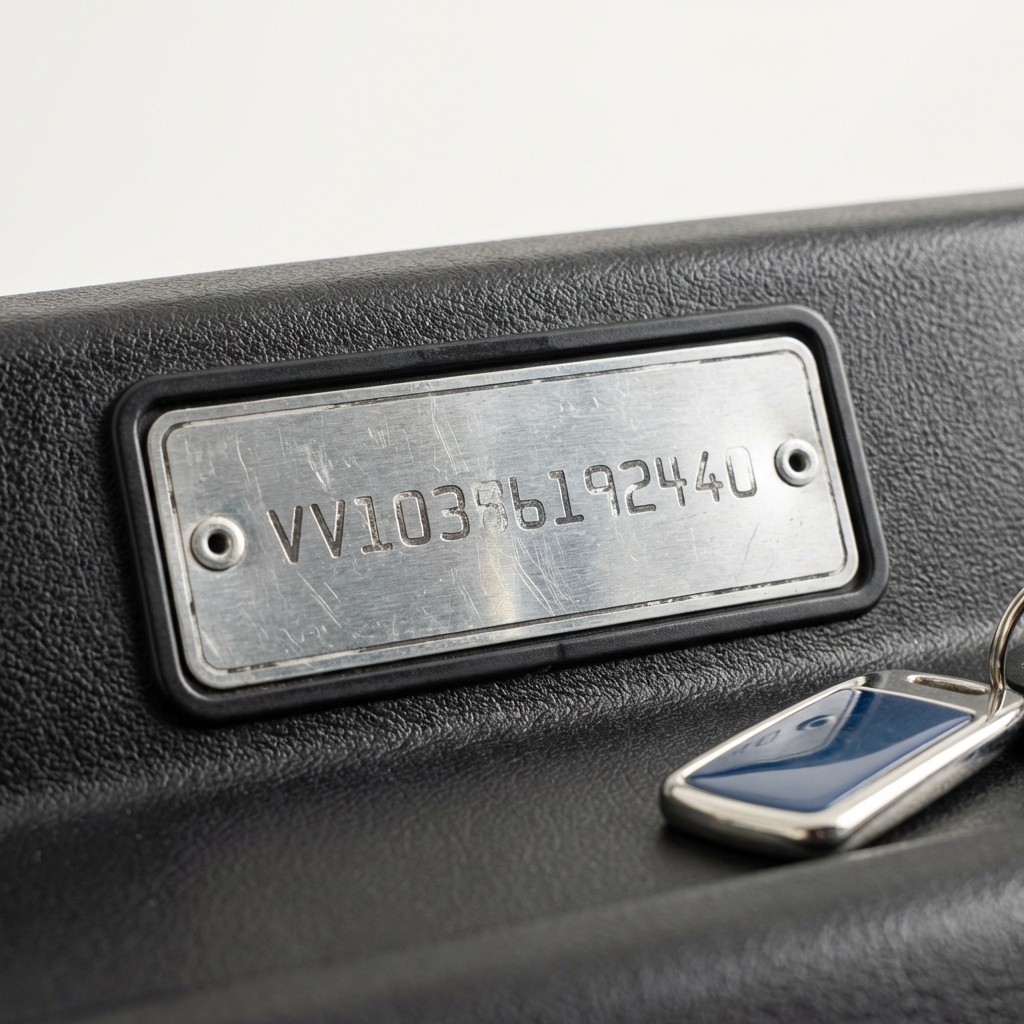
The title and paperwork details—mismatched names, missing title, or a branded title hidden in documentation. Always verify the VIN and title before trusting a low price.
On-site checklist: reading the car like a pro
When you meet the car, work methodically. Ask yourself the core question again: "what is a red flag when buying a used car?" Use this checklist as your on-the-spot detective guide.
Documents first
Check the title, registration, and any service records. Verify the name on the title matches the seller, and that the VIN on the car matches paperwork. If the title is branded salvage, rebuilt, or flood—consider that a major red flag and ask for detailed repair invoices and state inspection documents.
Exterior exam: paint, panels, and rust
Walk slowly around the car. Look for mismatched paint, inconsistent panel gaps, or overspray on seals—these are signs of body repairs. Check for rust in drain holes, behind wheel wells, and under the battery tray. Fresh undercoating or seam sealer may mask previous collision repairs.
Interior exam: smells, wear, and electronics
Turn on every electrical feature: infotainment, HVAC, windows, lights, and wipers. Smell for mustiness or chemical odor—both can be flood indicators. Lift floor mats and check under carpets for dampness or residue. Inspect upholstery, steering wheel wear, and pedal conditions for age-related consistency.
Under the hood and under the car
Check fluid levels and clarity. Look for sludge or unusual discoloration in oil or coolant. Inspect hoses for recent replacements and signs of leaks. Underneath, look for bent suspension parts, uneven welds, or fresh paint that covers structural work.
Test drive: the moment problems reveal themselves
A short drive reveals more than a static look. Ask: "what is a red flag when buying a used car?" while you’re behind the wheel—does anything behave oddly?
What to notice during acceleration and braking
Does the car pull to one side? Are there vibrations or clunks when you cross bumps? Test the brakes at different pressures. Any softness, squealing, or ABS light activation is a red flag.
Transmission and engine behavior
Look for delayed shifts, harsh engagement, or whining noises. A slipping transmission or unusual sounds from the engine often mean expensive future repairs.
Suspension, steering, and noise checks
Pay attention to steering play and how the car tracks on the road. Rattles, knocks, or grinding noises suggest worn or damaged components. If the seller objects to a normal test drive route, be suspicious.
Odometer rollback: small signs, big problems
Odometer tampering is a serious fraud that can dramatically change a vehicle’s value and expected life. If you’re asking "what is a red flag when buying a used car?" related to mileage, look for mismatch clues.
How to detect mileage fraud
Compare odometer reading with service stamps, title records, and the vehicle history report. Excess wear on pedals, steering wheel, and driver’s seat inconsistent with the odometer is suspicious. VIN-based history often includes recorded mileage snapshots—use those to cross-check. For practical steps on spotting and acting on mileage fraud, see this guide: how to spot and act on odometer rollback.
Flood damage: subtle, widespread, expensive
Water hides well. Even a shallow flood can ruin wiring and lead to intermittent electrical faults that are hard to trace. Ask yourself repeatedly: "what is a red flag when buying a used car?"—and treat musty smells and hidden corrosion as very serious warnings.
Where water damage shows up
Trunk silt, rust under carpets, fogged headlights, and corroded connectors are all common. Electronics that work intermittently or smell of mildew deserve further investigation. For more on common flood signs and how to avoid flood-damaged cars, read this resource: How to avoid flood-damaged cars.
Structural repairs and frame issues
Major frame repairs can compromise safety and handling. If the vehicle shows evidence of significant frame work, welding, or replaced structural members, that should be treated as an advanced red flag—get professional documentation before you consider the purchase.
Using a vehicle history report—what it does and doesn’t show
VIN reports are powerful tools that should be part of your standard research. Still, they won’t show everything. When wondering "what is a red flag when buying a used car?", remember that history reports show recorded events, not every repair. They can miss independent-shop fixes, informal repairs, and unreported accidents. Read why vehicle history reports matter: how vehicle history reports prevent costly mistakes.
Best practice: history report + mechanic inspection
Use a vehicle history report early to screen out vehicles with clear title brands or major accidents. Then, follow up with a certified pre-purchase inspection to find what the report can’t show. Tools like a VIN decoder can help you understand reported data when you’re comparing records.
Why CARFAX Deals helps
Market context matters. CARFAX Deals pairs verified CARFAX Vehicle History Reports with price analysis labels so you see both risk and value. If a VIN report shows a branded title, you’ll have a clearer basis for negotiation or for walking away instead of being surprised at signing.
Independent pre-purchase inspections: worth every dollar
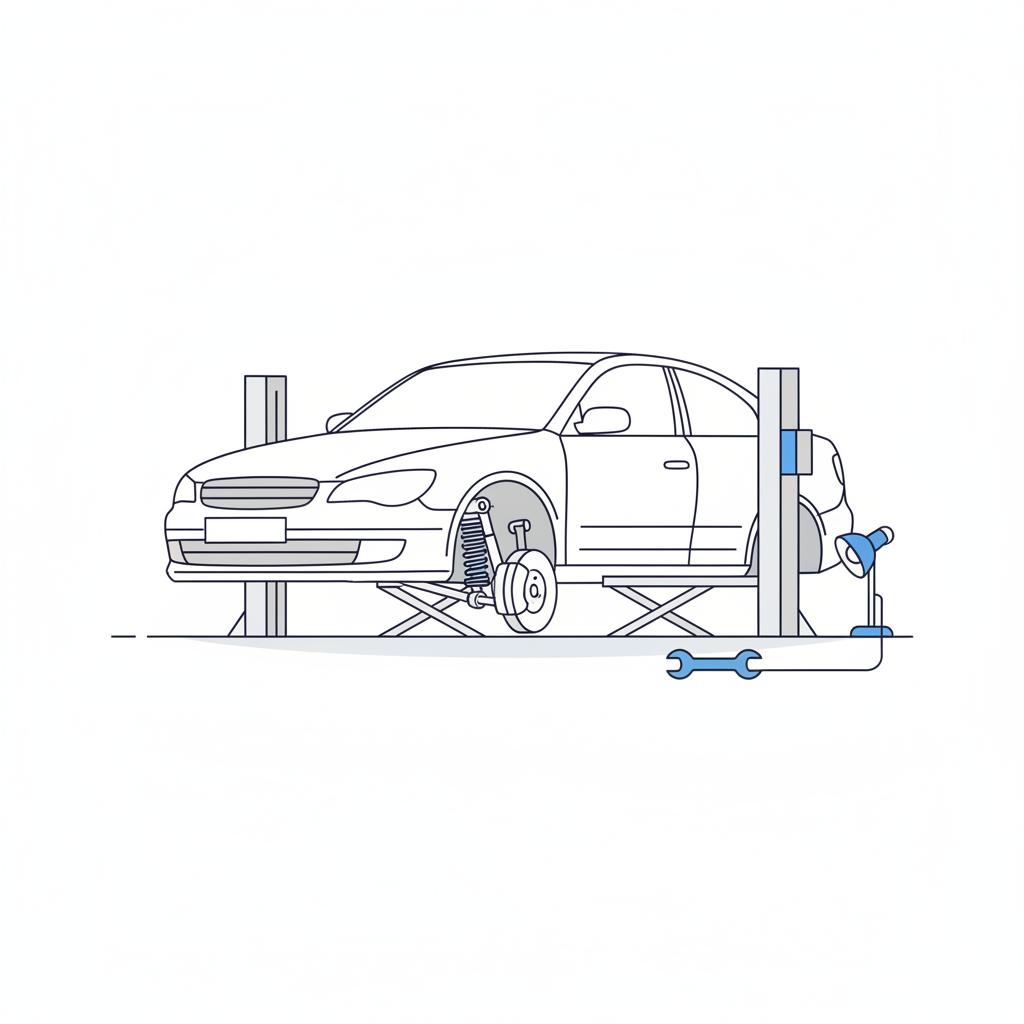
A professional mechanic can lift the car, run compression tests, scan engine codes, and inspect structural components that aren’t visible from the ground. If you ask "what is a red flag when buying a used car?" and you find one or more during your checks, a mechanic’s report will quantify the risk.
What a mechanic should check
Compression and engine health
Transmission function and fluid condition
Frame and suspension alignment
Brake wear and component integrity
Signs of water intrusion or corrosion
Electrical system integrity and error codes
Negotiation strategies when red flags show up
Findings can be used to reduce price, demand repairs, or to walk away. Present inspection findings calmly and with documentation. For private sellers, a request to repair before sale or a clear price reduction is reasonable. For dealers, ask for a written repair commitment or an extended warranty.
When to walk away
Red flags that should end a deal include: undisclosed salvage titles, confirmed odometer rollback, major structural repairs without records, or flood damage with electrical issues. A wise buyer values certainty over a bargain that may cost far more later.
Common scams and regional quirks
Curbstoning, title washing, and masked flood damage are common schemes. Title-branding rules differ by state; a car from a different region may look fine but carry hidden risks. If you’re buying out of state, run multi-jurisdiction VIN checks and pay special attention to rust and flood signs.
Practical daily habits for safe buying
Always meet in daylight and in a public place. Bring a friend or a mechanic if you can. Photograph the VIN plate and title. Record the test drive or key sounds on your phone. Keep a printed or phone checklist to guide your inspection so you don’t rush past red flags.
After the purchase: steps if you missed something
If you already bought a car and later find a red flag, start with a VIN check and an immediate mechanic inspection. Document everything you can—texts, receipts, and inspection reports. Depending on your state, you may have legal options, especially if a dealer knowingly hid a branded title or rolled back an odometer.
Who to contact
State consumer protection offices, the Federal Trade Commission, and a consumer attorney can advise on remedies. Lemon laws and dealer disclosure rules vary; a local consumer protection office is a good first call.
A printable checklist and a script to ask sellers
If you’re ready to keep looking, start by running a VIN check early and prioritizing cars with clear histories and transparent pricing. Combine that with independent inspections and a habit of checking for the simple sensory clues that reveal hidden problems.
Short on-site checklist
Title and VIN match? Yes / No
Branded title? (salvage/rebuilt/flood)
VIN report run (CARFAX or similar)?
Smells (musty/chemical)?
Panel gaps/paint mismatch?
Tires even wear?
Warning lights on dashboard?
Test-drive—transmission/shifting ok?
Independent mechanic inspection arranged?
Simple script to ask the seller
“Can I see the title and service records? Has the car ever been in a major accident or had flood damage? Would you be okay if I bring a mechanic for a pre-purchase inspection?” Calm, direct, and practical—this gets answers faster than storytelling.
How CarFax Deals fits into your process
CarFax Deals is designed for the research-first buyer who asks, "what is a red flag when buying a used car?" before contacting a dealer. By surfacing verified vehicle history reports alongside pricing context, CarFax Deals helps you find cars that are both fairly priced and documented in their history. Use it early to remove many unknowns and to focus viewings on better-quality vehicles.
Sample negotiation phrases based on inspection findings
Use facts, not emotion. Try: “The inspection shows a frame repair and an estimate of $2,500 in work—would you accept $2,500 less or have that repair completed before transfer?” If the seller resists without good documentation, be ready to walk away.
Final checks and paperwork
Before you sign or hand over money, verify the title is transferable and clear of liens, copy the seller’s ID, confirm the odometer reading on the bill of sale, and get a written statement of any promises the seller makes about repairs.
Top takeaways: remember these when you ask "what is a red flag when buying a used car?"
1) Branded titles, flood signs, and odometer rollback are major red flags. 2) Use a VIN-based vehicle history report combined with an independent pre-purchase inspection. 3) Seller behavior—pressure, cash-only deals, refusal of inspection—is a strong signal of risk.
Keeping perspective
Not every warning is fatal. Some cars with past repairs are safe, well-documented, and fairly priced. But a careful buyer asks “what is a red flag when buying a used car?” and then verifies that the flag was either addressed properly or is a deal breaker.
Resources and next steps
If you’re ready to keep looking, start by running a VIN check early and prioritizing cars with clear histories and transparent pricing. Combine that with independent inspections and a habit of checking for the simple sensory clues that reveal hidden problems.
Check the car’s history before you step into the dealership
Ready to reduce uncertainty? Run a VIN check and view verified vehicle history reports to screen cars before you visit. Start your report here: Get a CARFAX vehicle report.
As you shop, stay curious and methodical. Asking "what is a red flag when buying a used car?" keeps you alert and in control. Use the checks in this guide, combine them with verified VIN reports, and bring a trusted mechanic when the car passes your initial tests.
Look for musty smells, silt or residue in the trunk or spare-tire well, corrosion under carpets, fogged headlight lenses, and electrical glitches. Lift mats to check for dampness and inspect connectors for corrosion. Running a VIN-based history report and bringing the car to a mechanic for a moisture inspection are practical next steps.
Yes—running a vehicle history report early helps you screen for branded titles, prior accidents, and recorded mileage. Products like CARFAX Deals combine verified CARFAX Vehicle History Reports with pricing context so you can spot red flags and focus viewings on lower-risk cars.
Refusal to allow a pre-purchase inspection is a major red flag. A transparent seller understands buyers want verification. If the seller refuses, consider it a strong reason to walk away or at least insist on meeting at a mechanic’s shop where an inspection can be done immediately.
In short: a clear branded title, signs of flood or structural damage, odometer inconsistencies, and evasive seller behavior are the biggest red flags. Spot them early, verify with a VIN report and a mechanic, and you’ll end up with a car that actually gets you where you need to go—reliably. Safe driving and happy shopping!

 Blog
Blog